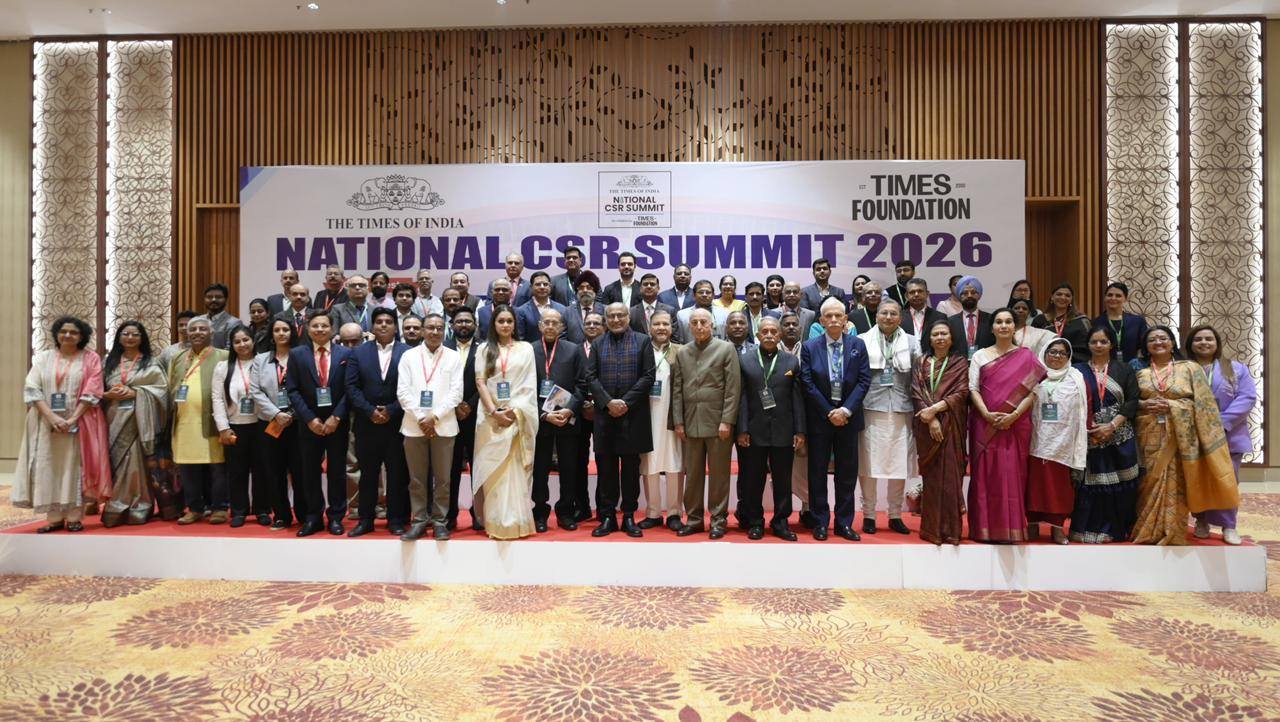
In every era, societies are remembered not only for their economic achievements but for the moral choices they make while pursuing progress. Development without compassion creates distance, while growth guided by responsibility builds civilizations rooted in dignity. The TOI National CSR Summit 2026, organized at Bharat Mandapam in New Delhi, emerged as one such defining moment in contemporary India, a gathering that attempted to redefine the relationship between enterprise and empathy. From the perspective of Mehta Art Gallery, Varanasi, an institution deeply connected with cultural dialogue and artistic consciousness, the summit represented far more than an annual corporate event. It reflected a national introspection about responsibility, justice, and the ethical foundations of development.
Mehta Art Gallery was neither present at the summit nor a recipient of any recognition. Yet, as observers committed to the intersection of art, society, and human experience, the gallery views the recognition of grassroots change-makers as a cultural moment worthy of reflection. Art has always responded to social reality. It absorbs stories of struggle, resilience, and transformation, translating them into visual memory for future generations. When individuals who dedicate their lives to marginalized communities receive national acknowledgement, the moment becomes part of a larger narrative about the direction in which a society chooses to move.
The central motive of the CSR Summit 2026 lay in strengthening the understanding that Corporate Social Responsibility is no longer an optional philanthropic gesture but a vital instrument of nation-building. India’s development journey today demands alignment between economic ambition and social equity. Corporate institutions increasingly influence education systems, healthcare accessibility, environmental sustainability, and livelihood opportunities. The summit emphasized that CSR must evolve beyond symbolic charity and become a long-term ethical commitment rooted in accountability and measurable impact.
Hon’ble Vice-President of India Shri C. P. Radhakrishnan, addressing the gathering, articulated this vision with clarity and conviction. His emphasis on CSR as “nation-building capital” reflected a growing recognition that businesses are stakeholders in the social fabric of the country. Development cannot remain confined to financial growth alone; it must include dignity for workers, opportunity for disadvantaged communities, and sustainable stewardship of natural resources. His message urging institutions to honour commitments underscored an important truth, trust remains the foundation of social progress.
For Mehta Art Gallery, this philosophy resonates deeply with artistic practice. Art itself is an act of responsibility toward society. Artists observe the emotional climate of their time and respond through creation. Murals tell stories of communities. Sculptures preserve collective memory. Paintings express the inner conflicts and hopes of humanity. When national leadership acknowledges compassion as essential to development, it reinforces the belief that creativity and conscience are inseparable forces shaping civilization.
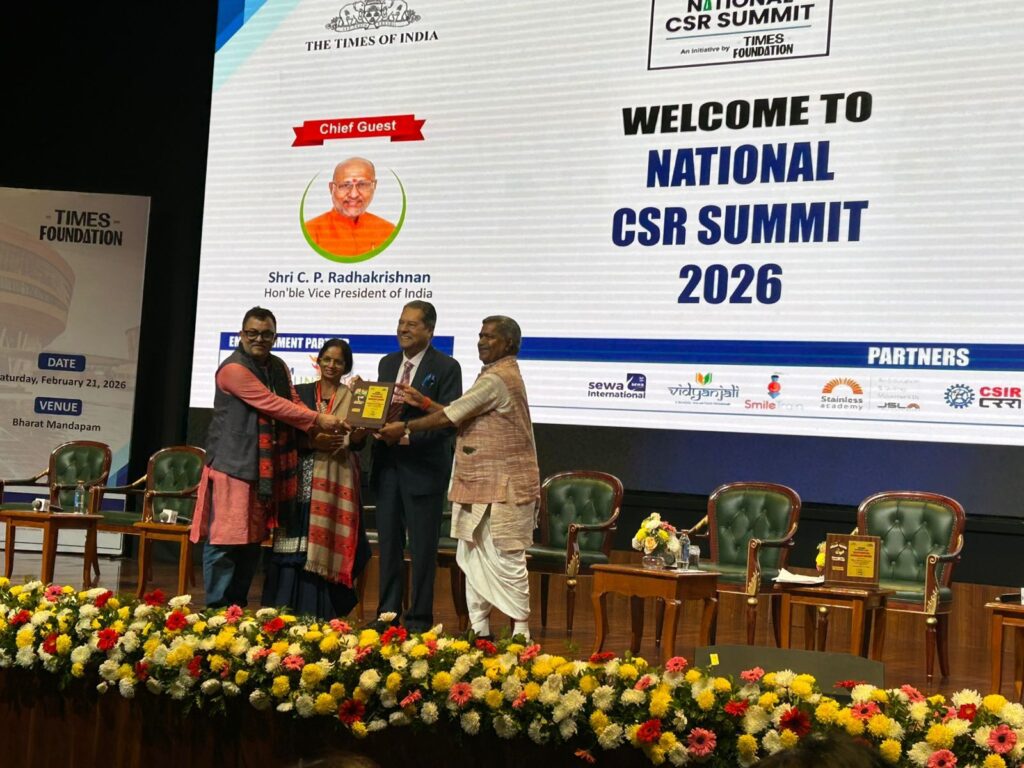
Among the many recognitions presented at the summit, the Distinguished Leadership Honour under the Unsung Hero category carried particular significance. Unlike awards that celebrate visibility or institutional power, this category honoured individuals whose work unfolds quietly among communities often ignored by mainstream narratives. Grassroots activism rarely attracts applause. It requires patience, courage, and emotional endurance in environments shaped by inequality and structural injustice.
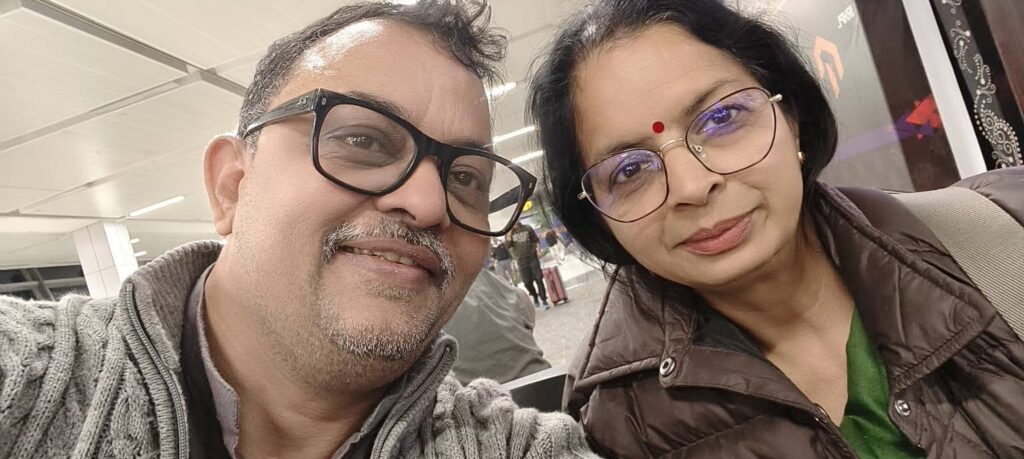
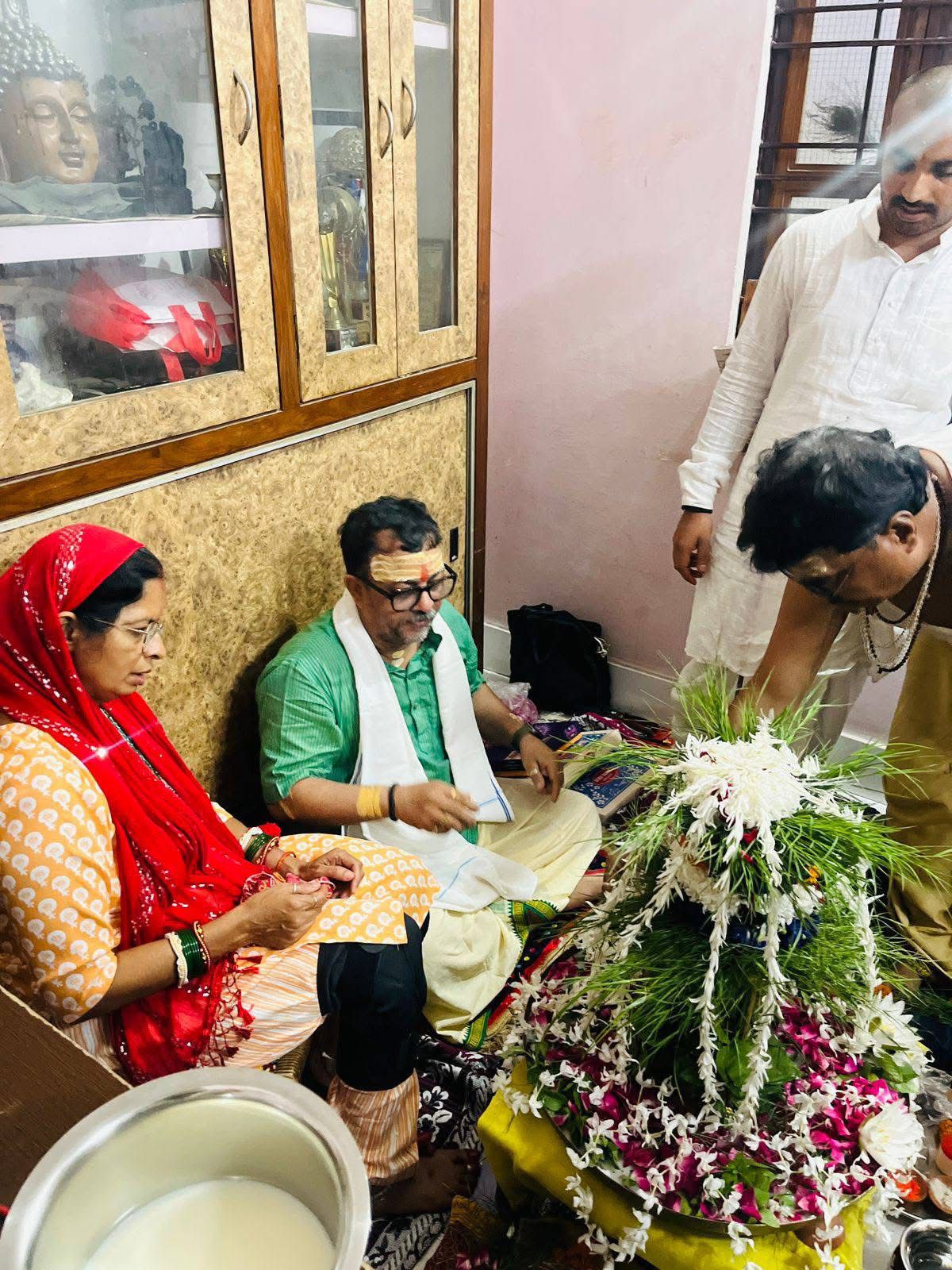
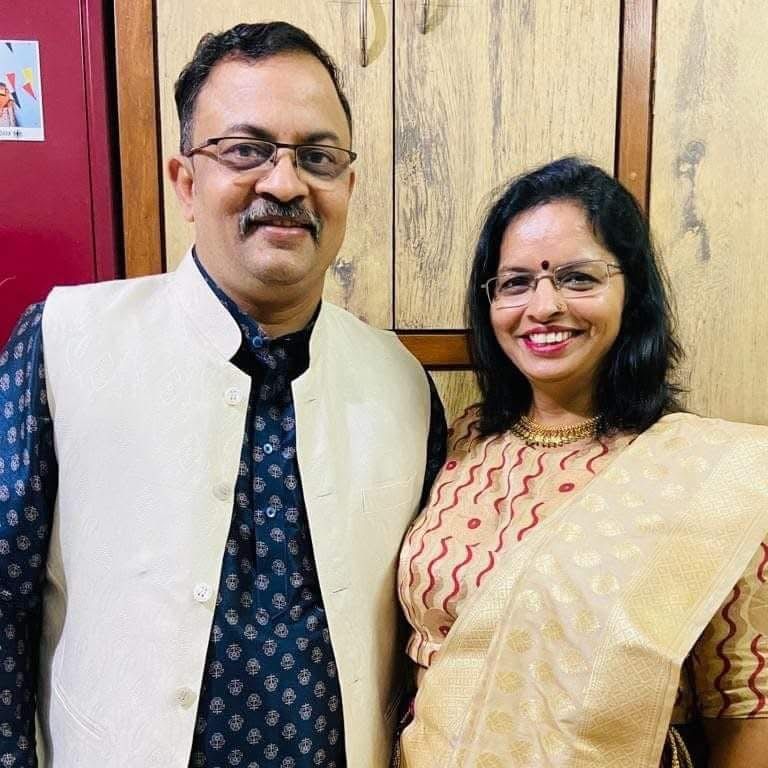
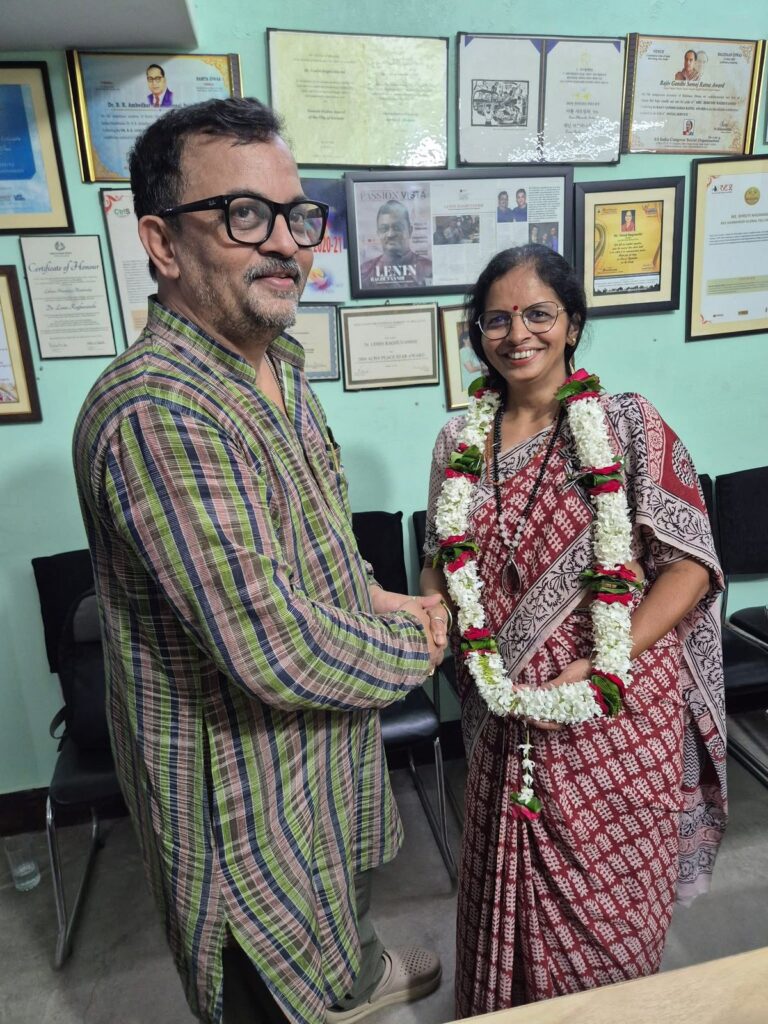
The recognition of Shruti Nagvanshi and Lenin Raghuvanshi reflected decades of such commitment. Through Jan Mitra Nyas and the People’s Vigilance Committee on Human Rights (PVCHR), their work has addressed bonded labour, caste discrimination, gender-based violence, and systemic exclusion affecting marginalized populations. Their initiatives have extended across education, rehabilitation, advocacy, and community empowerment, focusing not merely on relief but on restoring agency and dignity.
From the standpoint of Mehta Art Gallery, this recognition symbolizes the meeting point between grassroots experience and institutional acknowledgement. Artists understand the value of unseen labour. A canvas may take months or years before it reaches public exhibition. Similarly, social transformation often occurs slowly, through trust built one conversation at a time. The Unsung Hero honour therefore becomes a reminder that progress is sustained by individuals working beyond visibility.
One of the most meaningful dimensions of the recognition was that it honoured Shruti Nagvanshi and Lenin Raghuvanshi together. Their shared award highlighted a partnership extending beyond professional collaboration into a lifelong moral alliance. Beginning their journey together in marriage in February 1992, their personal commitment gradually evolved into a shared public mission rooted in justice and compassion.
In Indian cultural traditions, partnership has long been seen as a source of strength. Artistic and literary heritage celebrates companionship as a creative force capable of shaping social change. Receiving recognition together transformed the award into something deeply symbolic. It affirmed that love and service can exist as complementary energies rather than separate pursuits. The honour arriving close to their marriage anniversary added emotional resonance, suggesting that decades of shared struggle can itself become a form of collective achievement.
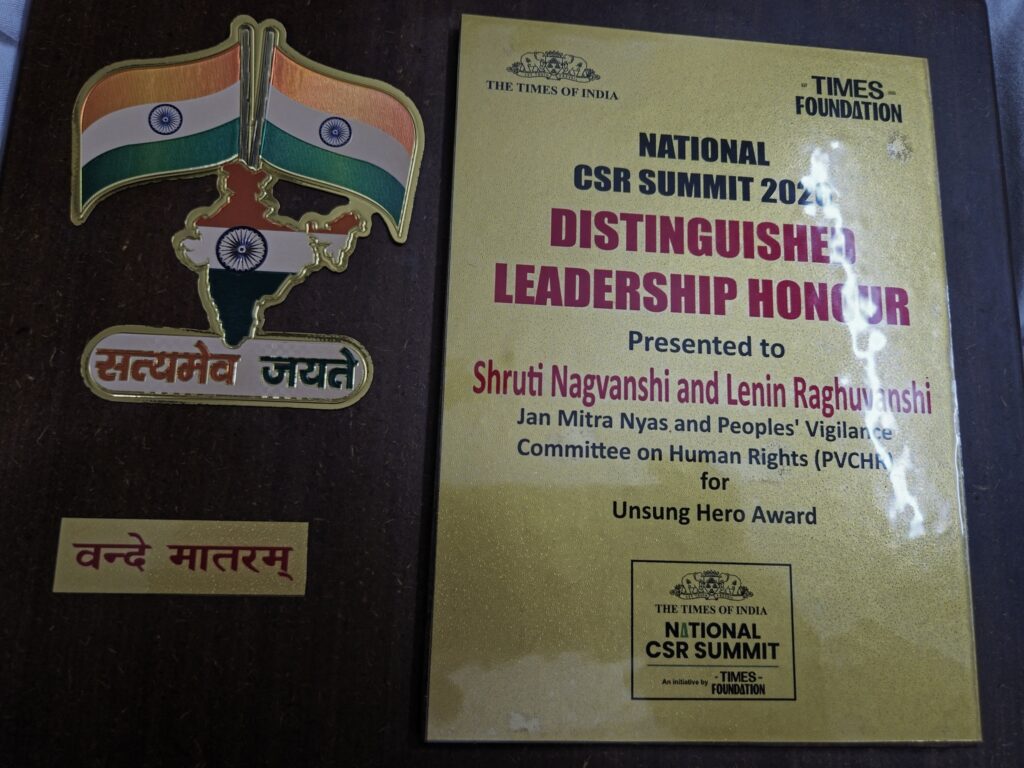
Their work through Jan Mitra Nyas and PVCHR emerged not from theoretical frameworks but from encounters with lived realities. Supporting survivors of bonded labour, advocating for education among marginalized children, addressing cases of human rights violations, and strengthening democratic participation at the grassroots level required persistent engagement with communities facing systemic barriers. These institutions sought not only to document injustice but to restore dignity and confidence among individuals often silenced by circumstance.
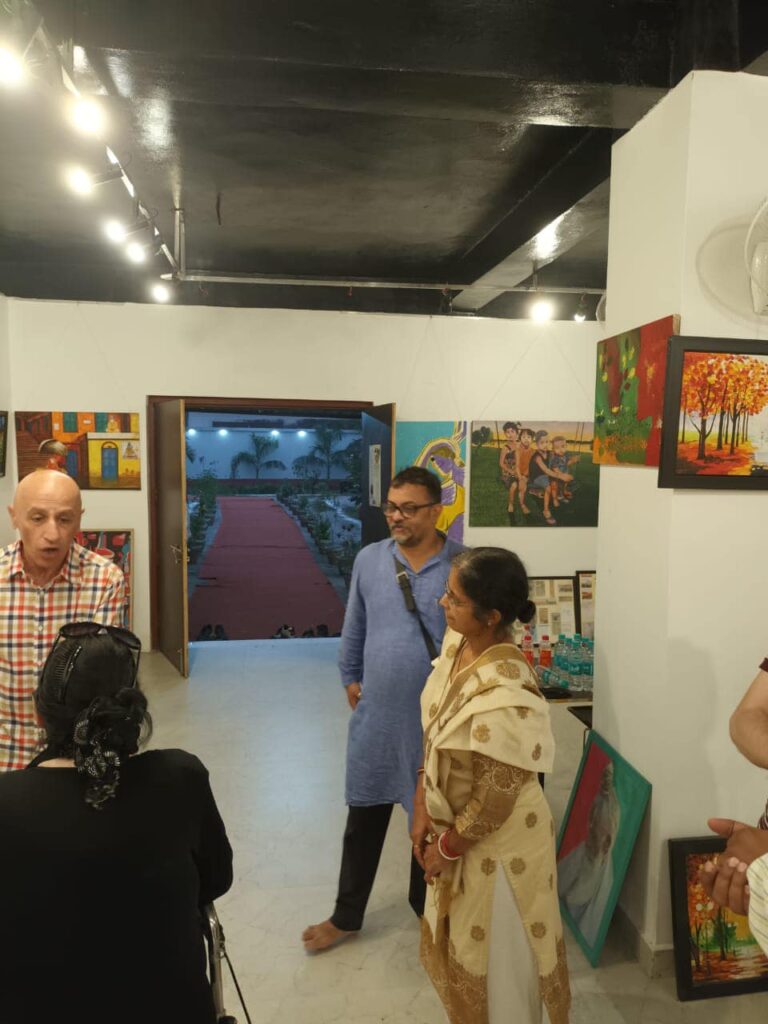
For Mehta Art Gallery, such efforts mirror the responsibility carried by cultural institutions. Art galleries preserve voices that might otherwise disappear. They provide space for dialogue, reflection, and emotional healing. Just as grassroots organizations create platforms for marginalized communities to speak, artistic spaces create platforms for society to listen.
The summit’s broader discussions emphasized collaboration between corporate institutions and grassroots organizations. CSR initiatives increasingly recognize that financial resources alone cannot produce sustainable transformation. Community trust, local knowledge, and empathy remain essential components of development. Partnerships between enterprises and organizations rooted in lived experience enable resources to reach those who need them most.
From an artistic perspective, collaboration has always been central to creativity. Public art projects often involve communities participating in storytelling through visual expression. Murals revitalizing neglected spaces or sculptures commemorating collective resilience demonstrate how creativity and social engagement intersect. CSR initiatives guided by ethical commitment similarly invest not only in infrastructure but in emotional and social wellbeing.
The presence of Dr. Bhaskar Chatterjee at the summit added another layer of significance to the recognition ceremony. Widely acknowledged for shaping India’s CSR framework, his contributions helped transform corporate responsibility into a structured national commitment. By integrating CSR provisions within the Companies Act, institutional accountability toward society gained legal and ethical grounding.
For observers from cultural fields, this convergence between policy vision and grassroots action symbolizes harmony between imagination and implementation. Just as an artist translates vision into tangible form, policy frameworks provide direction while activists transform intention into lived reality. The recognition ceremony therefore reflected dialogue between institutions shaping policy and individuals implementing change within communities.
Sharing the honour alongside Gandhian social reformer Maheshanand Bhai further emphasized the spirit of grassroots leadership celebrated at the summit. His work in rural empowerment, community participation, and sustainable development echoes Gandhian ideals of service rooted in humility and self-reliance. Mobilizing marginalized communities around rights, education, and dignity demonstrates that transformation often begins locally rather than through centralized authority.
Such recognition resonates strongly with India’s cultural traditions, where ethical living and community engagement have long informed artistic philosophy. Handcrafted practices, collective creativity, and respect for local knowledge remain integral to Indian aesthetics. Honouring individuals grounded in these values reinforces the idea that modernization must remain connected to moral heritage.
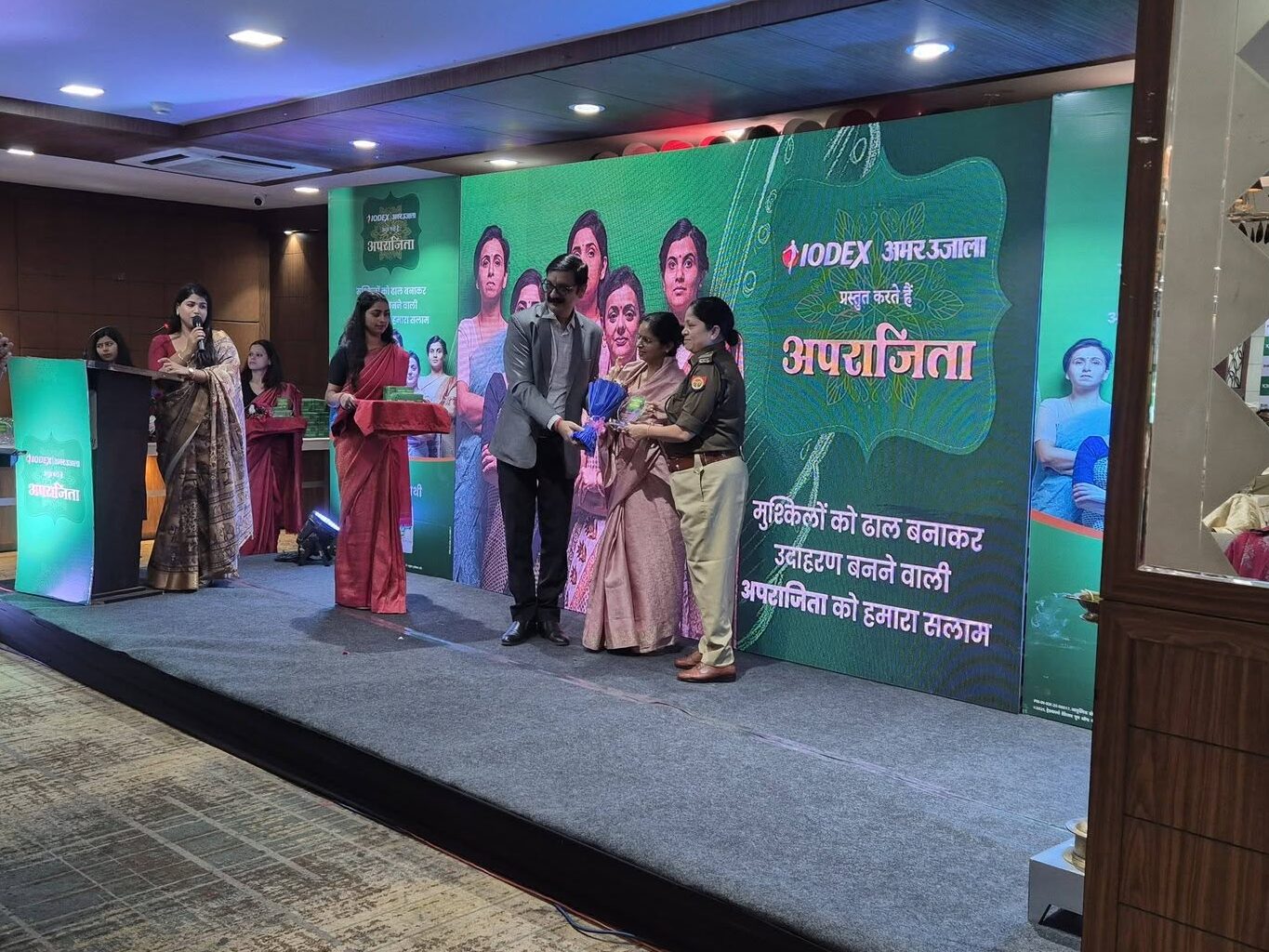
Another powerful dimension connected with this broader narrative was Shruti Nagvanshi’s recognition at the Aparajita ceremony organized by Amar Ujala in Varanasi. Her honour for contributions toward women’s empowerment and community leadership reflected growing acknowledgement of women as central architects of social transformation. Across India, women leaders are reshaping grassroots governance, supporting survivors of violence, and strengthening collective participation in democratic processes.
For Mehta Art Gallery, which frequently collaborates with emerging artists and women creators, such recognition carries deep cultural importance. Empowerment expands artistic expression itself. When women gain confidence and opportunity, communities gain new voices capable of redefining cultural narratives.
Messages of appreciation arriving from international figures also highlighted the universal nature of social commitment. When artists and thinkers across borders recognize grassroots activism, it affirms that compassion transcends geography. Art has long functioned as a bridge connecting cultures through shared emotion. Similarly, the struggle for justice in one region inspires hope elsewhere.
India today stands at a moment of rapid transformation marked by technological innovation and economic ambition. Yet inequality continues to challenge inclusive development. The CSR Summit 2026 emphasized that sustainable progress requires ethical balance. Economic success must coexist with environmental responsibility, gender equality, and protection of human dignity.
From Mehta Art Gallery’s perspective, responsibility extends beyond corporations or governments alone. Artists, educators, entrepreneurs, and citizens all contribute to shaping humane progress. Culture itself becomes a participant in development when it encourages empathy and reflection.
Although the gallery was not present at Bharat Mandapam, reflecting upon such moments becomes part of cultural engagement. Artists interpret society’s conscience. Recognition of individuals dedicated to restoring dignity among marginalized communities inspires creative communities to continue exploring themes of justice and resilience through artistic language.
Awards acknowledge milestones but never conclude journeys. The work undertaken by Shruti Nagvanshi and Lenin Raghuvanshi continues within communities still confronting inequality and exclusion. Recognition amplifies visibility, yet responsibility deepens alongside honour.
The main motive of the CSR Summit 2026, collaboration for inclusive nation-building, ultimately calls upon every sector of society to participate. Government institutions provide policy frameworks, corporate enterprises contribute resources, civil society offers grassroots wisdom, and culture sustains moral imagination.
From the reflective standpoint of Mehta Art Gallery, the recognition celebrated at the summit symbolizes hope that ethical partnerships can guide India’s future toward compassion-driven progress. True nation-building emerges not from isolated achievement but from collective responsibility.
The story of this honour is therefore not merely about awards presented on a stage in New Delhi. It is about the enduring belief that empathy remains the strongest foundation of development. When enterprise meets conscience, when art listens to society, and when leadership honours quiet dedication, a nation moves closer to justice.
In that shared aspiration lies the true spirit of social responsibility, and the journey, like creativity itself, continues.