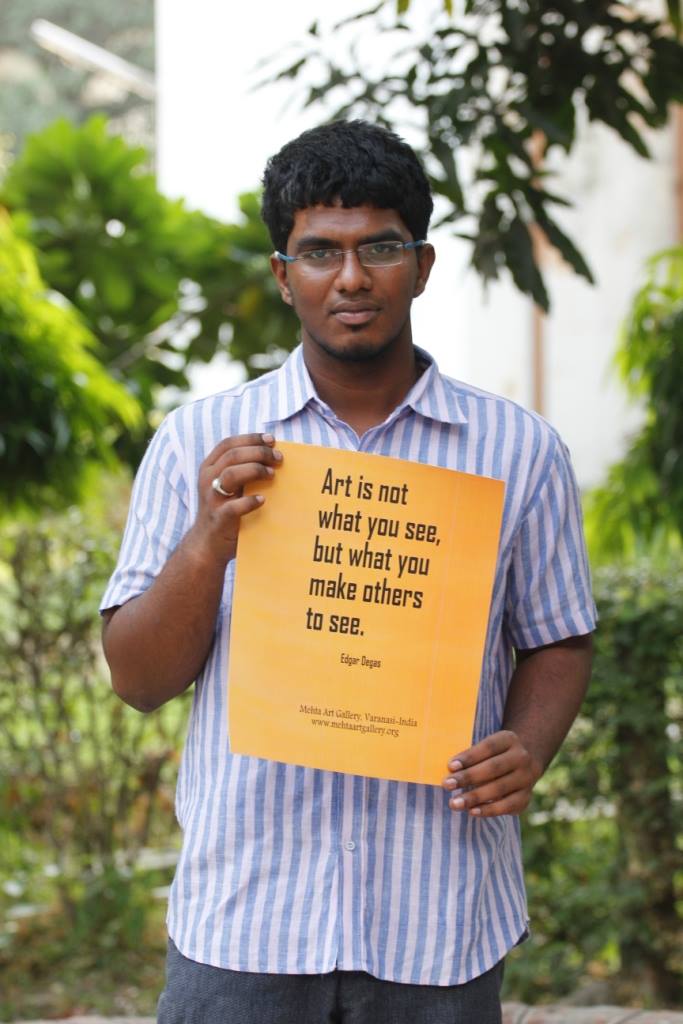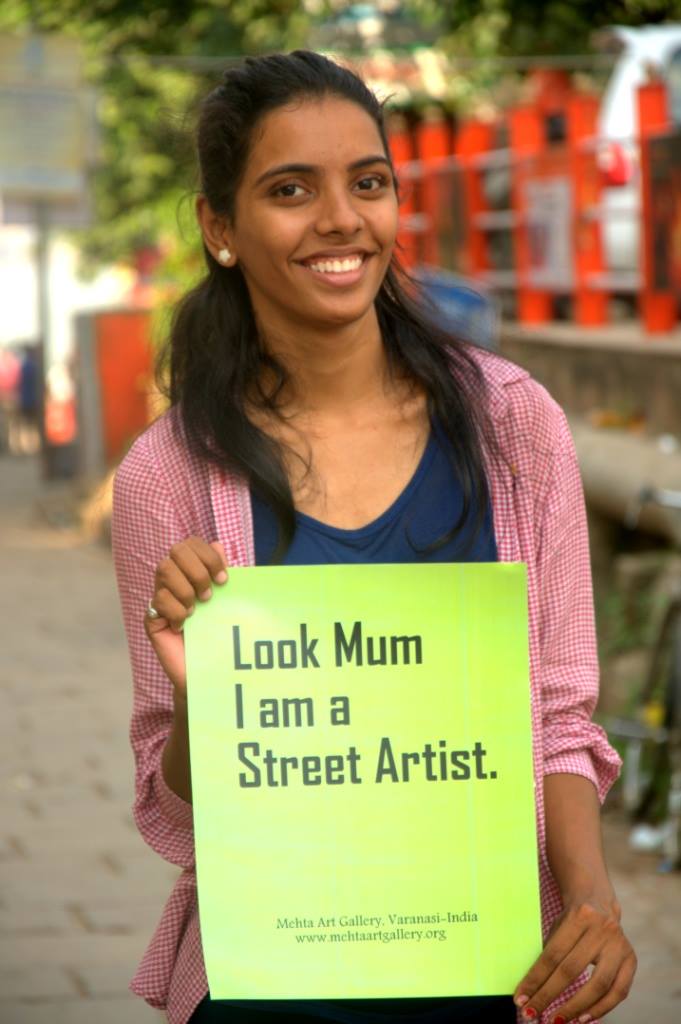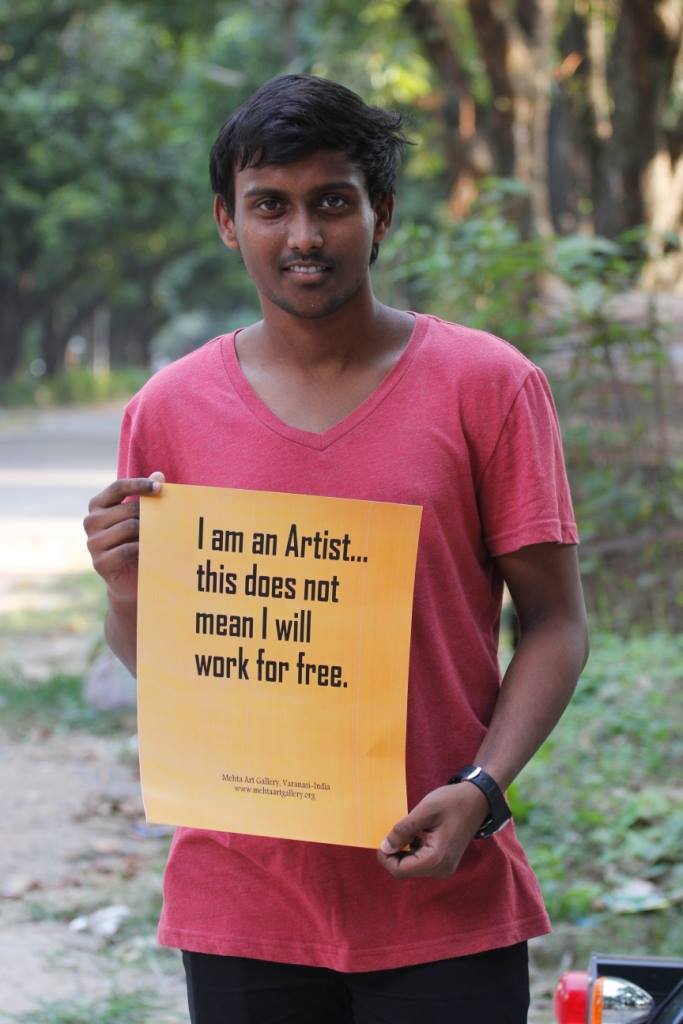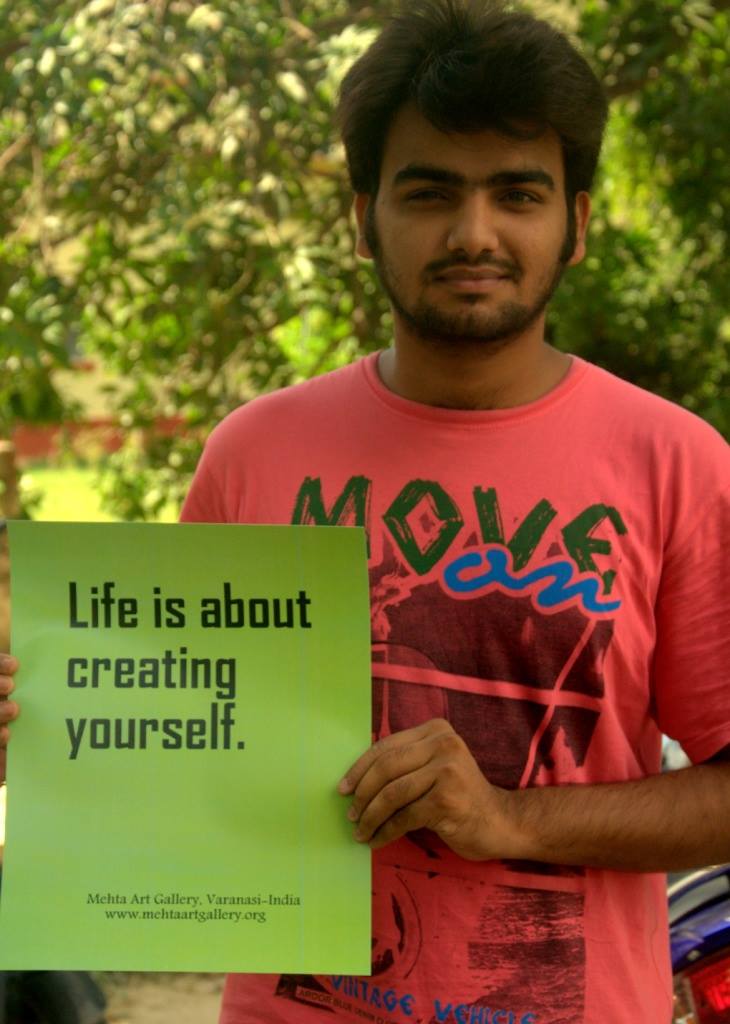
Visit Mehta Art Gallery

Varanasi Witnesses a Literary Celebration Rooted in Education, Journalism, and Social Values
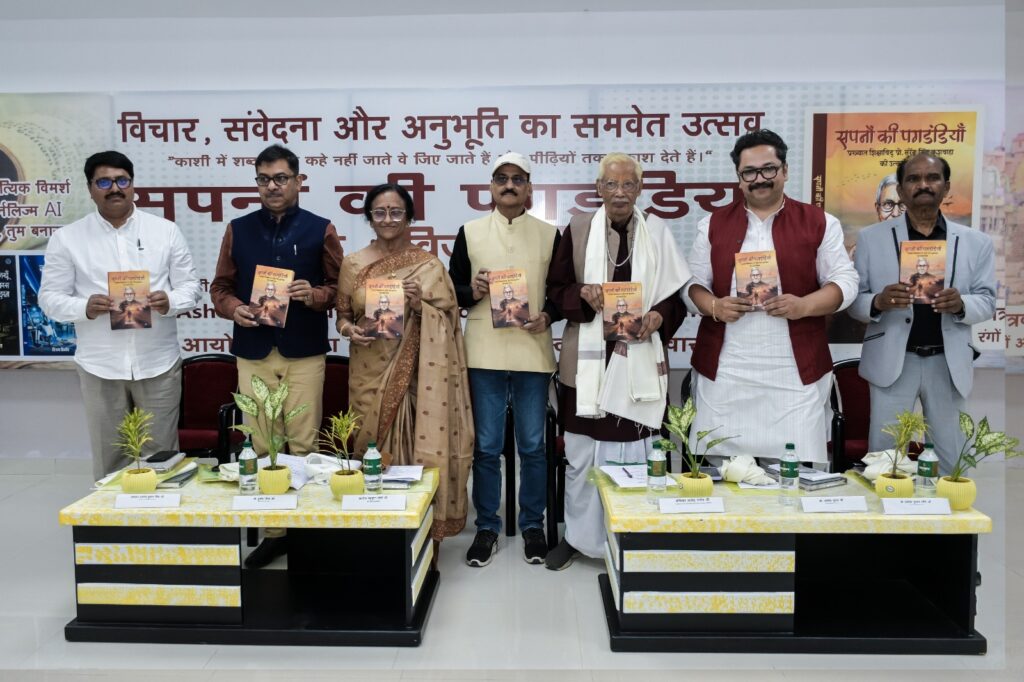
On 17 February 2026, the culturally vibrant city of Varanasi once again reaffirmed its deep relationship with literature, intellectual dialogue, and social thought as senior journalist and author Vijay Vineet unveiled his latest book Sapno Ki Pagdandiyan at the Ashoka Institute of Technology and Management. The event brought together educators, writers, journalists, academicians, and literary enthusiasts to celebrate not merely the launch of a book, but the documentation of a life devoted to education, perseverance, and societal transformation.
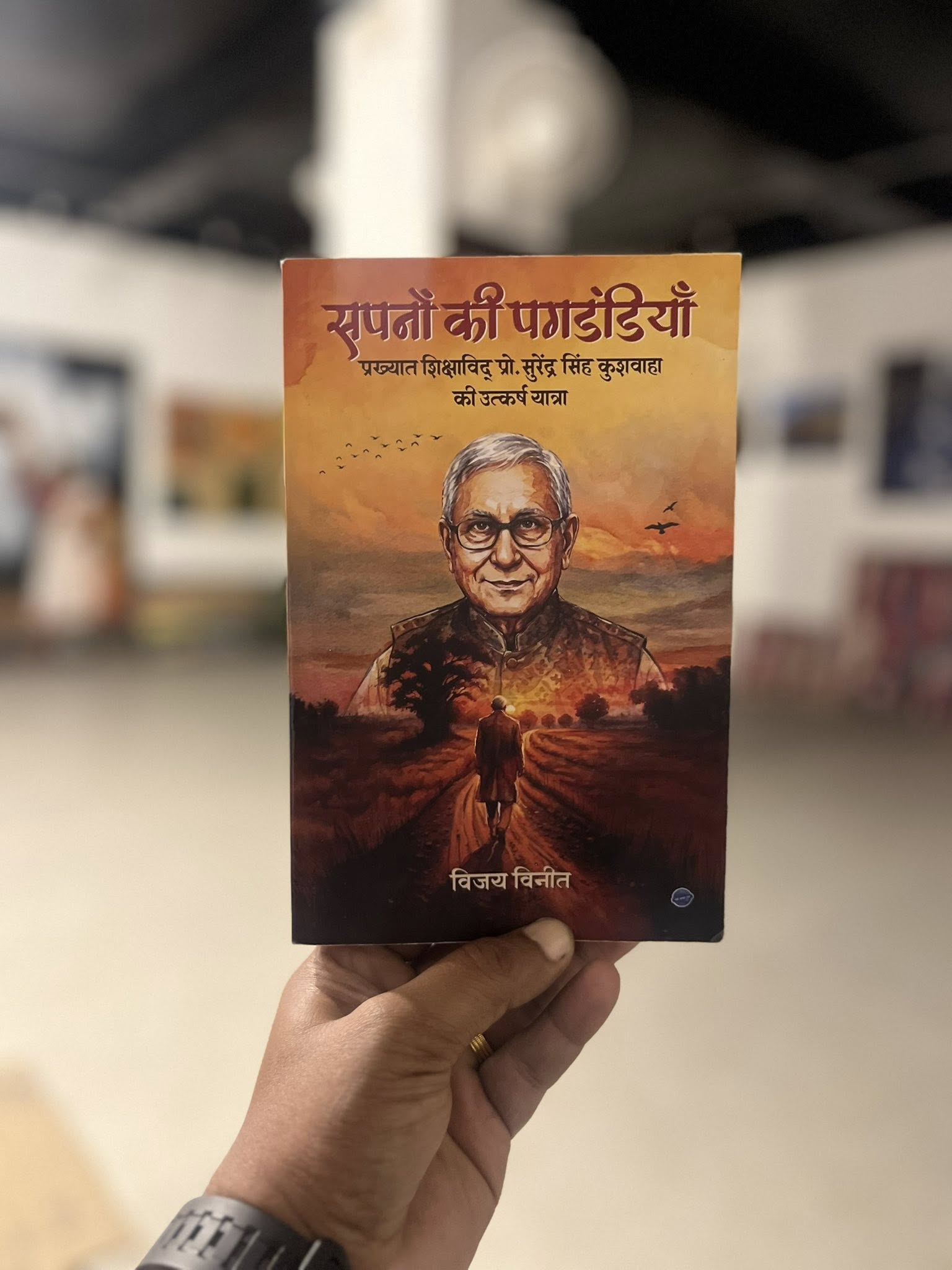
The book narrates the remarkable life journey of renowned educationist Professor Surendra Singh Kushwaha, presenting his struggles, achievements, ideals, and contributions in a literary form that bridges biography with inspiration. More than a personal narrative, the work reflects the evolving educational landscape of India and the role of committed individuals who shaped it through vision and dedication.

The ceremony was attended by eminent personalities from academia and journalism, and the gathering reflected the intellectual ethos of Varanasi, a city where literature and learning have flourished for centuries.


A Writer Known for Courageous Journalism and Sensitive Storytelling

Author Vijay Vineet is widely recognized for his fearless journalism and socially conscious writing. His literary and journalistic journey has been shaped by decades of experience across several major cities including Lucknow, Bareilly, Meerut, and ultimately Varanasi, which became his permanent intellectual home.

Beginning his journey from rural roots near Chakia in Uttar Pradesh, a region closely associated with literary traditions, Vineet developed a writing style grounded in observation, emotional depth, and authenticity. His professional association with prominent newspapers such as Dainik Jagran, Amar Ujala, Hindustan, and Jansandesh Times helped shape his reputation as a journalist who balanced courage with responsibility.
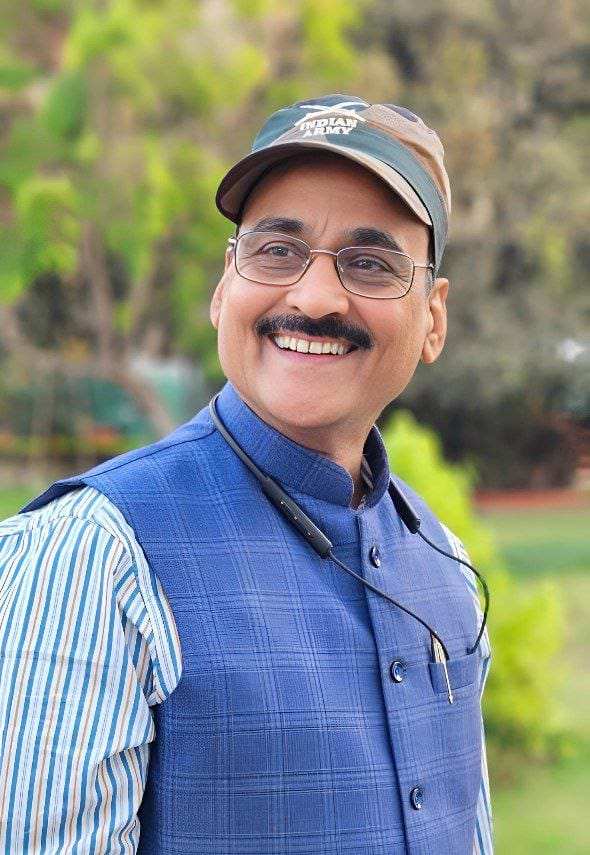
His writing gained wider recognition during the COVID-19 pandemic when his work Banaras Lockdown documented the social realities of the crisis. The book became an important testimony of the period and earned appreciation for spreading awareness during a time dominated by uncertainty and fear. His efforts were acknowledged internationally when he was included among selected global personalities recognized for spreading informational awareness during the pandemic and was honored with the Corona Information Heroes recognition.

Over the years, Vijay Vineet has authored several widely appreciated works including Batkahi Banaras Ki, Banarasi Ghat Ka Ziddi Ishq, Main Ishq Likhu, Tum Banaras Samajhna, and Journalism AI. Each of these writings reflects his deep connection with society, culture, and human emotion.

In Sapno Ki Pagdandiyan, Vineet moves beyond reportage into reflective storytelling, presenting a deeply human portrait of a scholar whose life became a pathway for others.


The Essence of the Book: Dreams Walked Through Determination

The title Sapno Ki Pagdandiyan, meaning “Footpaths of Dreams,” itself carries symbolic meaning. A pagdandi, a narrow pathway formed through repeated footsteps, represents journeys created not through shortcuts but through persistence.
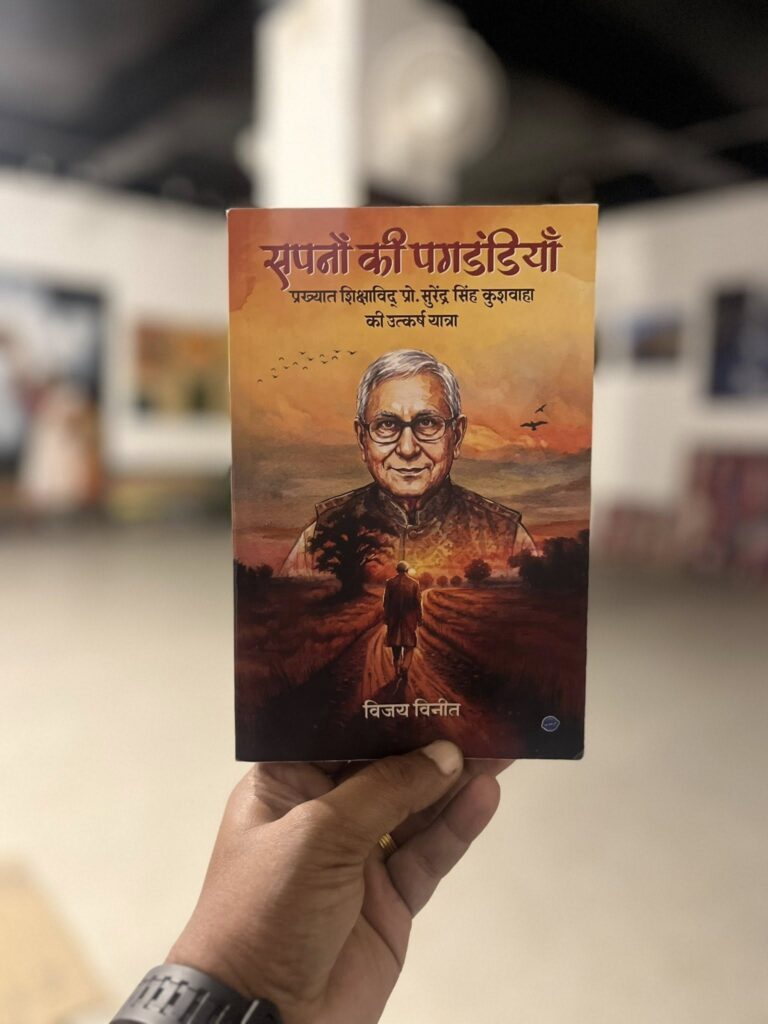
Professor Surendra Singh Kushwaha’s life embodies precisely such a journey.

The book traces his evolution from humble beginnings to becoming a respected academic leader and education reformer. Rather than presenting achievements as isolated milestones, the author situates them within the emotional and social realities that shaped his thinking.

Readers encounter a narrative filled with determination, personal discipline, and a deep commitment to education as a transformative force.

Professor Kushwaha’s career reflects an unwavering dedication to students, language development, and academic reform. During his tenure in leadership roles including university administration, he worked to strengthen educational standards while also encouraging regional languages and intellectual inclusivity.

The book highlights how education, when guided by vision and empathy, becomes more than institutional instruction, it becomes a social responsibility.


A Meaningful Launch at Ashoka Institute of Technology and Management

The launch ceremony held at the auditorium of Ashoka Institute of Technology and Management provided a fitting backdrop for the unveiling of a work centered on education.

The event witnessed participation from prominent academicians and writers who reflected on both the author’s literary contribution and Professor Kushwaha’s legacy.

Chief Guest Dr. Rita Bahuguna Joshi emphasized the importance of socially relevant literature. In her address, she stated that writing becomes meaningful only when it contributes to society and creates real impact among readers.

She described the book as an inspiring narrative of struggle, commitment, and devotion toward education.

According to her remarks, Professor Kushwaha’s leadership as Vice Chancellor played a significant role in shaping academic environments and providing new direction to education and regional language development. She also noted his active engagement with students and his dedication toward building academic culture beyond administrative responsibilities.

Her speech resonated strongly with the audience, reinforcing the idea that literature has the power to preserve living histories.


Voices from Journalism and Academia

The ceremony was enriched by thoughtful reflections from several distinguished speakers.

Senior editor Sudhir Mishra from Navbharat Times, senior writer Vyomesh Shukla, and Professor Manoj Kumar Singh of Banaras Hindu University were among those who appreciated the book’s literary sensitivity and documentary value.

Adding a deeply human dimension to the discussion, renowned social activist and founder of the People’s Vigilance Committee on Human Rights (PVCHR), Lenin Raghuvanshi, shared a moving reflection during his address. Speaking about Professor Surendra Singh Kushwaha, he described him as a personality whose life and thought process were guided by honesty, integrity, and moral courage. According to Raghuvanshi, Professor Kushwaha represented a rare blend of intellectual discipline and ethical commitment, a scholar whose decisions were shaped not by position or authority but by conscience.

He emphasized that in times when institutions increasingly struggle with questions of credibility and public trust, individuals like Professor Kushwaha become sources of inspiration. Their commitment to fairness, transparency, and human sensitivity offers direction not only to students and educators but also to society at large. Raghuvanshi noted that true education is reflected in character, and Professor Kushwaha’s life demonstrated how integrity can become the strongest form of leadership.

His remarks added an important social perspective to the literary gathering, reminding the audience that education, journalism, and social responsibility ultimately share a common purpose, strengthening humanity through truth and compassion.

Speakers collectively described Vijay Vineet as a sensitive yet fearless journalist whose pen does not create noise but communicates truth with dignity. They emphasized that in an era dominated by rapid information flow, meaningful storytelling rooted in human experience becomes increasingly important.The narrative style of the book, blending literary expression with factual authenticity, was widely praised for making academic biography accessible to general readers. The program concluded with a formal vote of thanks delivered by Sonam Upadhyay, while Ashok Anand conducted the proceedings with warmth and professionalism. The atmosphere throughout the event reflected intellectual celebration rather than ceremonial formality, a gathering where dialogue mattered as much as recognition.


Literature as Social Documentation

One of the most remarkable aspects of Sapno Ki Pagdandiyan lies in its ability to merge biography with social history.

Professor Kushwaha’s life journey unfolds alongside broader changes in Indian education and society.

From challenges faced in early academic environments to administrative leadership responsibilities, the narrative reveals how individual determination intersects with institutional transformation.

The author does not portray success as effortless. Instead, he explores the patience required to build credibility and the resilience necessary to sustain ideals within complex systems.

Readers witness the struggles faced by educators working within bureaucratic structures, yet continuing to prioritize students and academic integrity.

This realism gives the book emotional authenticity.


A Portrait of Education Rooted in Humanity

Education in India has often been discussed through policy debates and institutional reforms. However, stories of individuals who quietly shaped educational ecosystems rarely receive literary attention.

By focusing on Professor Kushwaha’s journey, Vijay Vineet restores this balance.

The book portrays an educator deeply invested in nurturing intellectual curiosity among students.

His commitment extended beyond classrooms into cultural and linguistic encouragement, recognizing education as a bridge connecting tradition and modernity.

Through anecdotes and reflective commentary, readers encounter a personality driven by humility rather than authority.

The narrative emphasizes how leadership grounded in empathy fosters lasting institutional respect.


Language, Culture, and Regional Identity

Another significant dimension explored in the book is the importance of regional language development.

Speakers at the launch highlighted Professor Kushwaha’s efforts in encouraging linguistic diversity and strengthening academic discourse through regional languages.

In a country as linguistically rich as India, such initiatives contribute to inclusivity and accessibility in education.

The book subtly reflects how cultural identity and academic excellence need not exist in opposition.

Instead, they can strengthen each other when guided by thoughtful leadership.


Vijay Vineet’s Literary Style

The success of Sapno Ki Pagdandiyan also lies in the author’s distinctive writing style.

Vineet approaches biography with the sensitivity of a storyteller and the discipline of a journalist.

  • His prose avoids exaggeration while maintaining emotional depth.
  • Rather than glorifying achievements, he explores motivations and dilemmas.
  • This balanced narrative approach allows readers to connect with Professor Kushwaha not merely as an administrator or scholar but as a human being navigating responsibilities and aspirations.
  • The literary tone carries warmth and reflection, echoing the cultural sensibility of Banaras itself, contemplative, layered, and deeply humane.

Varanasi: The Cultural Context

The launch taking place in Varanasi added symbolic significance.

  • The city has long been associated with intellectual traditions, spiritual inquiry, and literary creativity.
  • From ancient philosophical debates to modern journalism and art movements, Banaras has nurtured thinkers who shaped Indian cultural consciousness.
  • Hosting the launch within this environment underscored the book’s philosophical undertones.
  • Like the city’s winding lanes and ghats, the metaphor of “pagdandiyan” suggests journeys shaped gradually through experience.

Why the Book Matters Today

  • In contemporary times dominated by rapid digital communication and fleeting attention spans, reflective biographies hold special relevance.
  • They remind readers that meaningful achievements emerge through patience rather than immediacy.
  • Professor Kushwaha’s journey demonstrates how dedication to education creates generational impact.
  • Students influenced by committed educators continue to shape society long after classrooms fall silent.
  • The book therefore becomes more than remembrance.
  • It becomes guidance.
  • For young readers, it offers motivation.
  • For educators, it offers recognition.
  • For society, it offers reflection.

Reception and Expectations

The enthusiastic response at the launch indicates strong interest among readers and academicians.

Many attendees described the book as both inspiring and necessary, especially for younger generations seeking direction amid changing educational landscapes.

Literary observers believe the book will find readership beyond academic circles because of its accessible storytelling and emotional resonance.

Its blend of journalism, literature, and biography creates a narrative capable of engaging diverse audiences.


Conclusion: Footpaths that Become Roads

Sapno Ki Pagdandiyan ultimately celebrates the idea that extraordinary journeys often begin quietly.

Professor Surendra Singh Kushwaha’s life illustrates how perseverance, discipline, and commitment to knowledge can shape institutions and inspire countless individuals.

Through sensitive writing and careful documentation, Vijay Vineet transforms biography into reflection.

The launch at Ashoka Institute of Technology and Management was therefore not simply a publication event.

It was a tribute to education.

A tribute to journalism.

And above all, a tribute to the power of dreams walked step by step.

Like the narrow footpaths suggested in its title, the book reminds readers that when dedication guides each step, even the smallest path can eventually lead to a wide and meaningful road.
Amit Kumar Mehta: Artistic Style and Emotional Language

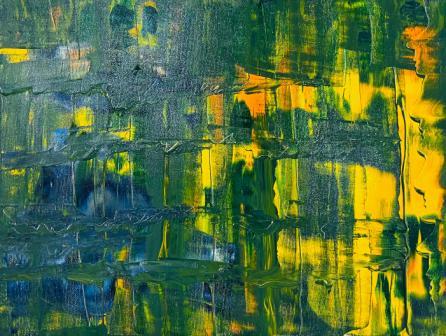
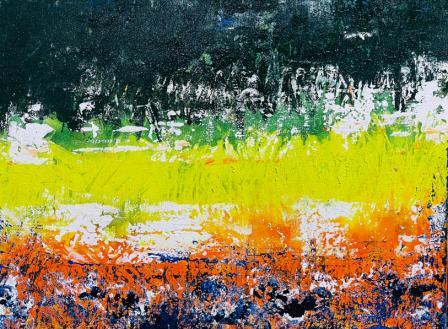
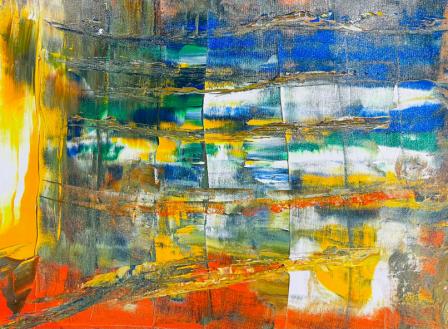
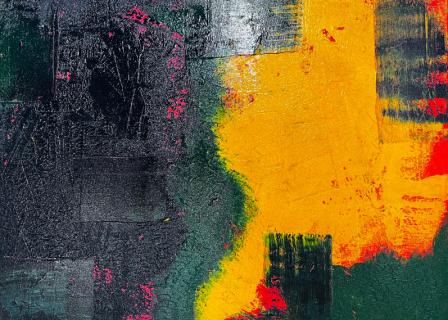
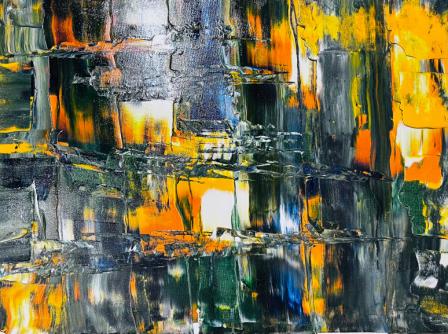
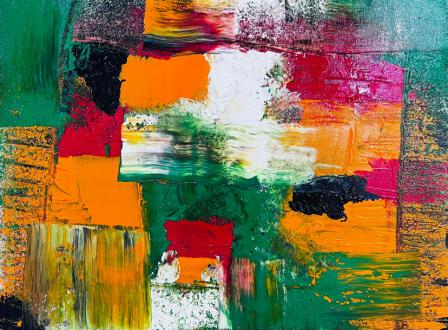
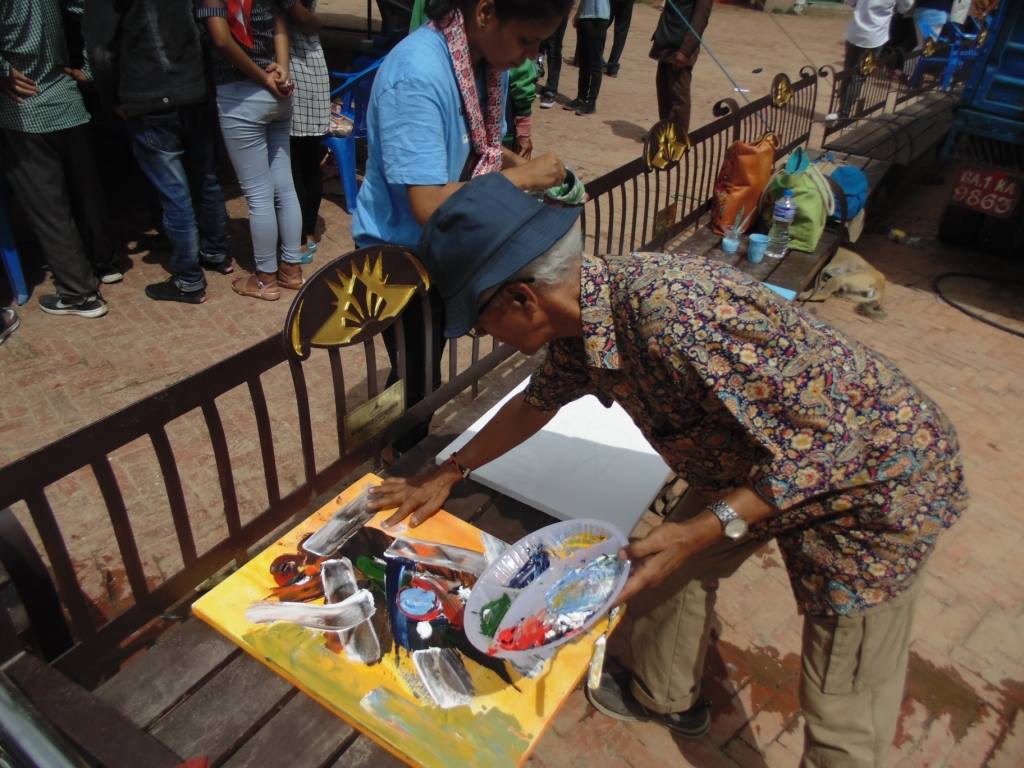
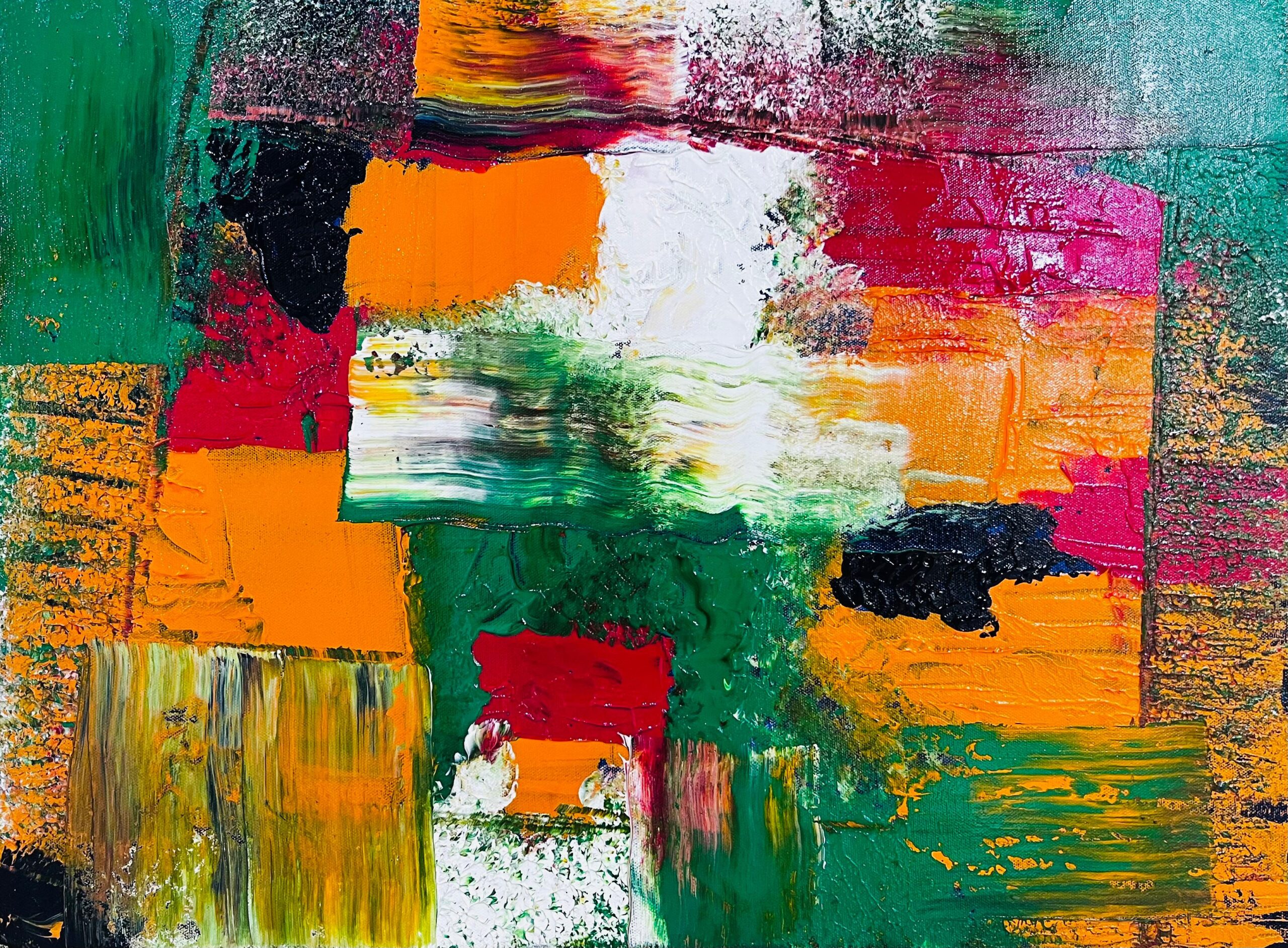
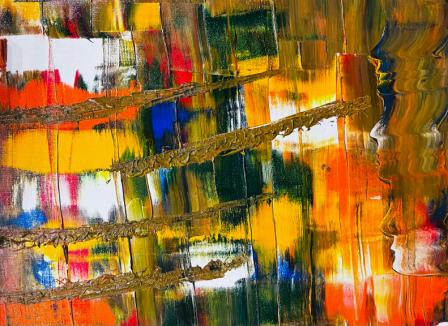
Amit Kumar Mehta’s artistic practice emerges from a deeply introspective space where emotion, inner turbulence, silent reflection, and divine consciousness merge into visual form. His work is not merely painted; it is felt. Each canvas becomes a field of lived experience, where thoughts running through the mind transform into color, texture, and movement. His abstract impressions are driven by emotion rather than imitation, by instinct rather than structure.

Color plays a central role in his expression. Mehta uses bold yellows, intense reds, deep blues, layered greens, and powerful blacks not as decorative elements, but as emotional frequencies. Yellow often radiates hope, divine light, and awakening. Red carries passion, struggle, and the pulse of human existence. Blues and greens introduce introspection, calmness, and spiritual depth. Black becomes both void and foundation, representing silence, uncertainty, and the unknown spaces of the mind. These colors collide, overlap, and dissolve into one another, much like human emotions that rarely exist in isolation.
Texture is another defining characteristic of his work. Thick, layered strokes, scraped surfaces, and horizontal or vertical bands suggest time, memory, and the layered structure of society. His technique often involves building and breaking, adding paint, then removing parts of it—symbolizing how human life is shaped through experience, loss, and transformation. The surface of his canvas reflects the complexity of human consciousness: rough yet luminous, chaotic yet balanced.
A recurring element in Amit Kumar Mehta’s work is the subtle or prominent presence of human faces. These faces are not portrait-like or realistic; they are impressions,emerging forms that appear from abstraction. They represent identity within society, the silent observer, the seeker, the thinker. Sometimes multiple profiles appear together, suggesting dialogue, conflict, coexistence, or collective consciousness. These layered faces symbolize how individuals exist within social structures, shaped by culture, belief, and environment.
His compositions often resemble architectural forms or fragmented cityscapes. Structured lines and blocks evoke the framework of world society, systems, institutions, boundaries, and divisions. Yet within these rigid structures, fluid colors flow freely, reflecting the unstoppable nature of human emotion and spirit. This contrast between structure and spontaneity defines his artistic voice. The world may impose order, but the human soul remains dynamic.

Divinity is another subtle but powerful thread in his work. Rather than depicting literal religious imagery, Mehta conveys the divine through light, color vibrations, and symbolic abstraction. Spiritual energy appears as glowing accents or silent radiance within darkness, suggesting that the sacred exists within human experience itself.

Ultimately, Amit Kumar Mehta’s style can be described as emotional abstraction rooted in human life and societal reflection. His art does not seek to provide answers; it invites contemplation. Each painting becomes a mirror, reflecting inner feelings, collective consciousness, and the eternal dialogue between the individual and the world.

Introduction: Leadership Beyond Business
In the modern world, success is no longer measured only by financial growth. True progress is defined by responsibility, toward the environment, toward society, and toward future generations. Few leaders embody this balanced vision as distinctly as Mr. Prashant Gupta, Managing Director of Matri Shree Techno Industries. Guided by sustainability, innovation, and impact, Mr. Gupta represents a new wave of Indian entrepreneurship where technology, ethics, and culture coexist in harmony.

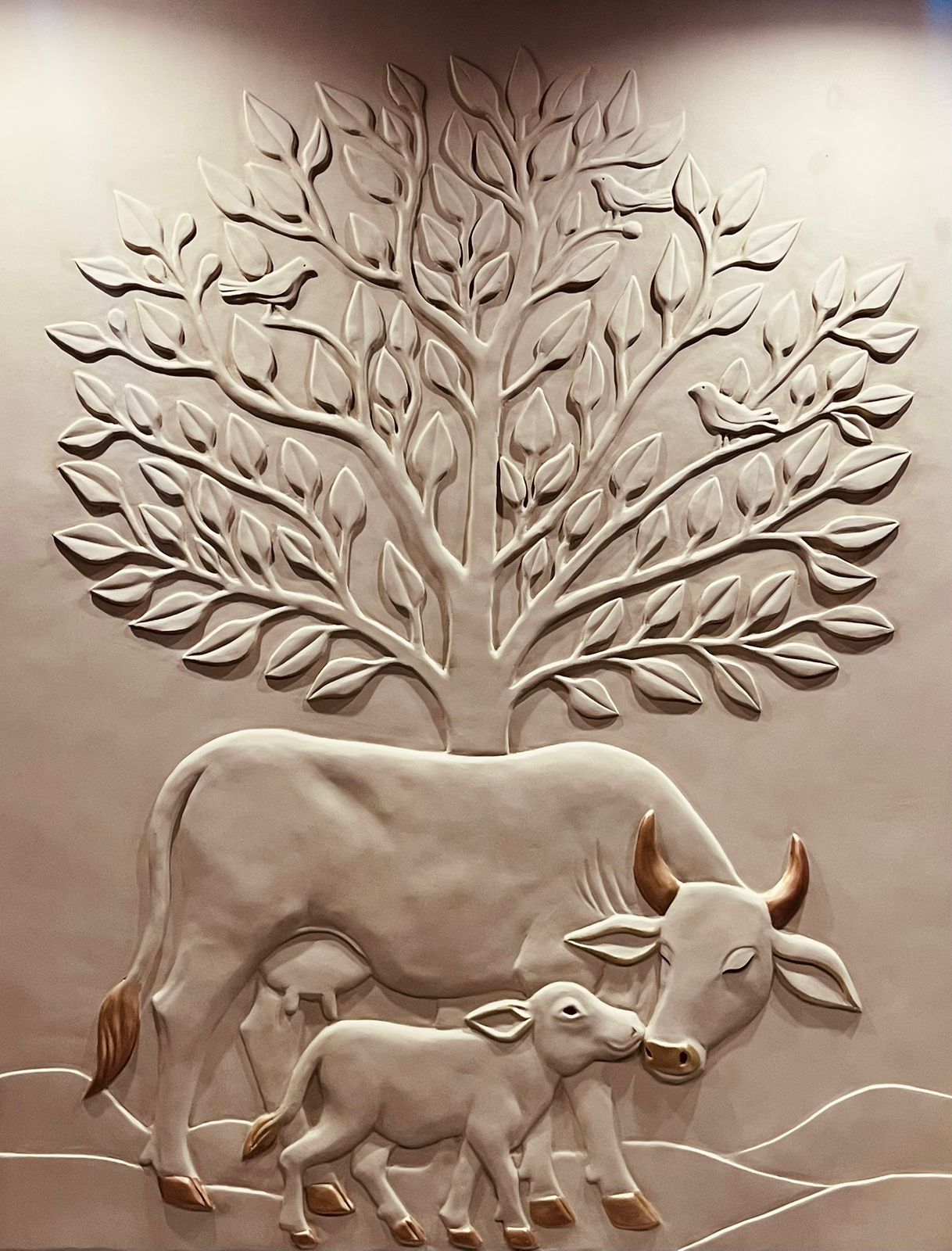
Under his leadership, Matri Shree Techno Industries has emerged as a forward-looking enterprise focused on renewable energy, clean solutions, and customer-centric development. Yet, beyond technology and infrastructure, his vision extends into human expression and cultural continuity. This belief recently materialized in an exceptional collaboration with Mehta Art Gallery, Varanasi, resulting in a hand-crafted cement mural at the entrance of his newly constructed residence, a symbolic union of sustainable thought and timeless art.


Mr. Prashant Gupta: A Mindset Shaped by Sustainability

Mr. Prashant Gupta’s leadership philosophy is founded on a simple conviction:
Growth must never come at the cost of nature or society.

Rather than treating sustainability as an obligation, he treats it as opportunity, an opportunity to innovate, to lead responsibly, and to create solutions that endure. His decision-making consistently reflects three principles:

  • Sustainable design and development
  • Adoption of innovative and clean technologies
  • Creation of long-term value for customers and communities

This approach has enabled Matri Shree Techno Industries to contribute meaningfully to renewable energy adoption, environmentally conscious infrastructure, and modern engineering practices. Mr. Gupta’s foresight lies in recognizing that the future belongs to enterprises that respect ecological balance while advancing economic growth.


Matri Shree Techno Industries: Innovation with Responsibility

Founded on the belief that industry must evolve alongside environmental awareness, Matri Shree Techno Industries focuses on clean and sustainable development across sectors. The group’s initiatives revolve around:

  • Renewable and alternative energy solutions
  • Energy-efficient and eco-friendly infrastructure
  • Clean engineering and resource-optimized systems
  • Customer-focused project execution

Each project undertaken by the group aims to reduce environmental impact while improving functional performance and durability. This balance of efficiency and ethics defines the group’s identity, a company building tomorrow’s world with responsibility at its core.

Customer value remains central to every venture. By delivering long-lasting, low-maintenance, and forward-compatible solutions, Matri Shree Techno Industries ensures that its clients receive benefits that extend far beyond initial investment.


Sustainability Beyond Technology: Honoring Culture and Creativity

For Mr. Gupta, sustainability is not limited to technology or energy systems. A truly sustainable society also preserves its culture, heritage, and artistic traditions. This understanding inspired him to integrate meaningful art into architectural space, not as ornamentation, but as philosophy carved into structure.

This vision led to collaboration with Mehta Art Gallery, a Varanasi-based creative studio known for blending traditional Indian symbolism with contemporary design execution. The goal was to create an entrance that would express values, harmony with nature, respect for life, and pride in cultural roots, all while maintaining modern elegance.


Mehta Art Gallery: Crafting Stories in Cement

Located in the cultural heart of Varanasi, Mehta Art Gallery specializes in sculpted murals, relief artworks, and architectural artistic integration. Their team of skilled artists transforms blank walls into narrative surfaces where material, texture, and form communicate emotion and identity.

Their expertise in cement relief murals made them the ideal partner for this project. Cement, as a medium, offers permanence, durability, and minimal maintenance, aligning perfectly with sustainable building principles. Rather than applying art onto space, Mehta Art Gallery integrates art into architecture itself.


The Entrance Concept: A Gateway with Meaning

An entrance is the soul of a home. It introduces the visitor to the spirit of the space. Mr. Gupta envisioned an entrance that would be:

  • Rooted in Indian cultural symbolism
  • Modern in aesthetic expression
  • Durable and eco-conscious in material use
  • Elegant without excessive ornamentation
  • Timeless rather than trend-driven

The outcome was a hand-sculpted cement mural, seamlessly embedded into the entrance wall, a statement piece reflecting both artistic excellence and sustainable sensibility.


The Divine Cow and Tree of Life: Symbolism in Form

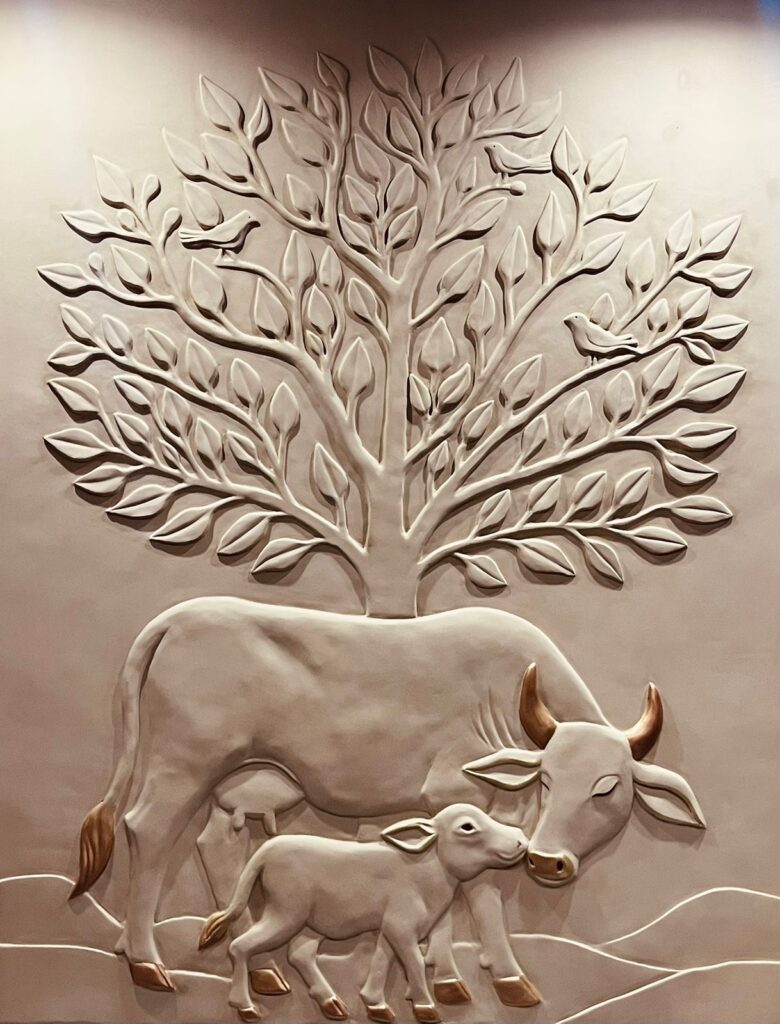
At the heart of the mural stands a serene divine cow with her calf, positioned beneath a flourishing tree of life. This composition draws from deeply respected Indian symbolism, yet is expressed in a contemporary sculptural style.

In Indian philosophy, the cow represents:

  • Nurturing and generosity
  • Purity and harmony
  • The sustaining energy of life

The calf signifies continuity and care for future generations, a reminder that progress must always protect what comes next.

Above them, the tree spreads its branches and leaves, symbolizing:

  • Nature’s abundance
  • Interconnected life systems
  • Growth, renewal, and balance

Together, these elements narrate a single message:

Human progress must coexist with nature, not dominate it.

This philosophy mirrors the very ethos of Matri Shree Group, renewable energy, clean solutions, and impact-oriented development.


Thought Behind the Artwork

The mural was conceived not merely as decoration but as expression of belief. The objective was to craft an artwork that communicates silently yet powerfully:

  • Respect for all living beings
  • Harmony between humanity and environment
  • Cultural rootedness in modern living
  • Enduring craftsmanship over disposable trends

The earthy monochrome finish allows light and shadow to animate the relief throughout the day, giving the mural a living presence. Soft contours and gentle expressions evoke calmness and reverence, creating an entrance that welcomes with warmth and meaning.


Artistic Execution: Handcrafted Excellence

The creation process was a close collaboration between Mr. Gupta’s vision and Mehta Art Gallery’s craftsmanship. From concept sketches to on-site sculpting, every stage involved thoughtful dialogue between architecture, symbolism, and material science.

Each branch, leaf, curve, and texture was hand-shaped by skilled artisans. This direct sculpting process preserves authenticity and human touch, a quality increasingly rare in machine-produced décor.

The finished mural stands today as a seamless part of the residence, not an attached artwork, but an architectural identity.


Sustainable Luxury: A New Definition of Elegance

Modern luxury is evolving. It is no longer defined by extravagance alone, but by meaning, longevity, and responsibility. The entrance mural embodies this new definition:

  • Long-lasting material with minimal maintenance
  • Timeless design immune to changing trends
  • Cultural authenticity
  • Emotional and aesthetic richness

This is sustainable luxury, where beauty is permanent, purposeful, and mindful of environmental impact.


Supporting Local Art and Cultural Continuity

Beyond environmental consciousness, the project also reflects social sustainability. By commissioning Mehta Art Gallery, Mr. Gupta directly supported:

  • Local artisans and sculptors
  • Preservation of traditional craftsmanship
  • Creative employment in Varanasi
  • Continuation of regional artistic heritage

Thus, the project became not only a personal artistic expression but also a contribution to sustaining India’s living art traditions.


Customer Value in Practice

Across all Matri Shree Group ventures, long-term customer value is a guiding principle. The mural project reflects this same philosophy by offering:

  • Permanent artistic identity
  • Increased aesthetic and property value
  • Minimal maintenance cost
  • Unique personalization

It is an investment in lasting beauty rather than short-term decoration, reinforcing the group’s commitment to delivering enduring value.


Clean Solutions and the Road Ahead

While this article highlights an artistic collaboration, the foundation remains Matri Shree Techno Industries’s larger mission, advancing renewable energy and clean technologies. Under Mr. Prashant Gupta’s leadership, the group continues to work toward:

  • Energy-efficient infrastructure
  • Sustainable resource utilization
  • Reduced environmental footprints
  • Responsible modern development

The mural stands as a symbolic reflection of these initiatives, a reminder that sustainability is not only engineered but also felt and lived.


Varanasi: Where Tradition Inspires Modern Vision

Varanasi, a city of timeless heritage, serves as the perfect setting for this artistic creation. Here, ancient tradition and living culture coexist. The mural subtly absorbs this spirit, expressing reverence for heritage while embracing contemporary design sensibility.

It mirrors Mr. Gupta’s professional philosophy, respecting roots while shaping the future.


Conclusion: When Vision Becomes Legacy

In a rapidly changing world, creations that carry meaning endure the longest. The cement mural at Mr. Prashant Gupta’s residence is more than an entrance feature, it is a statement of values.

It unites:

  • A leader’s sustainable vision
  • A company’s innovative mission
  • An artist’s cultural sensitivity
  • A city’s timeless soul

Through collaboration between Matri Shree Techno Industries and Mehta Art Gallery, architecture becomes philosophy, and design becomes legacy.

The future is clean. The future is sustainable. The future is beautifully meaningful.


About Mehta Art Gallery

Mehta Art Gallery, Varanasi specializes in handcrafted cement murals, sculptural reliefs, paintings, and architectural artistic integration. The gallery creates unique artistic identities for premium residential, commercial, and hospitality spaces across India.


About Matri Shree Techno Industries

Matri Shree Techno Industries is dedicated to renewable energy, clean solutions, and sustainable infrastructure. Guided by Managing Director Mr. Prashant Gupta, the group focuses on innovation, environmental responsibility, and long-term customer value.


Introduction: The Silent Betrayal of Broken Commitments

In every phase of life, personal, professional, social, or creative, we encounter people who speak sweetly, promise sincerely, and appear supportive. Yet, as time unfolds, their actions contradict their words. Commitments are rewritten, intentions shift, and behind the friendly smile, a different game is being played. Such individuals are not true well-wishers. They see people as instruments, not as humans with emotions, values, or dignity. They engage not with hearts, but with strategies.

This behavior is more common than we like to admit. It silently damages trust, fractures relationships, and disturbs inner peace. But understanding this nature is the first step toward emotional maturity, self-protection, and spiritual growth. Because in truth, no deception lasts forever. Every act is witnessed, by society, by time, and by the universal law that rewards and corrects all.

This article explores the psychology behind people who change words and commitments, the mindset of those who use others as products, the illusion they live in, and the inevitable reality they face. More importantly, it offers clarity on how to recognize them, protect yourself, and rise beyond their influence.

1. The Nature of Changing Words: When Promises Have No Roots

Words are powerful. They build trust, shape relationships, and carry emotional weight. But for some individuals, words are merely tools, flexible, adjustable, and disposable. They promise today, deny tomorrow, and justify the next day.

Such people lack inner alignment. Their external speech is not connected to inner truth. They speak according to convenience, not conviction. This inconsistency creates confusion for others, but in reality, it reveals a deeper issue, a fragile identity that adapts to every situation for self-gain.

Changing words is not always a sign of growth. Growth refines commitments; manipulation rewrites them. The difference lies in intention. A genuine person may change decisions due to wisdom or circumstance, but they communicate honestly. A manipulator changes narratives to escape accountability.

Over time, repeated inconsistency erodes credibility. People may tolerate once or twice, but eventually trust collapses. And when trust falls, no amount of clever speech can rebuild it.

2. Behind the Curtain: Playing a Different Game

Some people live in dual realities. In front of you, they present warmth, agreement, admiration, or support. Behind you, they calculate advantage, discuss alternatives, or act against the very promises they made.

This behavior is not accidental. It is a pattern driven by insecurity, ambition, or emotional emptiness. They fear losing control, so they keep multiple options alive. They avoid sincerity because sincerity demands responsibility.

To them, relationships are transactions. Every conversation is an opportunity. Every person is a resource. Every connection has a potential benefit. This mindset is dangerous because it lacks empathy. It does not ask, “How will this affect others?” It asks only, “What do I gain?”

Eventually, such people become prisoners of their own strategies. They must continuously maintain lies, adjust masks, and manipulate perceptions. It becomes exhausting, and visible.

3. When People Are Treated as Products

Perhaps the most painful experience is realizing that someone never valued you as a person, only as a utility.

They observe your strengths, network, skills, status, or influence. They attach themselves to your potential. When they speak kindly, it is an investment. When they support you, it is strategic. And when they feel they have extracted enough benefit, they move on.

This transactional behavior reduces human relationships to marketplaces. Love becomes negotiation. Friendship becomes networking. Loyalty becomes temporary convenience.

But humans are not commodities. The heart recognizes authenticity instinctively. And when someone feels used, a silent wall rises. Once emotional trust is broken, no future association carries warmth, only formal distance.

Ironically, those who treat others as products eventually find themselves isolated. Because once people sense manipulation, they withdraw. And when the manipulator needs genuine support, no one stands beside them.

4. The Illusion They Live In

Such individuals believe they are clever. They think they are ahead of everyone. They believe their strategies remain unseen. But life has a remarkable way of revealing truth over time.

Deception requires constant energy. It demands memory, performance, and maintenance. Truth, on the other hand, simply exists. Sooner or later, inconsistencies appear. One story contradicts another. One promise fails to match action. One mask slips.

When this happens, the illusion collapses. People begin to see clearly. Respect fades. Reputation declines. And what once looked like intelligence is exposed as insecurity.

They may continue pretending, but the world around them changes. Invitations reduce. Trust evaporates. Opportunities shrink. And they wonder why success feels hollow.

The tragedy is that they could have chosen sincerity from the beginning. But blinded by short-term advantage, they traded authenticity for illusion.

5. Everyone Is Answerable to a Higher Order

There is a profound truth in life: No one is beyond observation. Whether you call it conscience, karma, destiny, divine law, or universal balance, every action returns to its source.

Those who believe they control others forget one thing, they themselves are also under observation. By people. By society. By time. And by forces beyond human systems.

No manipulation escapes consequence. No betrayal goes unnoticed forever. No deception remains hidden indefinitely.

Life has its own accounting system. It may take days, months, or years, but balance is restored. Those who hurt others emotionally eventually taste loneliness. Those who misuse trust face mistrust. Those who play behind backs find no one in front of them when they fall.

This is not revenge. It is equilibrium.

6. The Day the Joke Becomes Reality

One day, the manipulator looks around and realizes something strange, nobody truly stands with them. Smiles are formal. Conversations are cautious. Invitations are rare. Respect is artificial.

They have become a character, not a companion. A presence, not a connection. A joke in silent circles, not because people laugh openly, but because no one takes their words seriously anymore.

When a person’s credibility dies, their voice loses power. Even truth spoken by them is doubted. This is the ultimate price of habitual deception.

And in that moment, they understand, the game they played has ended. But by then, rebuilding trust becomes the hardest journey of all.

7. Recognizing Such People Early

Wisdom lies in observation. Certain signs reveal manipulative behavior:

Frequent change in statements Promises without follow-through Excessive flattery with hidden expectations Secretive communication Avoidance of accountability Sudden withdrawal when benefit ends

Recognizing these patterns early saves emotional energy. Not everyone who smiles is a friend. Not every agreement is genuine. Awareness is self-protection.

8. How to Protect Yourself

Protection does not mean bitterness. It means clarity.

Trust actions more than words Maintain healthy emotional boundaries Do not reveal vulnerabilities quickly Observe consistency over time Keep expectations realistic Respect yourself enough to walk away

You cannot control others’ intentions. But you can control access to your trust.

9. The Strength of Staying Genuine

In a world where masks are common, sincerity becomes rare, and valuable. People remember genuine souls. They return to authentic energy. They support honest hearts.

Staying true may feel slow. But it builds unshakable reputation. When your words match actions, people rely on you. When your loyalty is consistent, bonds deepen. When your intentions are clear, peace follows.

Authenticity may not create instant success, but it builds lasting respect.

10. A Message to Those Who Have Been Used

If you have felt exploited, betrayed, or manipulated, know this: It was never your weakness. It was their inability to value sincerity. Do not let their behavior change your nature. Learn, grow, and choose wiser associations.

Your trust is precious. Give it to those who honor it.

11. A Message to Those Who Manipulate

If someone recognizes themselves in these words, there is still time to change. Honesty is not weakness. Transparency is not loss. Genuine relationships bring deeper fulfillment than clever games.

Drop the mask. Speak truth. Accept responsibility. Build trust slowly. The world forgives sincerity more than it tolerates deception.

12. Conclusion: Truth Always Outlives the Game

People who constantly change words, play behind backs, and use others as products may feel powerful for a while. But no false structure stands forever. When truth arrives, as it always does, masks fall, illusions break, and reality speaks.

In the end, character is destiny. Words may bend, strategies may twist, and games may continue, but time crowns sincerity and exposes deceit.

Choose truth. Choose consistency. Choose humanity. Because when everything else fades, only genuine hearts remain respected.

Introduction

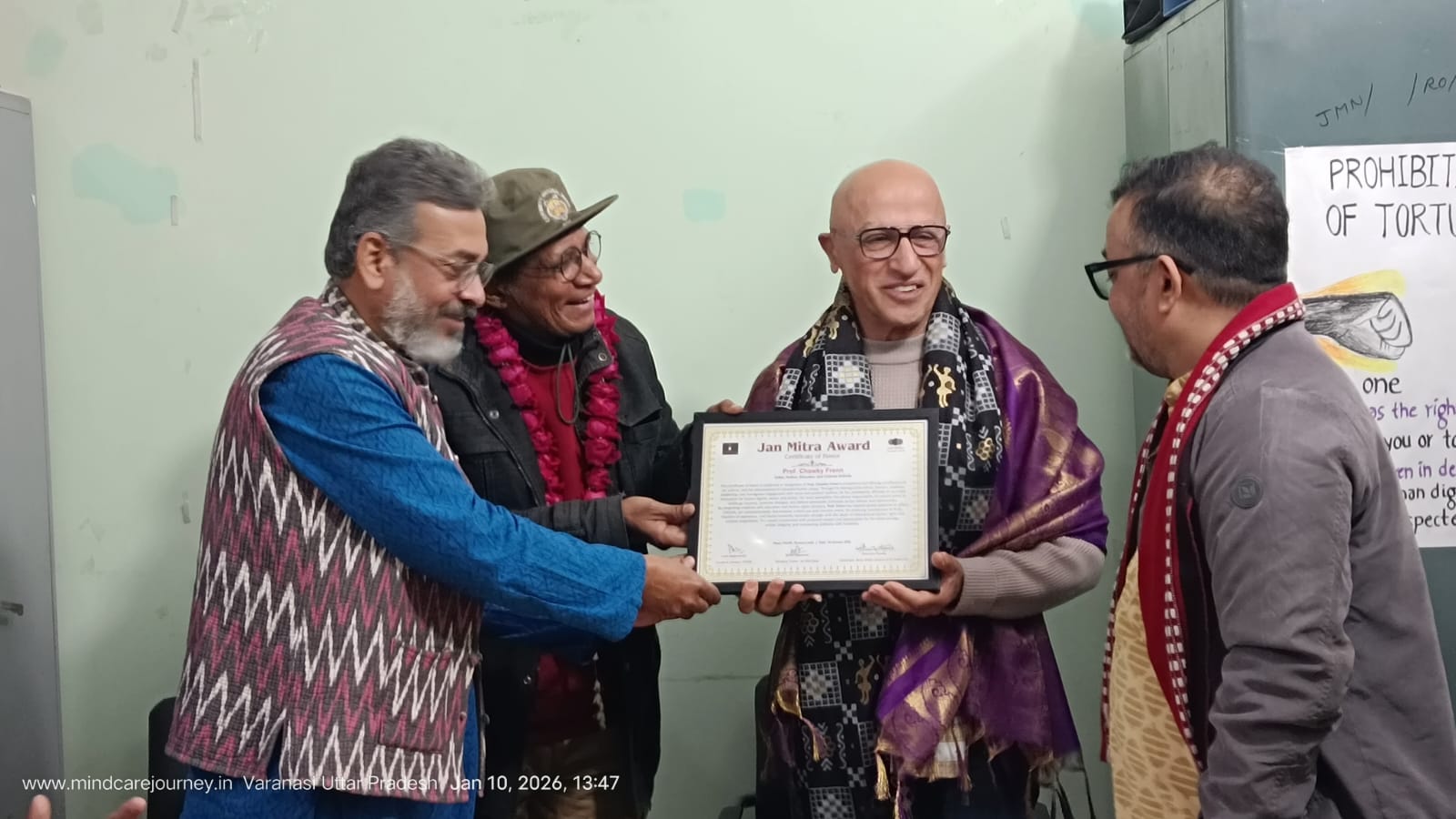
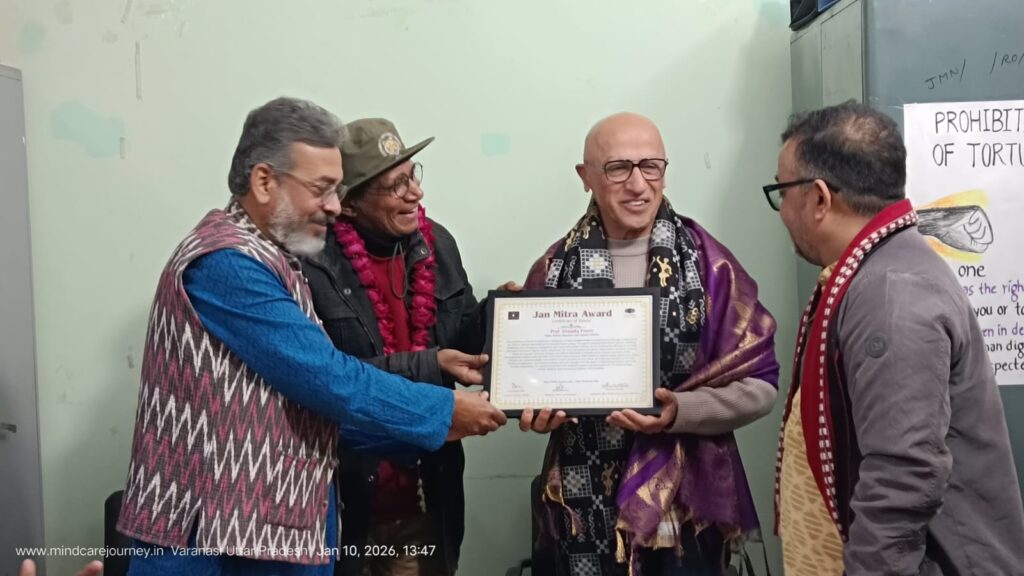
On 10 January 2026, the ancient city of Varanasi witnessed a meaningful convergence of art, conscience, and human rights. Prof. Chawky Frenn, internationally celebrated artist, author, and educator, was conferred the Jan Mitra Award (Jan Mitra Samman) in recognition of his lifelong dedication to art that serves human dignity, democracy, and peace.

Hosted at the People’s Vigilance Committee on Human Rights (PVCHR) Office, Pandeypur, the ceremony stood as a reminder that art’s greatest power lies not only in beauty, but in truth-telling. For Mehta Art Gallery, this moment represents the very essence of art with purpose.


The Jan Mitra Samman: An Award of Conscience

Instituted by Jan Mitra Nyas, the Jan Mitra Samman honours individuals whose work strengthens democratic values and defends ethical responsibility in public life. It is not merely an artistic award, it is a recognition of moral courage and solidarity with marginalized communities.

The ceremony was jointly hosted by:

  • People’s Vigilance Committee on Human Rights (PVCHR)
  • Jan Mitra Nyas
  • Mirza Ghalib Literature & Art Global Club

Former Jan Mitra Awardees Chandra Mishra and Suresh Nair presented the honour, symbolising continuity in the collective pursuit of justice and ethical public engagement.


Why Prof. Chawky Frenn Was Chosen

Prof. Frenn’s artistic journey is rooted in empathy and inquiry. Born in Lebanon and later establishing his career in the United States, his life experiences shaped a visual language that confronts war, displacement, political power, social injustice, and the fragile nature of human dignity.

Rather than creating art for decoration, his paintings act as visual testimonies, questioning dominant narratives, amplifying unheard voices, and challenging viewers to engage with uncomfortable truths.

This lifelong commitment to socially conscious art aligns seamlessly with the philosophy of the Jan Mitra Samman.


Art That Bears Witness

In today’s world of instant imagery and fleeting attention, Prof. Frenn’s work demands pause and reflection. His paintings portray ordinary individuals navigating extraordinary circumstances, reminding us that global events ultimately affect human lives at intimate levels.

Themes frequently explored in his work include:

  • War and conflict
  • Migration and displacement
  • Media manipulation
  • Political propaganda
  • Erosion of empathy
  • Social exclusion

Through realism infused with symbolism, his art transforms personal stories into universal questions.


Educator, Author, and Cultural Bridge

Beyond the studio, Prof. Frenn has dedicated decades to education. As a university professor, he mentors young artists to think critically and ethically through visual language. His classrooms encourage students not only to master technique, but to discover their social voice as artists.

He has also authored books documenting artistic communities and has curated international collaborations that build cross-cultural understanding, especially between Western and South Asian creative traditions.

His association with India through academic and cultural exchanges has strengthened artistic dialogue on democracy, identity, and human rights.


Varanasi: A Symbolic Setting

Varanasi, the eternal city, embodies continuity of civilization, where life, death, faith, and philosophy coexist. Hosting the Jan Mitra Samman here carried deep symbolic meaning.

Within the PVCHR office, a grassroots human rights institution, the award ceremony grounded artistic celebration in real social struggle. It affirmed that discussions on dignity and justice must remain connected to lived realities.


Words of Gratitude and Reflection

Accepting the honour, Prof. Frenn expressed heartfelt gratitude and reiterated his belief in art’s ethical responsibility, to serve peace, defend human dignity, and question unjust power structures.

His address resonated with the audience because it reflected humility, sincerity, and lifelong conviction, qualities that define true cultural leadership.


Art, Human Rights, and Social Transformation

The organisers emphasised that:

  • Art shapes public consciousness
  • Culture strengthens democracy
  • Education safeguards freedom

When guided by conscience, art becomes a nonviolent force of transformation, resisting hatred, authoritarianism, and indifference.

This philosophy lies at the heart of Mehta Art Gallery’s mission, to promote creativity that engages society, builds empathy, and strengthens cultural responsibility.


A Global Legacy

Prof. Frenn’s artworks have been exhibited internationally across North America, Europe, the Middle East, and Asia. His career reflects rare balance:

  • Technical excellence
  • Intellectual depth
  • Human compassion
  • Global perspective

He remains a voice of integrity in contemporary art, proving that artistic success and ethical commitment can coexist.


Mehta Art Gallery: Art with Purpose

At Mehta Art Gallery, we believe art must go beyond aesthetics. It must encourage dialogue, nurture understanding, and uphold shared human values.

The honouring of Prof. Chawky Frenn in Varanasi reinforces our belief that:

Art is not escape. Art is engagement. Art is responsibility.


Conclusion: A Moment That Inspires the Future

As the Ganga continues to flow through Varanasi, carrying memory, prayer, and hop, the message of the Jan Mitra Samman remains enduring:

Civilizations thrive through conscience.
Conscience is kept alive by art.

The recognition of Prof. Chawky Frenn is not only a tribute to one artist, but a celebration of all creative voices that stand for truth, justice, and human dignity.


India’s art is as ancient as its civilization, and as diverse as its people. From delicate cave paintings to bold modern canvases, Indian artists have always captured the rhythm of society, culture, and the human spirit. To celebrate this rich legacy, Mehta Art Gallery launches a special campaign across social media and our website, a heartfelt tribute to the masters of Indian painting.

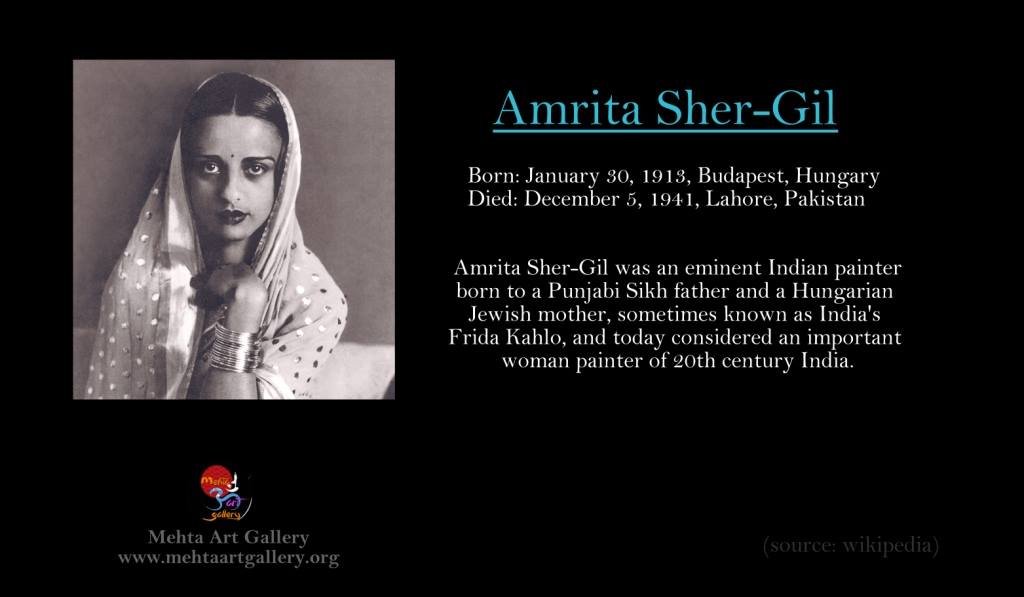
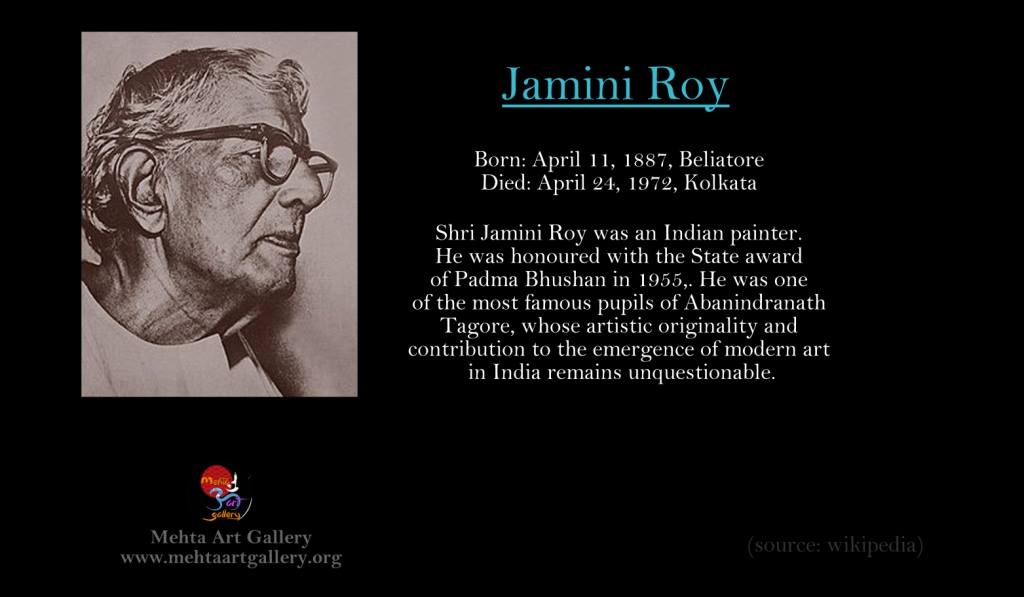
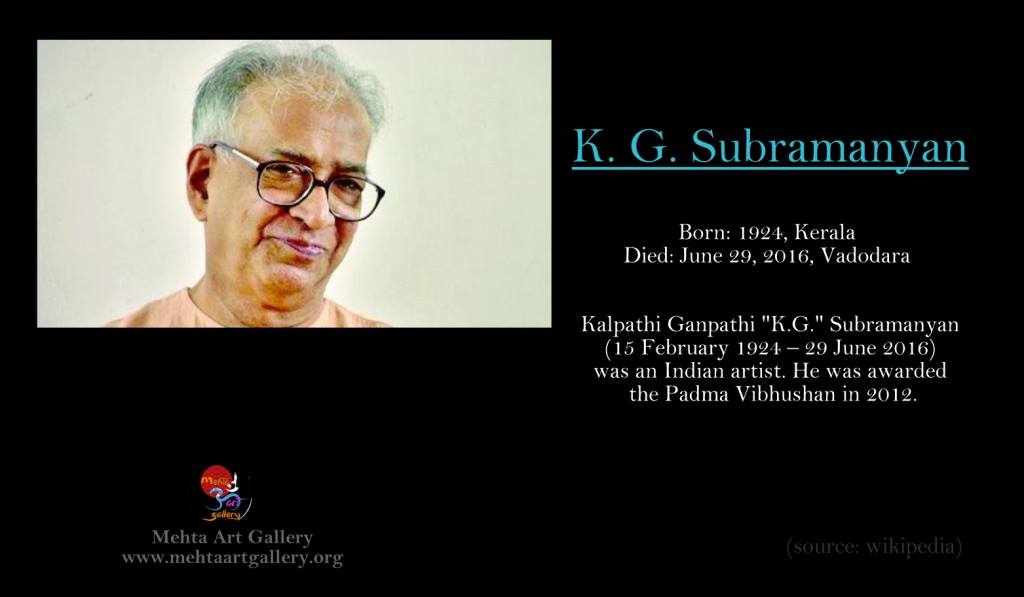
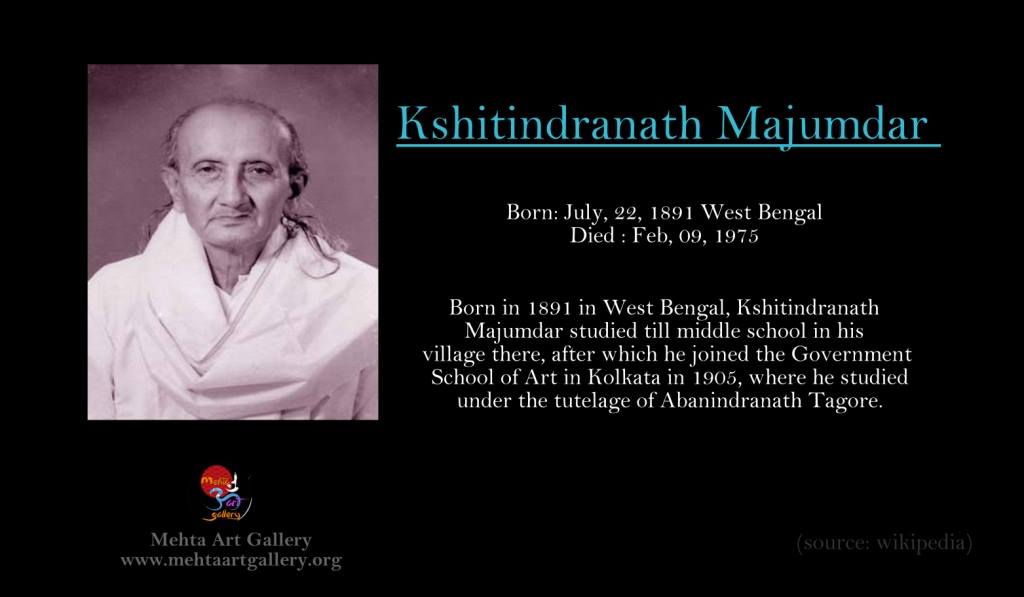
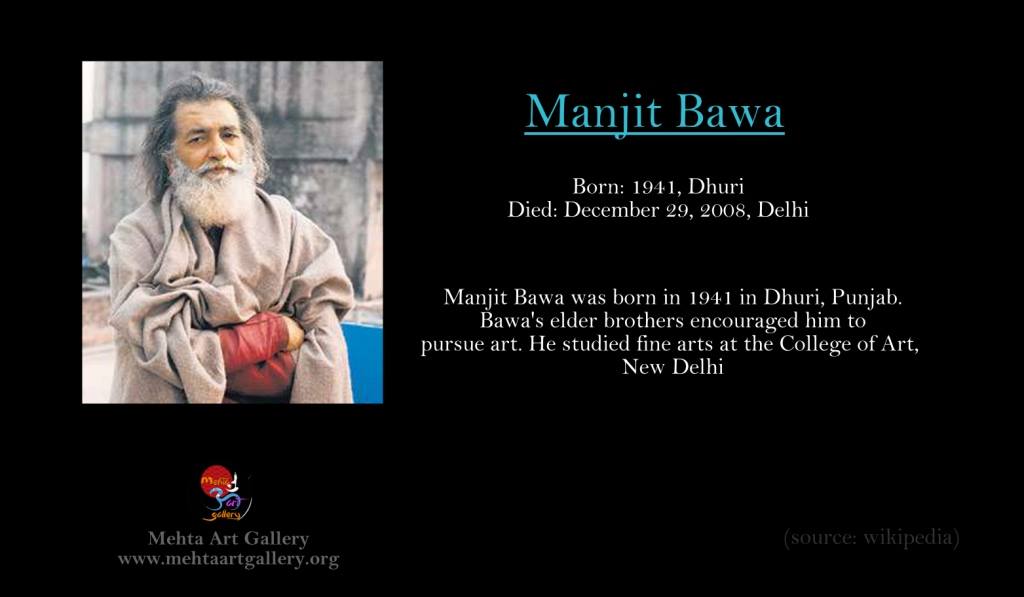
This campaign showcases the timeless works and stories of great artists such as Amrita Sher-Gil, Jamini Roy, K.G. Subramanyan, Kshitindranath Majumdar, Manjit Bawa, M.F. Husain, Nandalal Bose, Raja Ravi Varma, Ramkinkar Baij, Satish Gujral, Syed Haider Raza, Sunil Das, Abanindranath Tagore, and Tyeb Mehta. Through a digital homage, complete with their portraits and key masterpieces, we hope to remind society of their invaluable contributions and inspire the next generation of creators.


Amrita Sher-Gil: The Pioneer of Modern Indian Art

Often called the “Frida Kahlo of India,” Amrita Sher-Gil broke barriers with her bold brushwork and emotive style. Her paintings fused Western techniques with Indian themes, bringing to canvas the everyday lives of Indian women, villages, and cultural identity. Sher-Gil’s short life was filled with artistic brilliance, and her works remain a cornerstone of Indian modernism.


Jamini Roy: The Artist of the People

Jamini Roy sought inspiration not in European studios but in the heart of Bengal’s folk traditions. He transformed patachitra and local craft into fine art, painting bold, simplified figures of villagers, dancers, and deities. His work was democratic, affordable, accessible, and deeply Indian. Roy’s legacy reminds us that art thrives when it belongs to the people.


K.G. Subramanyan: The Storyteller of Modernism

K.G. Subramanyan blended myth, folklore, and modernist styles into an artistic universe that was playful yet profound. A teacher, muralist, and painter, Subramanyan believed that art should exist in everyday life, not confined to galleries. His colorful works often carried sharp social commentary, reflecting India’s complexity with humor and depth.


Kshitindranath Majumdar: A Gentle Poet with a Brush

A lesser-known yet deeply influential figure, Kshitindranath Majumdar belonged to the Bengal School of Art. His works carried delicate lines, spiritual themes, and lyrical qualities. Often overshadowed by his contemporaries, Majumdar deserves recognition for keeping alive the aesthetics of classical Indian art while gently embracing modernism.


Manjit Bawa: The Painter of Myth and Silence

Manjit Bawa’s canvases were filled with vibrant flat colors, mythological figures, and serene stillness. Rejecting realism, he created dreamlike compositions where gods, animals, and humans coexisted in harmony. His art was both spiritual and contemporary, carrying echoes of Indian philosophy and Sufi thought.


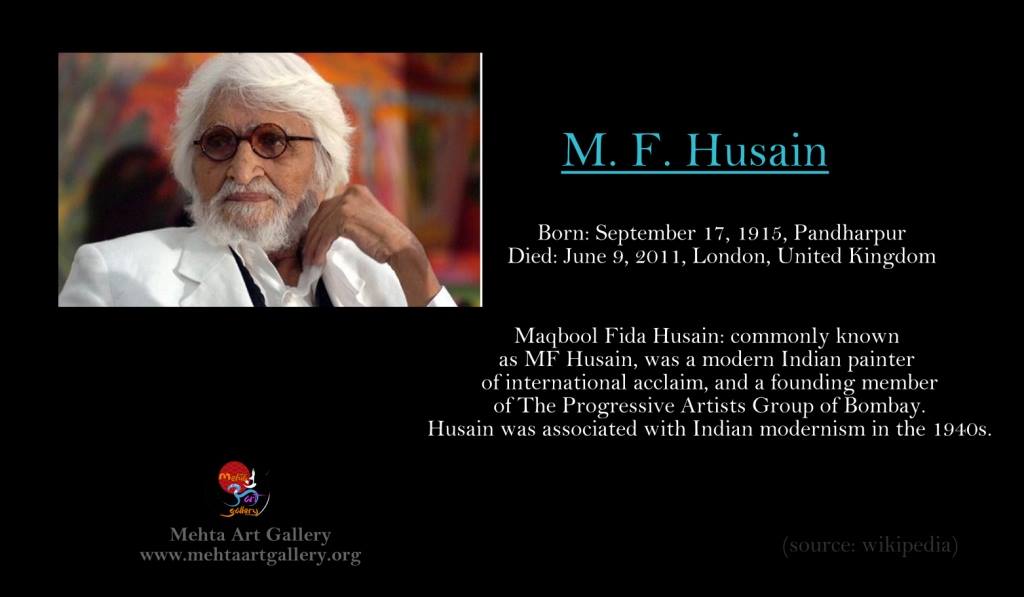
M.F. Husain: The Picasso of India

Few names shine as brightly as Maqbool Fida Husain. With his bold strokes, galloping horses, and powerful female figures, Husain redefined Indian modern art. His life was a saga, celebrated globally, yet mired in controversies. Still, his fearless creativity and boundless imagination make him one of India’s greatest cultural ambassadors.


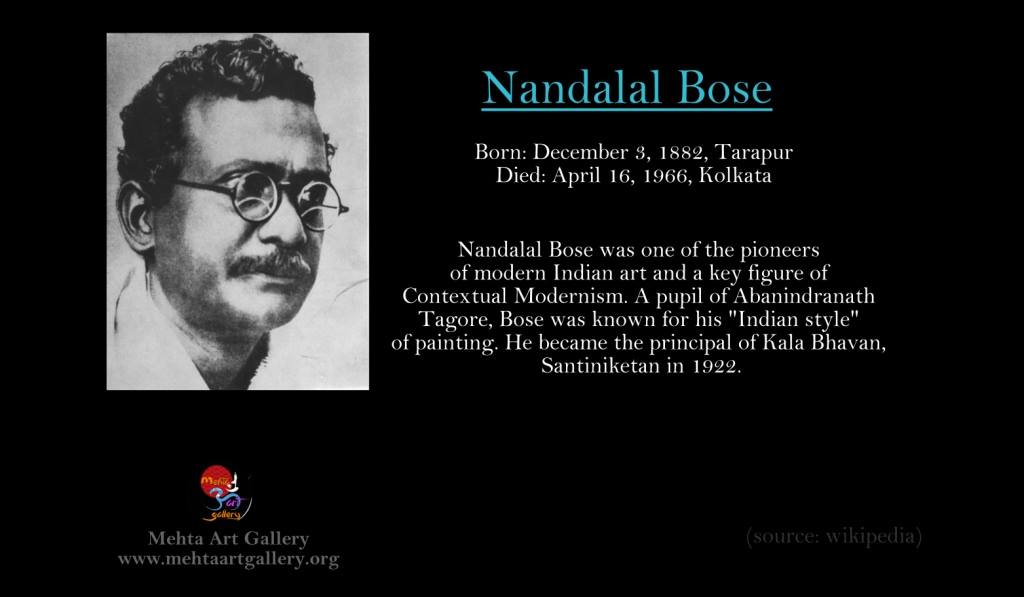
Nandalal Bose: The Teacher of a Nation

A disciple of Abanindranath Tagore, Nandalal Bose played a key role in shaping the Santiniketan art movement. He illustrated the Constitution of India, embedding art into the nation’s very foundation. His works often celebrated rural life, freedom, and heritage, reflecting Gandhi’s ideals of simplicity and truth.


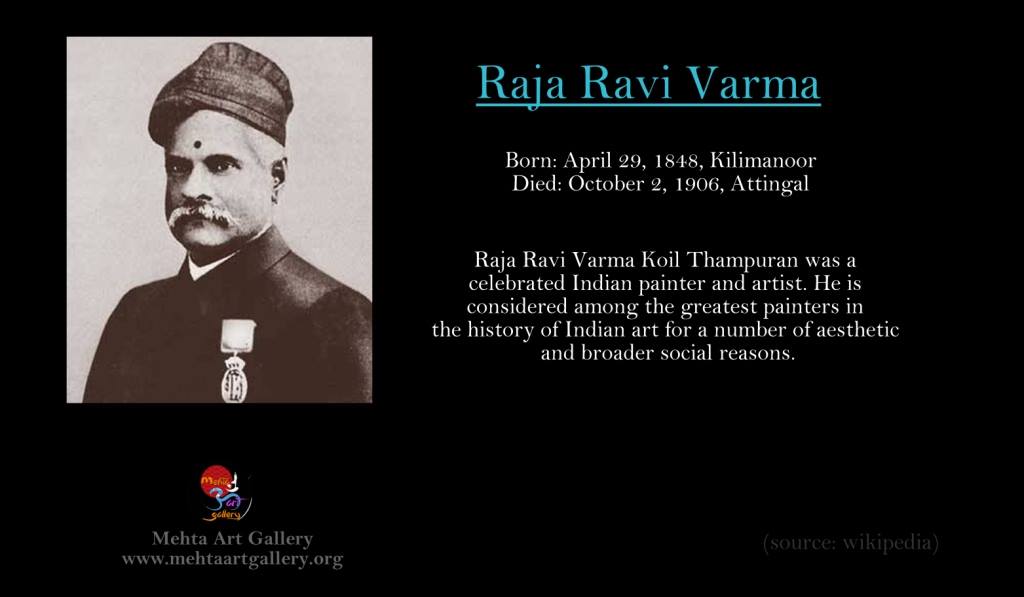
Raja Ravi Varma: The First Modern Icon

Raja Ravi Varma was perhaps India’s first celebrity painter. By blending European realism with Indian themes, he made gods and epics accessible to common people. His lithographs brought Lakshmi, Saraswati, and scenes from the Mahabharata into middle-class homes, changing how India visualized divinity forever.


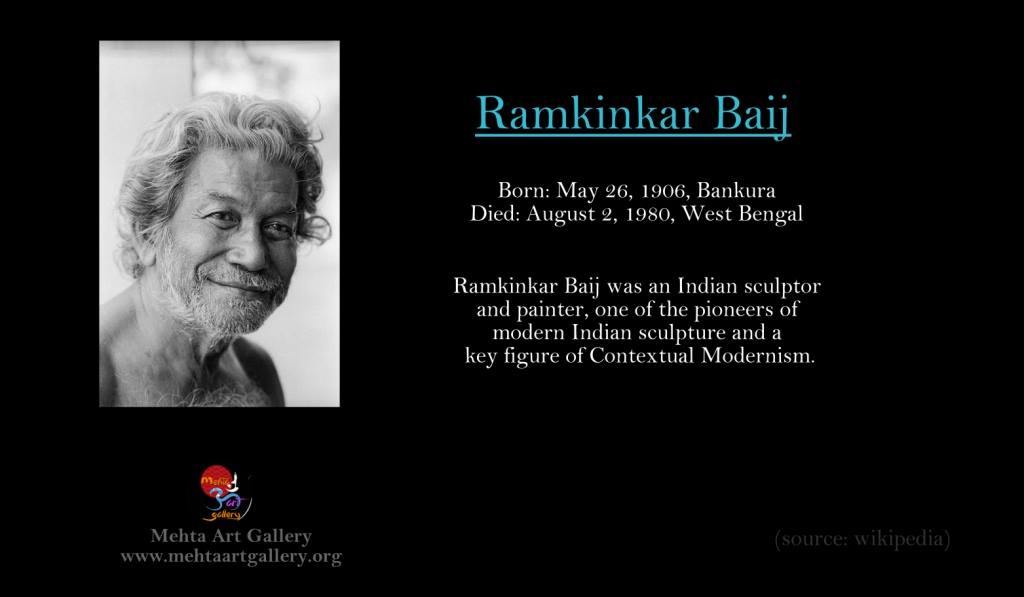
Ramkinkar Baij: The Sculptor-Painter Visionary

Though best remembered as a sculptor, Ramkinkar Baij was also a remarkable painter. His works carried raw energy, modernist daring, and a connection to the soil of Bengal. Baij’s dynamic forms broke academic traditions, earning him the title of one of India’s first modernists.


Satish Gujral: Art Born from Struggle

Satish Gujral’s life was shaped by resilience. Deafened by illness as a child, he turned to art to express himself. His paintings, murals, and later architectural works carried themes of pain, partition, and recovery. Gujral showed how art can be both personal therapy and national memory.


S.H. Raza: The Master of the Bindu

Syed Haider Raza, or S.H. Raza, took Indian art to international heights. His early landscapes evolved into abstract spiritual works, dominated by the bindu, a symbol of cosmic unity. Raza believed art was meditation—a way to experience existence itself. His legacy bridges India and France, tradition and modernity.


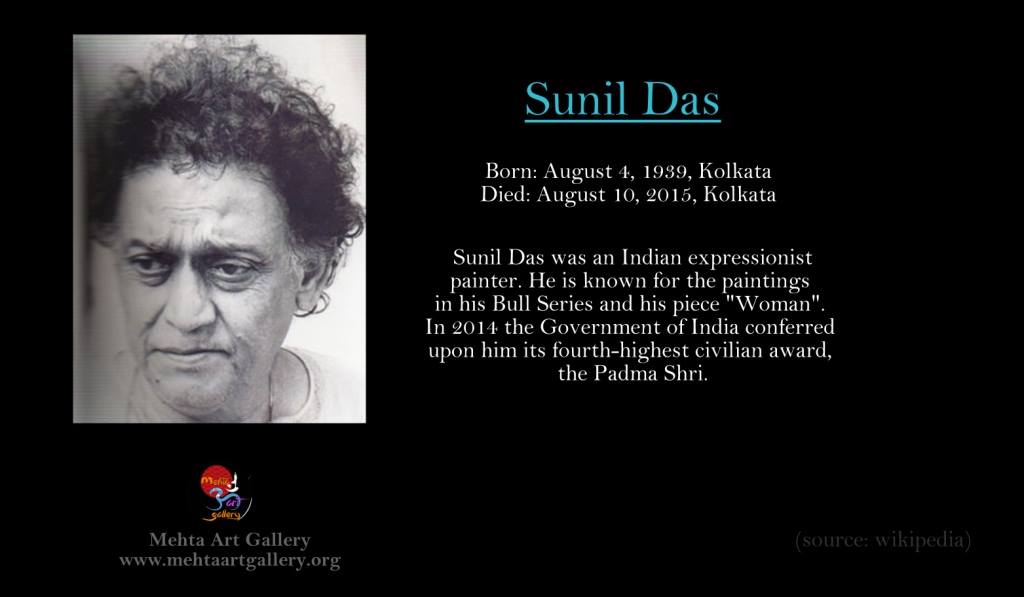
Sunil Das: The Energy of Horses and Bulls

Sunil Das’s explosive lines captured motion like few others could. Famous for his series on horses and bulls, Das brought intensity and dynamism to Indian modernism. His art was restless, reflecting both power and fragility.


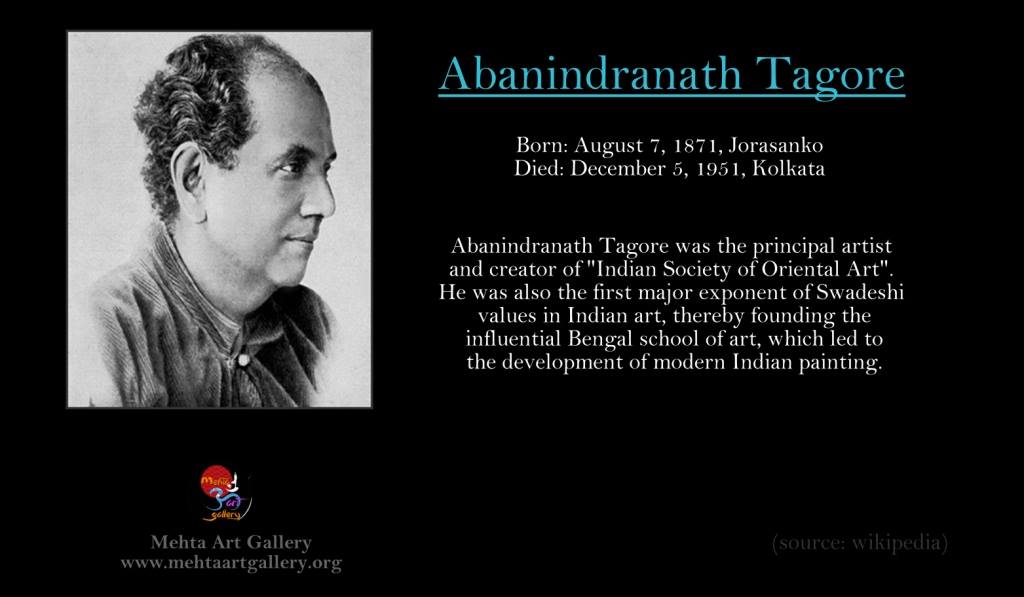
Abanindranath Tagore: The Father of Modern Indian Art

Abanindranath Tagore, nephew of Rabindranath, founded the Bengal School of Art, leading India’s cultural revival against colonial dominance. His iconic work Bharat Mata gave visual form to nationalism. By drawing from Mughal miniatures, Japanese wash techniques, and Indian spirituality, Abanindranath laid the foundation of a modern Indian identity in art.


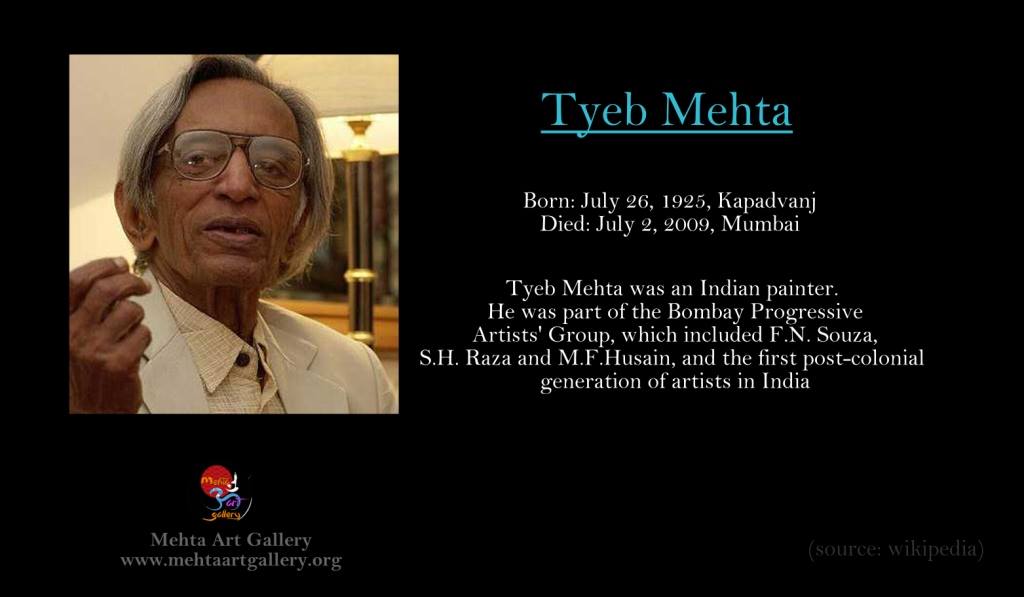
Tyeb Mehta: The Painter of Anguish

Tyeb Mehta belonged to the Progressive Artists’ Group, and his paintings often reflected the violence, migration, and struggles of 20th-century India. His angular figures, restrained palettes, and themes of conflict and suffering carried global resonance. His works later broke auction records, making him one of India’s most celebrated modern artists.


The Campaign: A Digital Homage to the Masters

Through this campaign, Mehta Art Gallery aims to:

  • Celebrate: Showcase portraits and key works of these masters on social media and our website, highlighting their artistic journeys.
  • Educate: Share engaging stories, anecdotes, and interpretations to make their art more accessible to younger audiences.
  • Inspire: Encourage emerging artists to learn from the past while shaping the future.
  • Preserve: Create a digital archive where the legacy of these painters remains alive and easily discoverable.

Each artist’s image will be shared separately with a tribute note, so viewers can connect with their unique style and philosophy. Together, these posts form a collective tribute to India’s cultural heritage.


Why This Tribute Matters

In today’s fast-moving digital era, it is easy to forget the shoulders on which contemporary art stands. These masters lived in different centuries, spoke different languages, and worked in different styles—but they all expressed the essence of India through their canvases.

By honoring them on digital platforms, we bridge time, bringing the wisdom of the past into the present. A young student scrolling through Instagram may pause at Jamini Roy’s folk figures; a researcher may rediscover the genius of Kshitindranath Majumdar through our website; a budding painter may find courage in the story of Satish Gujral’s resilience.


Conclusion: Carrying the Flame Forward

Art is not just about paintings on walls, it is about memory, imagination, and identity. By paying tribute to these legends, Mehta Art Gallery reaffirms its commitment to nurturing and preserving Indian art.

We invite you to join this campaign: share the stories, engage with the visuals, and let these masters speak to your heart. For in their strokes lies not just art, but India’s eternal soul.

Kashi to Kathmandu: An Art Camp of Cultural Exchange Between India and Nepal

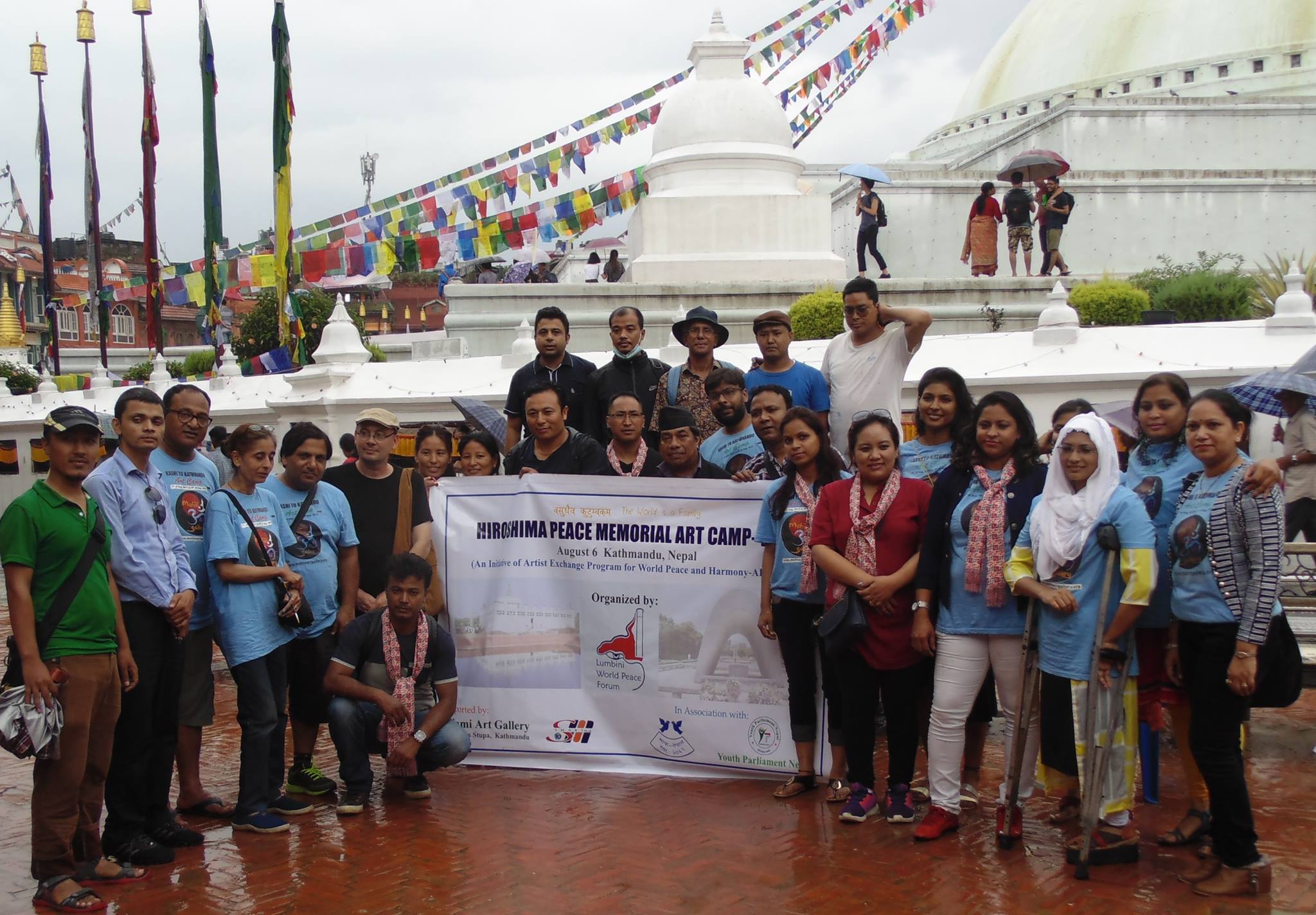
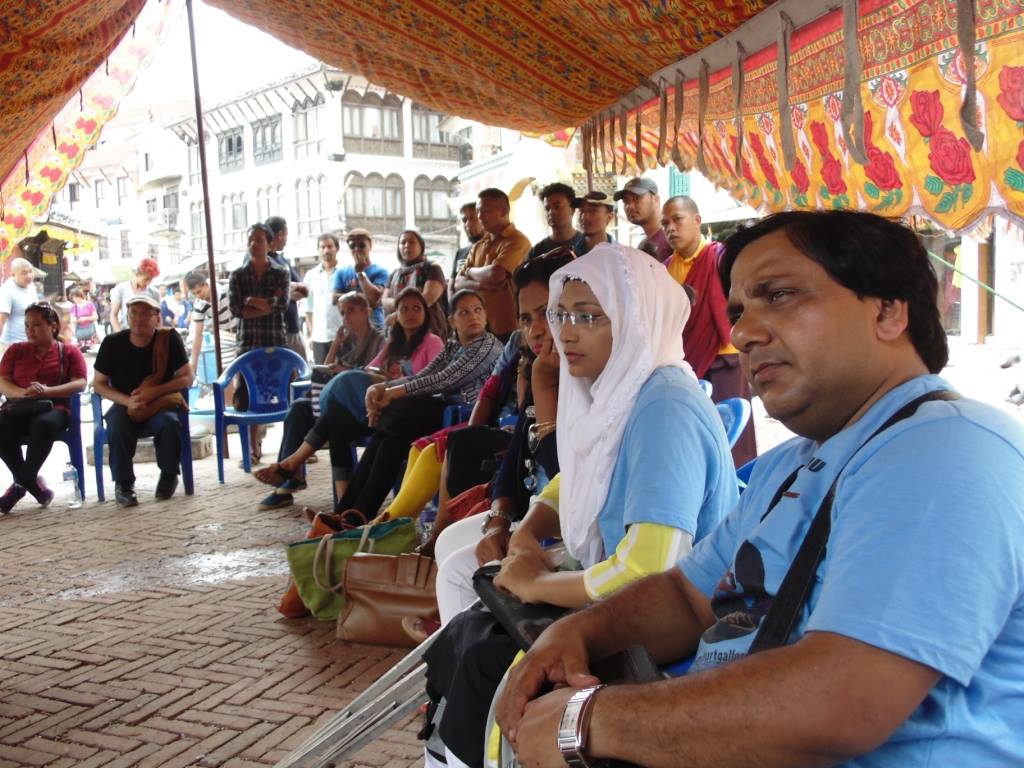
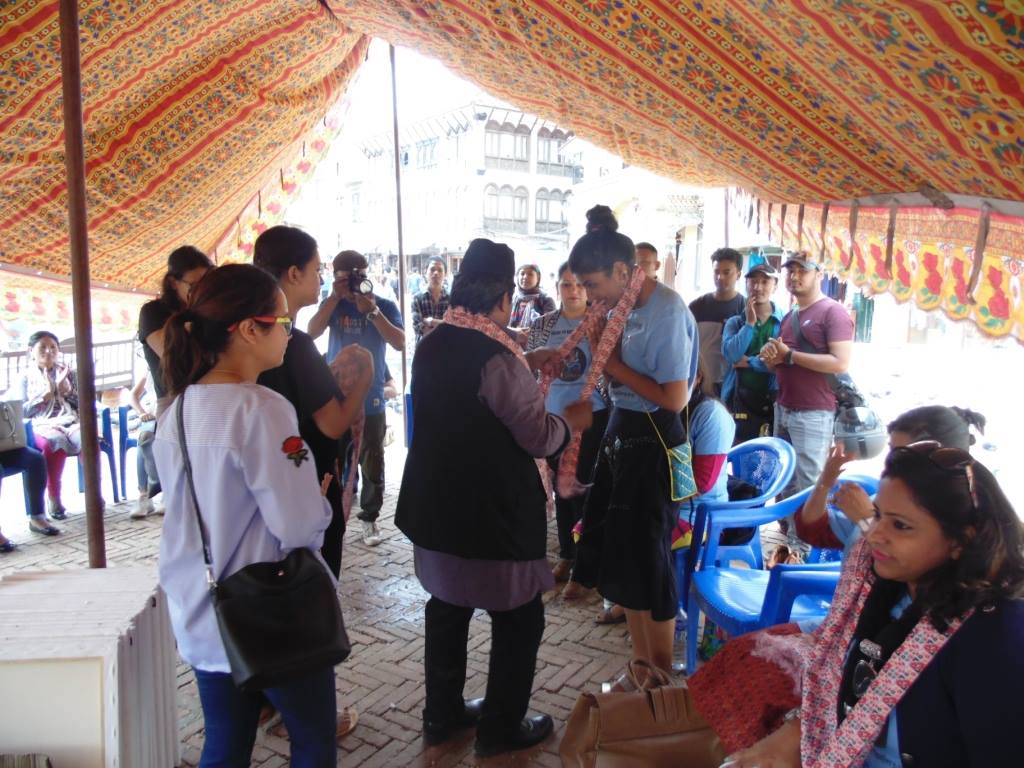
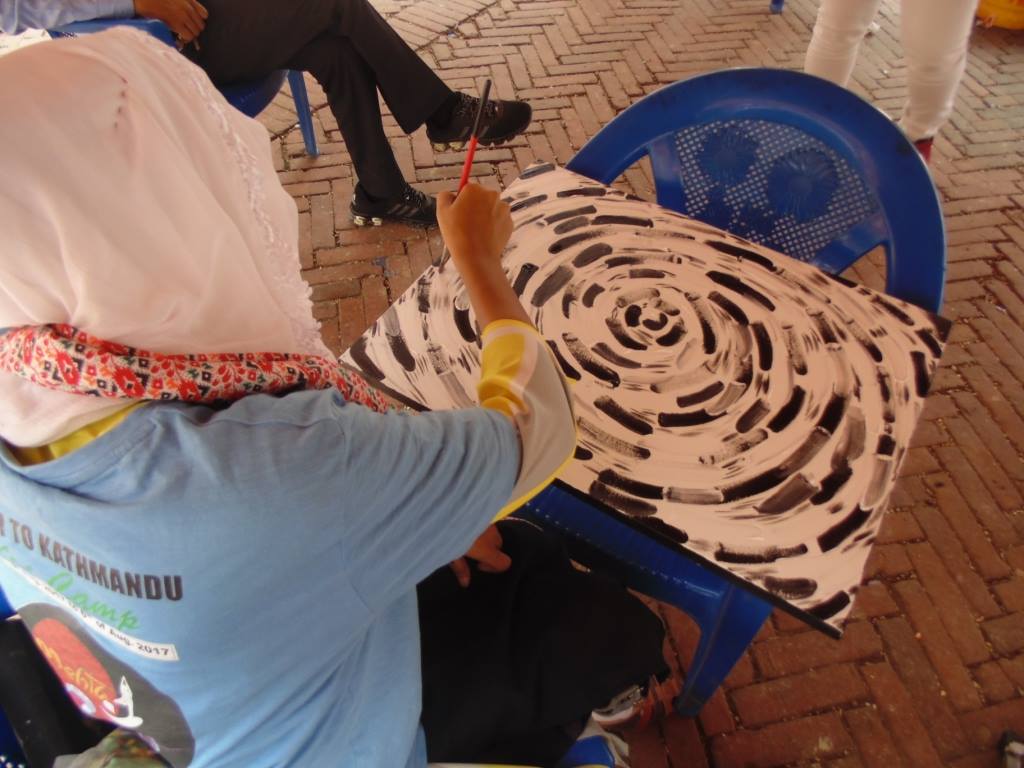
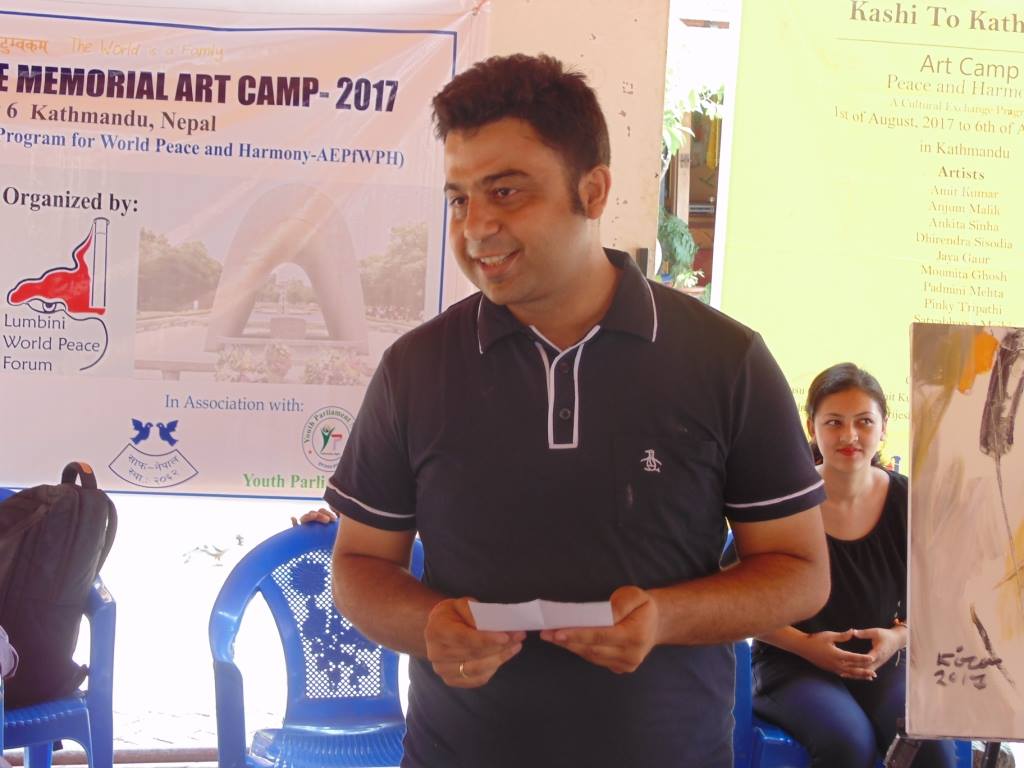
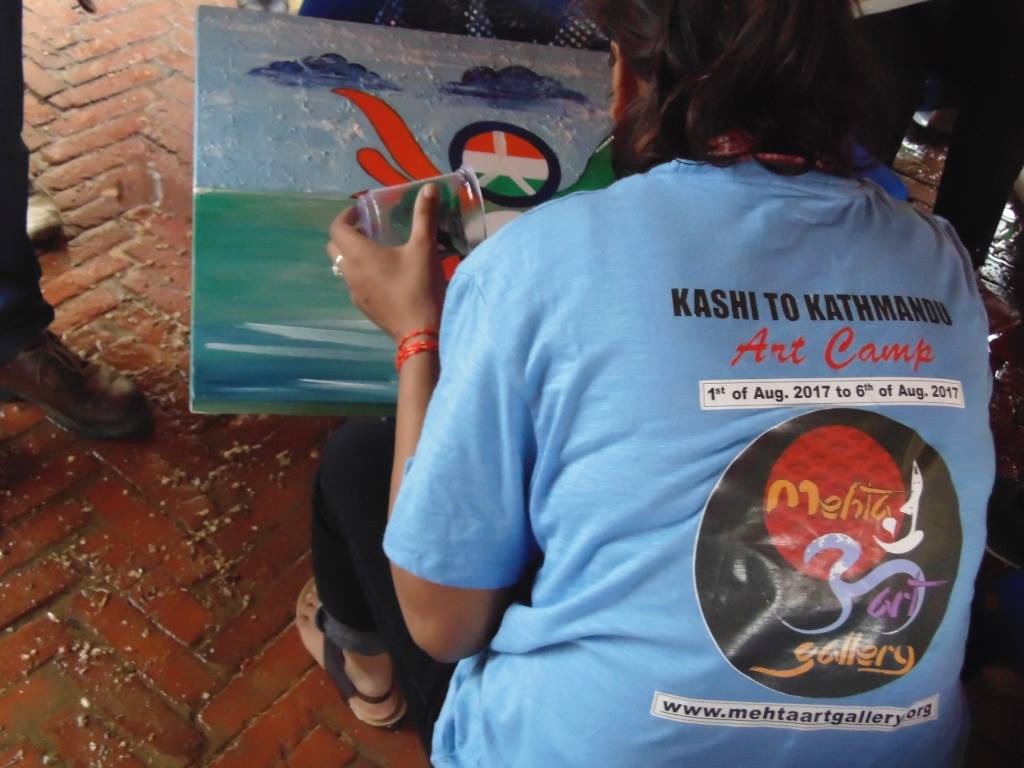
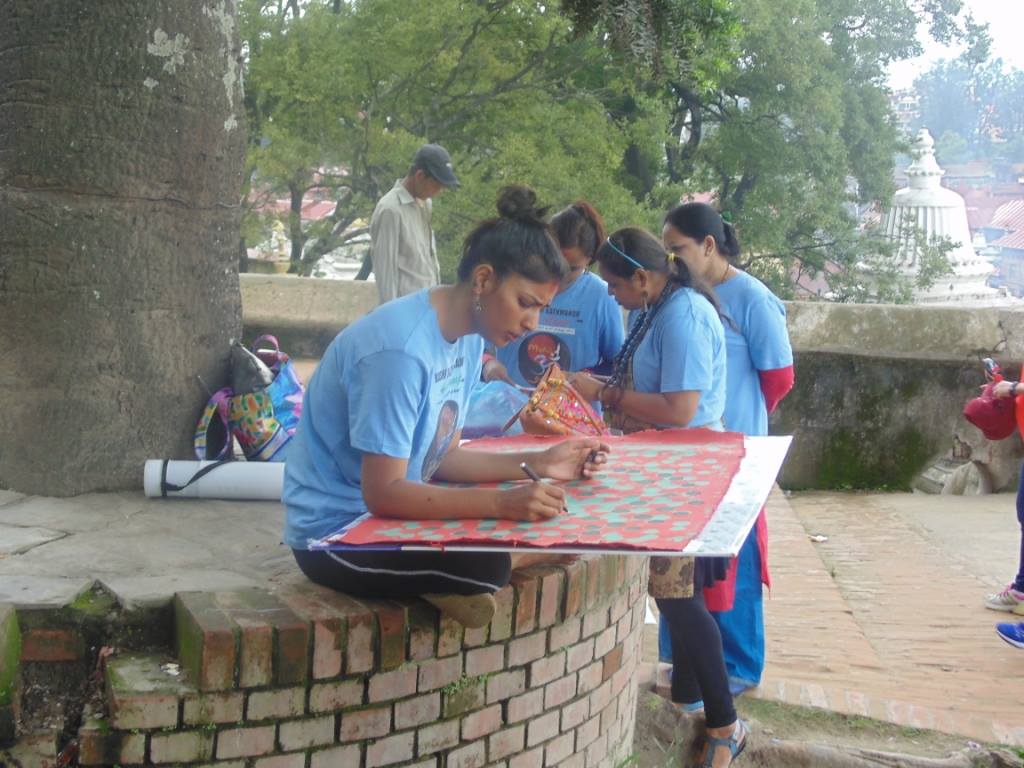
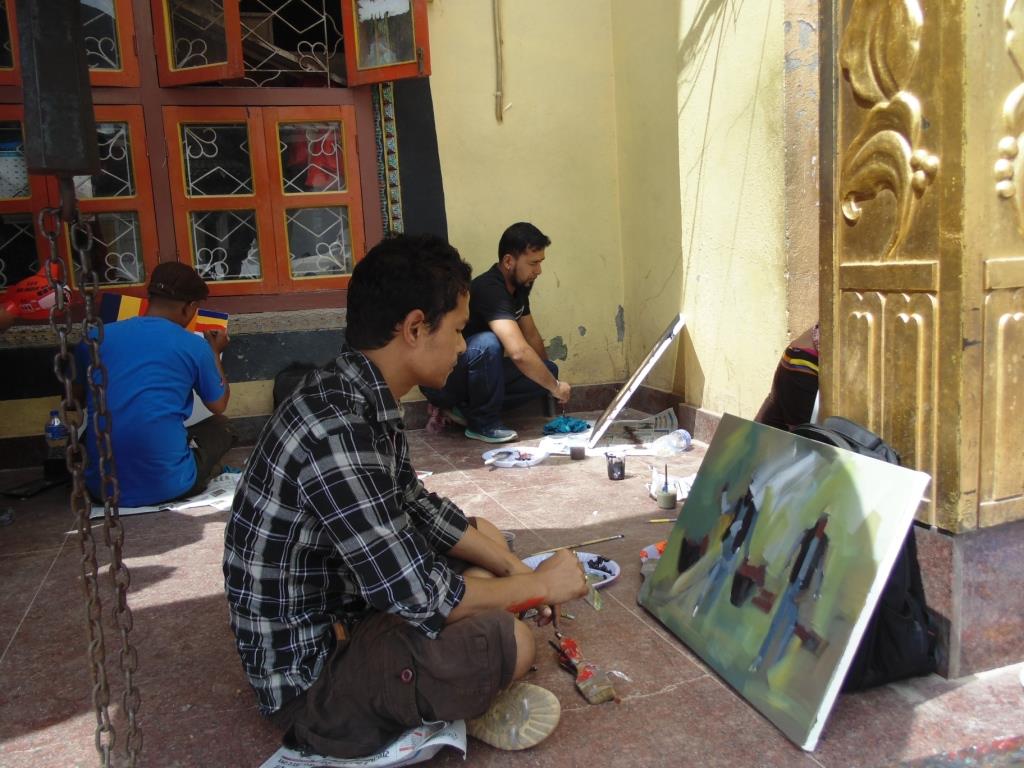
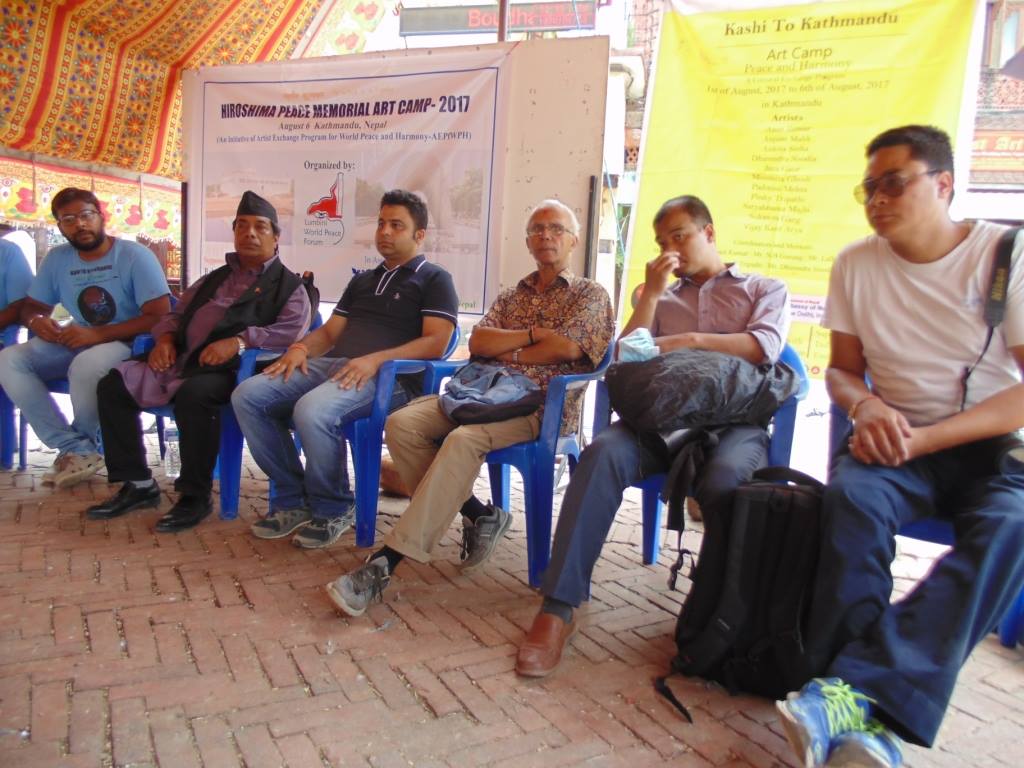
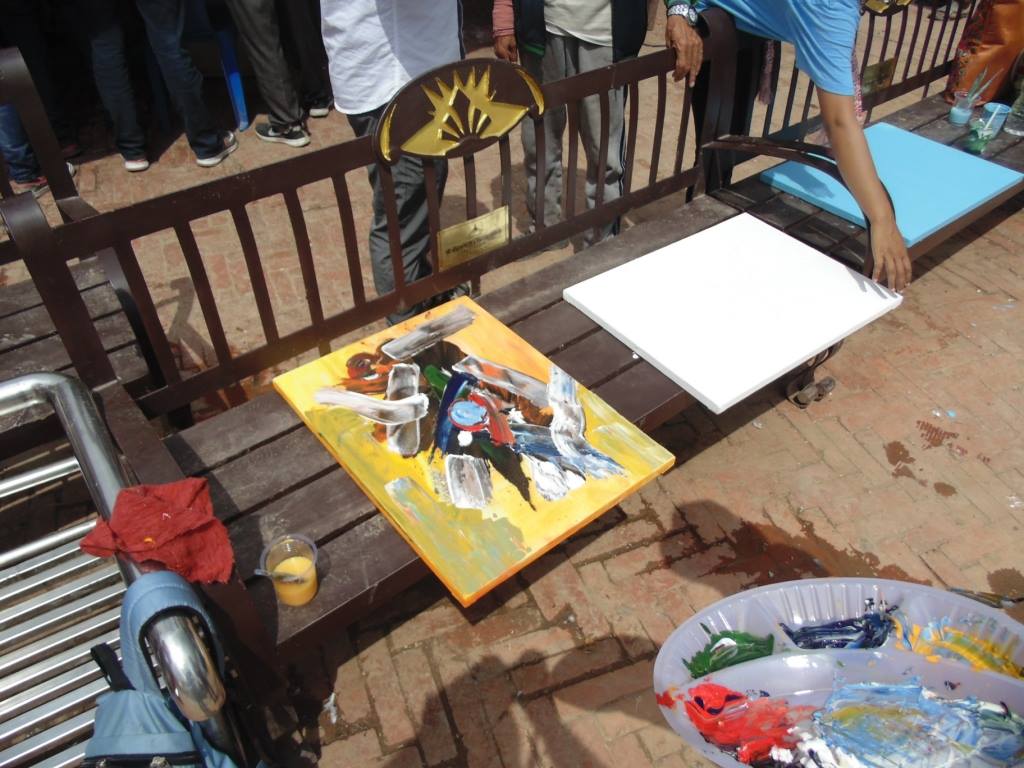
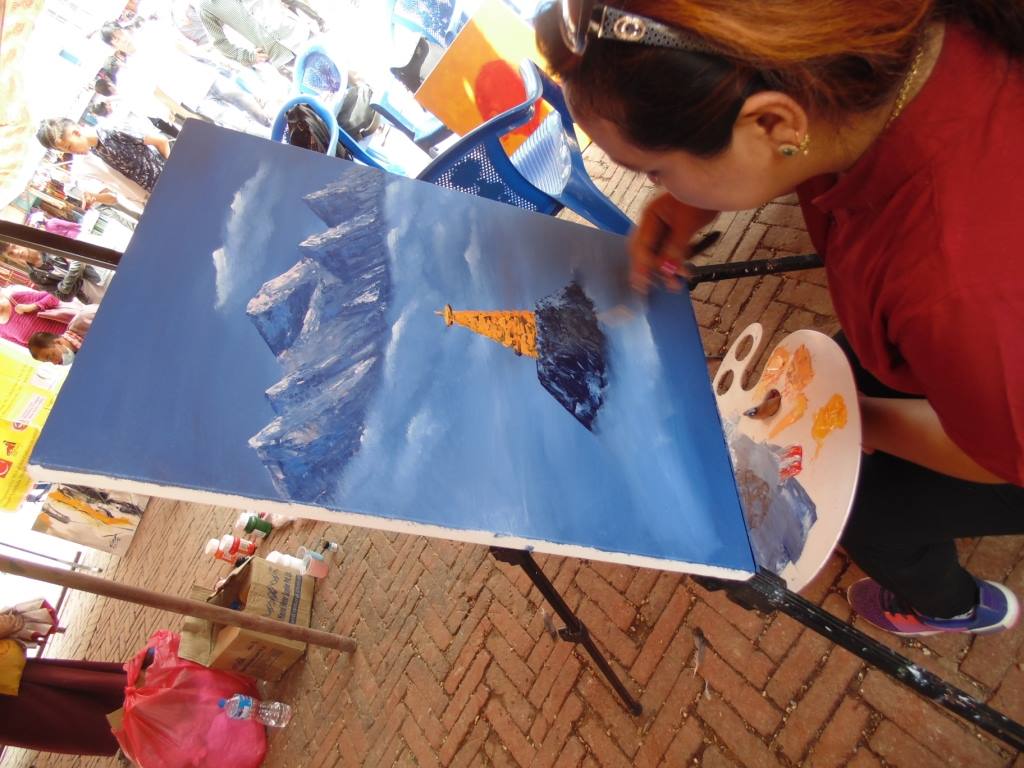
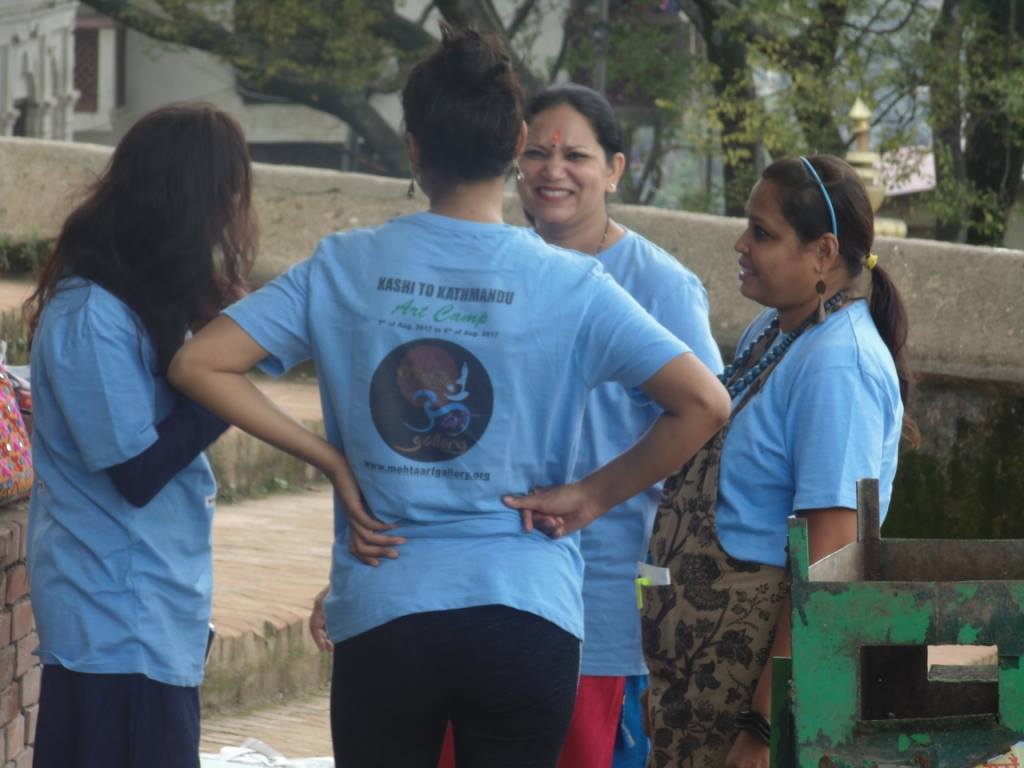
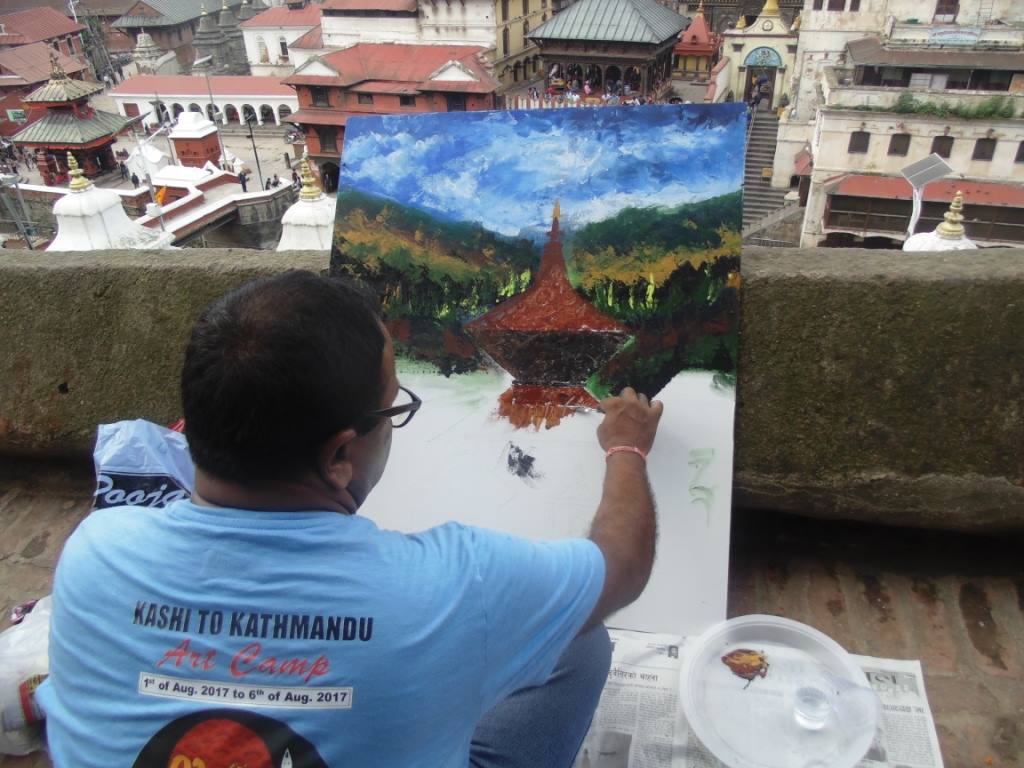
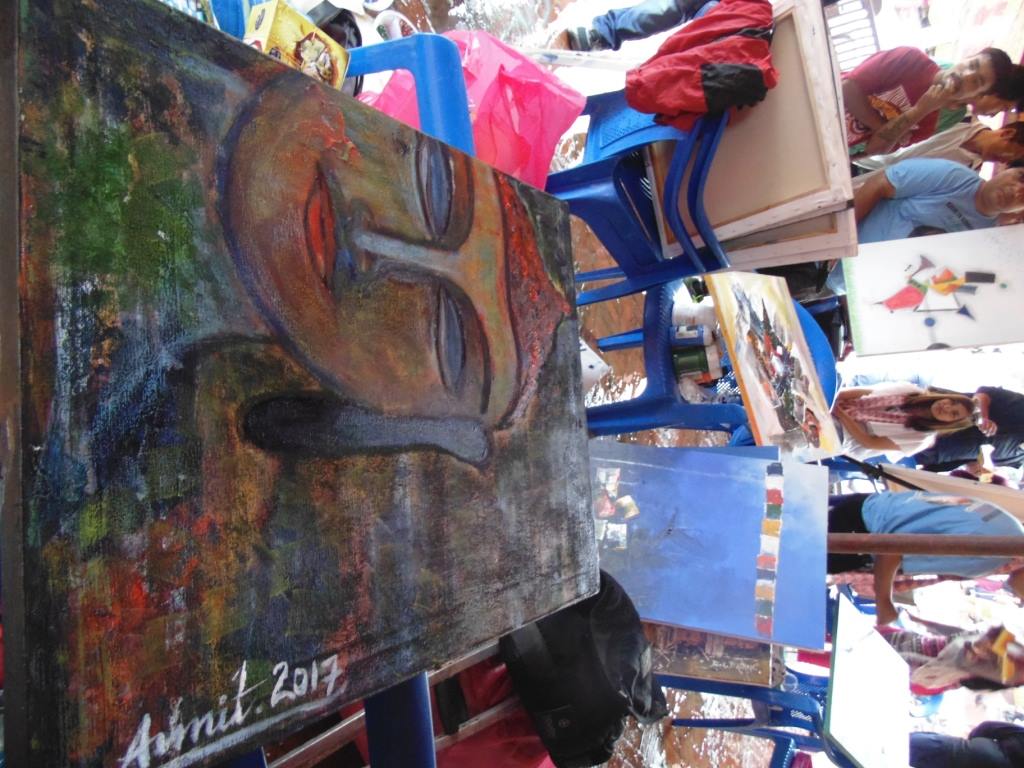
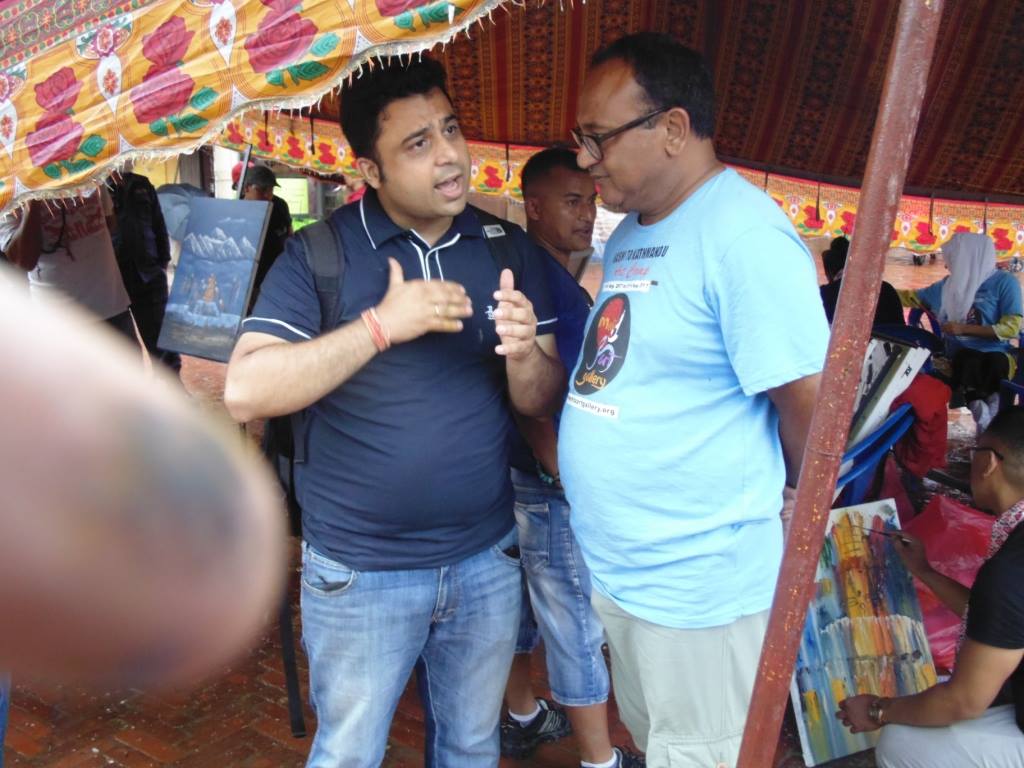
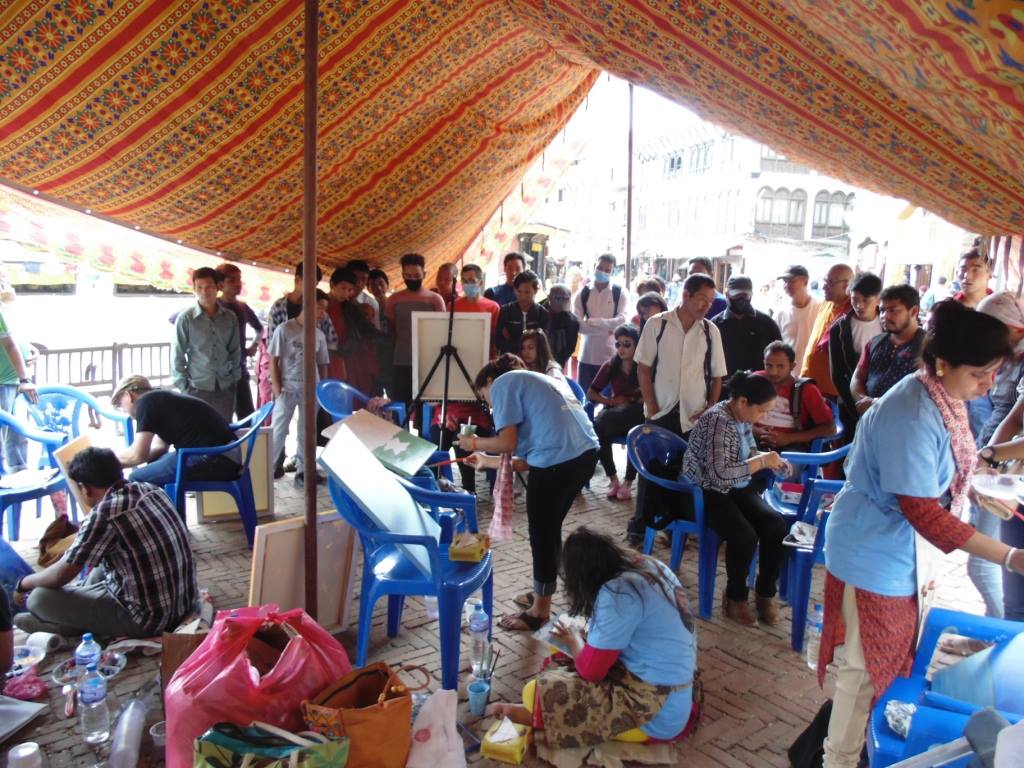
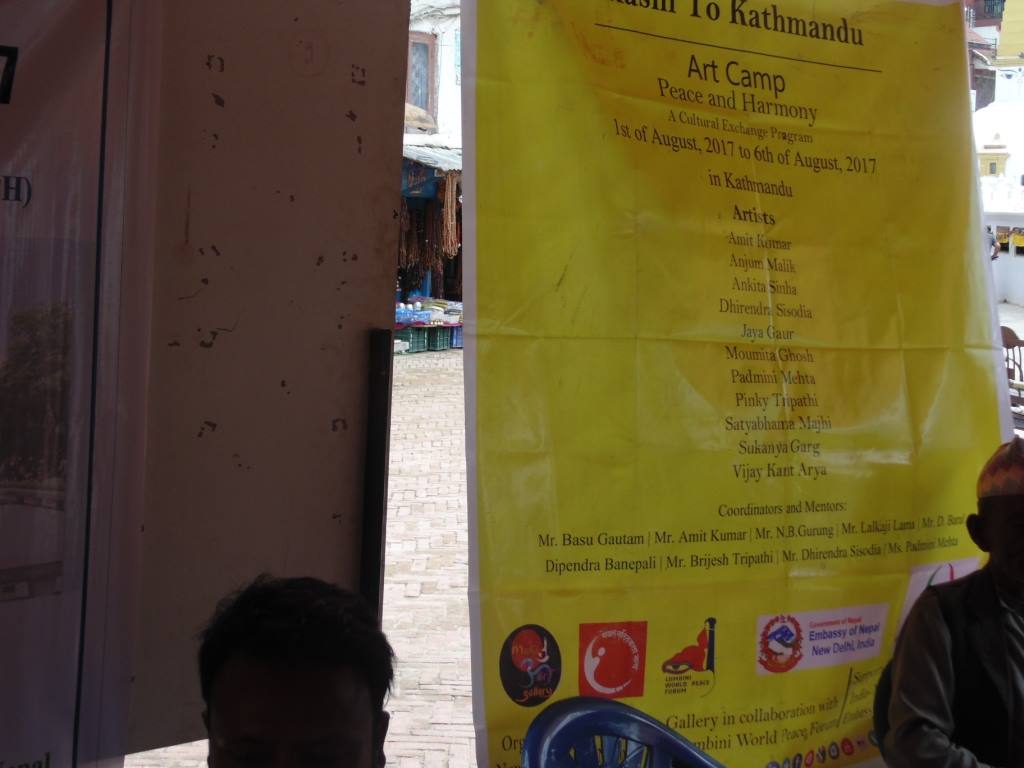
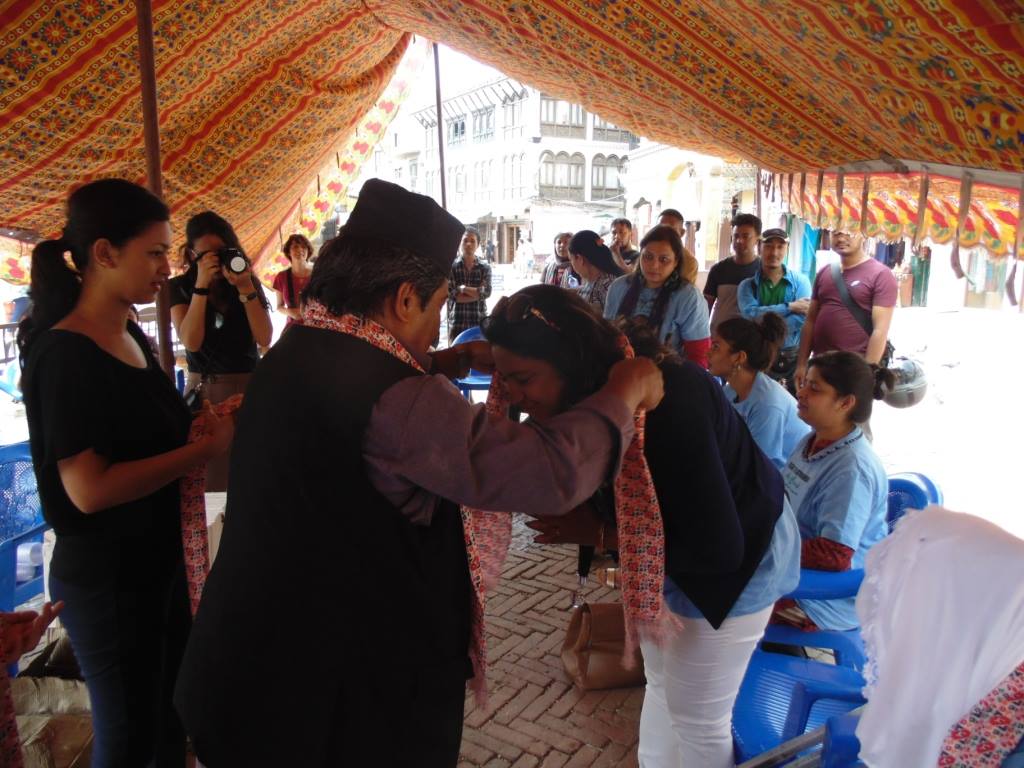
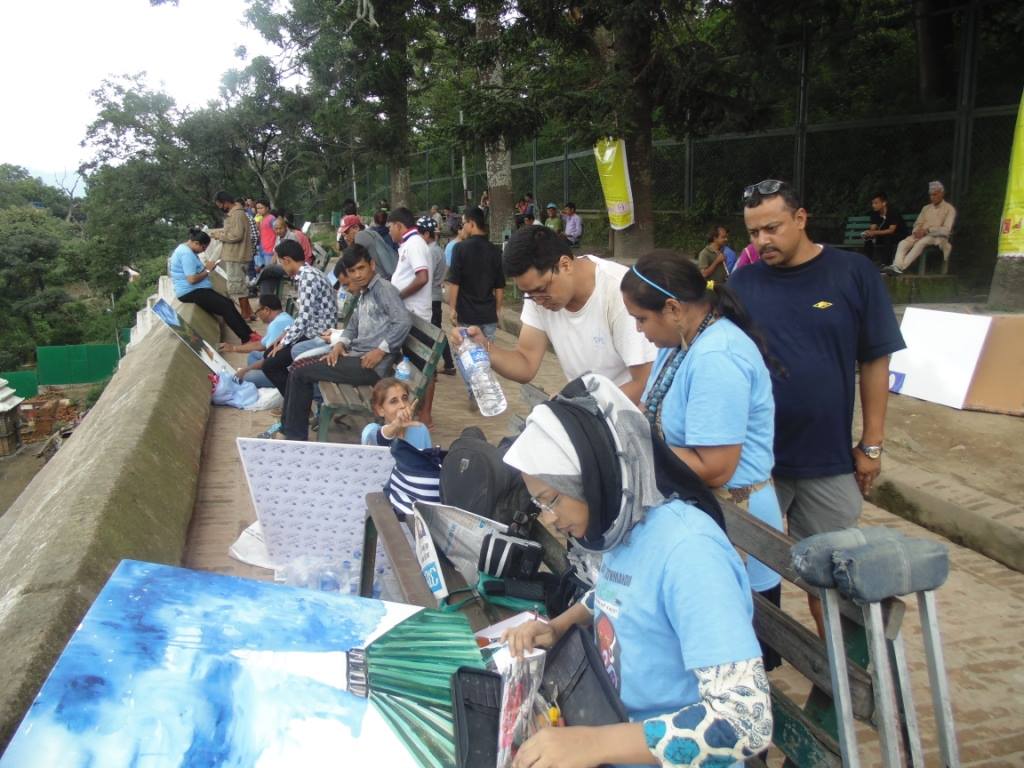
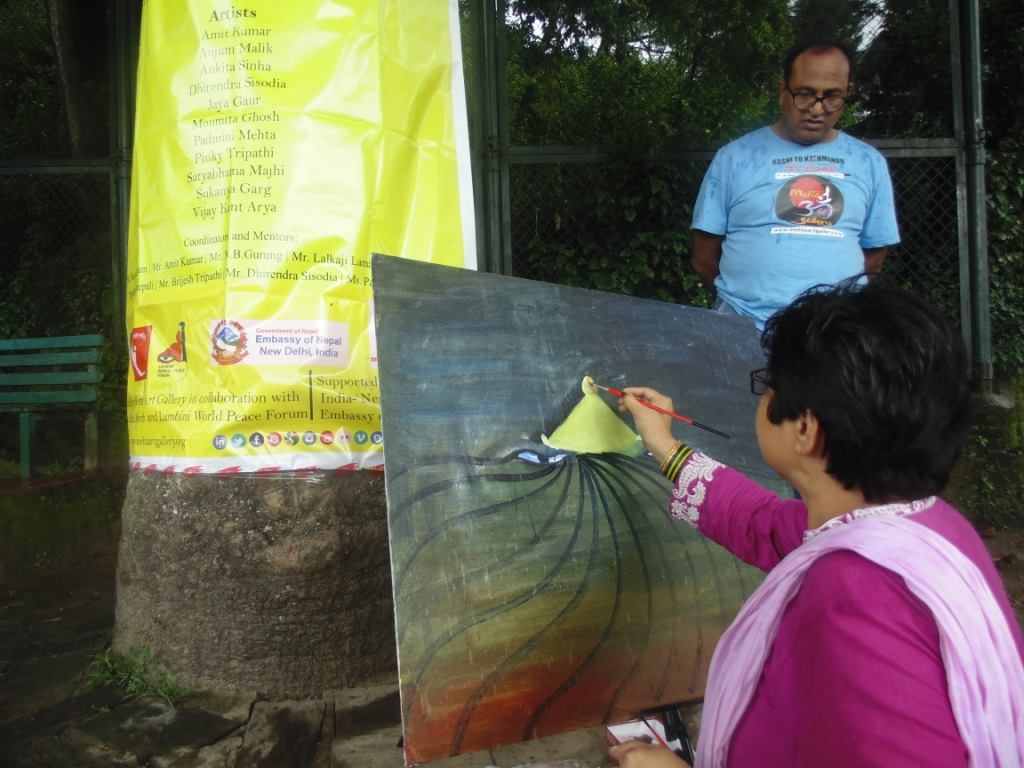
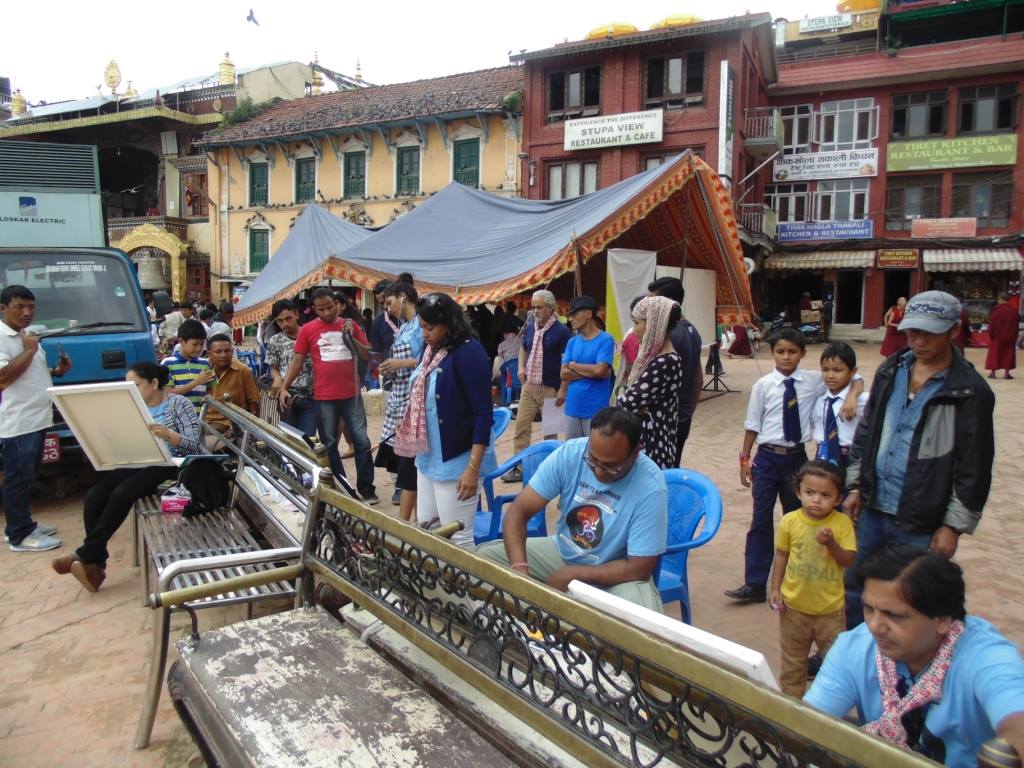
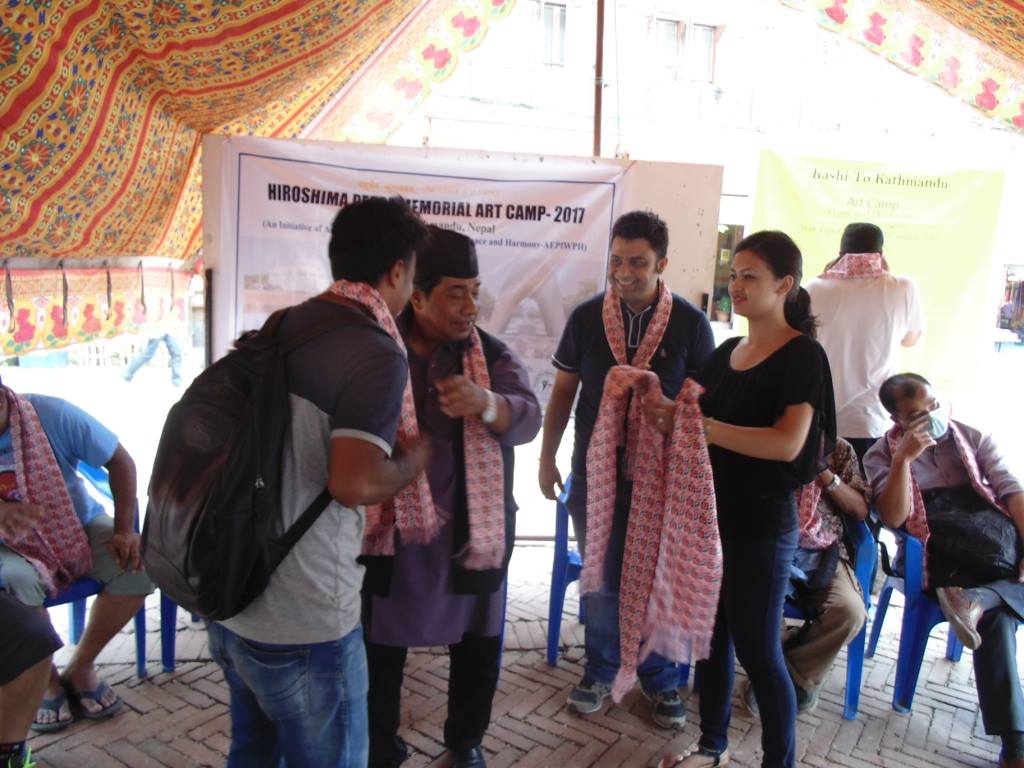
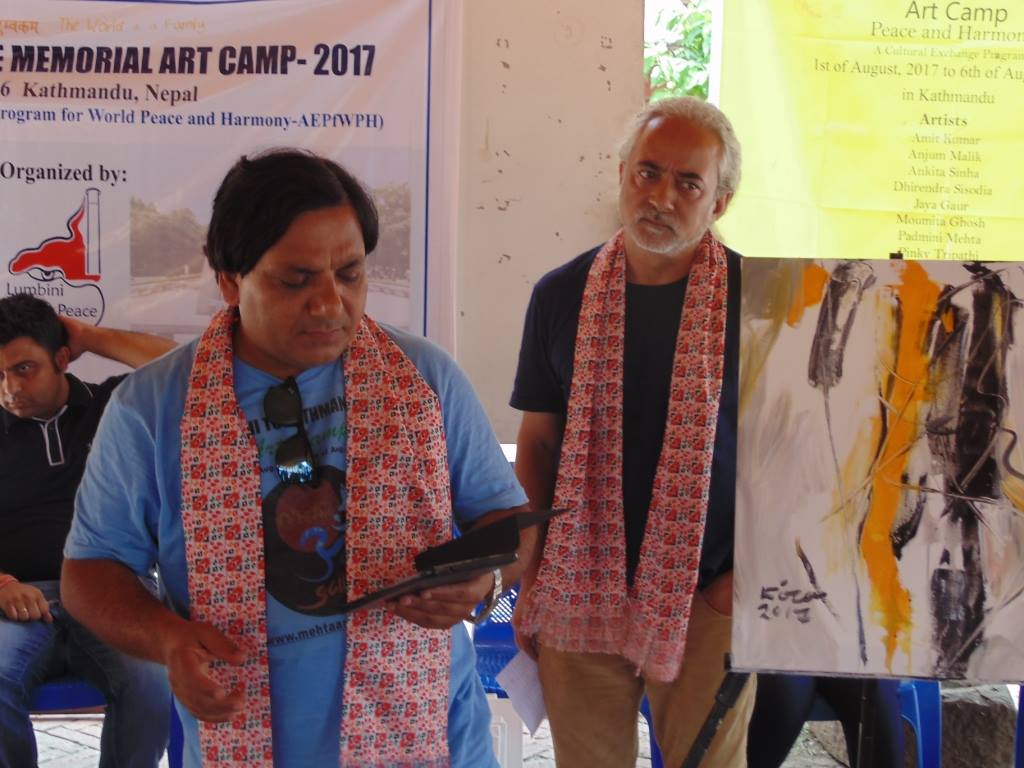
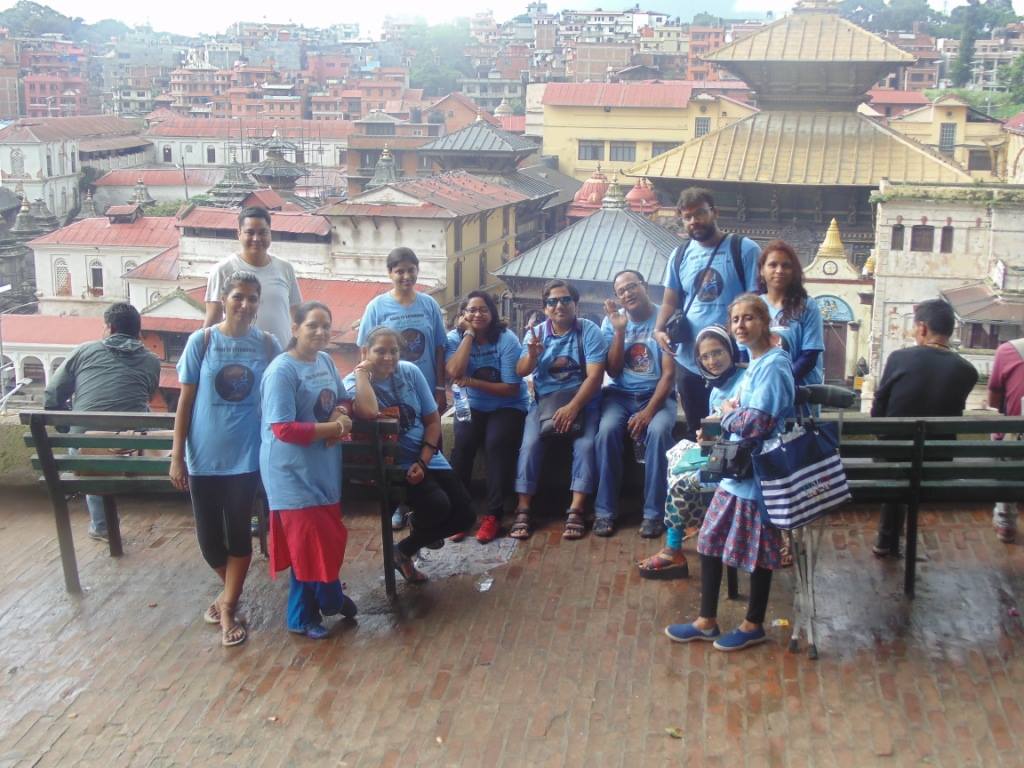
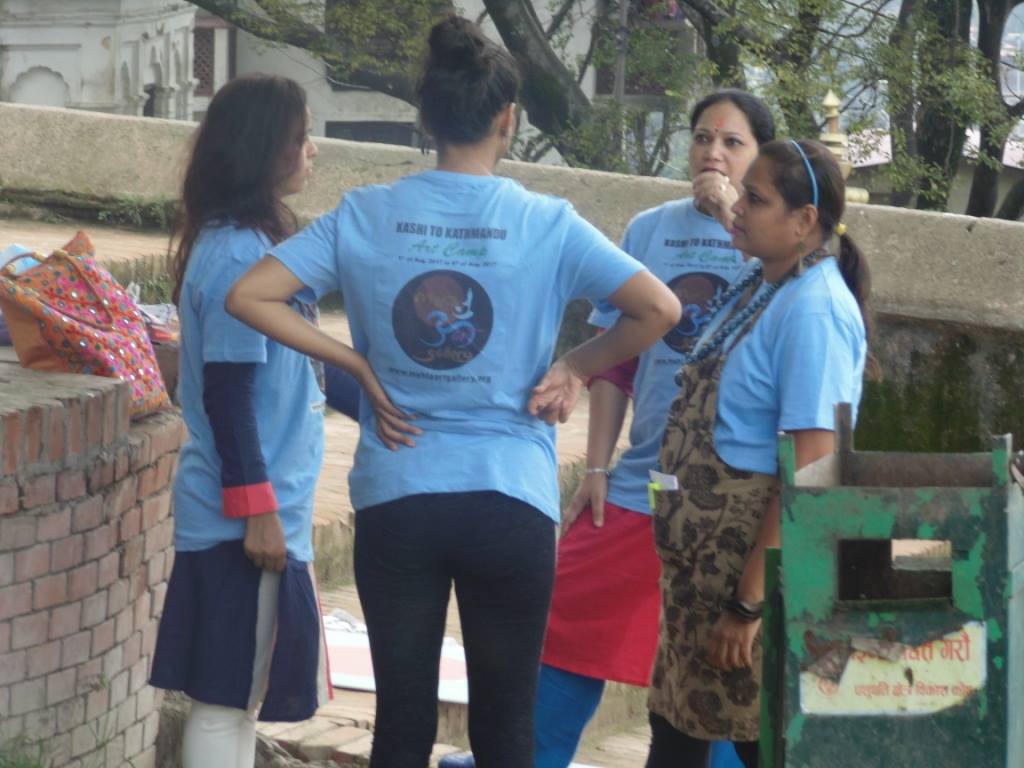
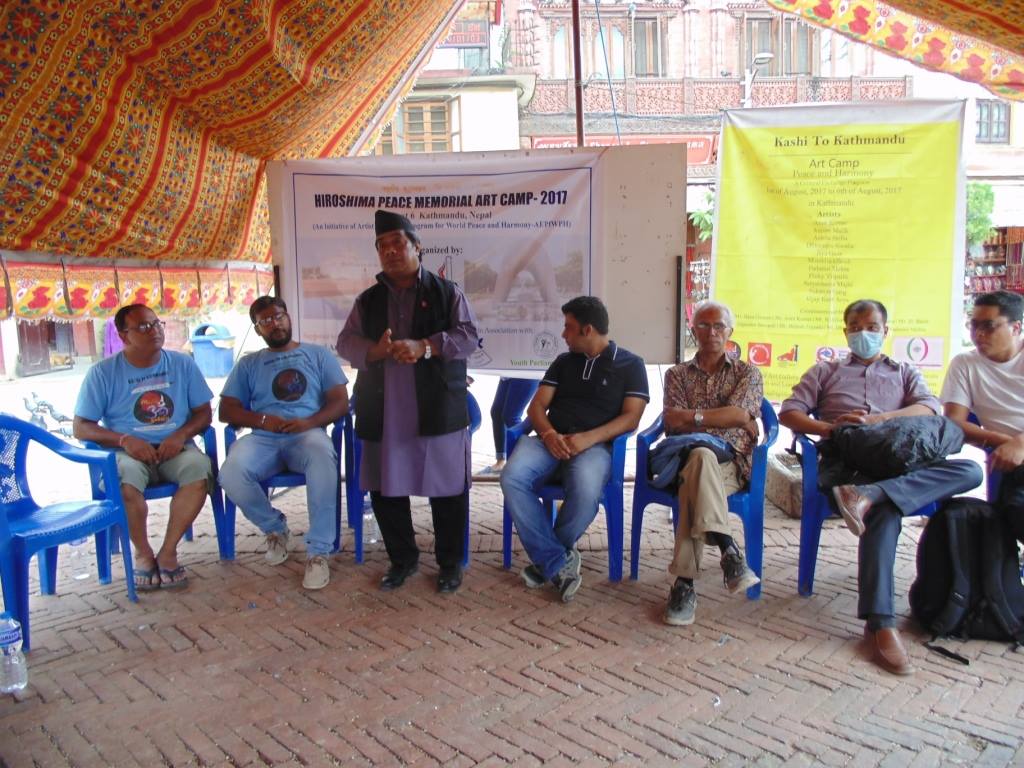
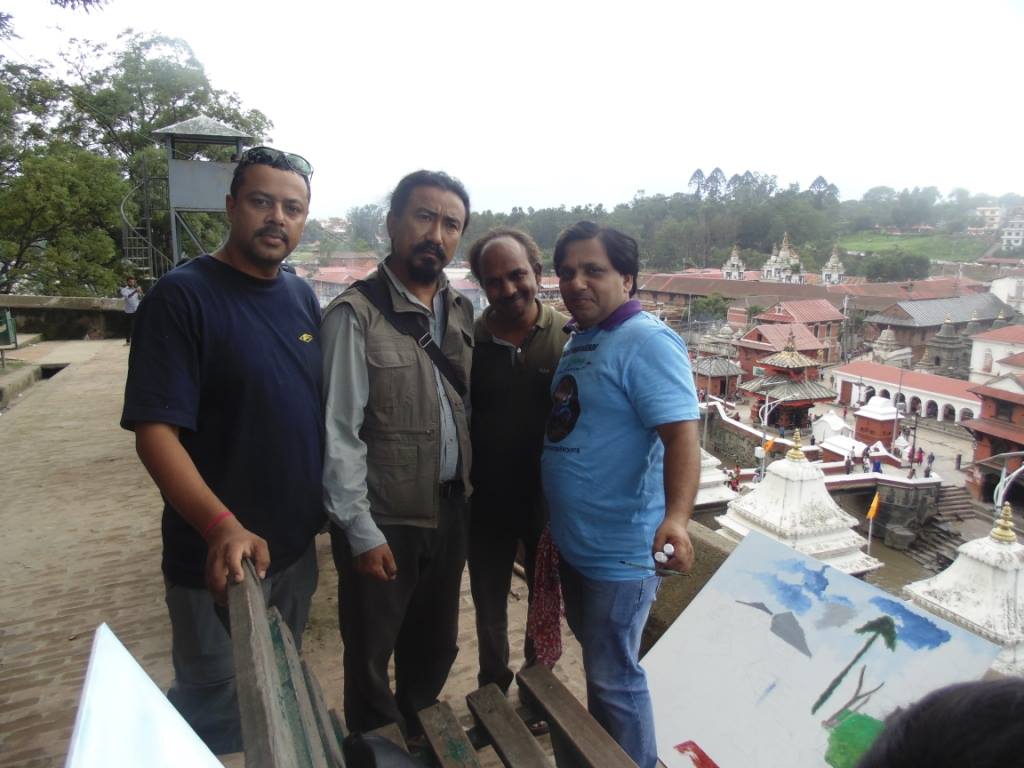
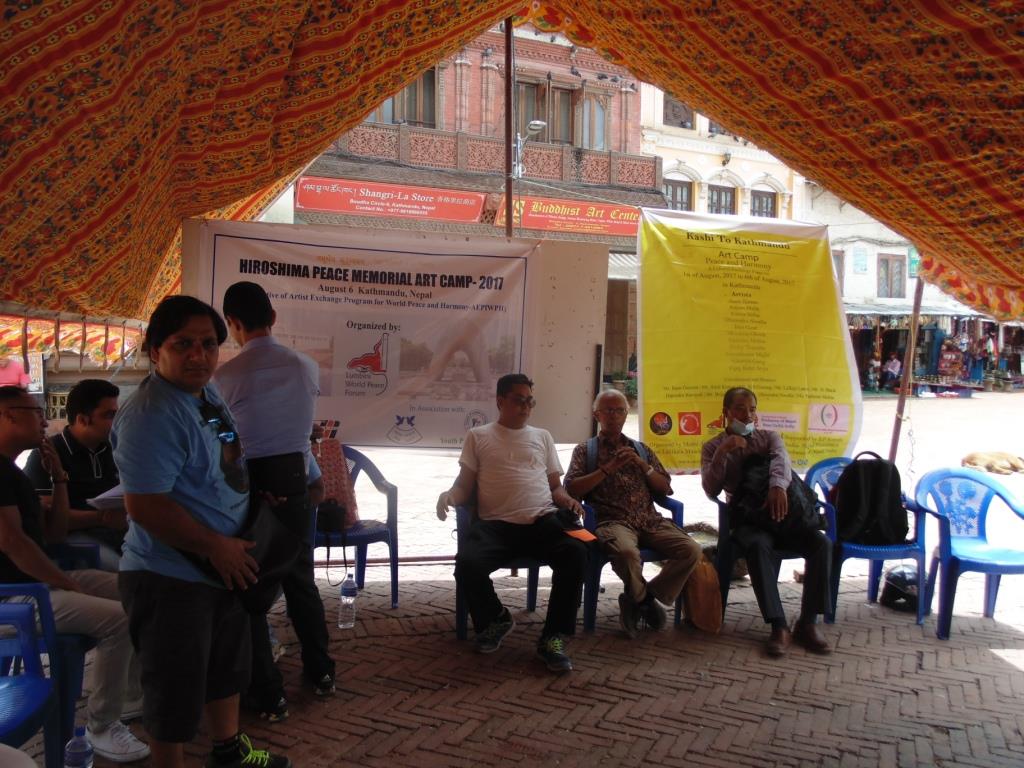
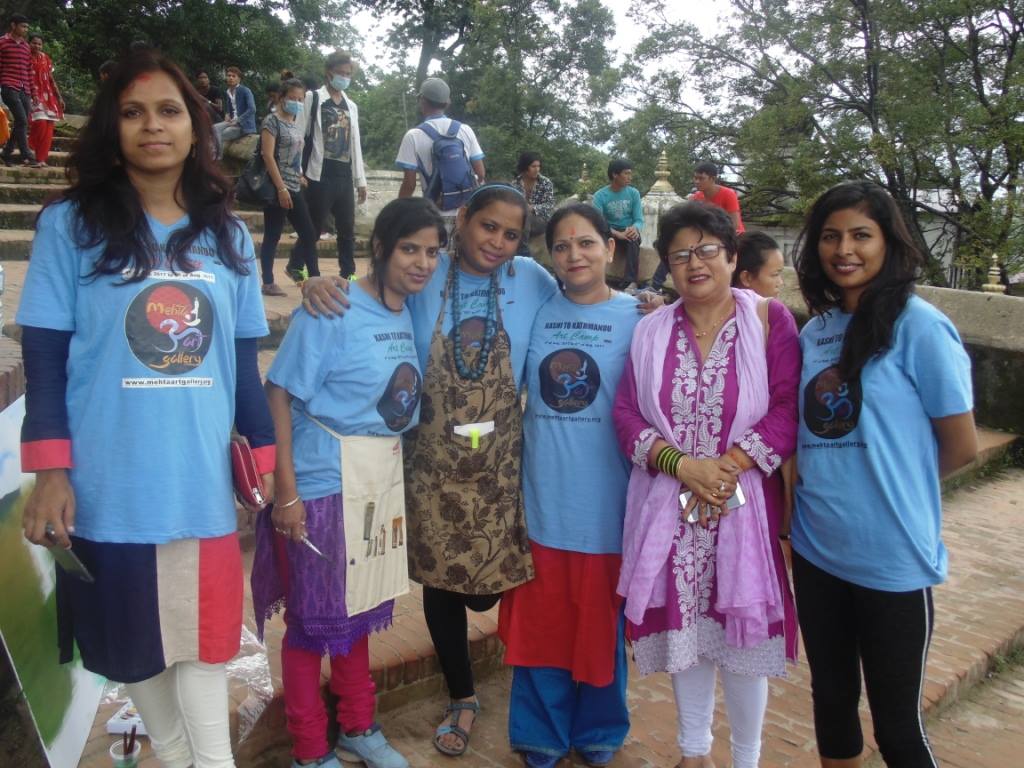
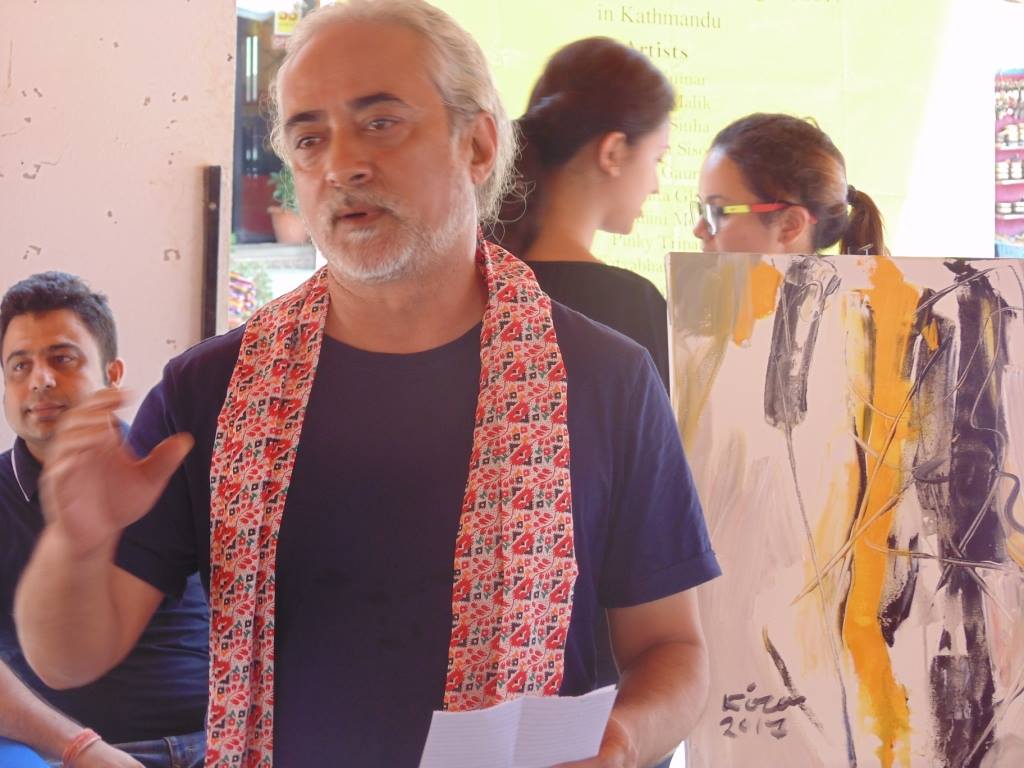
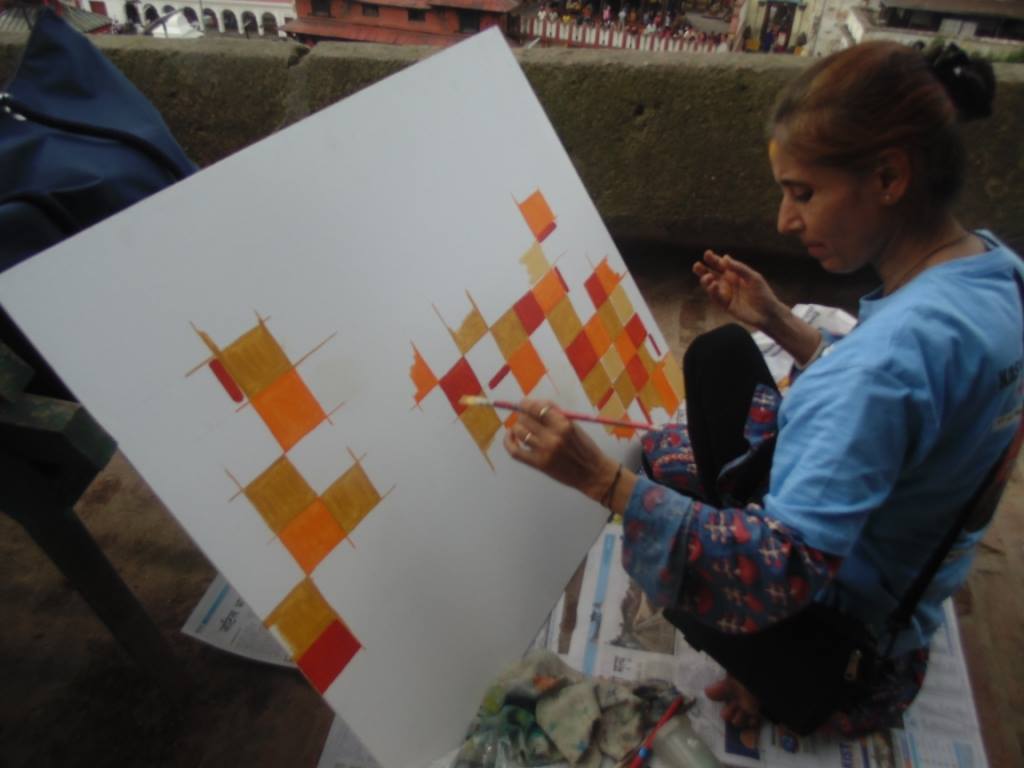
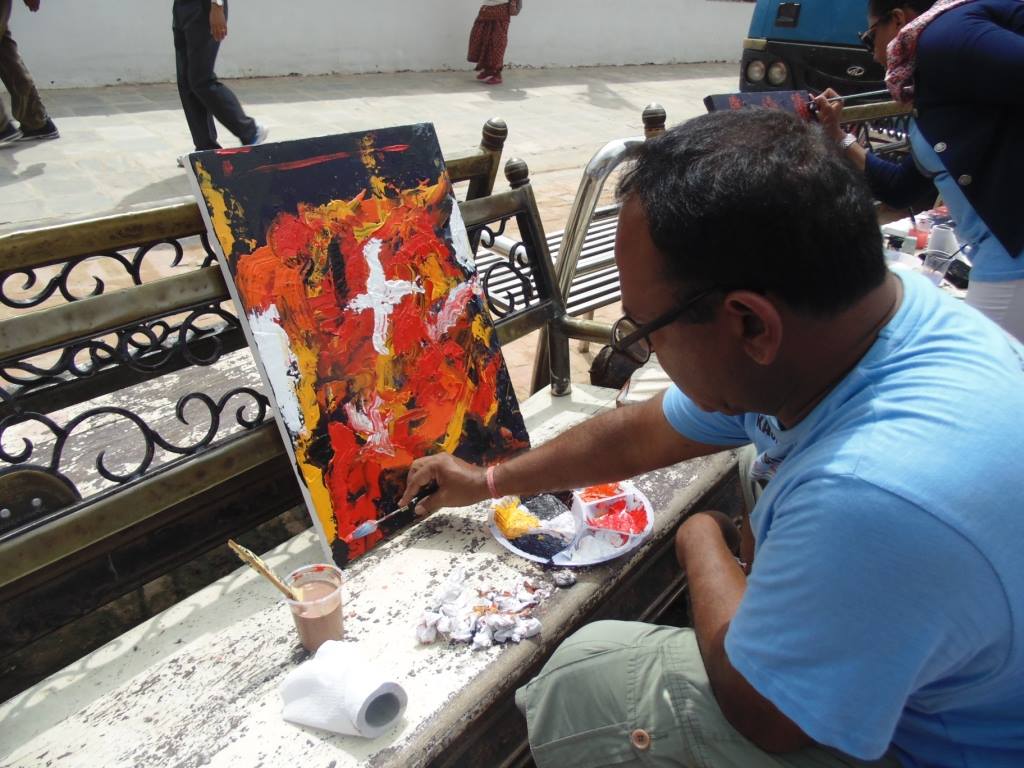
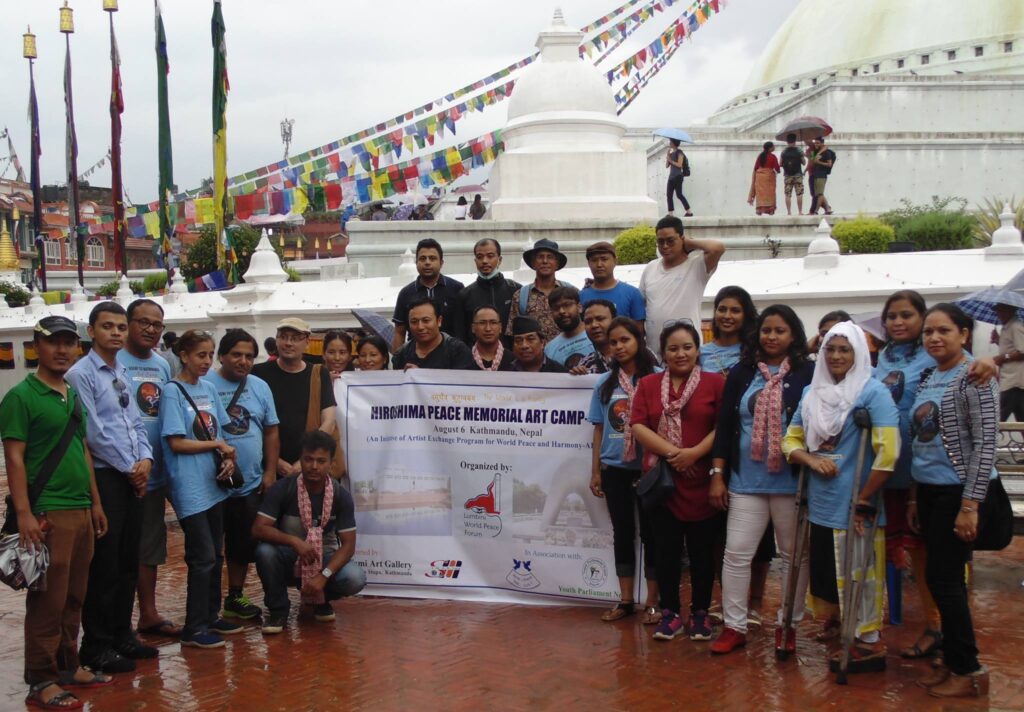
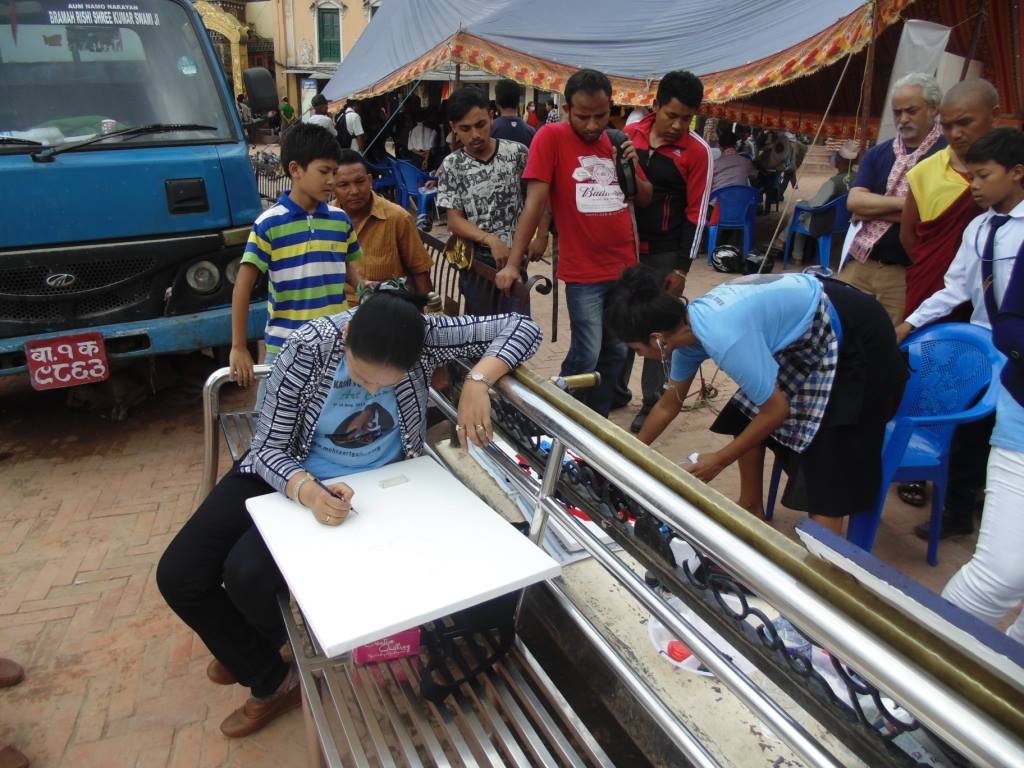
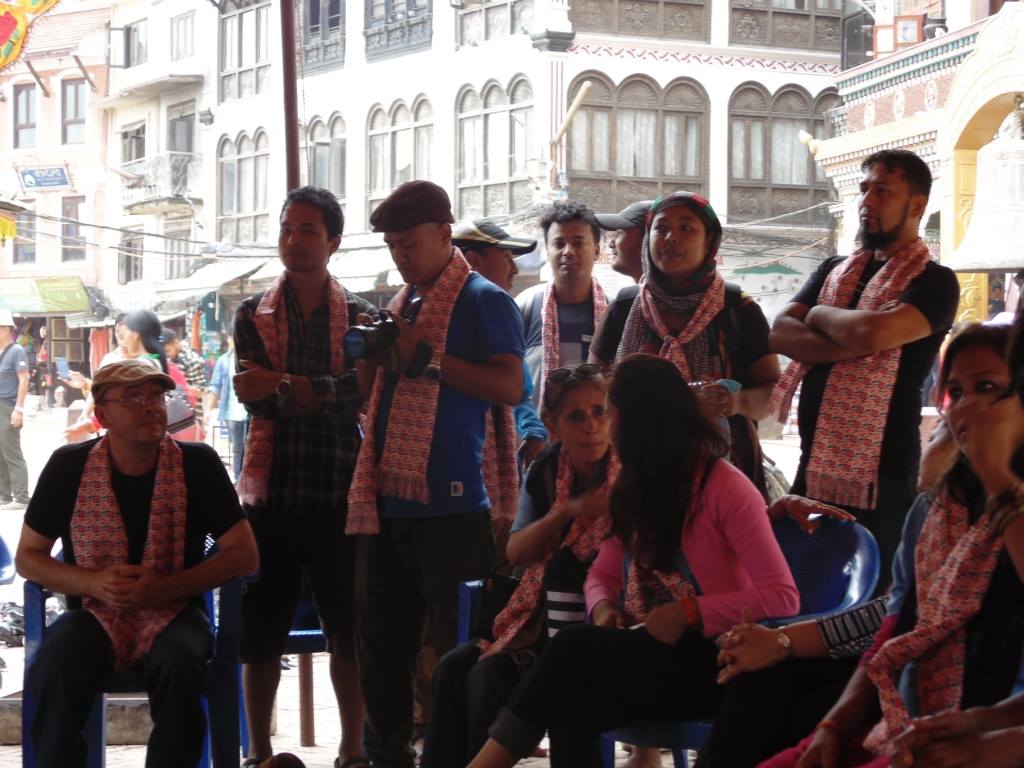
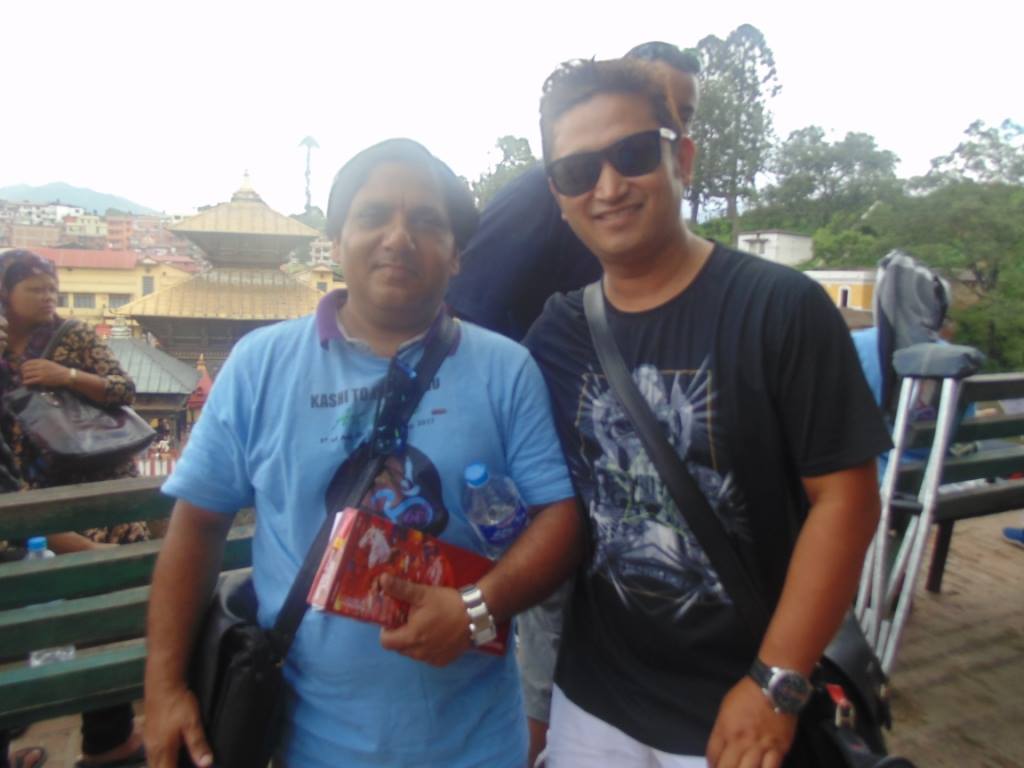
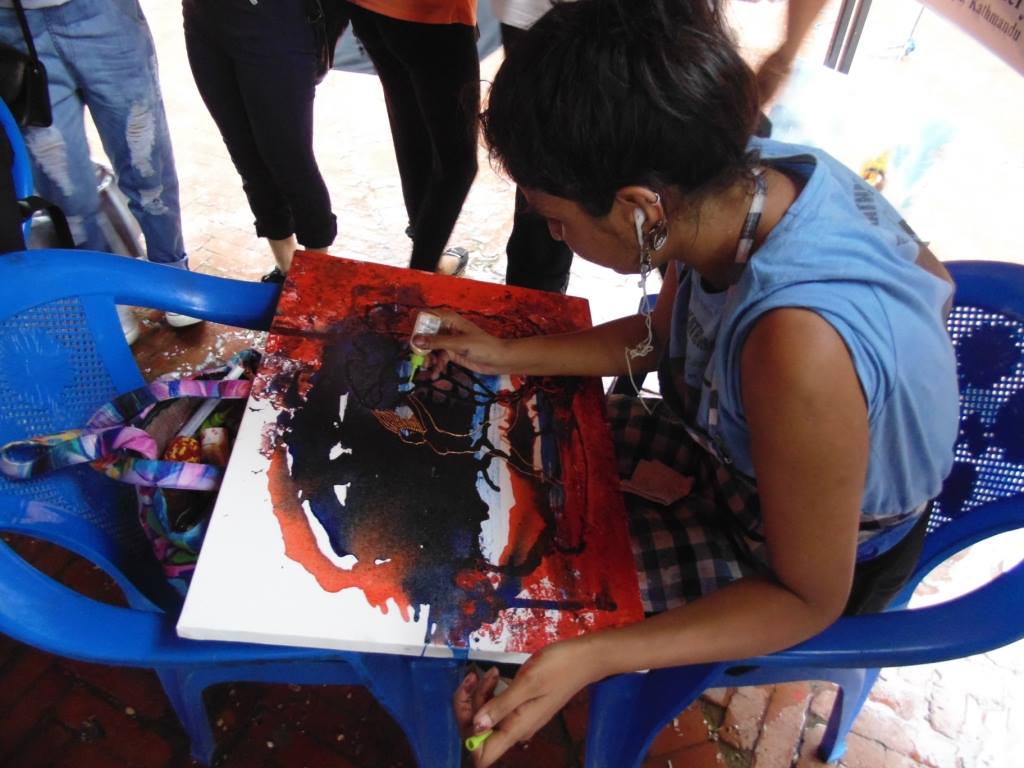
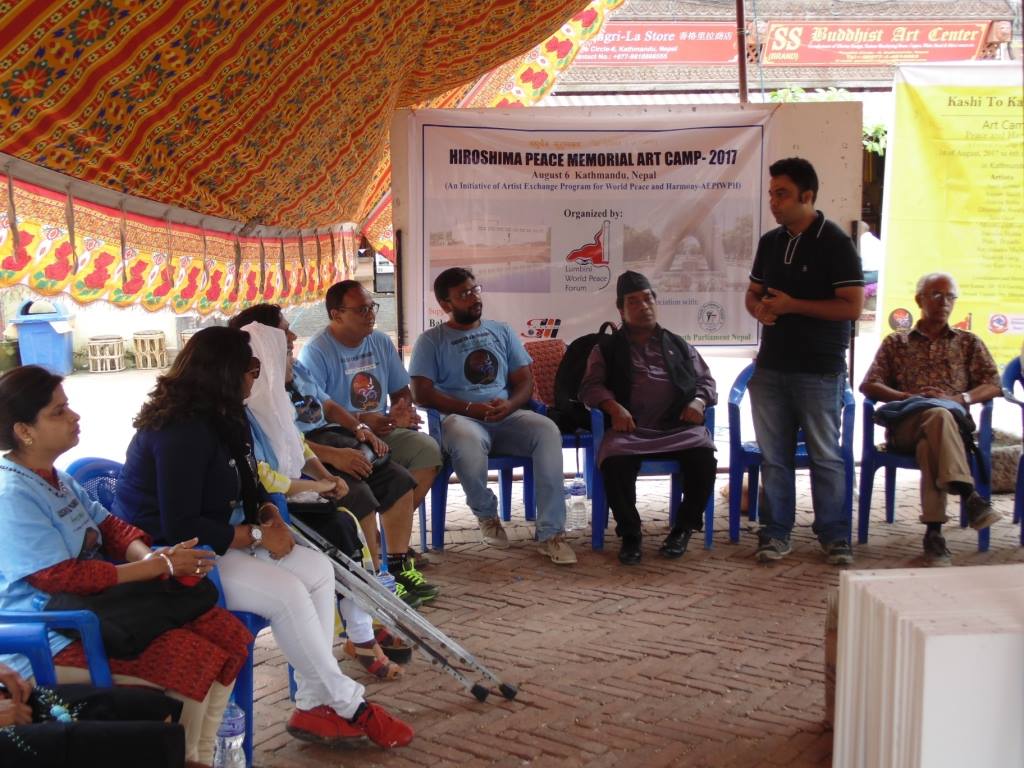
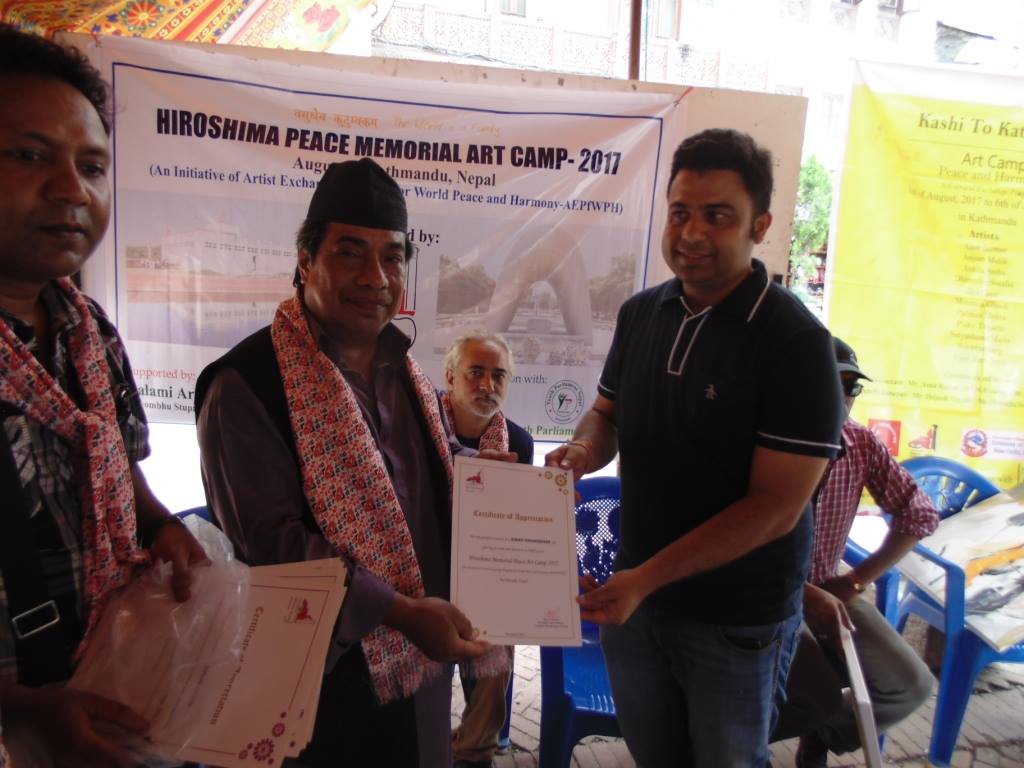
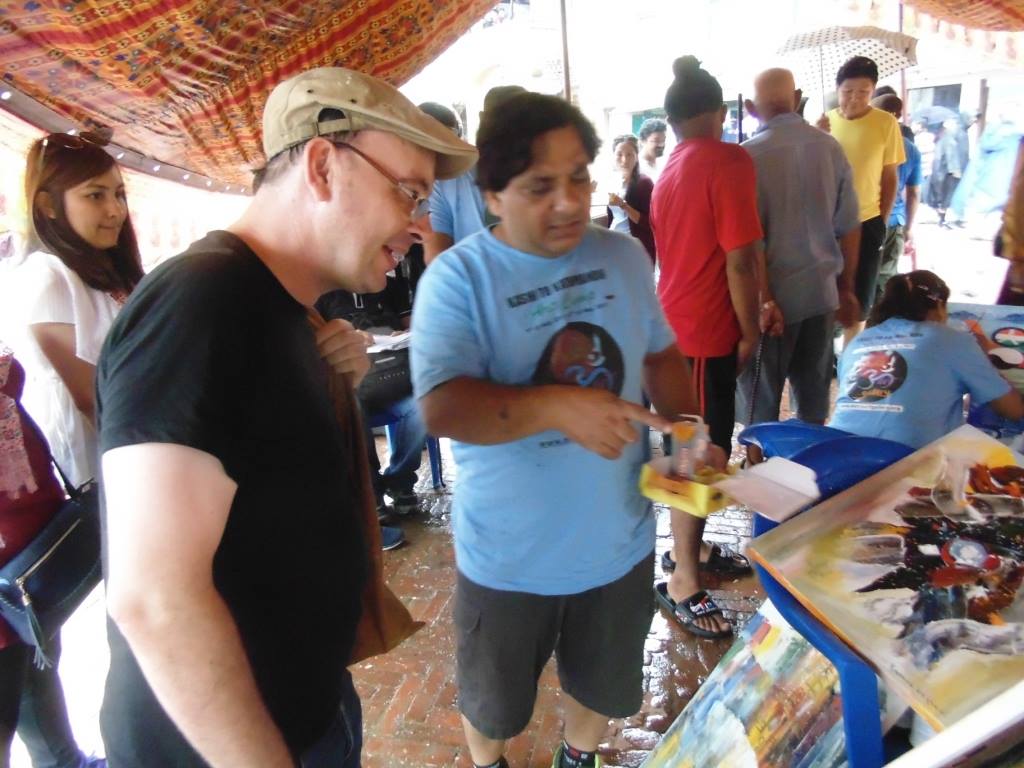
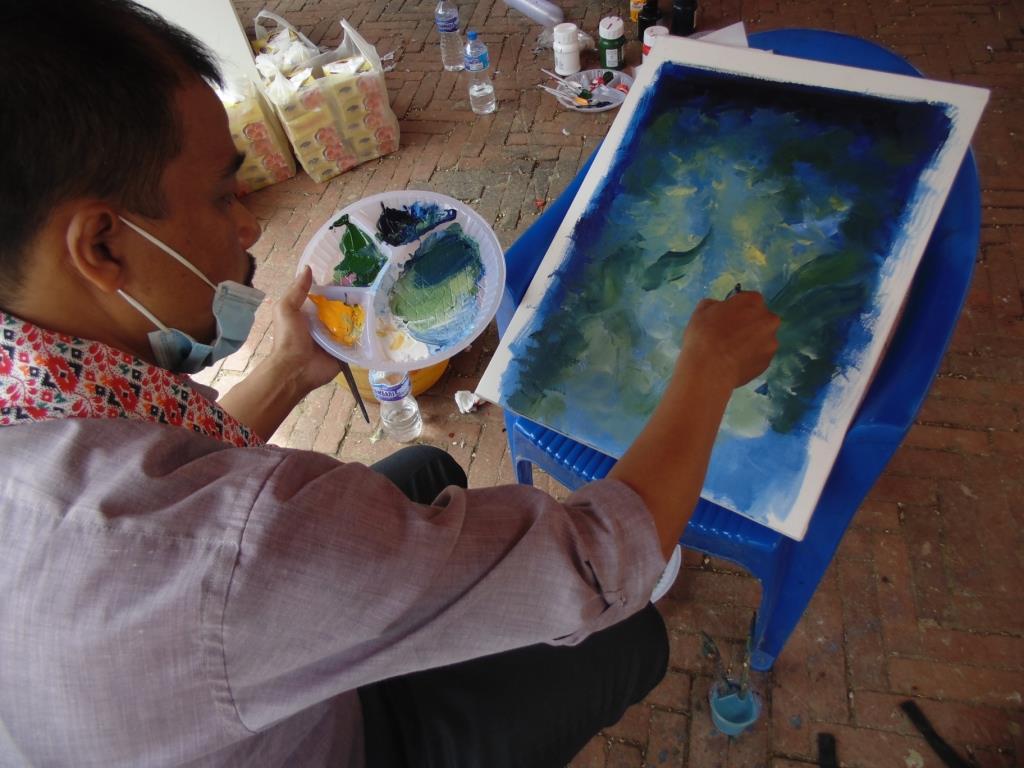
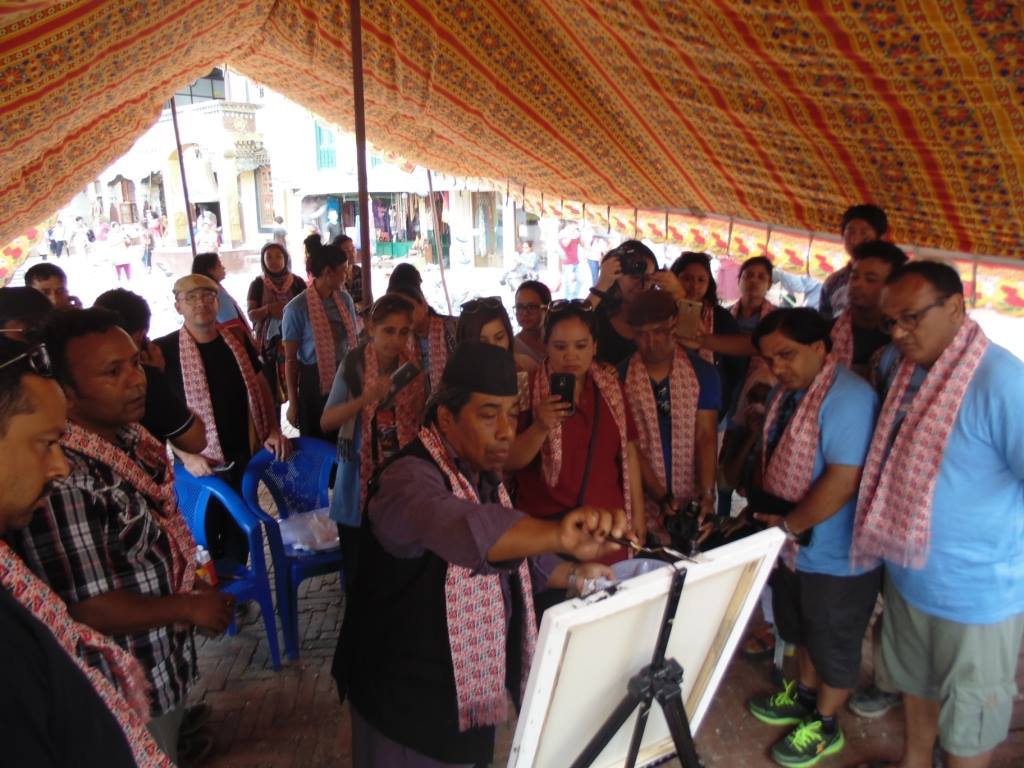
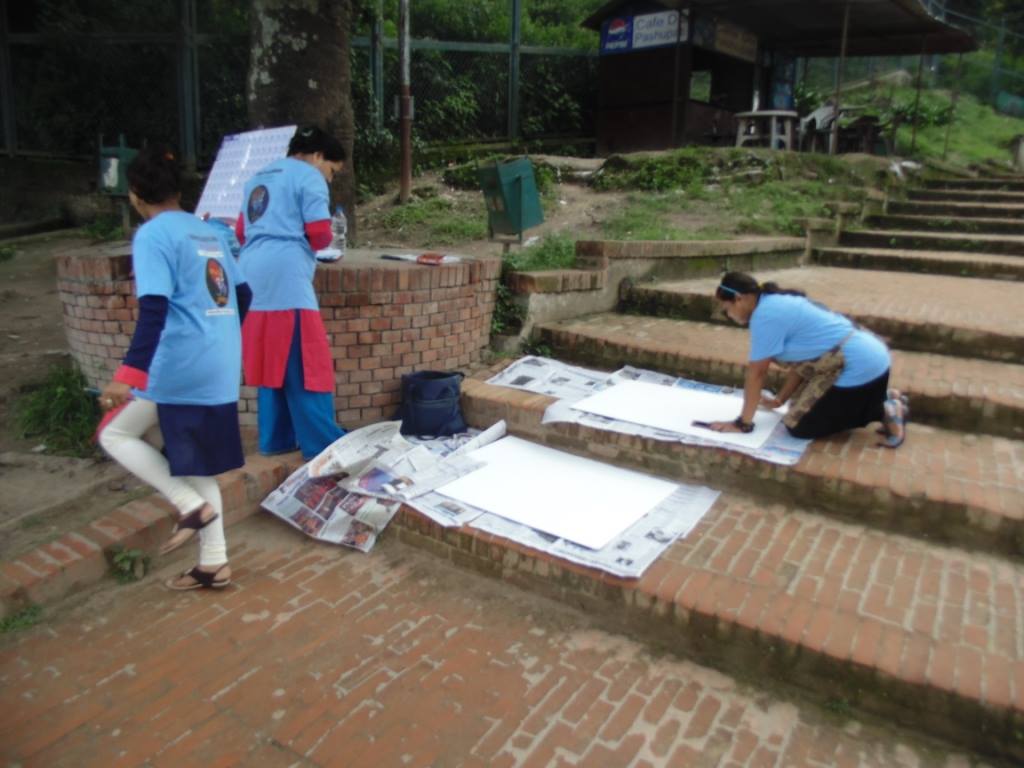
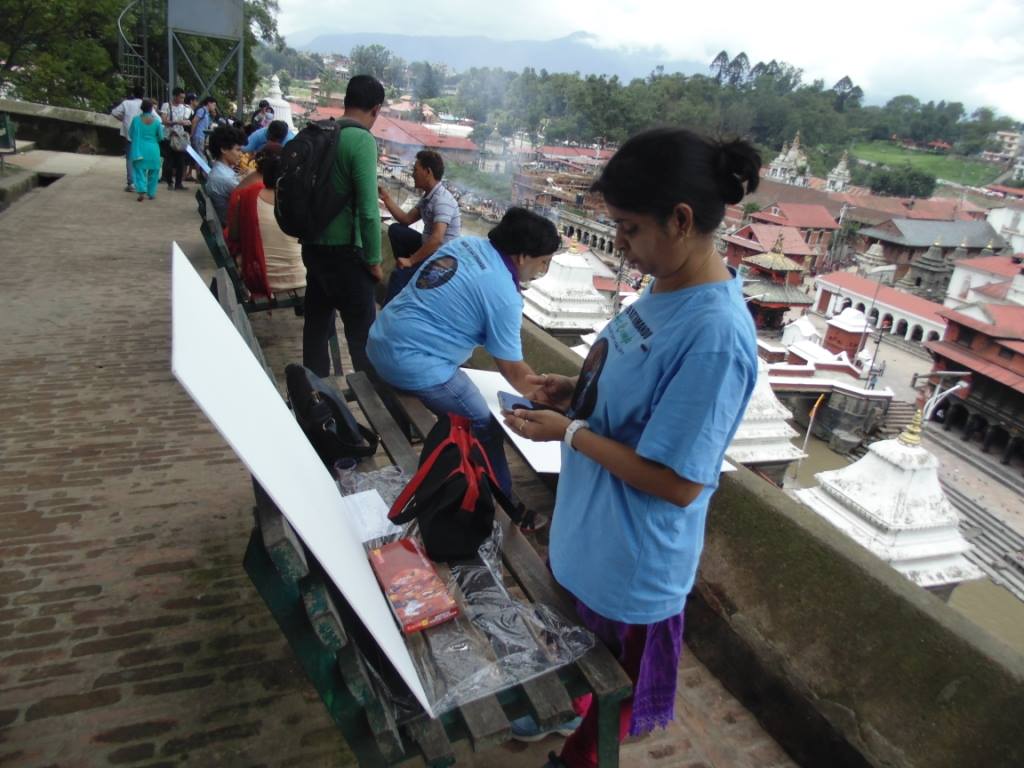
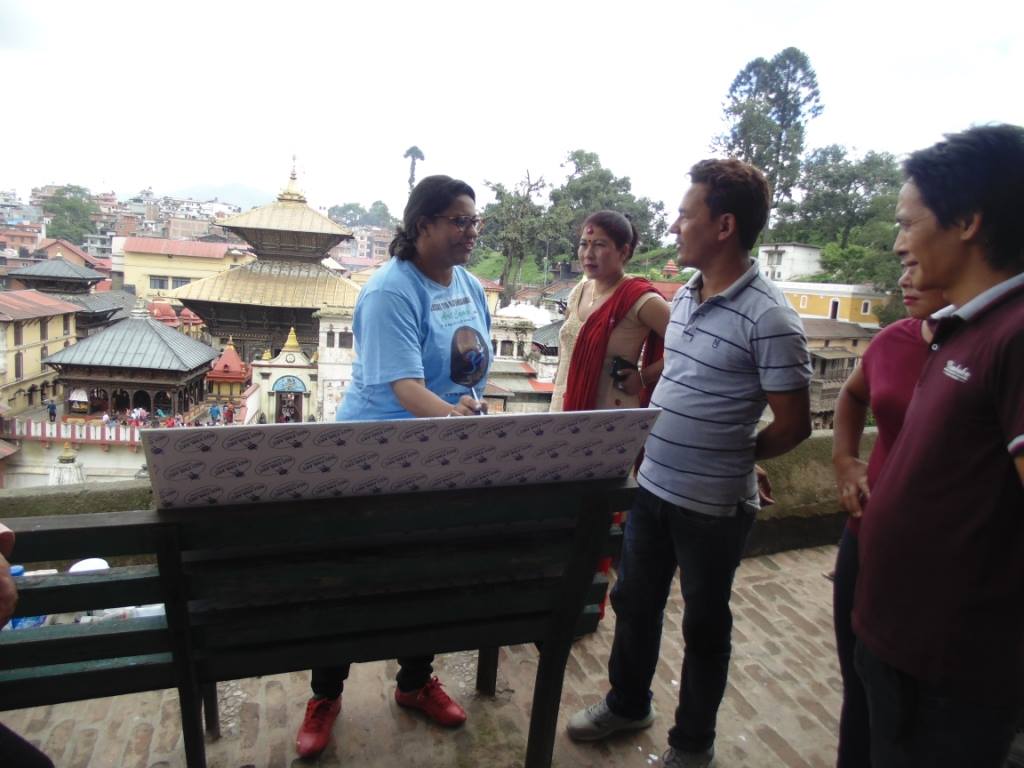
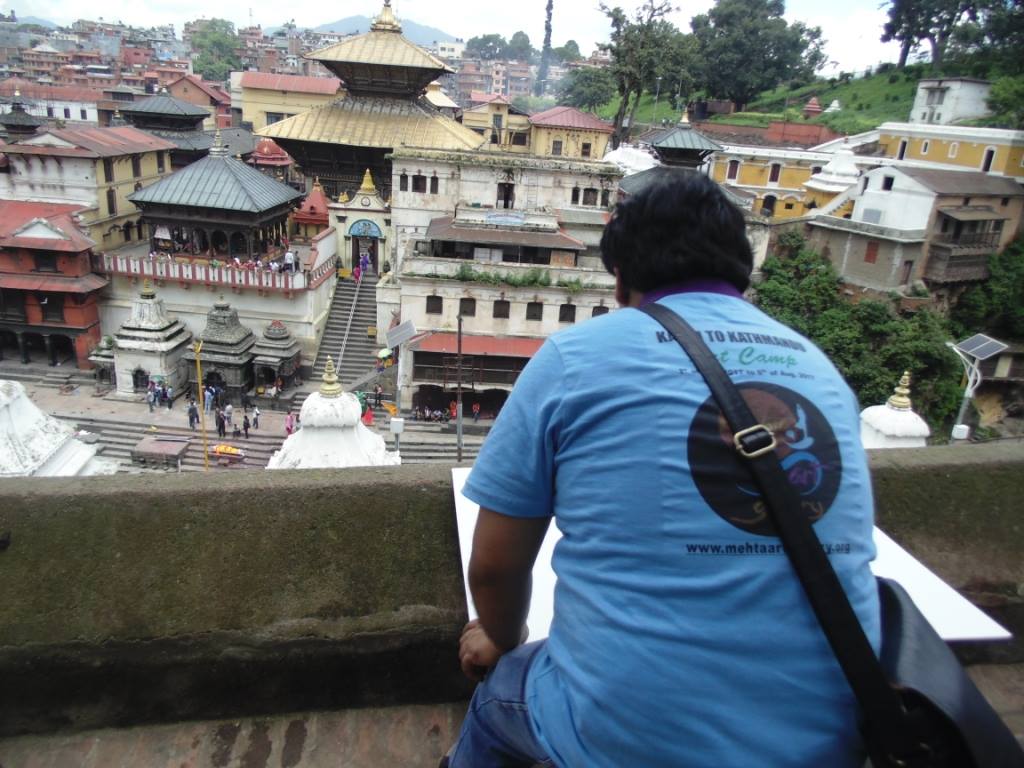
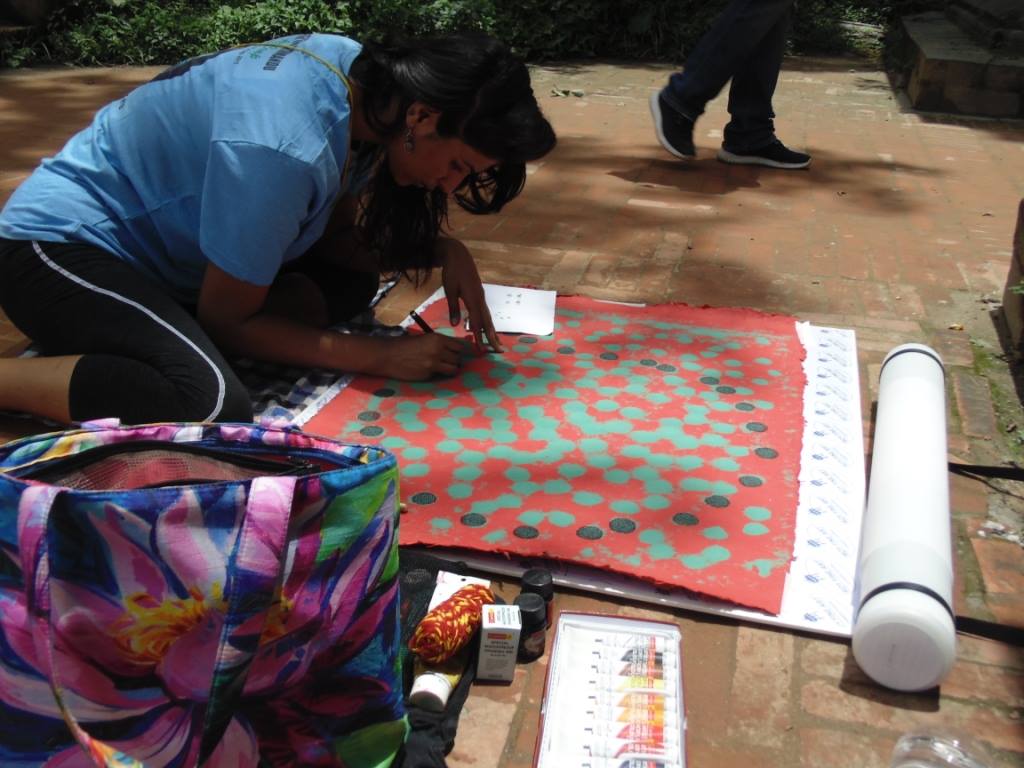
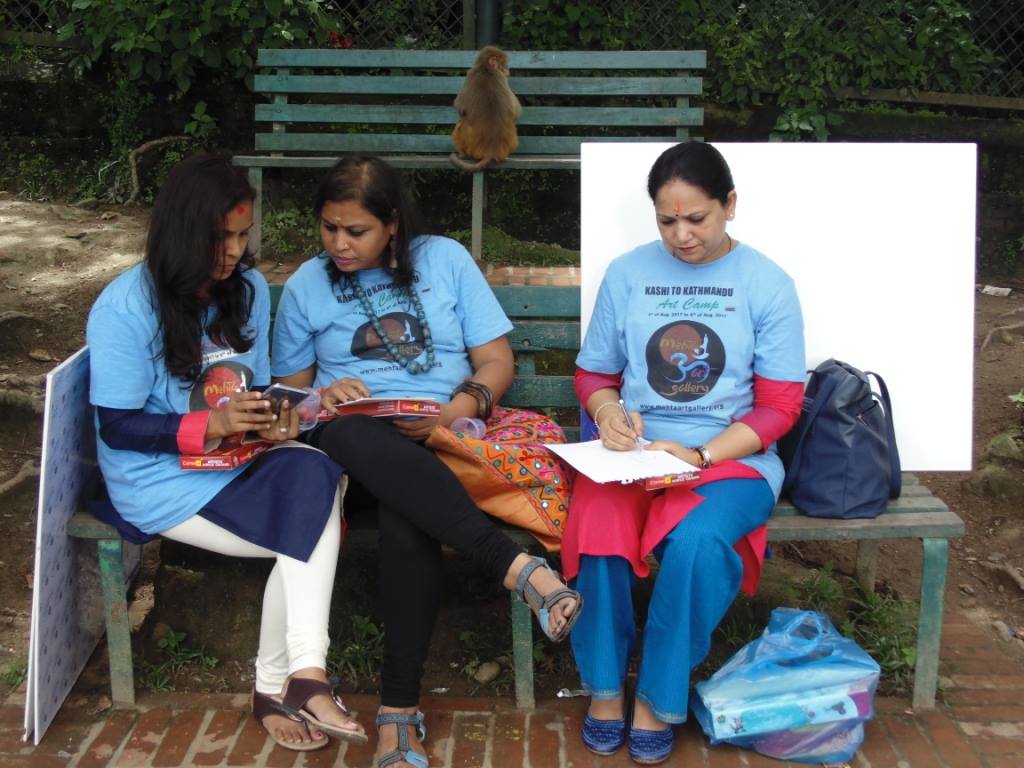
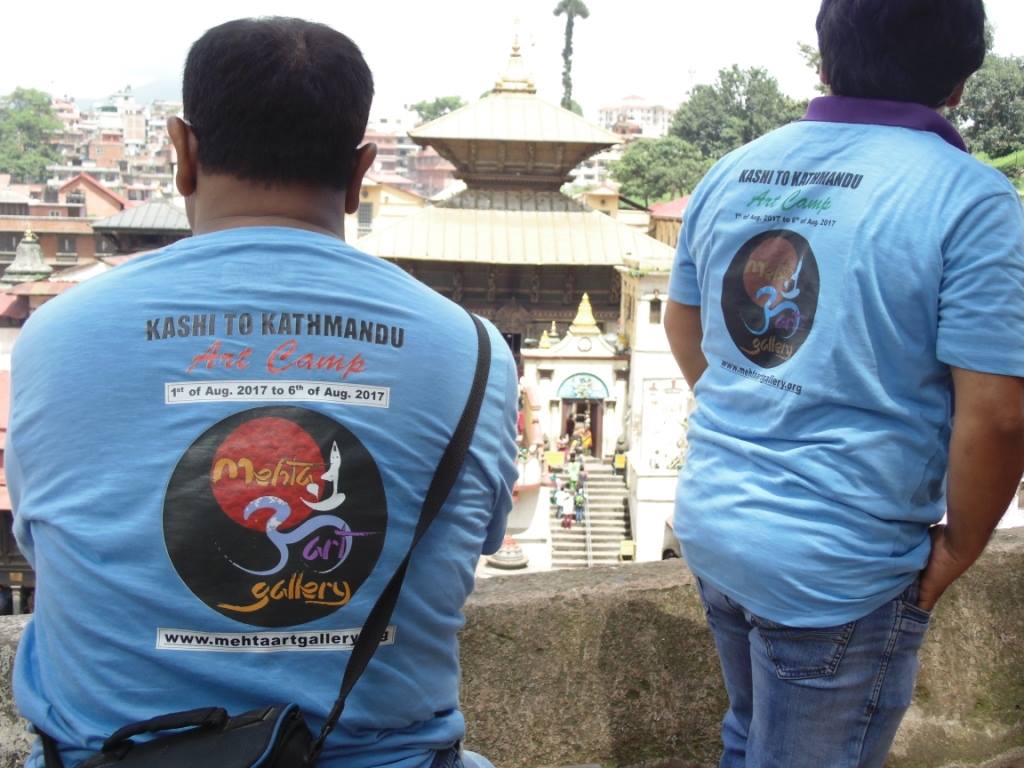
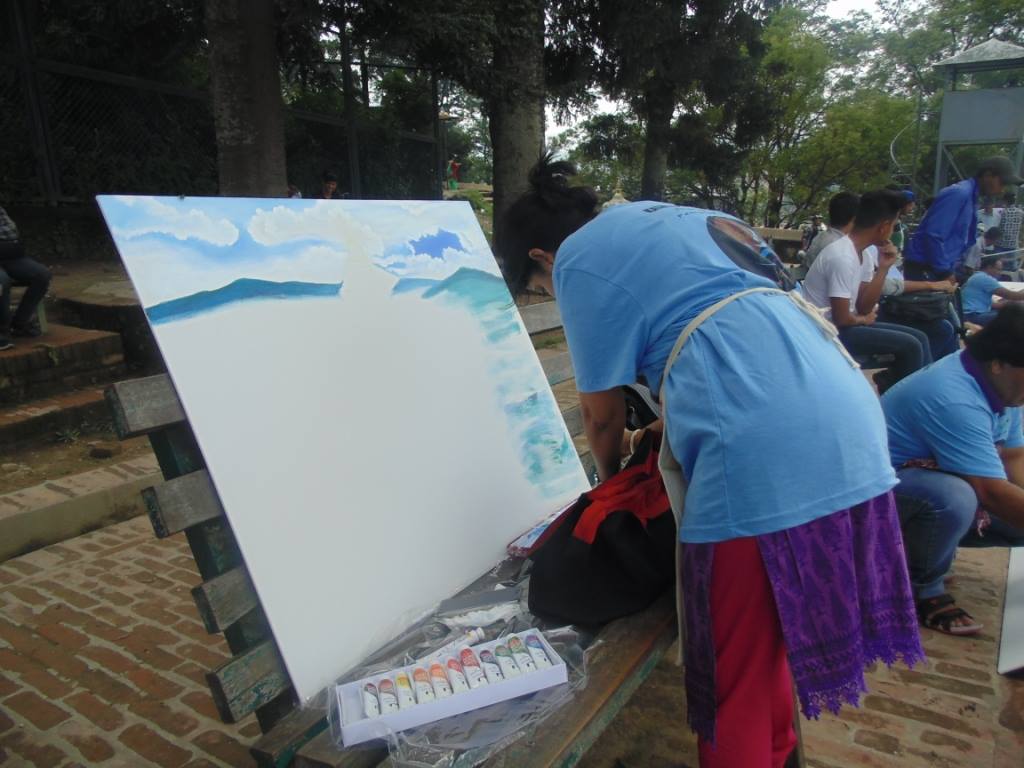
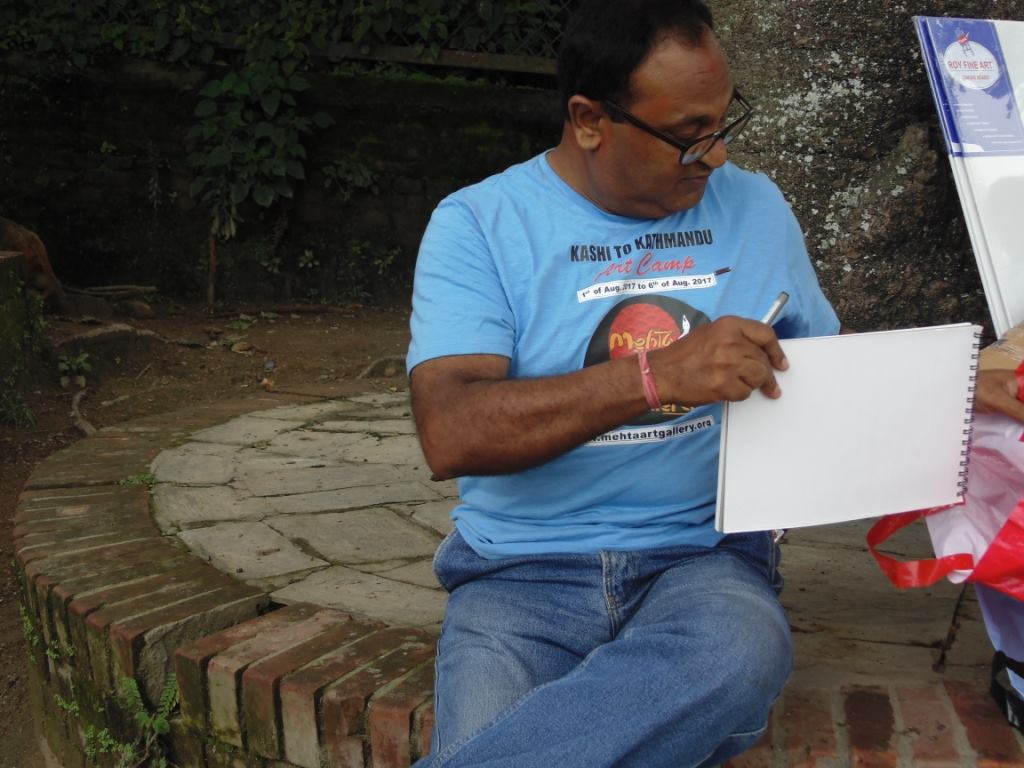
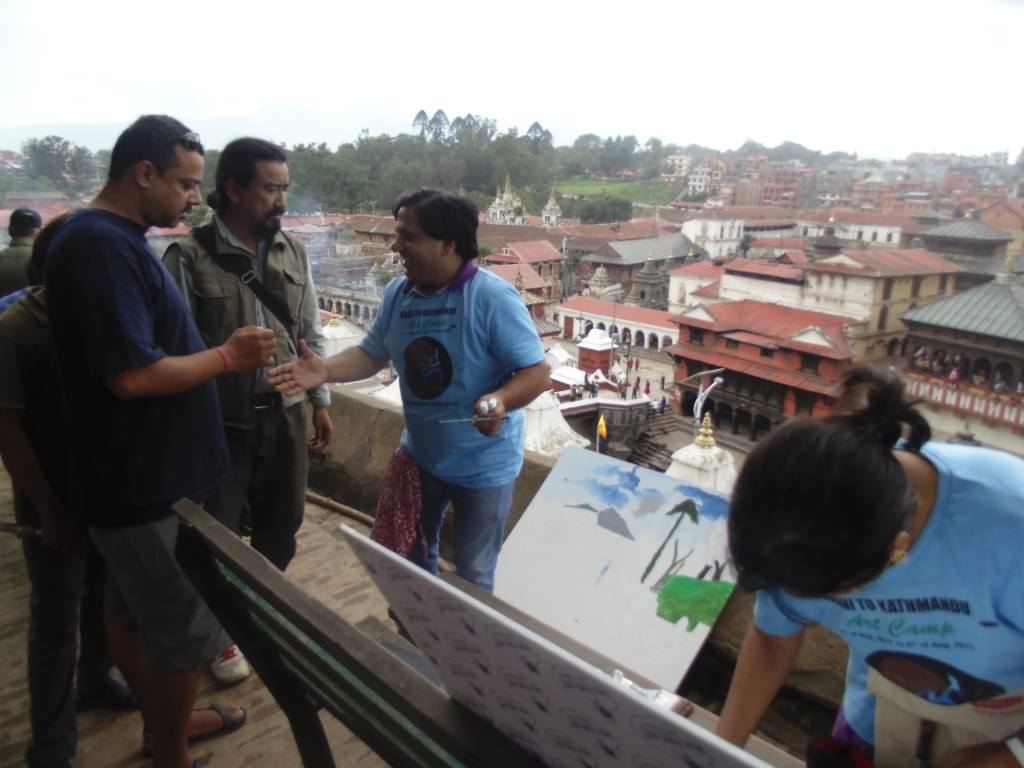
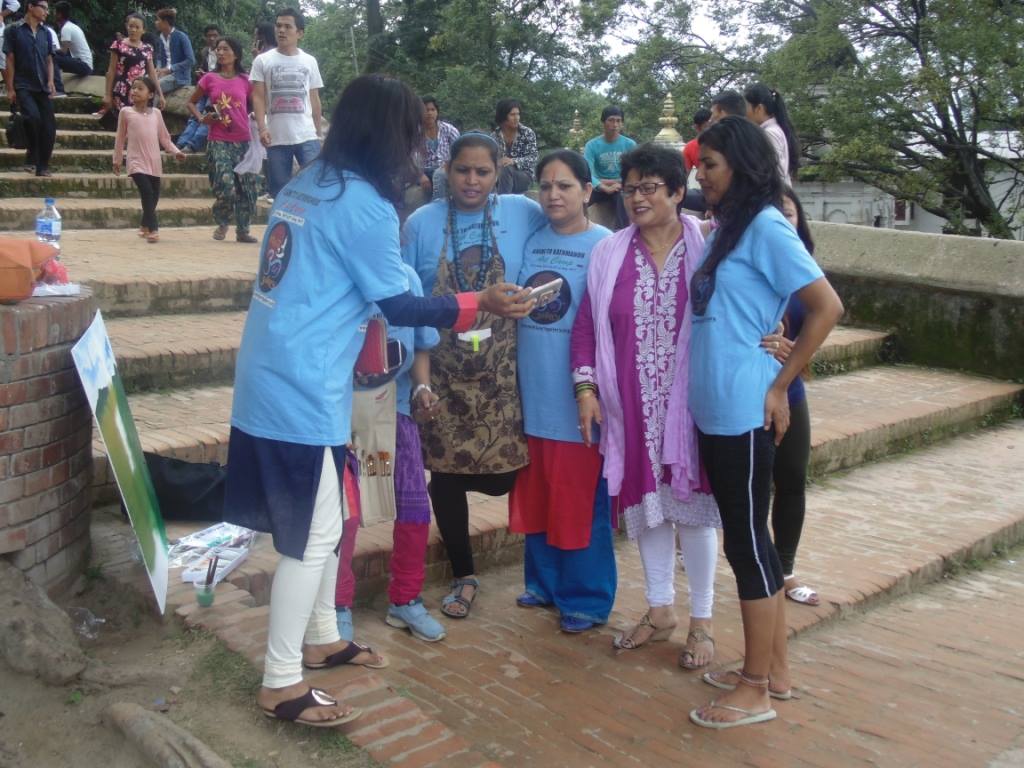
In August 2017, Mehta Art Gallery had the honor of hosting a historic art camp in Kathmandu, Nepal, under the banner “Kashi to Kathmandu: A Cultural Exchange Program”. This initiative brought together artists from India and Nepal in a celebration of creativity, cultural dialogue, and spiritual togetherness. Organized in coordination with Lumbini World Peace Forum, the Embassy of Nepal in India, and several local organizations and galleries, the event became a living testimony of the deep-rooted cultural and spiritual connections that bind the two neighboring countries.

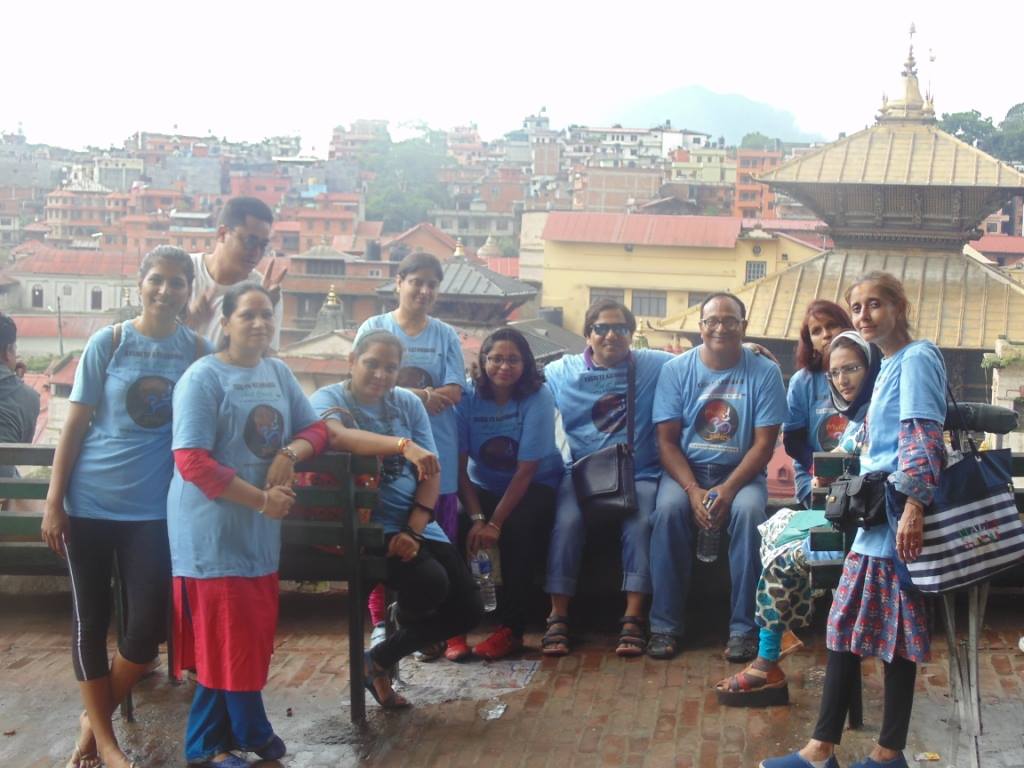
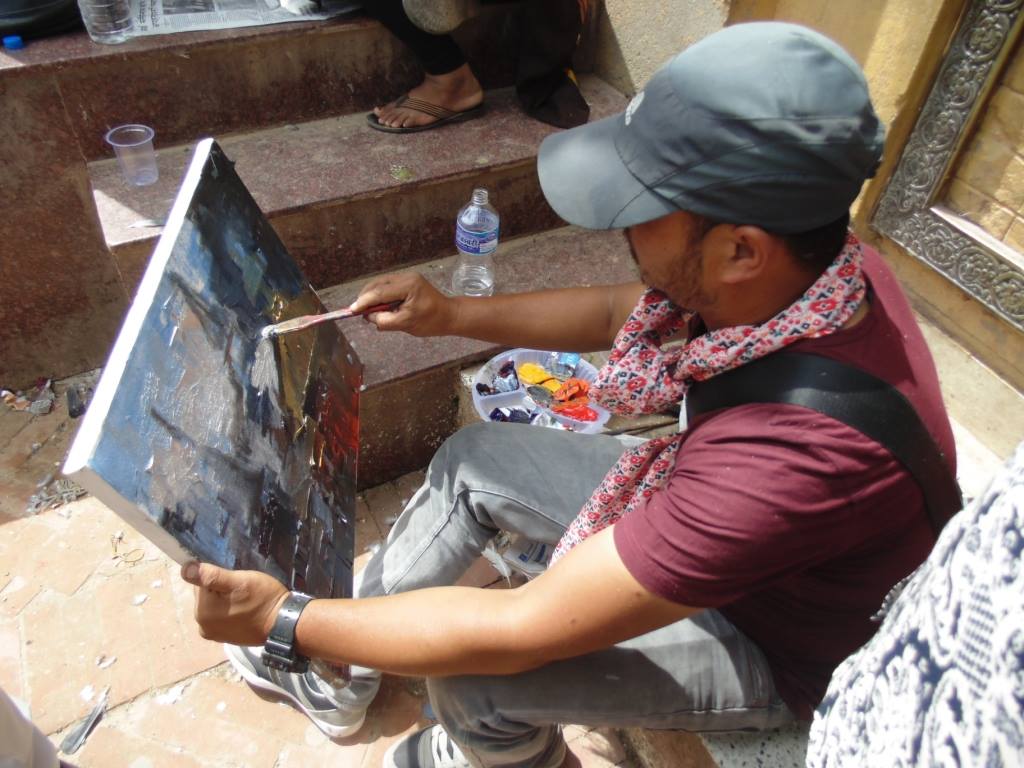
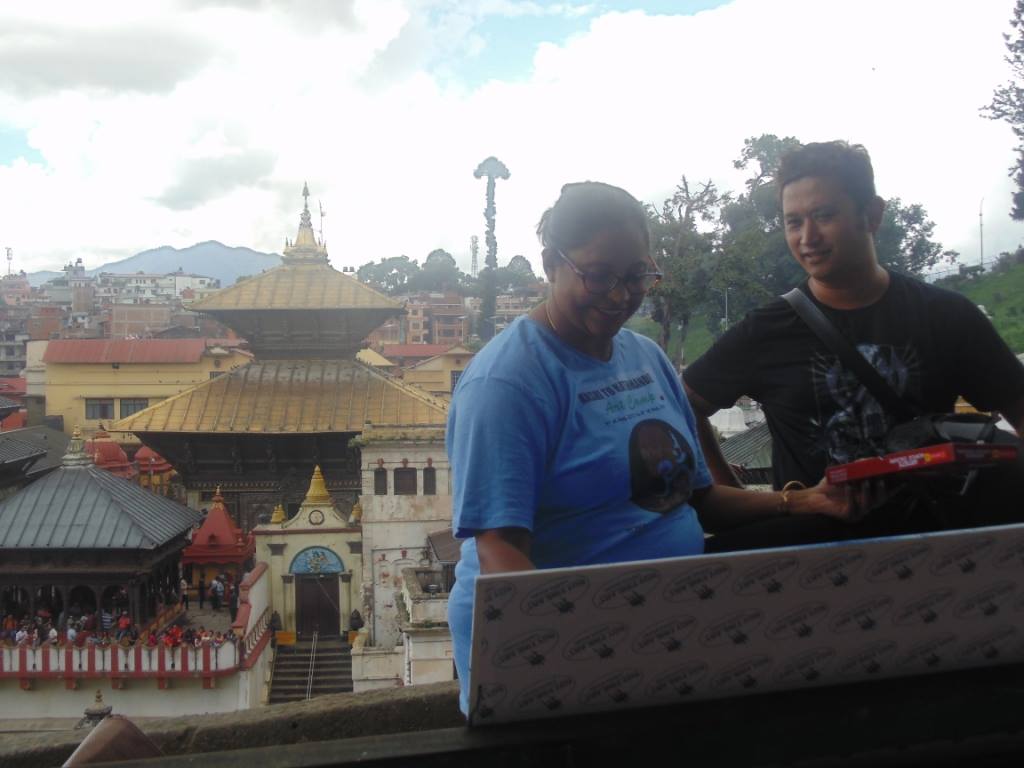
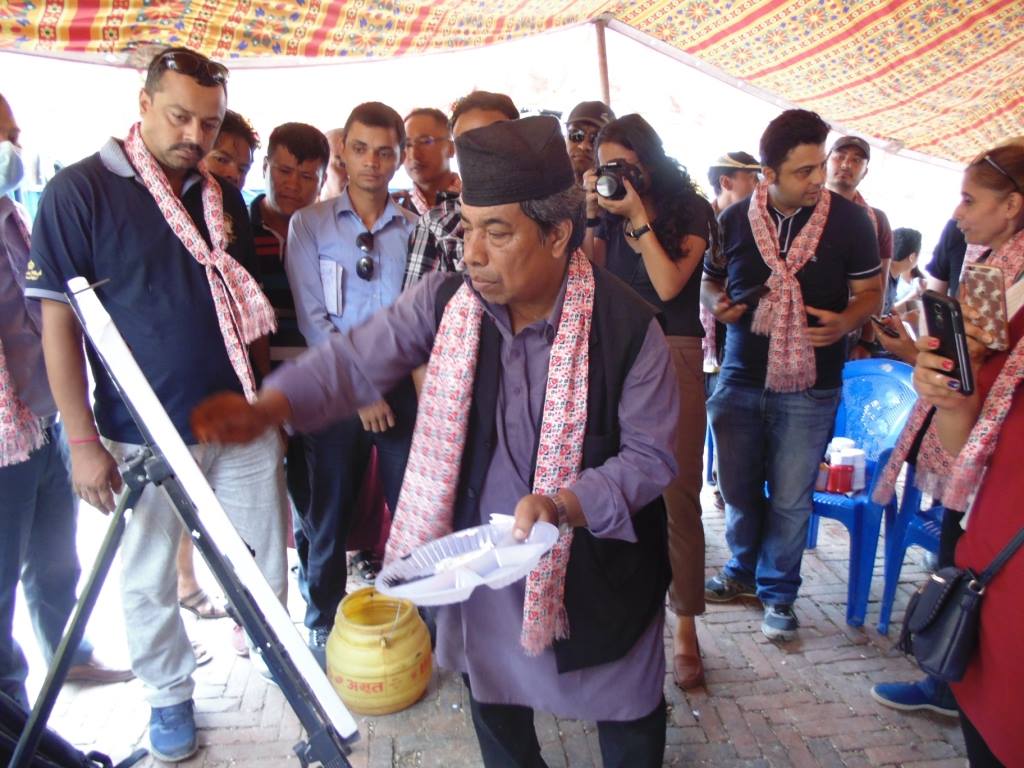
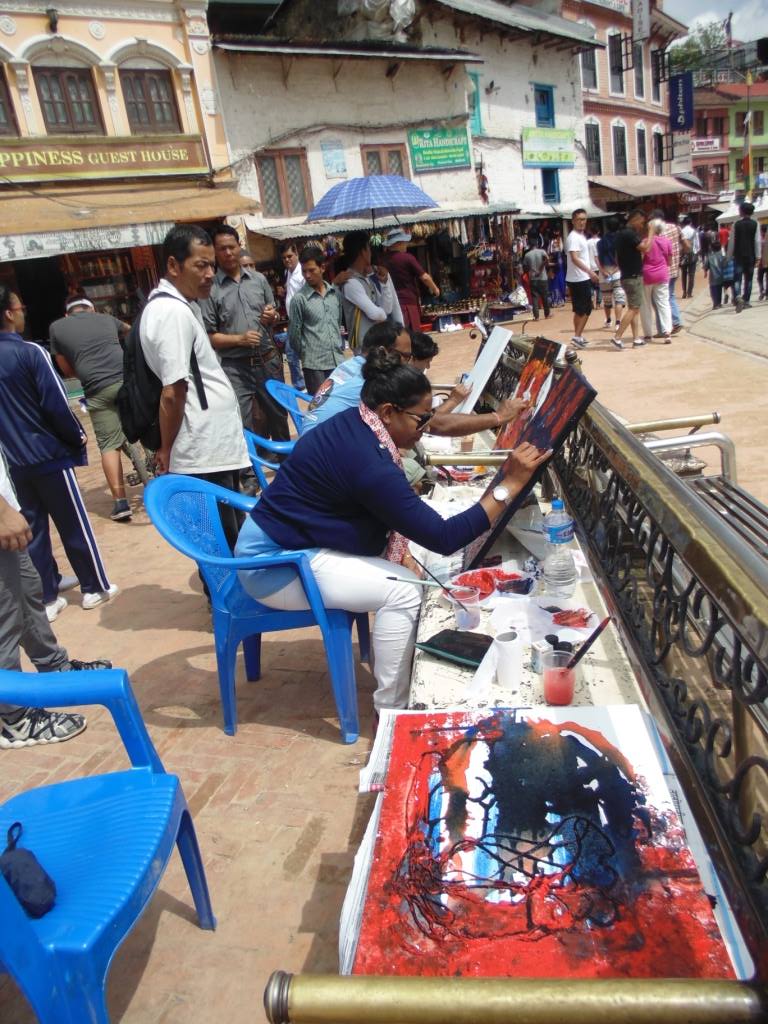
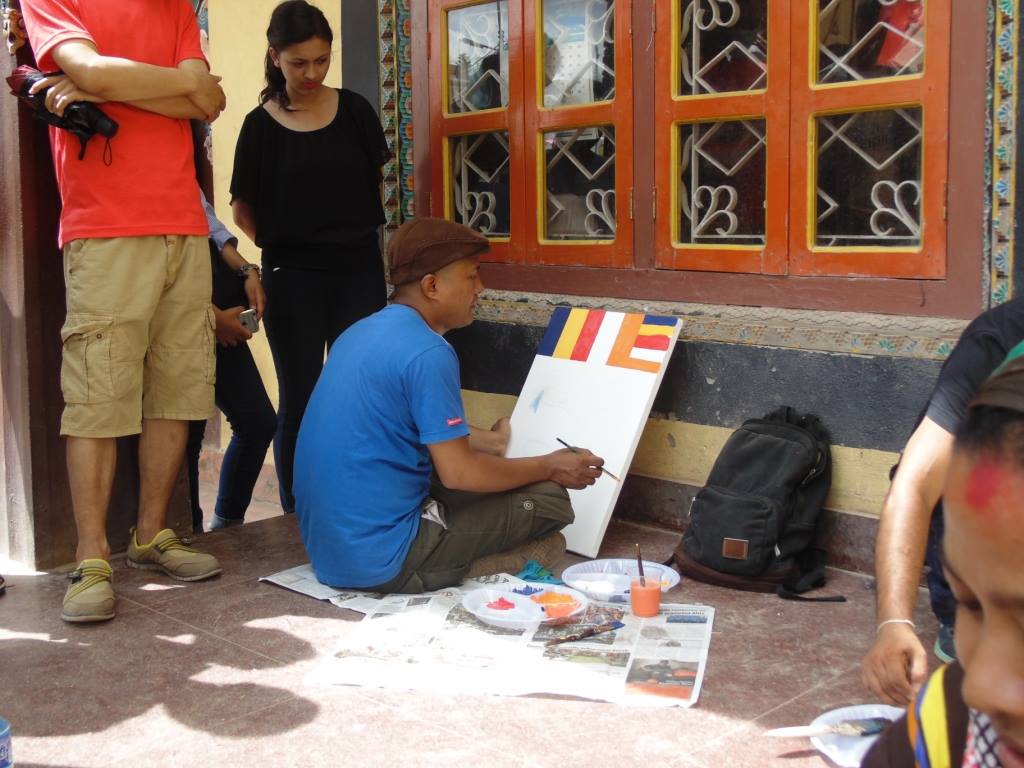
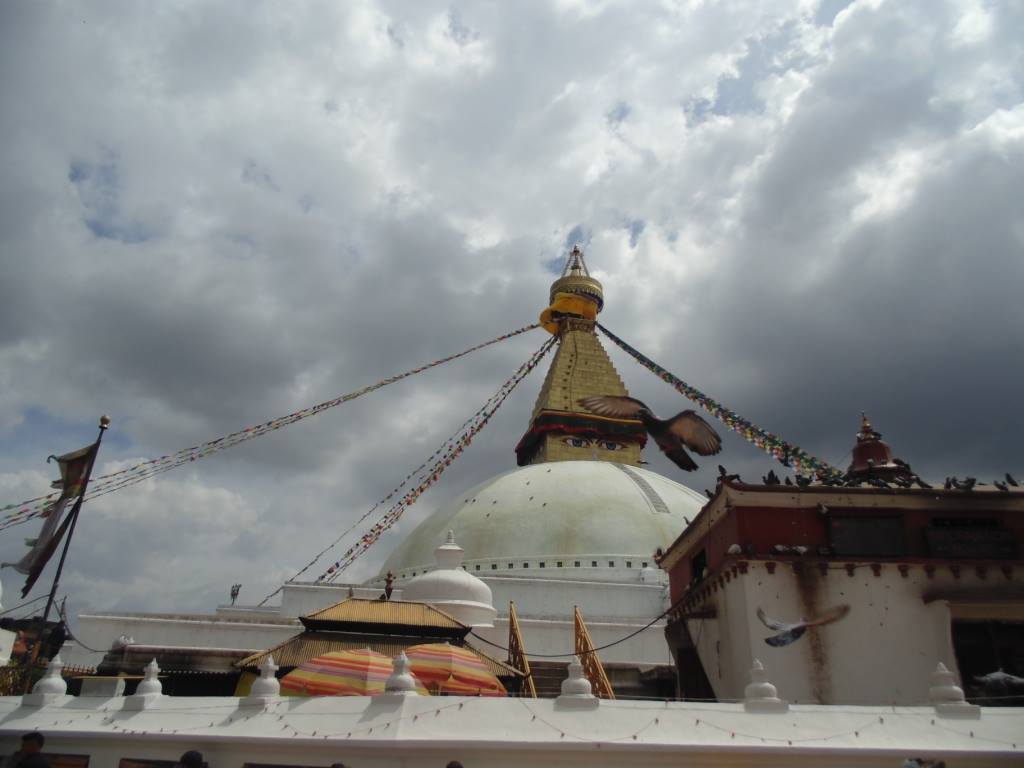
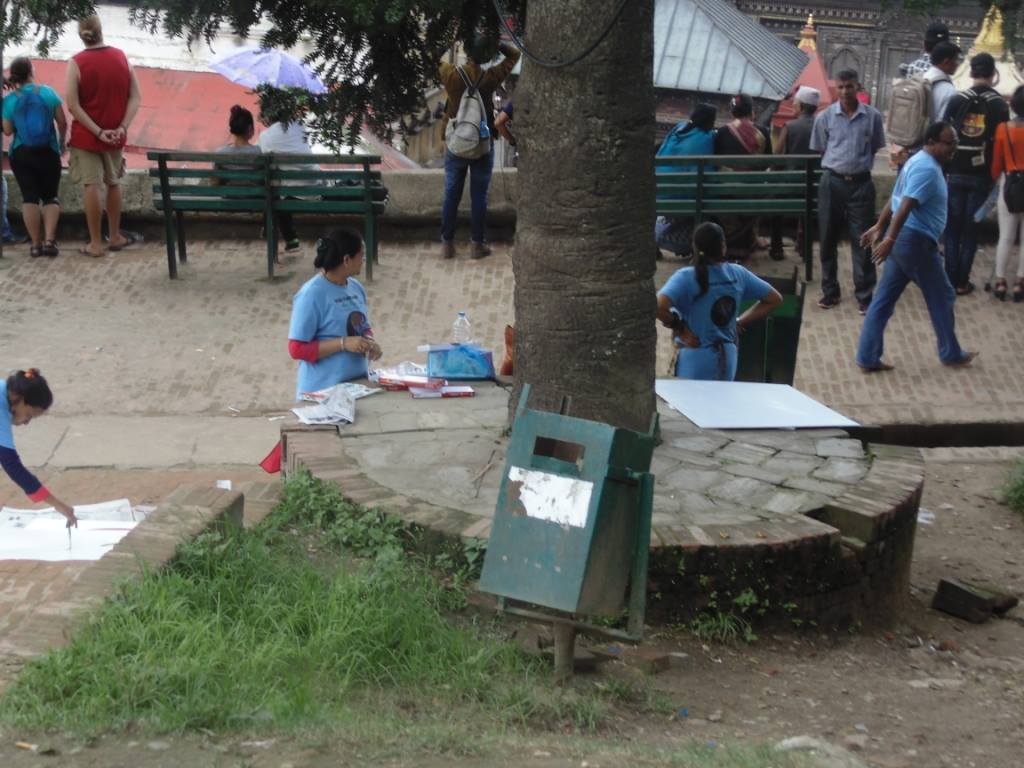
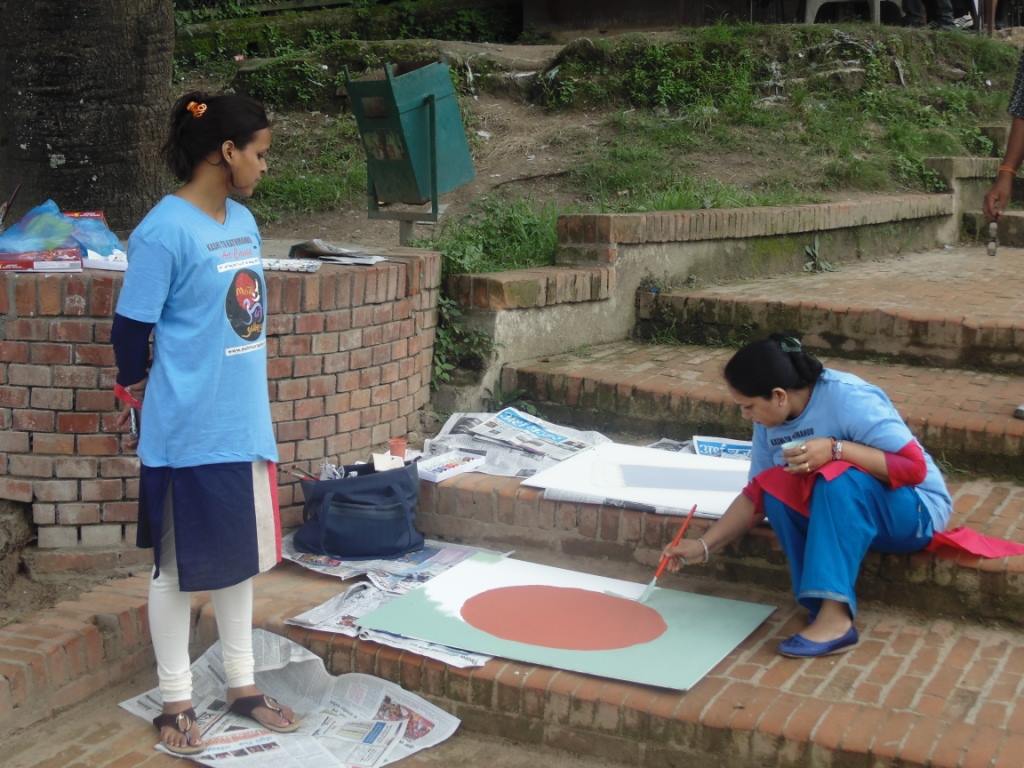
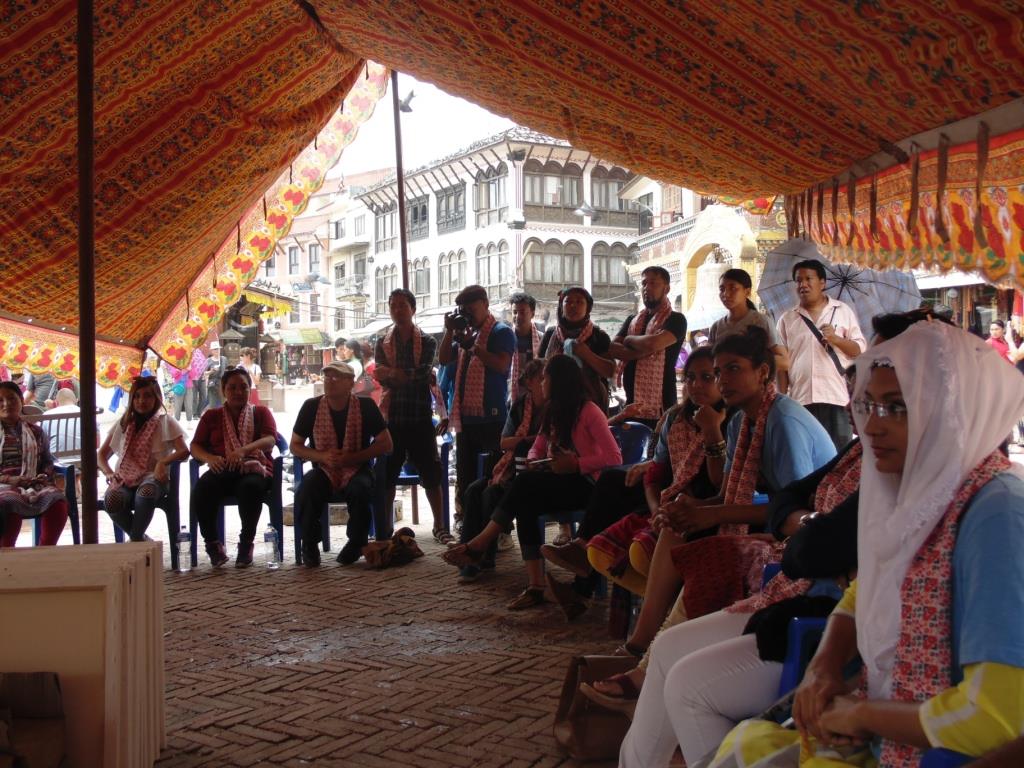
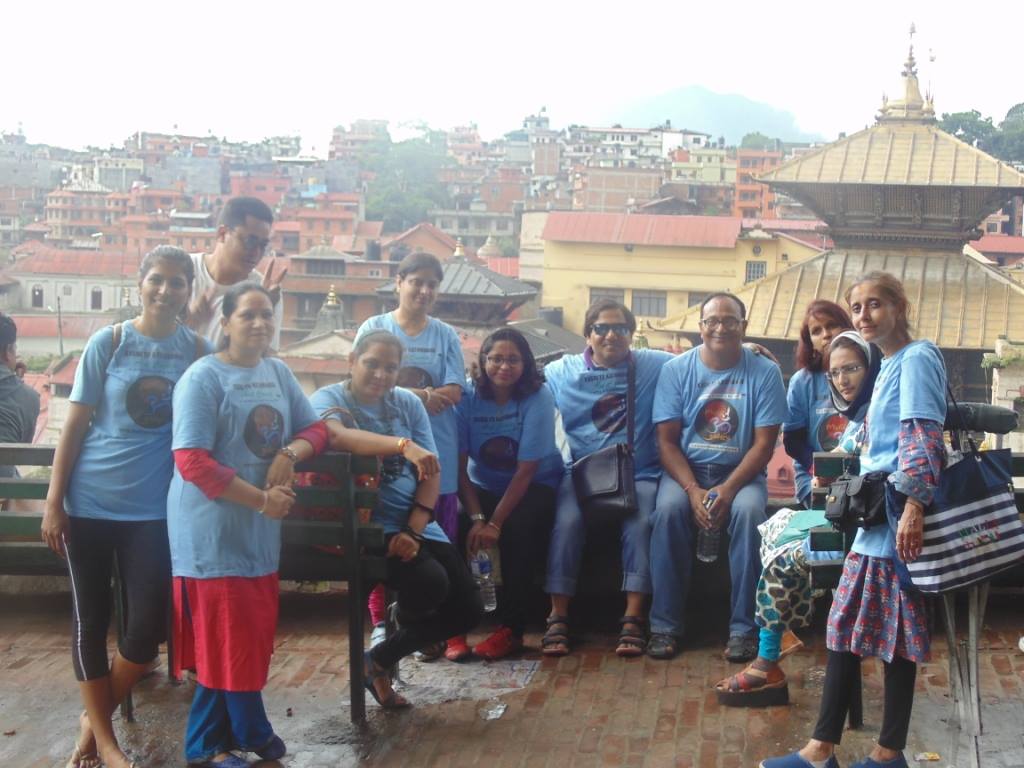
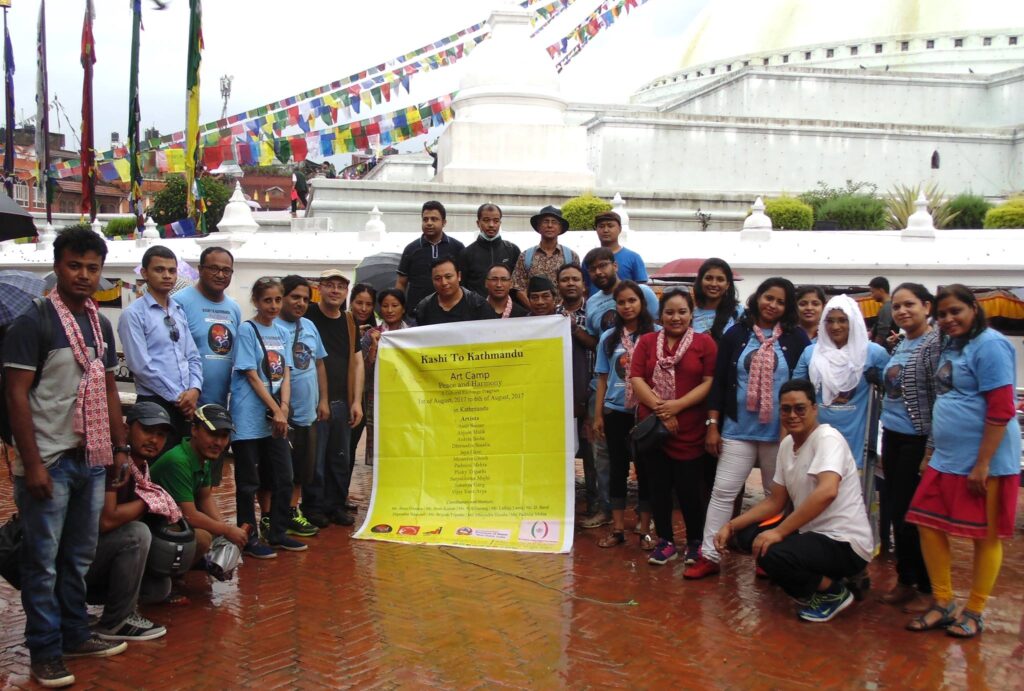
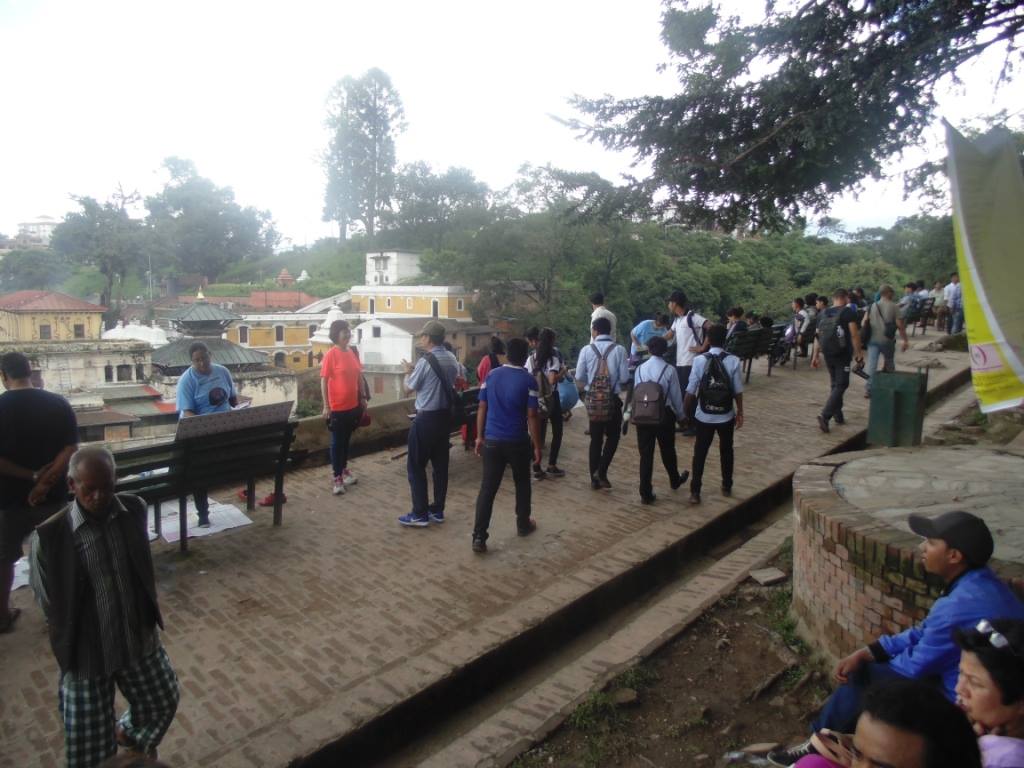
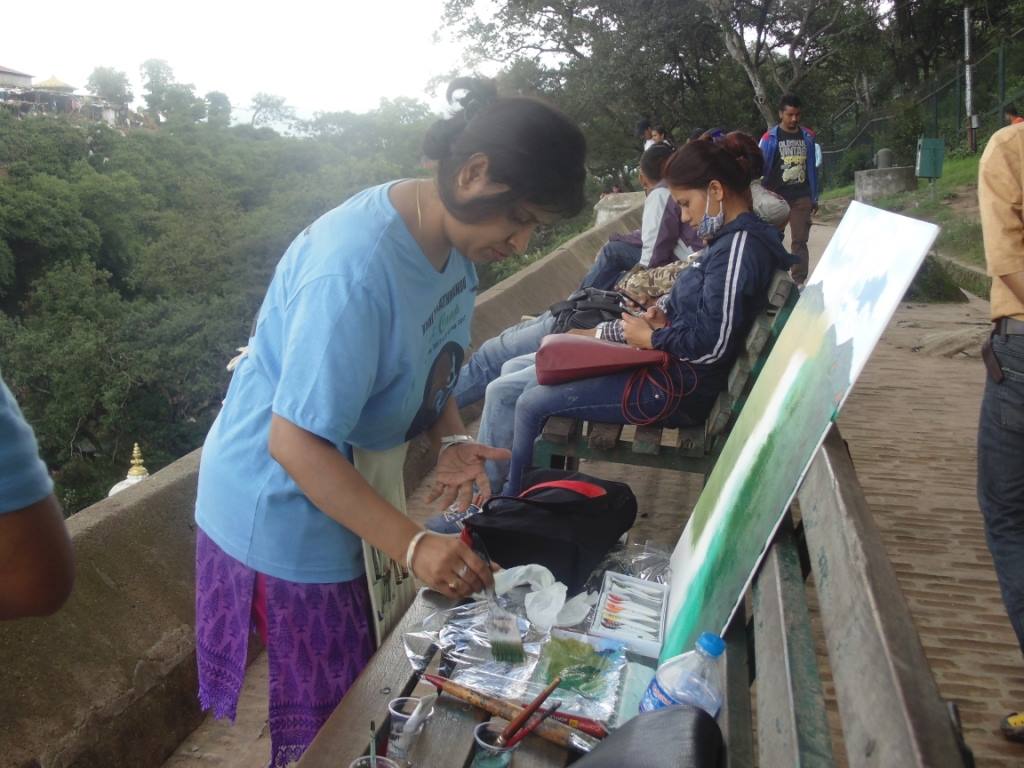
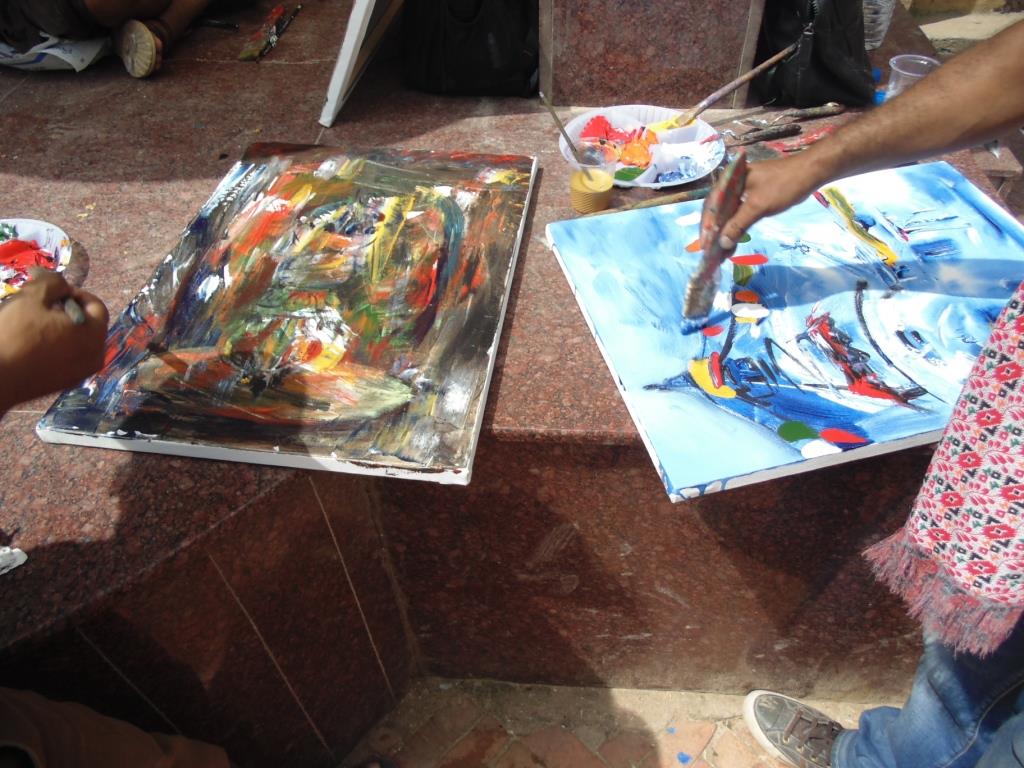
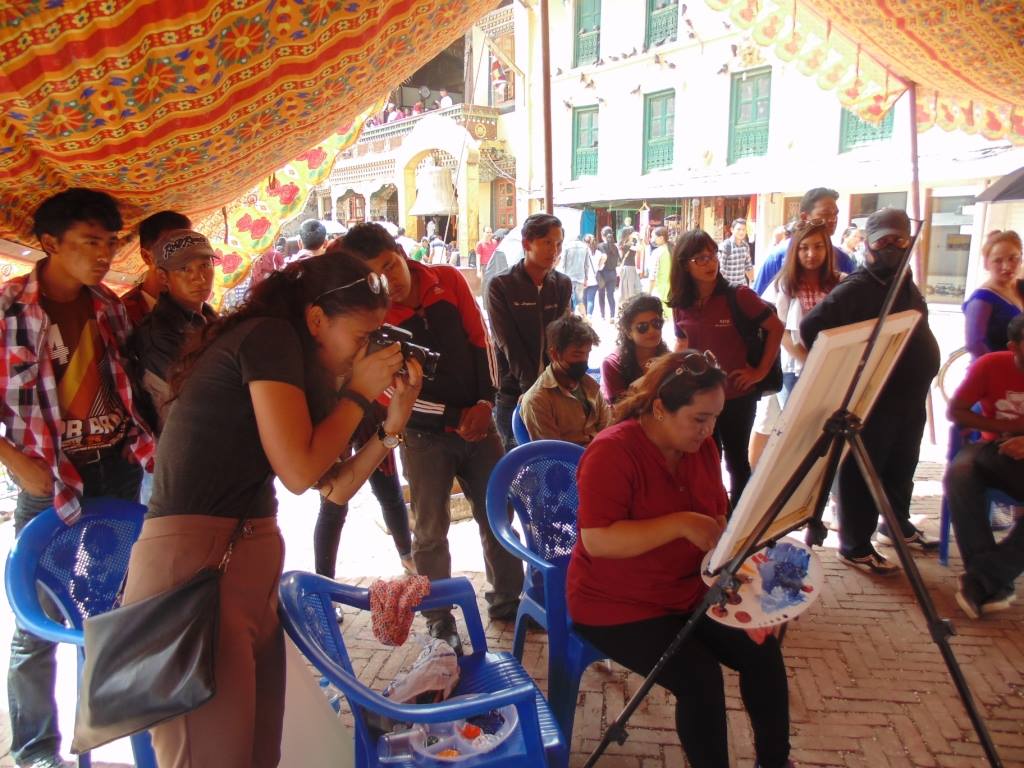
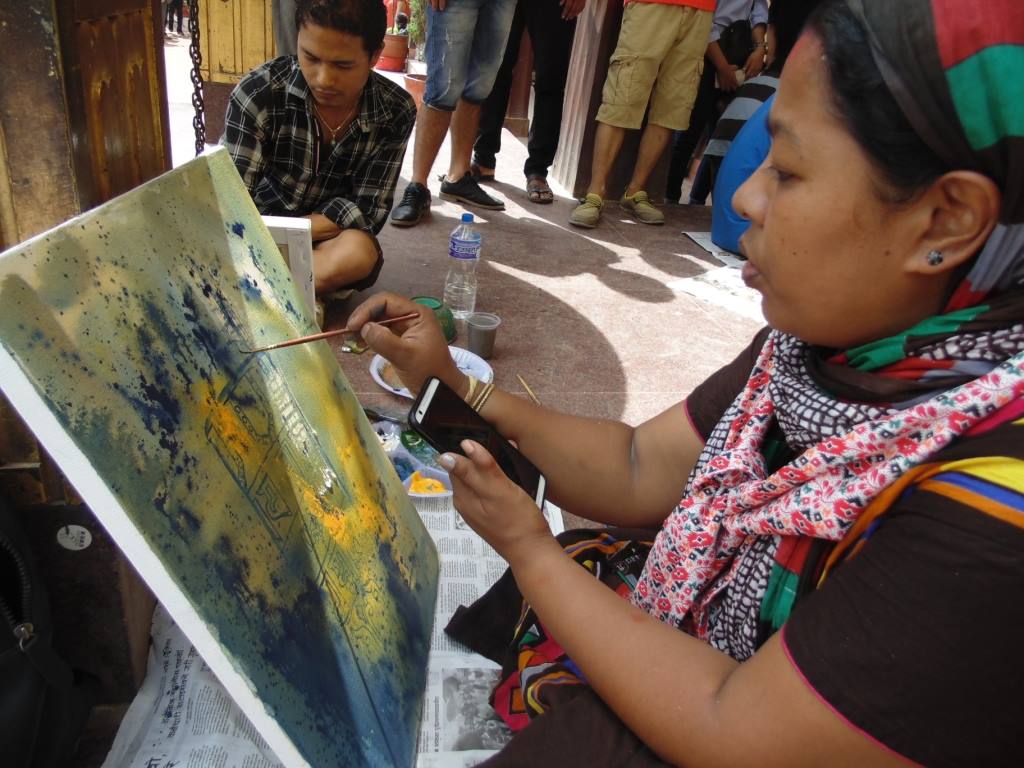
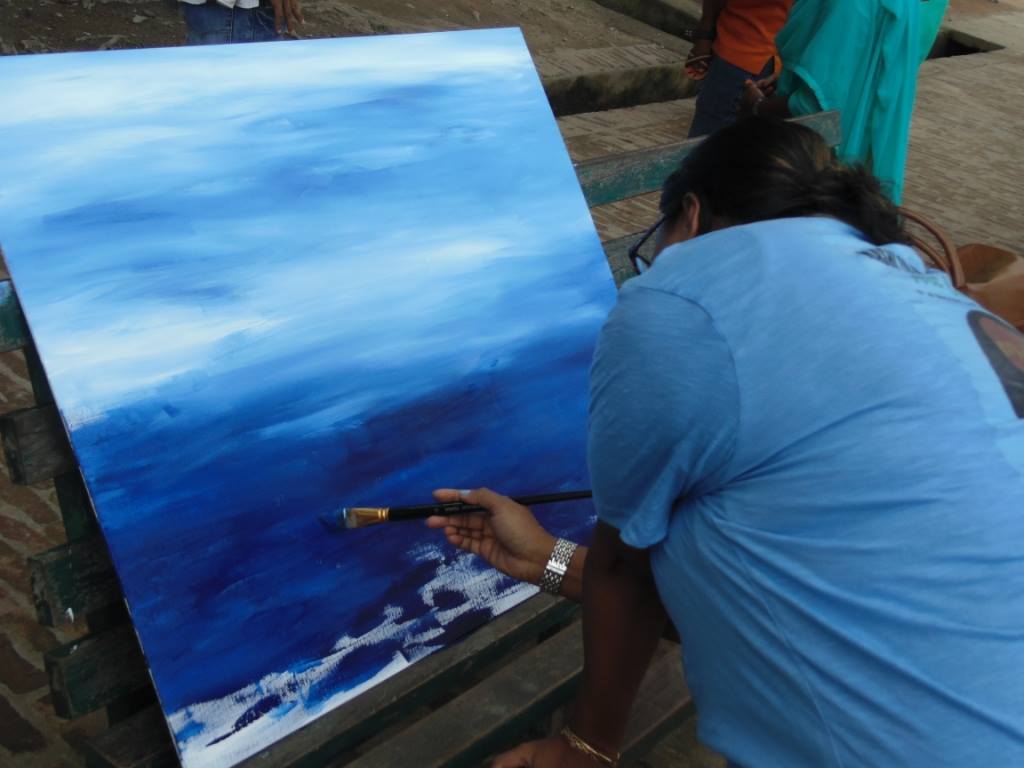
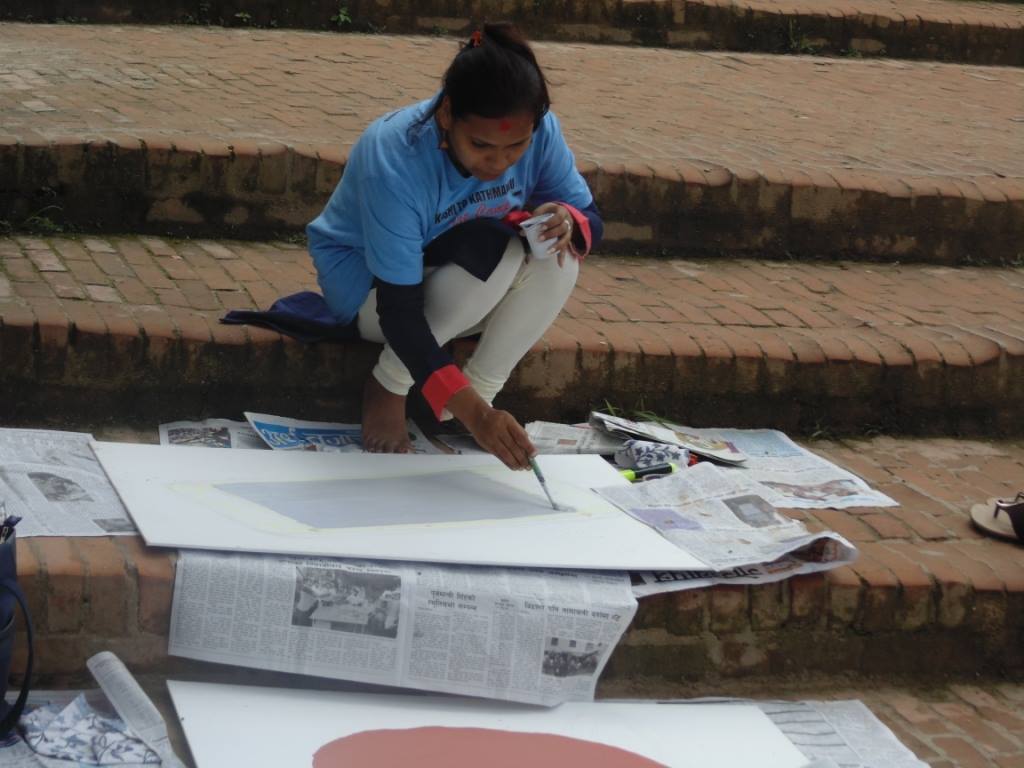
The camp unfolded across some of Kathmandu’s most iconic and sacred spaces — Boudhanath Stupa, Pashupatinath Temple, renowned schools, local galleries, and community centers — turning each location into a vibrant canvas of art, culture, and human bonding. What began as a simple exchange of artistic practices grew into a larger movement of friendship and mutual respect, resonating with the timeless bonds of Kashi and Kathmandu, two ancient cities connected by faith, history, and shared heritage.


The Spirit of Cultural Exchange

The primary aim of the camp was not only to exhibit art but also to experience it together. In every brushstroke and every dialogue, the event symbolized the unity of spirit between India and Nepal. Artists came with their own unique styles and backgrounds, yet in the camp, those differences blended seamlessly to create new expressions that transcended borders.

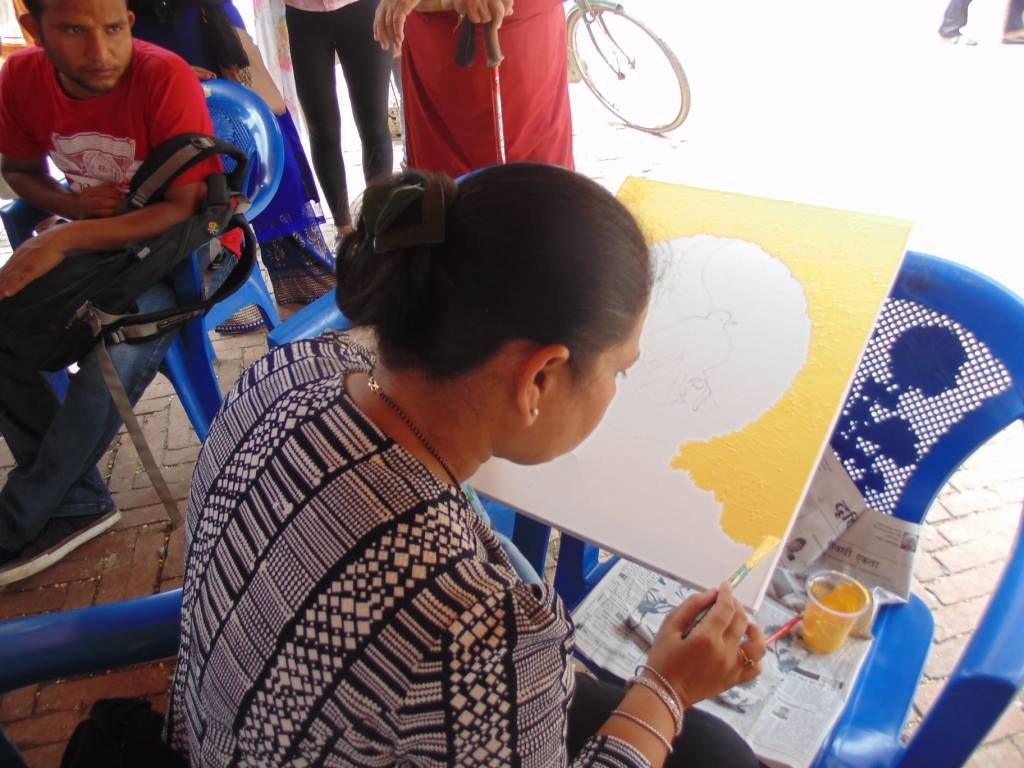
Art became a language, one without the limitations of dialects or scripts. It was a language of colors, textures, rhythms, and emotions that every participant and every observer could understand. Whether it was an Indian artist interpreting the serenity of the Himalayas or a Nepali artist capturing the sacred aura of the Ganga in Banaras, the works reflected a mutual admiration of each other’s culture.

The camp emphasized that art is not merely about personal expression. It is also about listening, observing, and embracing. Each participant brought their identity, but through the exchange, they discovered a shared soul, the same quest for peace, harmony, and creativity.


Venues as Living Canvases

One of the defining features of the camp was its choice of venues. Each site was more than a backdrop; it was an active participant in the experience.

Boudhanath Stupa

As one of the largest and most sacred Buddhist stupas in the world, Boudhanath provided an atmosphere of spiritual silence. Here, artists painted with prayer flags fluttering above, while the rhythmic chants of monks filled the air. For many, it was more than an art session; it was meditation with brush and canvas.

Pashupatinath Temple

At this revered Hindu site, artists absorbed the energy of devotion and tradition. Their works reflected the sacredness of rituals, the faith of the pilgrims, and the eternal flow of life and death that Pashupatinath embodies. It became a bridge for Indian artists, many of whom felt a deep connection with the temple’s similarities to Kashi’s own ghats and shrines.

Local Galleries and Schools

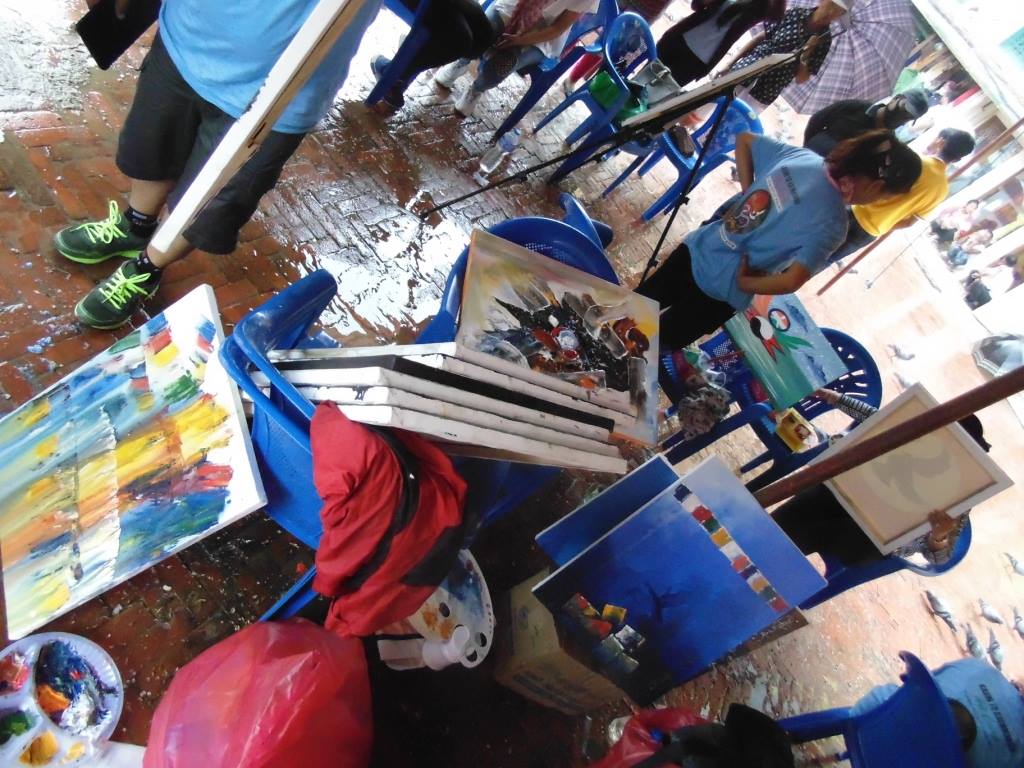
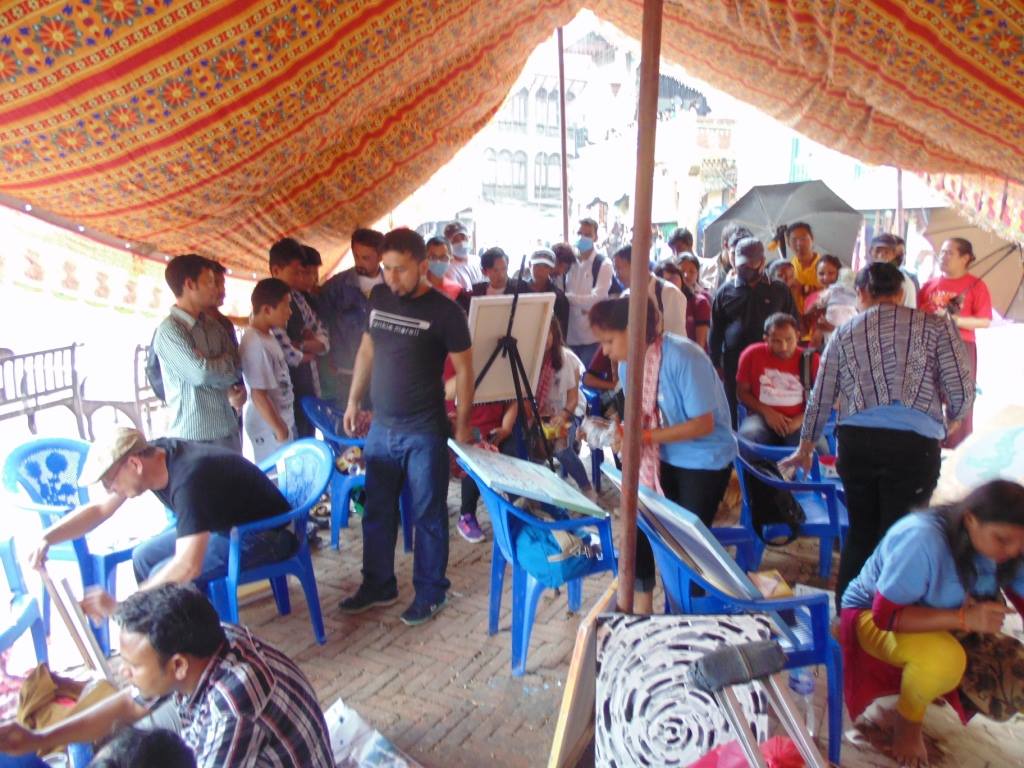
By involving schools and local art galleries, the camp ensured that the exchange was not limited to professional artists. Young students interacted with established creators, learning not just techniques but also the philosophy of art. Local galleries provided a platform for exhibitions, allowing the community to witness the collective creations born from this unique collaboration.

Community Spaces

Art workshops were held in neighborhoods, inviting residents to participate. This approach broke the barrier between artist and audience. It gave ordinary people a chance to not only watch but also engage with the creative process, strengthening the bond between culture and community.


Unity in Diversity: Artists’ Experiences

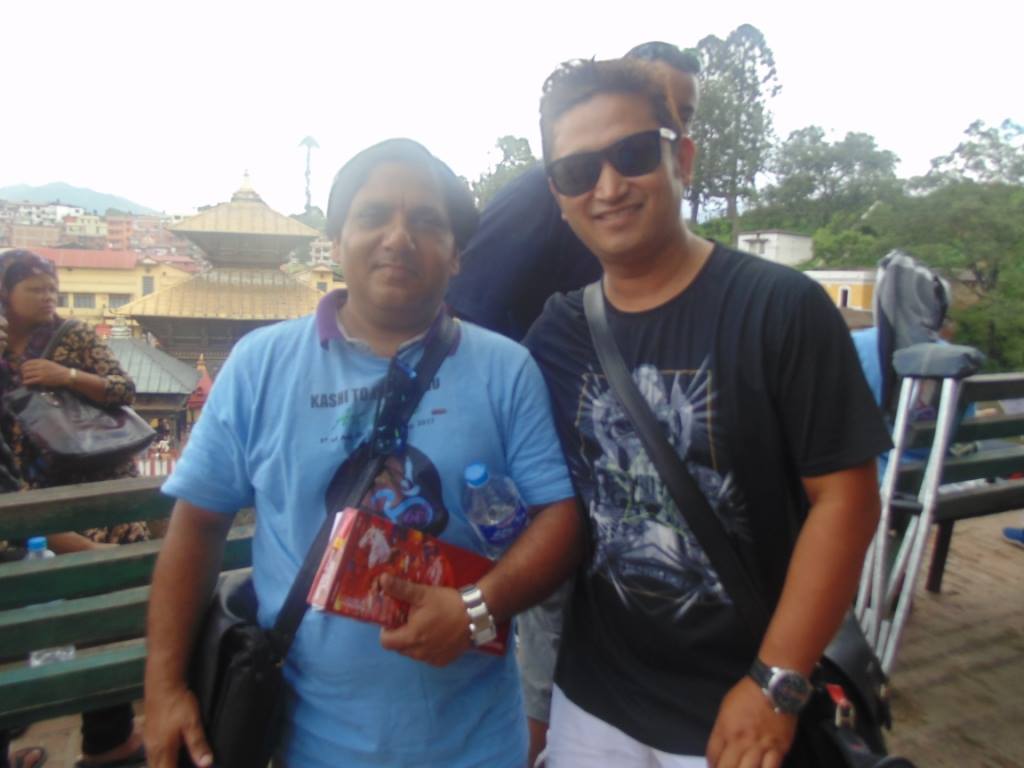
The camp welcomed a diverse group of artists, painters, sculptors, muralists, and cultural thinkers. Each participant carried the cultural essence of their homeland, but in Kathmandu, they found reflections of themselves in the works and thoughts of others.

Indian artists discovered Nepal’s unique interpretations of shared myths, while Nepali artists found inspiration in the Indian perspectives on spirituality and tradition. Conversations often extended late into the evening, filled with stories of shared festivals, similar rituals, and common struggles of being an artist in society.

For many participants, this was more than an art residency. It was a personal journey into discovering one’s own identity through the mirror of another culture. Artists spoke of how the camp deepened their respect not only for their neighboring country but also for their own roots.


Art as a Bridge Between Nations

Diplomatic dialogues often take place in official halls, but this camp showed that art can be an equally powerful form of diplomacy. The Embassy of Nepal in India and the Lumbini World Peace Forum’s involvement highlighted the importance of cultural initiatives in strengthening bilateral ties.

India and Nepal share open borders, interlinked histories, and intertwined traditions. Yet, beyond politics and treaties, it is the everyday cultural exchanges that sustain the relationship. Events like Kashi to Kathmandu demonstrate how artists, through their creativity, can act as cultural ambassadors, building bridges of understanding and trust.

The artworks created during the camp embodied themes of peace, friendship, shared spirituality, and togetherness. They reminded everyone present that while nations may have boundaries, human emotions and cultural values flow beyond them.


Community Engagement and Impact

The success of the camp was not confined to the artists alone. Local communities embraced the program wholeheartedly. Residents of Kathmandu opened their hearts and homes, making the Indian participants feel like family. From local schools where children painted alongside visiting artists, to gallery audiences who engaged in discussions, the event became a shared festival of creativity.

For young aspiring artists in Nepal, the camp was a rare opportunity to learn directly from seasoned professionals from India. For Indian artists, it was a chance to witness the vibrancy of Nepali art traditions firsthand. The exchange of techniques, materials, and ideas sowed seeds for long-term collaborations.

The artworks produced during the camp were later displayed, leaving behind a visual archive of this cultural dialogue. Each canvas became a reminder of the camp’s spirit, inspiring future initiatives in both countries.


Kashi and Kathmandu: Eternal Connections

The title of the camp, Kashi to Kathmandu, was more than symbolic. Both cities are ancient centers of spirituality, learning, and culture. Kashi (Varanasi) is the eternal city on the banks of the Ganga, while Kathmandu is nestled in the Himalayas with temples and stupas that echo centuries of devotion.

By bringing these two spiritual centers into conversation through art, the camp reinforced the idea that India and Nepal are not just neighbors but cultural siblings. The same faith that resonates in the ghats of Varanasi finds its echoes in the courtyards of Pashupatinath. The chants at Boudhanath harmonize with the hymns sung on the steps of Kashi Vishwanath.

Artists at the camp often remarked how painting in Kathmandu felt like painting at home, even though they were across the border. This sense of familiarity was not coincidental — it was the manifestation of centuries of shared traditions, festivals, and values.


Legacy of the Camp

The 2017 Kashi to Kathmandu art camp was not just a one-time event. Its true legacy lies in the relationships it created, the artworks it produced, and the inspiration it left behind. Many of the participating artists continued collaborations beyond the camp, while Mehta Art Gallery strengthened its role as a facilitator of cultural dialogue.

For Nepal, the event highlighted the vibrancy of its contemporary art scene while honoring its heritage. For India, it was an opportunity to extend its cultural outreach and deepen people-to-people connections. Together, the camp became a milestone in the artistic and cultural journey of both nations.


A Message of Love and Togetherness

At its heart, the camp was a message of love, unity, and peace. In a world often divided by borders and politics, artists from India and Nepal showed that creativity has the power to dissolve boundaries. Their works carried the fragrance of shared values and the warmth of true friendship.

As the brushes moved and canvases filled with colors, the participants painted more than just images. They painted hope, a hope that future generations will continue to honor the bonds between India and Nepal. They painted harmony, a harmony that reminds us that art is not bound by geography but thrives in the human spirit. And they painted togetherness, a togetherness that reflects the eternal ties of Kashi and Kathmandu.


Conclusion

The Kashi to Kathmandu Art Camp 2017 stands as a shining example of how cultural exchange fosters unity, creativity, and peace. It was more than an art event; it was a movement of hearts and minds across borders. Organized with the cooperation of Lumbini World Peace Forum, the Embassy of Nepal in India, and local organizations and galleries, the camp celebrated the timeless bond of India and Nepal through the universal language of art.

The camp’s success reminds us that while nations may be divided by lines on a map, they are united by shared history, traditions, and values. And it is through art, the most human of expressions, that this unity finds its truest form.

Kashi to Kathmandu was not the end, but the beginning of a journey. A journey where every brushstroke is an act of friendship, every canvas a bridge of peace, and every artist a messenger of love and togetherness.


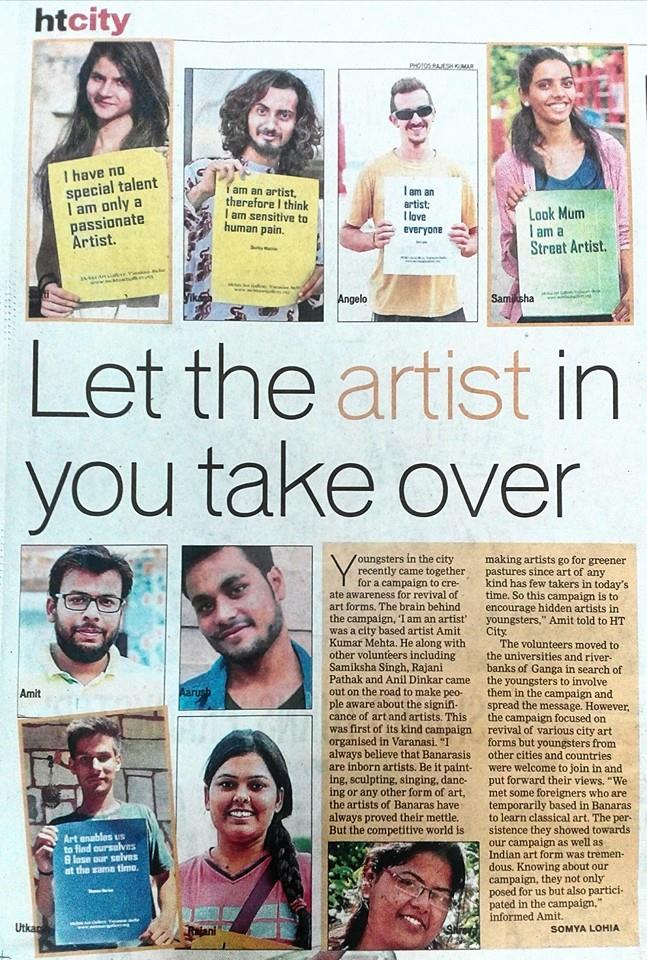
“I Am an Artist” – A Campaign by Mehta Art Gallery

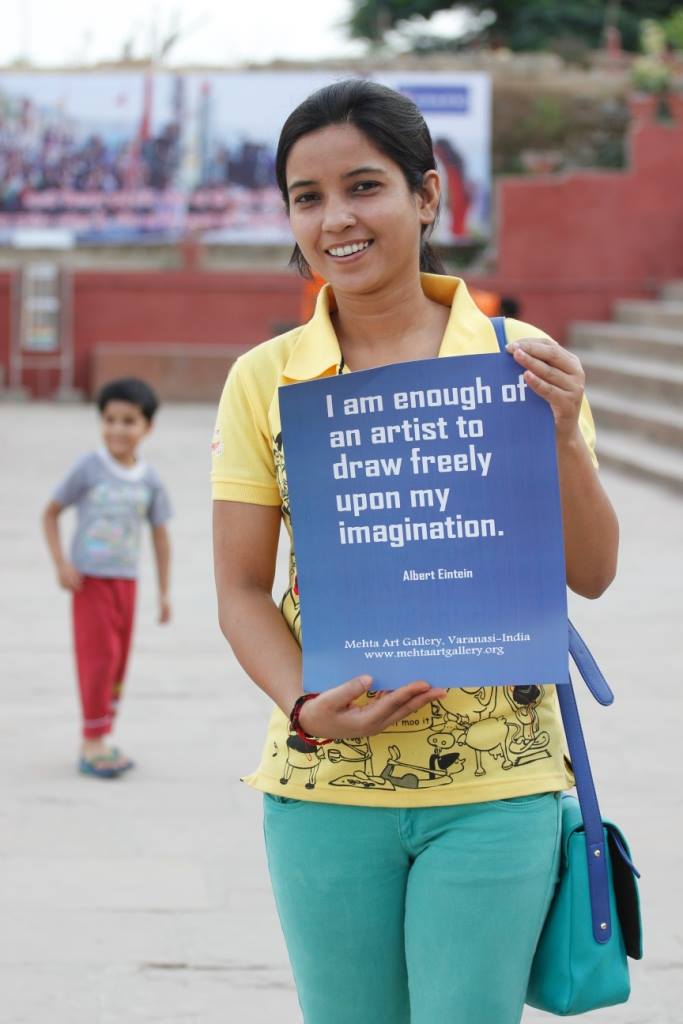
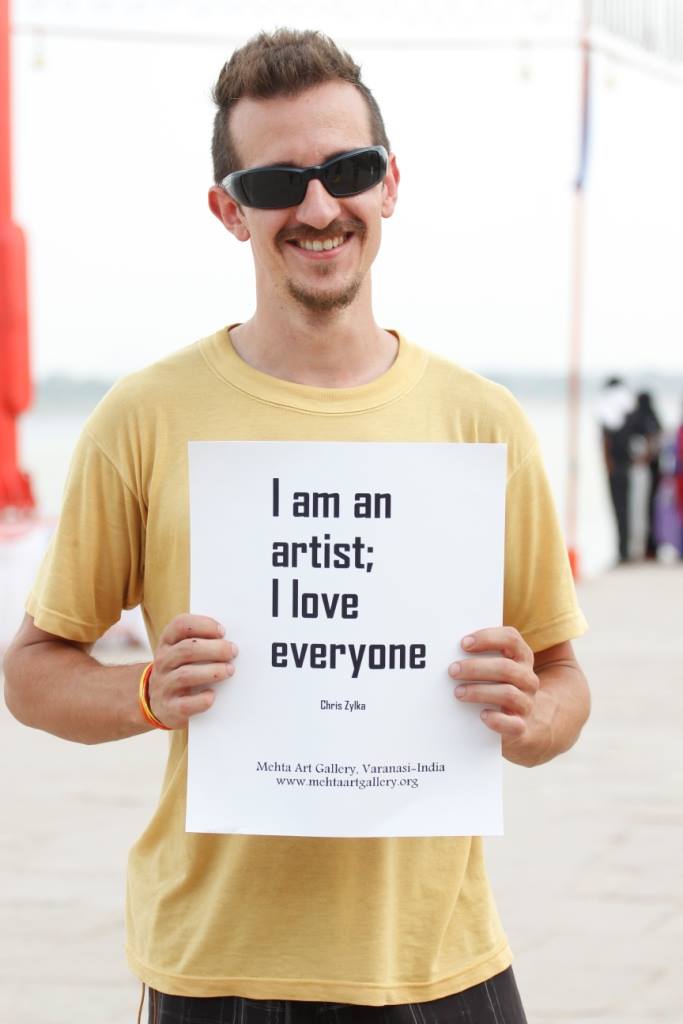
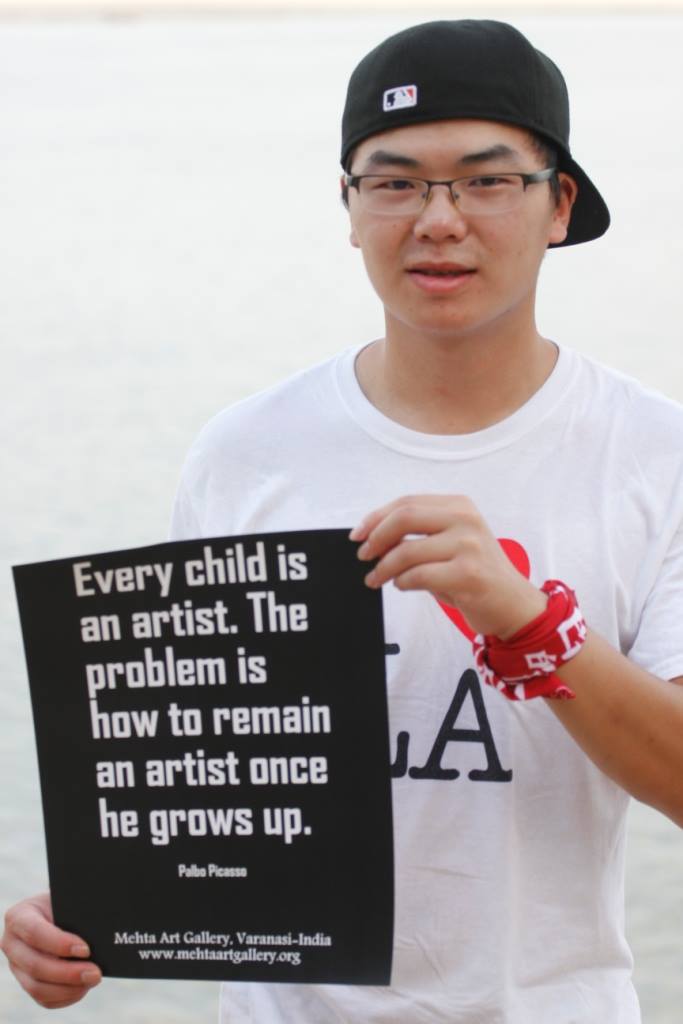
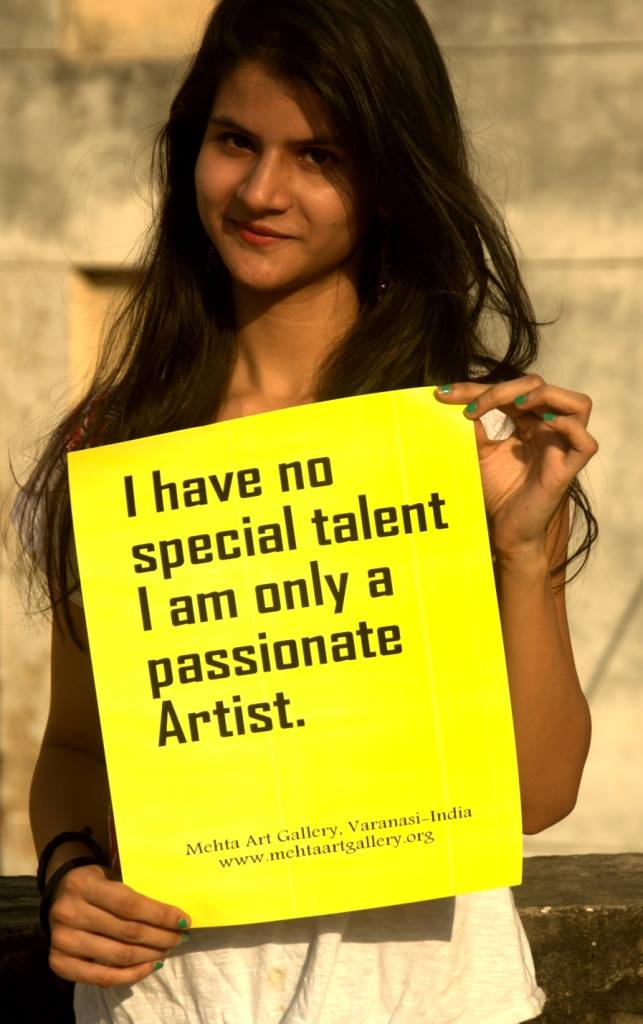
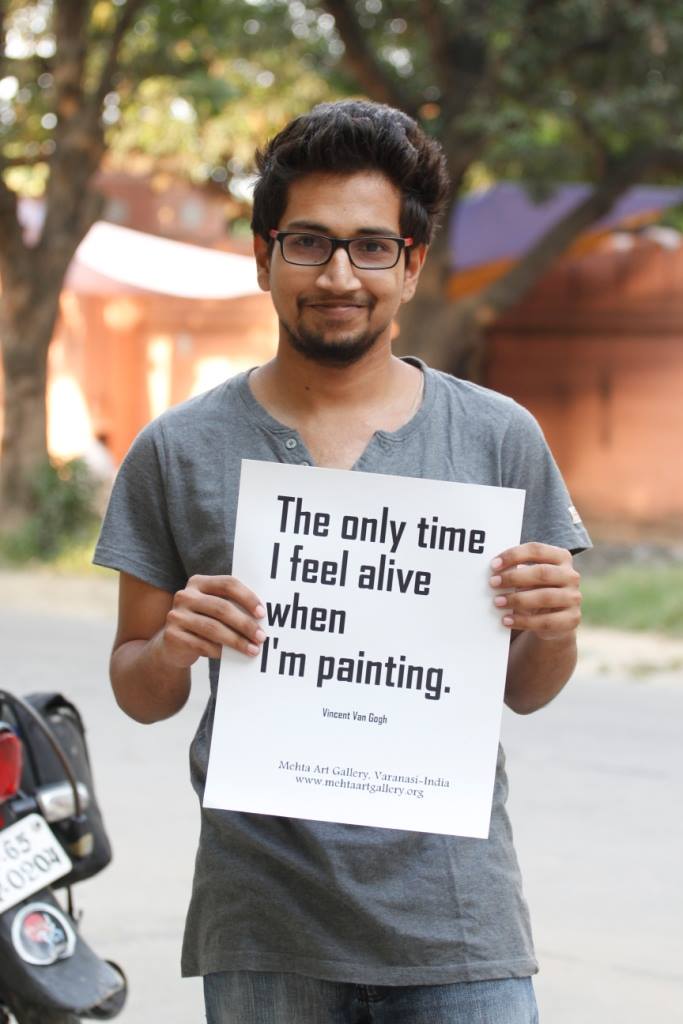
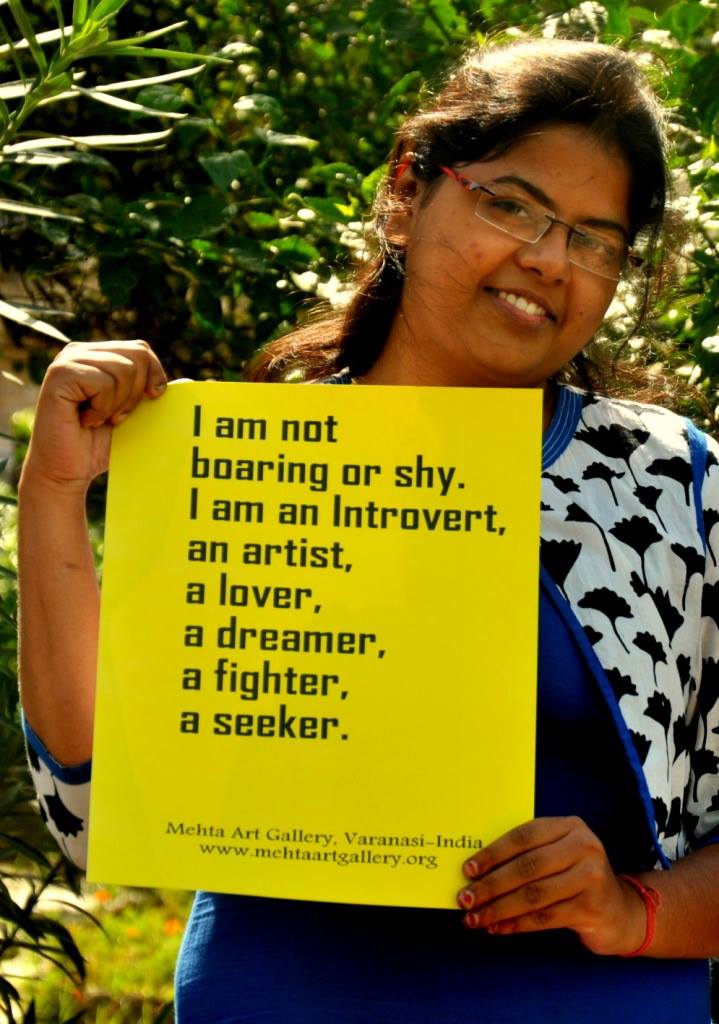
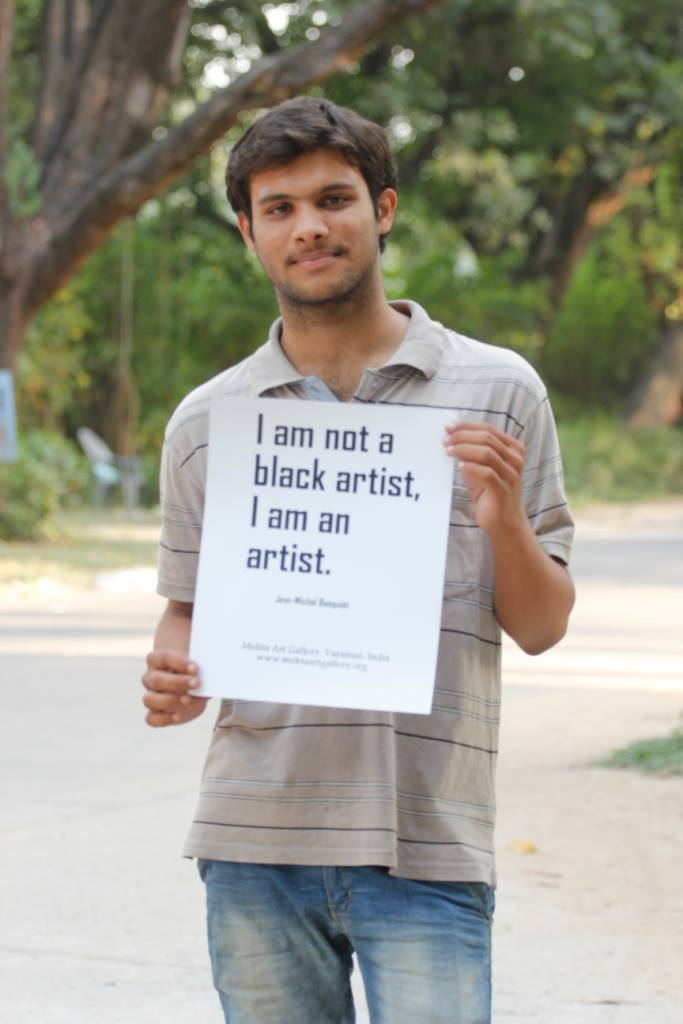
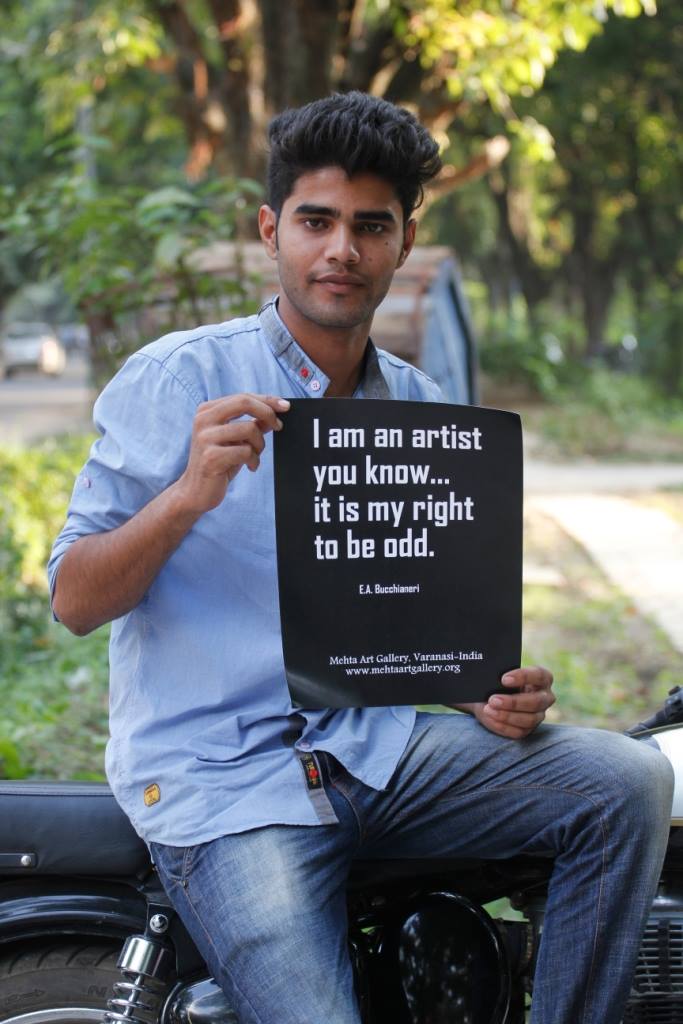
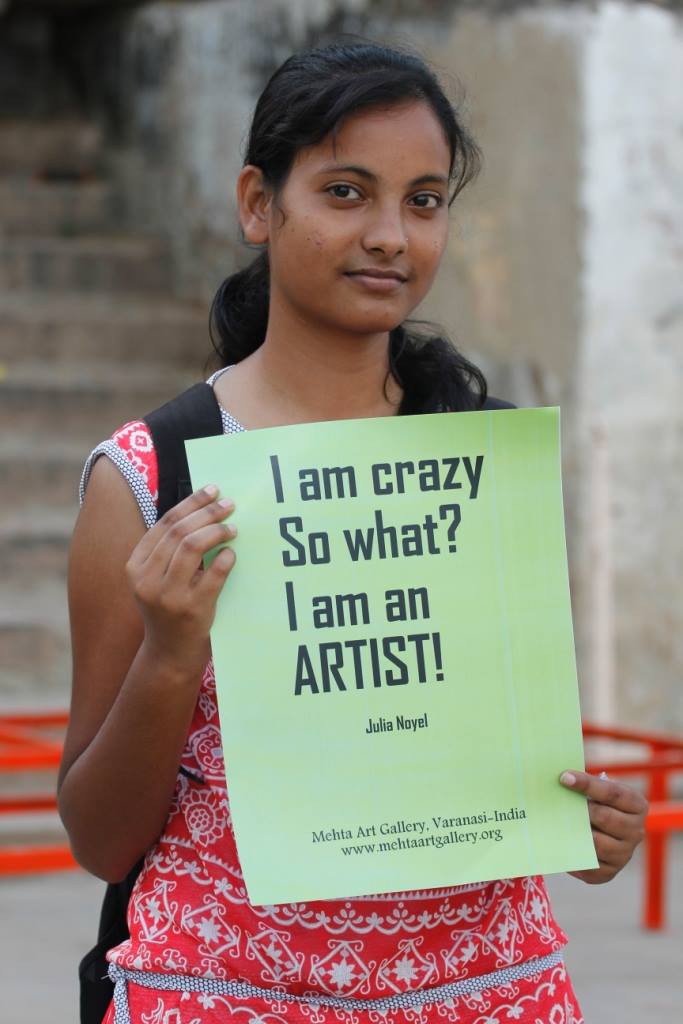
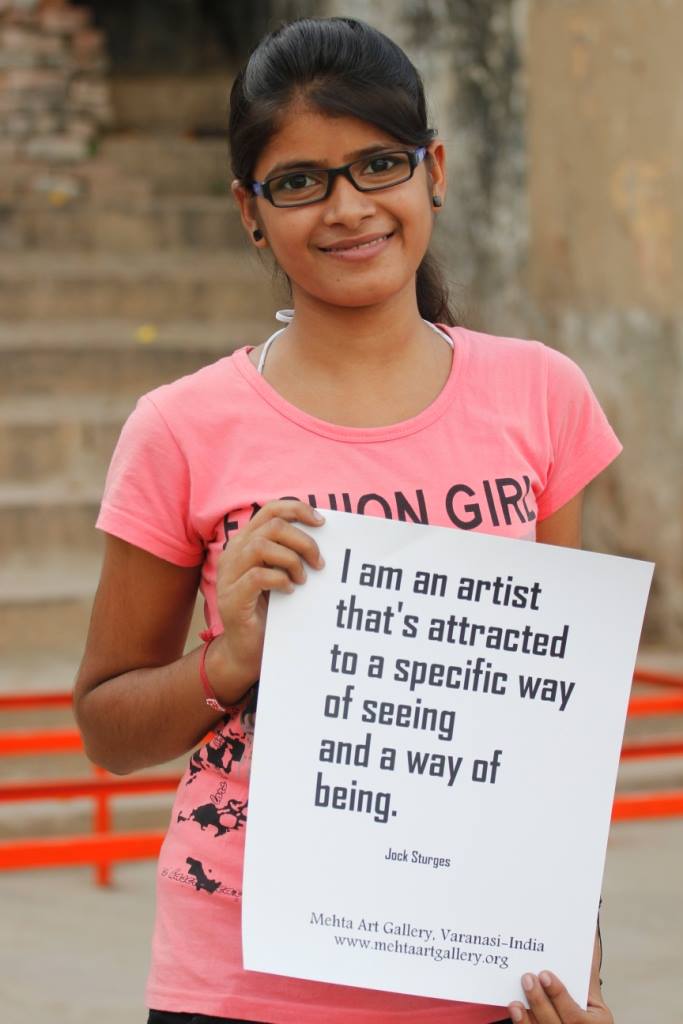
In the heart of Varanasi, a city that has nurtured saints, poets, and creators across centuries, Mehta Art Gallery has always believed in the silent but profound power of art, In 2015 the gallery launched a campaign titled “I Am an Artist”, a movement designed to give voice to the countless creators who often remain unseen, unheard, and unrecognized. The campaign was not merely about a statement on paper; it was a heartfelt declaration of existence, dignity, and the invisible labor of artists who shape the world’s imagination.

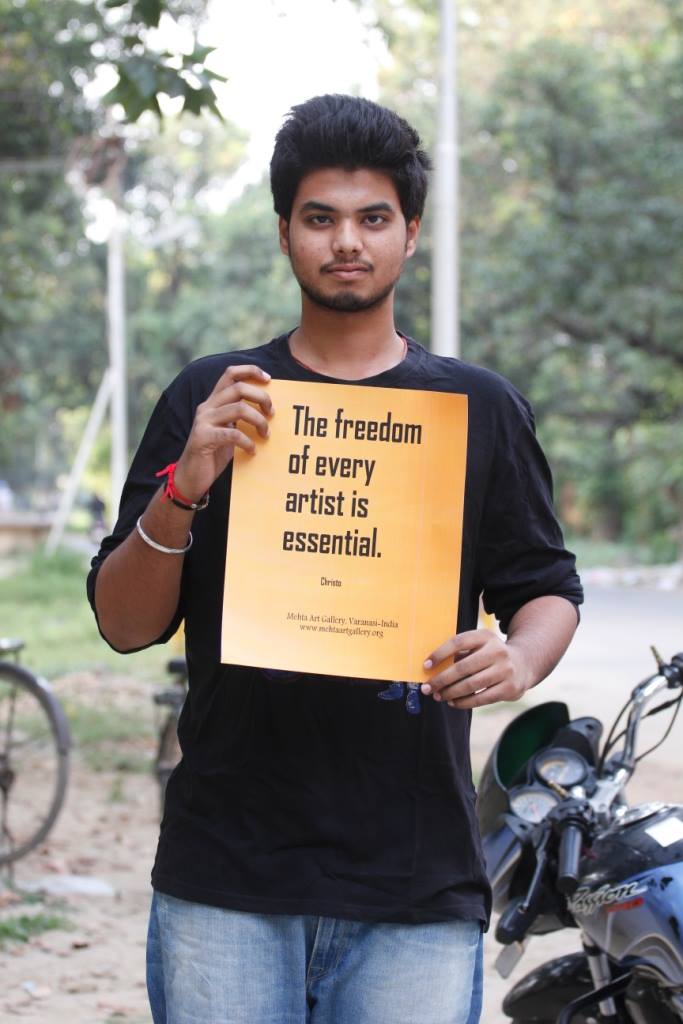
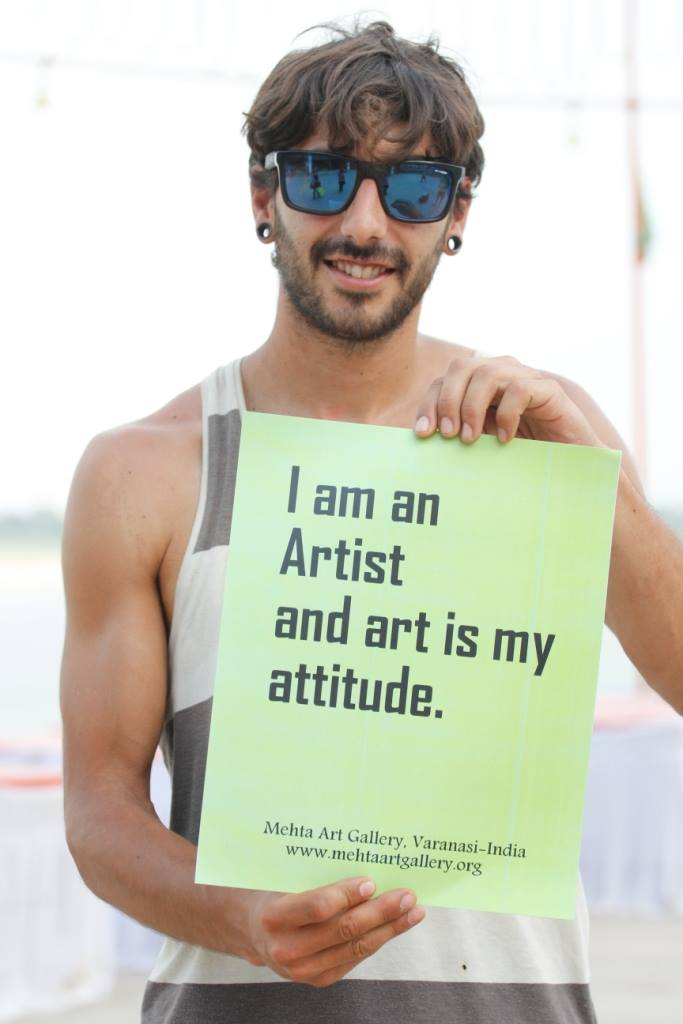
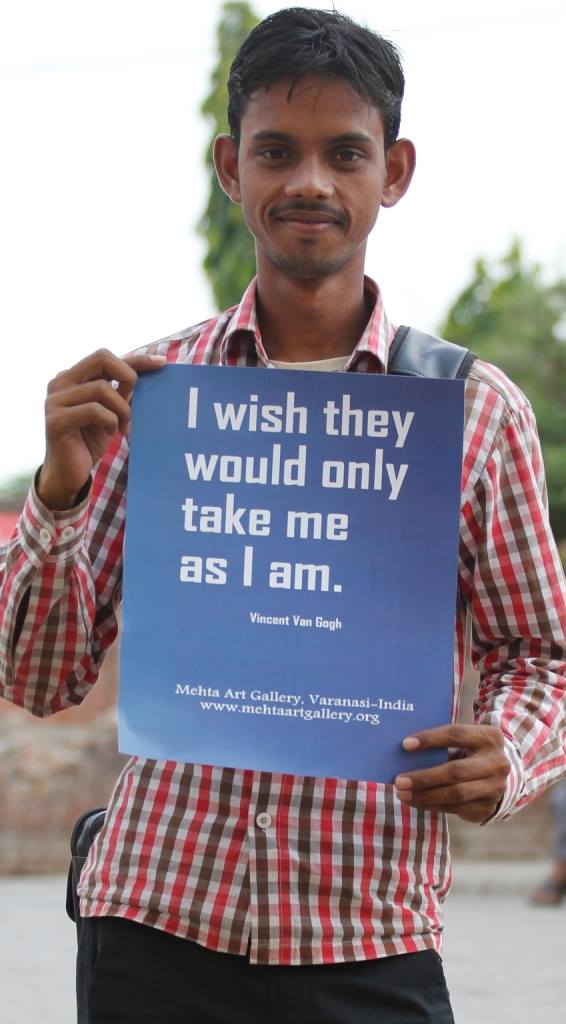
The core idea was simple yet powerful: people, artists, students, professionals, children, and even ordinary passersby, were given posters that read “I Am an Artist”. With these posters in hand, participants posed for photographs. These portraits were later brought together in a collective collage, displayed both physically at the gallery and digitally across social media. The effect was electric, a chain of solidarity, where every person holding the poster became a symbolic torchbearer of creativity, empathy, and awareness about the lives and feelings of artists.


Why “I Am an Artist”?

The life of an artist is often romanticized, but behind every stroke of paint, every carved figure, or every vision translated into form lies an ocean of struggle. Artists are society’s dreamers, but dreams don’t always pay the bills. They wrestle with financial instability, lack of recognition, and the constant tension between passion and survival. Many feel alienated in a world that measures worth in material gain rather than cultural contribution.

Through this campaign, Mehta Art Gallery wanted to spread awareness: artists are not just individuals who create for leisure, they are custodians of human emotions, preservers of culture, and innovators who show society new ways to feel, to heal, and to grow.

The phrase “I Am an Artist” became a powerful metaphor. It told the world that art is not confined to paintbrushes or canvases. Every person has creativity within them, whether they write, dance, design, cook, or build. To identify as an artist is to claim one’s humanity and one’s right to expression.


The Campaign in Action

The campaign unfolded in phases:

  1. Poster Distribution:
    Bright, bold posters with the words “I Am an Artist” were printed in various colors, representing diversity in creativity. Each participant was given one to hold.
  2. Photography Sessions:
    People from all walks of life, renowned painters, emerging sculptors, photographers, musicians, students, teachers, rickshaw pullers, shopkeepers, stood before the camera with their posters. The moment was both intimate and collective. With a simple gesture, they became ambassadors of artistic life.
  3. Digital Collage and Display:
    All the pictures were stitched into a massive visual tapestry, forming a living gallery of faces. The exhibition at Mehta Art Gallery allowed visitors to see hundreds of people united by a single declaration. Online, the campaign spread rapidly, with hashtags like #IAmAnArtist and #MehtaArtGallery reaching wider audiences.
  4. Conversations and Talks:
    Alongside the photo sessions, the gallery organized interactive sessions where artists shared their stories. These were stories of sacrifice, perseverance, and passion, each one a reminder of how art is woven into the very fabric of society.

The Feel of an Artist

To understand the depth of this campaign, one must understand what it means to live the life of an artist.

An artist feels what society often ignores. They see beauty where others see routine; they sense pain where others see indifference. While the world moves quickly, artists pause, reflect, and capture fleeting truths. They spend sleepless nights questioning, experimenting, and creating, not for applause, but because creation is their lifeblood.

The campaign carried this emotional truth. Each photograph was not just a portrait but a silent story:

  • A young painter holding the poster with paint-stained fingers.
  • A musician smiling faintly, his eyes carrying decades of unspoken melodies.
  • A child raising the poster proudly, her innocence reflecting the purest form of creativity.

Together, these faces communicated what words could not, the resilience of artists, their hunger for recognition, and their role as storytellers of humanity.


Art and Society – The Deep Connection

One of the campaign’s underlying messages was that art is not separate from society; it is society’s mirror and heartbeat. Every civilization is remembered not for its rulers but for its creators, its songs, temples, paintings, poems, and crafts. Art preserves memory, shapes identity, and builds bridges between generations.

  • Shaping Culture: Artists define how cultures are remembered. The ghats of Varanasi, for example, live in global consciousness largely through paintings, films, and photographs.
  • Building Empathy: A painting can make someone feel a stranger’s sorrow; a sculpture can inspire strength. Artists create a language of emotions that unites people across boundaries.
  • Driving Change: From protest art to revolutionary poetry, artists ignite social transformation. They speak truths that politics cannot, and heal wounds that medicine cannot.

Through “I Am an Artist,” Mehta Art Gallery reminded society that to neglect artists is to neglect its own roots and future.


Impact of the Campaign

The campaign resonated far beyond the walls of the gallery. Teachers began encouraging students to write “I Am an Artist” on their notebooks, embracing creativity in education. Local artisans felt a renewed sense of dignity, their craft seen as part of a larger cultural movement. Social media filled with images of people proudly claiming the phrase, showing that art is universal.

For many young artists, the campaign became a source of confidence. It told them, “Your struggle matters. You are not invisible. You are shaping tomorrow.”


Mehta Art Gallery’s Vision

At the heart of the campaign was the gallery’s long-standing vision: to create a platform where art is not a luxury but a necessity of life. By conducting “I Am an Artist,” Mehta Art Gallery established itself not just as a space for exhibitions but as a cultural movement, echoing the voices of both known and unknown creators.

This campaign was a reminder that while governments may build roads and industries, it is artists who give a society its soul. The gallery hopes this initiative will inspire other institutions to champion similar causes, where art is treated not as decoration but as a vital expression of humanity.


Conclusion

“I Am an Artist” was more than a campaign; it was a collective heartbeat. It carried the voices of painters, sculptors, writers, musicians, and ordinary citizens who dared to claim their identity as creators. It reminded society that every face, every hand holding that poster, was part of a larger story, the story of humanity’s eternal search for meaning and beauty.

Mehta Art Gallery, through this initiative, spread a message that will echo for years:
To value artists is to value life itself. To recognize their struggles and celebrate their creations is to keep alive the spirit of culture, empathy, and imagination.

And so, with every photograph stitched together, with every voice amplified, the world was reminded of a simple truth: We are all artists. We are all connected. And without art, society is incomplete.


When people search for the best art gallery in Varanasi or look for a trusted place to buy original Indian paintings, one name that consistently stands out is Mehta Art Gallery. Established over 12 years ago in Varanasi, Uttar Pradesh, the gallery has become a hub for art lovers, collectors, and tourists from across the India.

In a city known as the cultural and spiritual capital of India, Mehta Art Gallery connects tradition with creativity, offering visitors not just paintings, but a piece of Indian heritage to take home.


Why Varanasi is the Perfect Place for Art

Varanasi, also known as Kashi or Banaras, is one of the world’s oldest living cities. Famous for its ghats, temples, music, and culture, it has always inspired poets, musicians, and artists. Art here is not just decorative, it is spiritual and deeply rooted in the city’s centuries-old traditions.

Travelers visiting the city often search for souvenirs beyond the usual handicrafts, something that carries cultural value and authenticity. This is where Mehta Art Gallery plays a vital role.

Mehta Art Gallery – 12 Years of Trust and Authenticity

Founded more than a decade ago, Mehta Art Gallery has steadily grown into a trusted art destination in Varanasi. The gallery’s mission has always been simple:

Provide authentic, original paintings with proper certification.
Support emerging and established artists across India.
Make art accessible to everyone—from tourists to seasoned collectors.

Promote India’s rich cultural and artistic traditions.

Over the years, the gallery has earned the confidence of tourists, collectors, art investors, and locals alike.


What You Can Find at Mehta Art Gallery

The collection at the gallery is vast and diverse, catering to different tastes, budgets, and purposes.

1. Contemporary Indian Paintings

Modern themes, bold colors, and experimental art forms created by India’s upcoming and established artists. Perfect for those who love contemporary interiors.

2. Traditional & Folk Art

Authentic Madhubani, Pattachitra, Warli, and Rajasthani miniature paintings are often featured in the gallery’s collection. These artworks bring cultural stories to life.

3. Spiritual & Cultural Paintings

Since Varanasi is a holy city, many paintings are inspired by spirituality—depictions of Lord Shiva, Ganga Aarti scenes, and Varanasi Ghats are some of the most popular among international visitors.

4. Affordable to Premium Works

Whether you’re a student tourist looking for a small painting under 5,000 or a collector seeking investment-grade artwork worth lakhs, Mehta Art Gallery has options for every budget.


Why Choose Mehta Art Gallery in Varanasi?

  1. Authenticity Guaranteed – Every artwork is original, with proper authentication and provenance.
  2. Diverse Collection – Works from multiple Indian states and art forms.
  3. 12+ Years of Trust – A long-standing name with credibility in the art market.
  4. Support to Artists – The gallery works directly with artists, ensuring fair representation.
  5. Perfect for Gifting & Collecting – Tourists, families, corporates, and interior designers frequently purchase from the gallery.
  6. Easy Access & Guidance – The gallery team helps new buyers choose artworks according to budget, space, and theme.

Experience for Tourists and Travelers

Many international travelers visit Varanasi for spiritual experiences, but they also look for authentic souvenirs. Instead of mass-produced handicrafts, a painting from Mehta Art Gallery serves as a meaningful keepsake.

💡 Example: A tourist attending Ganga Aarti at Dashashwamedh Ghat may later buy a painting that captures the same atmosphere—something they can take home and relive forever.

For Indian tourists too, buying a painting here adds a special cultural memory to their trip.

👉 Travelers can also explore nearby attractions like the Sarnath Archaeological Site after visiting the gallery.


Art as an Investment

Apart from being a cultural souvenir, art is also a long-term investment. Many collectors visit Mehta Art Gallery not only to decorate their homes but also to invest in artworks by promising Indian artists.

The gallery provides guidance on which artworks are most likely to appreciate in value over time.


Location and Contact

Mehta Art Gallery, Varanasi, Uttar Pradesh
Contact Number: 9956518670
Website: www.mehtaartgallery.com
Email: mehtaartgallery@gmail.com

Easily accessible from the city center, the gallery is located close to major tourist spots, making it convenient for both locals and travelers.

You can also find the location on Google Maps.


How to Buy Paintings from Mehta Art Gallery

  1. Visit the Gallery in Varanasi – Best way to experience the art in person.
  2. Customized Requests – The gallery also accepts requests for commissioned artworks.

Customer Testimonials

  • “I bought a painting of Varanasi ghats from Mehta Art Gallery during my visit. It is the most beautiful memory of my trip to India.” – Tourist from USA.
  • “As an interior designer, I regularly source artworks from Mehta Art Gallery because of their authenticity and fair pricing.” – Designer from Delhi.

Final Thoughts

If you are searching for the best art gallery in Varanasi or want to buy paintings in Varanasi with authentication, look no further than Mehta Art Gallery. With more than 12 years of experience, a diverse collection, and strong credibility, it remains one of the most trusted names in the art world of Uttar Pradesh.

Whether you are a collector, a traveler, or someone looking for a unique gift, a visit to Mehta Art Gallery will connect you to India’s artistic soul.

Take home not just a painting, but a story, a tradition, and a timeless memory from Varanasi.


A tribute from Mehta Art Gallery Team

On 7th September, we lost not only a professor but a part of our lives. Prof. Navneet Kapoor left us, leaving behind an emptiness that words can hardly express. For those of us who were fortunate enough to know him during our MBA days, he was much more than a faculty member, he was a mentor, a friend, a guide, and often, the person who stood by us when no one else did. His passing feels like losing a guardian, a companion, and an anchor of joy all at once.

Prof. Navneet Kapoor

When I look back at our MBA journey, I realize how deeply his presence shaped us. Unlike some professors who drew invisible boundaries between students, Prof. Kapoor never believed in bias. He treated everyone equally, with the same warmth, encouragement, and respect. Whether you were a top performer or struggling to keep pace, he saw potential in you. He believed in us when we failed to believe in ourselves. That was his gift, he could look beyond grades and appearances, straight into our hidden talents, and gently bring them to life.

I still remember the way he used to motivate us in class. His words were not mere lectures but sparks that ignited ideas in our hearts. He encouraged creativity not just as a subject but as a way of living. He would often say that success does not come only through knowledge but through passion and courage. He taught us that it is okay to take risks, to dream, to be fearless, and to live authentically. He turned our classrooms into spaces of open discussion, laughter, and free thought, where everyone’s voice mattered.

But Prof. Kapoor was not just about academics. He was with us in life’s real moments too. Once, when we faced a tense situation in the hostel, a small fight with students from another college, he stepped in like a shield. Instead of scolding or ignoring, he handled the matter with courage and calmness. He stood beside us, not above us, and resolved it with maturity. That day, we realized he was not just our professor, he was someone who truly cared for our safety, dignity, and growth. He lived by example, showing us what it meant to face challenges with balance and courage.

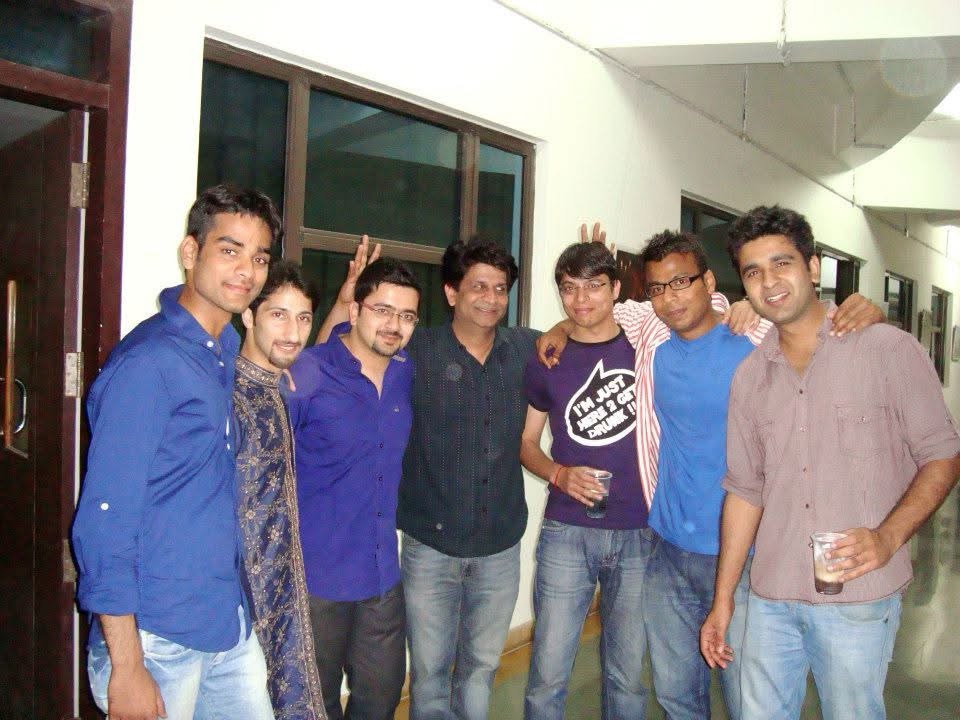
What made him so unique was his ability to blend authority with friendship. Many professors maintain a distance from students, but Prof. Kapoor broke those walls. He partied with us, laughed with us, joined us in moments of joy, and created an environment where we felt free. He never made us feel judged. Whether it was a late-night gathering, a cultural event, or an outbound trip, he was always there, not as a faculty member, but as one of us. In those moments, he was a friend who understood our world, someone we could talk to without hesitation.

I still remember our outbound trip to Uttarakhand. Those days will always remain etched in memory. The mountains, the laughter, the games, and the endless conversations, all of it became more special because he was with us. He wasn’t there as a supervisor but as a companion who enjoyed every moment. His fun-loving nature turned ordinary trips into unforgettable memories. We sang, we shared stories, and we lived those days with a sense of togetherness that only he could create. Today, when I close my eyes, I can still see him smiling in the cool mountain breeze, his laughter echoing among the hills. That image will never fade.

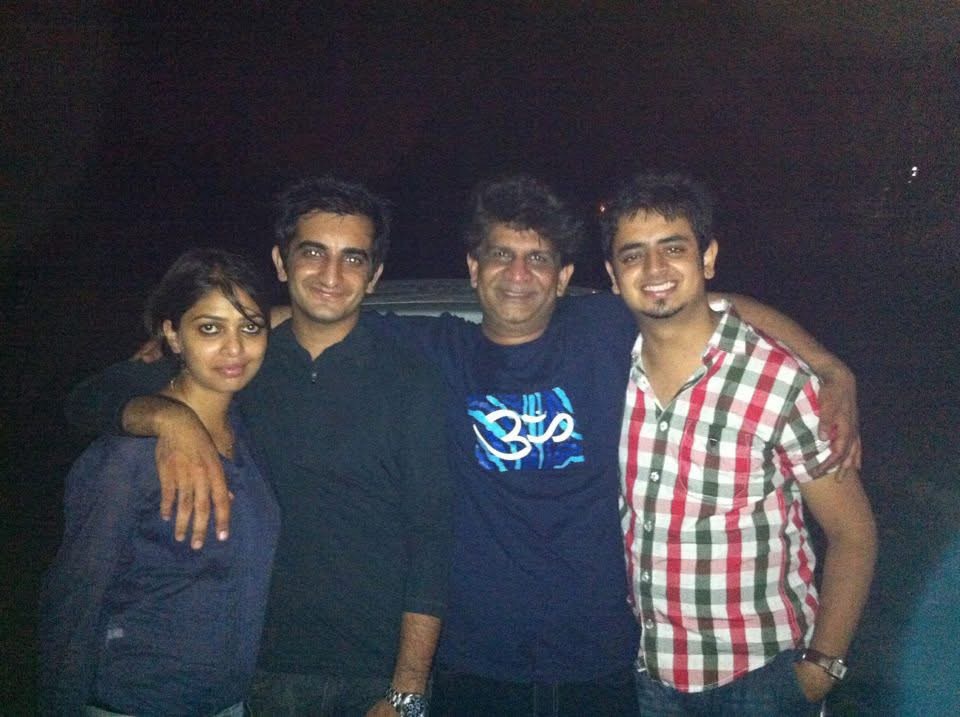
Prof. Kapoor created a bond with each one of us that was rare and precious. He was simultaneously a guardian who protected us, a mentor who guided us, and a friend who celebrated life with us. Not many people can wear all those roles with such grace, but he did. That’s why his departure hurts so deeply. It feels like a chapter of our lives has closed, one we never wanted to end.

When the news of his passing came, it felt unbelievable. Life is cruel in the way it takes away people who matter the most, leaving us with tears and silence. The grief of losing him is heavy, yet it is softened by the countless memories he gifted us. His brilliance, his kindness, his fearless spirit, these will remain with us forever.

Even in his absence, he continues to teach us. He reminds us that life is short, that we must live it with courage and passion, that we must cherish people while they are with us. His legacy is not in books or classrooms alone, it lives in the way we think, the way we dream, the way we face the world.

As I write this, I realize that words will never be enough to capture his greatness. But maybe that is the beauty of a life well lived, it cannot be confined to pages. It continues to live in people’s hearts. Prof. Navneet Kapoor will always live in ours.

On 7th September, we lost him physically, but in truth, we will never lose him. Every time we dare to be creative, every time we stand with courage, every time we treat others with fairness, his spirit is with us. Every laugh we shared, every lesson we learned, every tear we shed today, they all weave together into the story of a man who touched our lives in the deepest ways.

We bid him farewell with heavy hearts, but also with gratitude, for the lessons, the love, the laughter, and the unforgettable memories. He may no longer walk with us, but he will always remain within us.

Prof. Navneet Kapoor, you were more than a professor. You were family. And though you are gone too soon, you will forever remain our guiding light, our inspiration, and our beloved friend.

Rest in peace, sir. Your spirit lives on in every one of us.