Visit Mehta Art Gallery

India’s art is as ancient as its civilization, and as diverse as its people. From delicate cave paintings to bold modern canvases, Indian artists have always captured the rhythm of society, culture, and the human spirit. To celebrate this rich legacy, Mehta Art Gallery launches a special campaign across social media and our website, a heartfelt tribute to the masters of Indian painting.

This campaign showcases the timeless works and stories of great artists such as Amrita Sher-Gil, Jamini Roy, K.G. Subramanyan, Kshitindranath Majumdar, Manjit Bawa, M.F. Husain, Nandalal Bose, Raja Ravi Varma, Ramkinkar Baij, Satish Gujral, Syed Haider Raza, Sunil Das, Abanindranath Tagore, and Tyeb Mehta. Through a digital homage, complete with their portraits and key masterpieces, we hope to remind society of their invaluable contributions and inspire the next generation of creators.


Amrita Sher-Gil: The Pioneer of Modern Indian Art
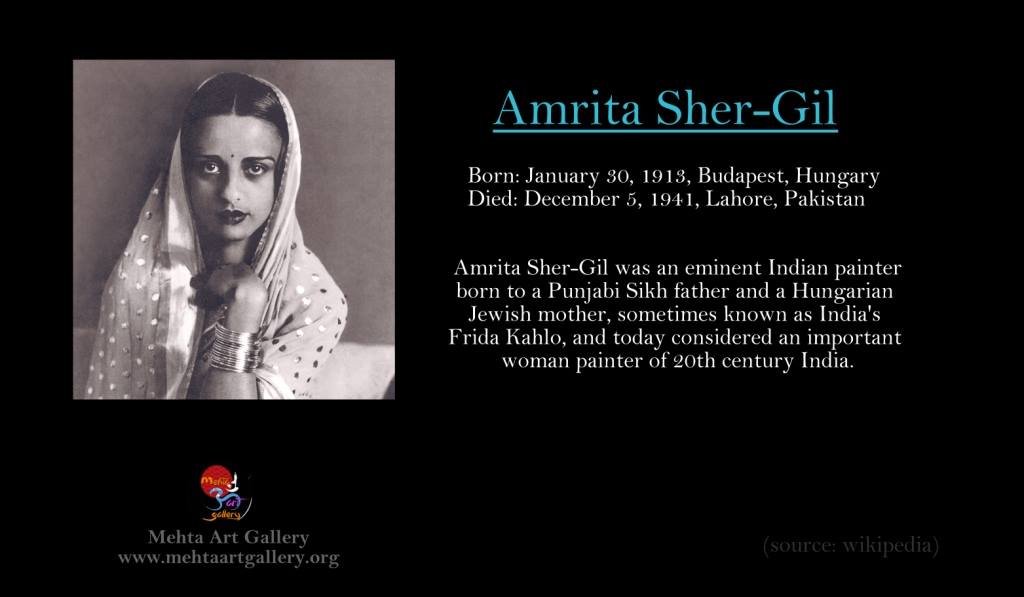
Often called the “Frida Kahlo of India,” Amrita Sher-Gil broke barriers with her bold brushwork and emotive style. Her paintings fused Western techniques with Indian themes, bringing to canvas the everyday lives of Indian women, villages, and cultural identity. Sher-Gil’s short life was filled with artistic brilliance, and her works remain a cornerstone of Indian modernism.


Jamini Roy: The Artist of the People
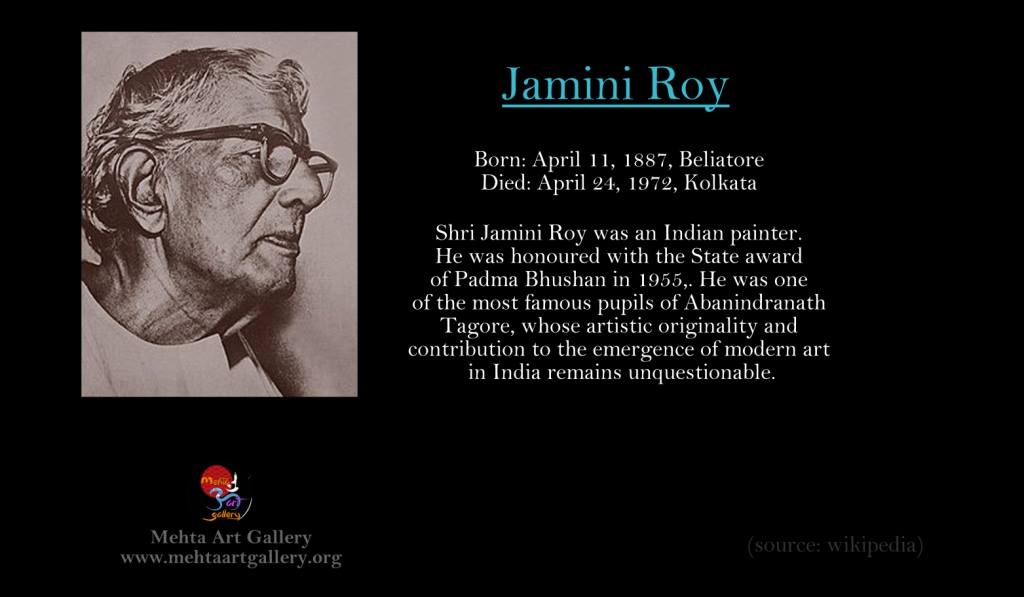
Jamini Roy sought inspiration not in European studios but in the heart of Bengal’s folk traditions. He transformed patachitra and local craft into fine art, painting bold, simplified figures of villagers, dancers, and deities. His work was democratic, affordable, accessible, and deeply Indian. Roy’s legacy reminds us that art thrives when it belongs to the people.


K.G. Subramanyan: The Storyteller of Modernism
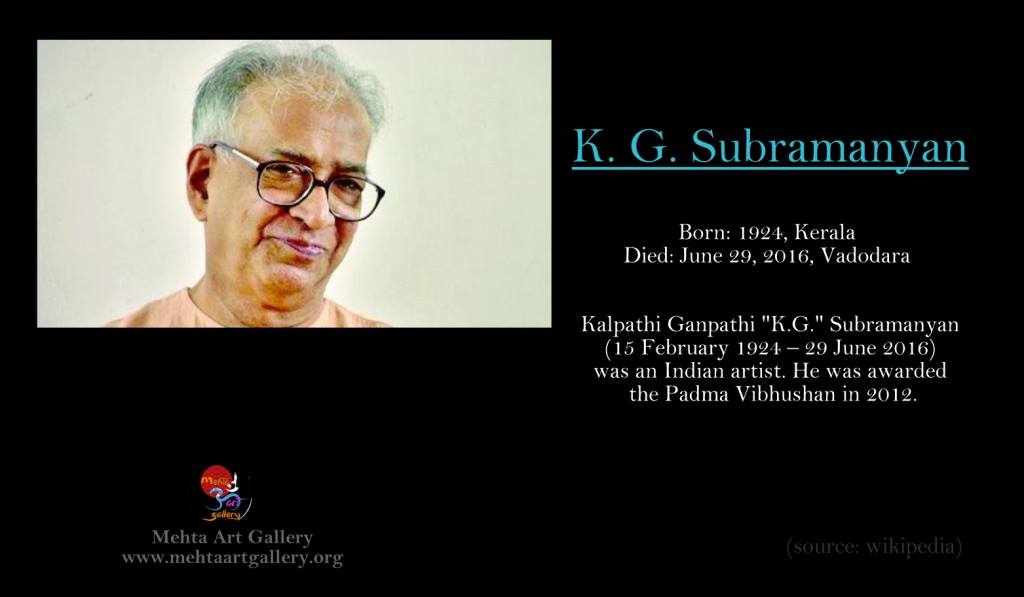
K.G. Subramanyan blended myth, folklore, and modernist styles into an artistic universe that was playful yet profound. A teacher, muralist, and painter, Subramanyan believed that art should exist in everyday life, not confined to galleries. His colorful works often carried sharp social commentary, reflecting India’s complexity with humor and depth.


Kshitindranath Majumdar: A Gentle Poet with a Brush
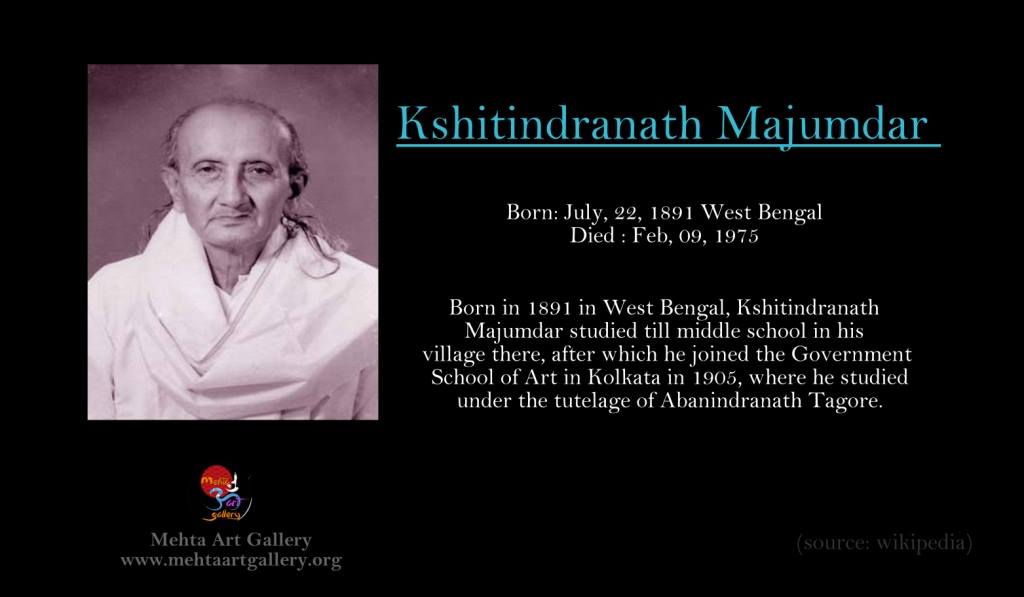
A lesser-known yet deeply influential figure, Kshitindranath Majumdar belonged to the Bengal School of Art. His works carried delicate lines, spiritual themes, and lyrical qualities. Often overshadowed by his contemporaries, Majumdar deserves recognition for keeping alive the aesthetics of classical Indian art while gently embracing modernism.


Manjit Bawa: The Painter of Myth and Silence
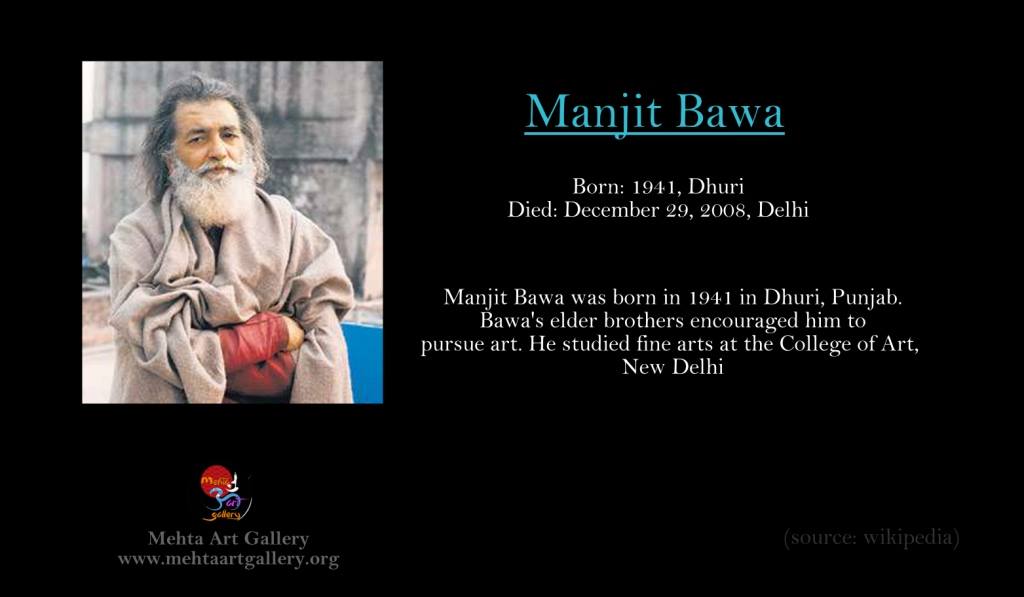
Manjit Bawa’s canvases were filled with vibrant flat colors, mythological figures, and serene stillness. Rejecting realism, he created dreamlike compositions where gods, animals, and humans coexisted in harmony. His art was both spiritual and contemporary, carrying echoes of Indian philosophy and Sufi thought.


M.F. Husain: The Picasso of India
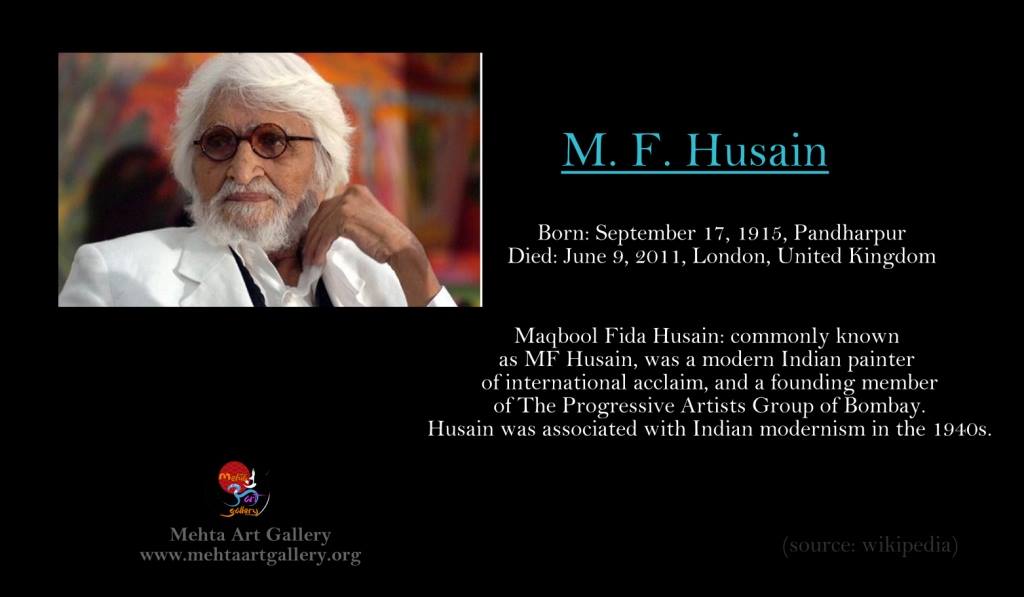
Few names shine as brightly as Maqbool Fida Husain. With his bold strokes, galloping horses, and powerful female figures, Husain redefined Indian modern art. His life was a saga, celebrated globally, yet mired in controversies. Still, his fearless creativity and boundless imagination make him one of India’s greatest cultural ambassadors.


Nandalal Bose: The Teacher of a Nation
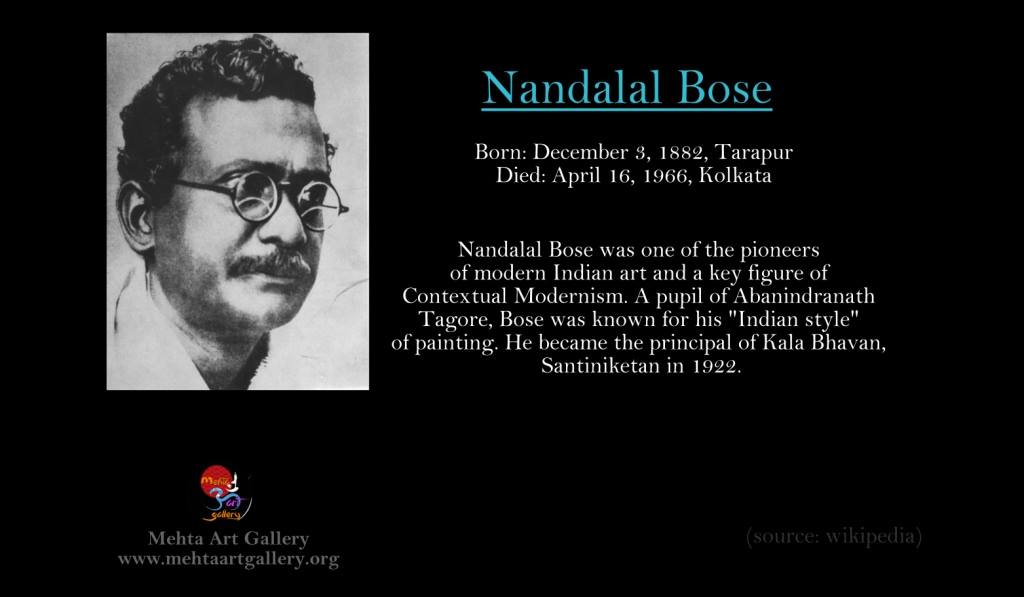
A disciple of Abanindranath Tagore, Nandalal Bose played a key role in shaping the Santiniketan art movement. He illustrated the Constitution of India, embedding art into the nation’s very foundation. His works often celebrated rural life, freedom, and heritage, reflecting Gandhi’s ideals of simplicity and truth.


Raja Ravi Varma: The First Modern Icon
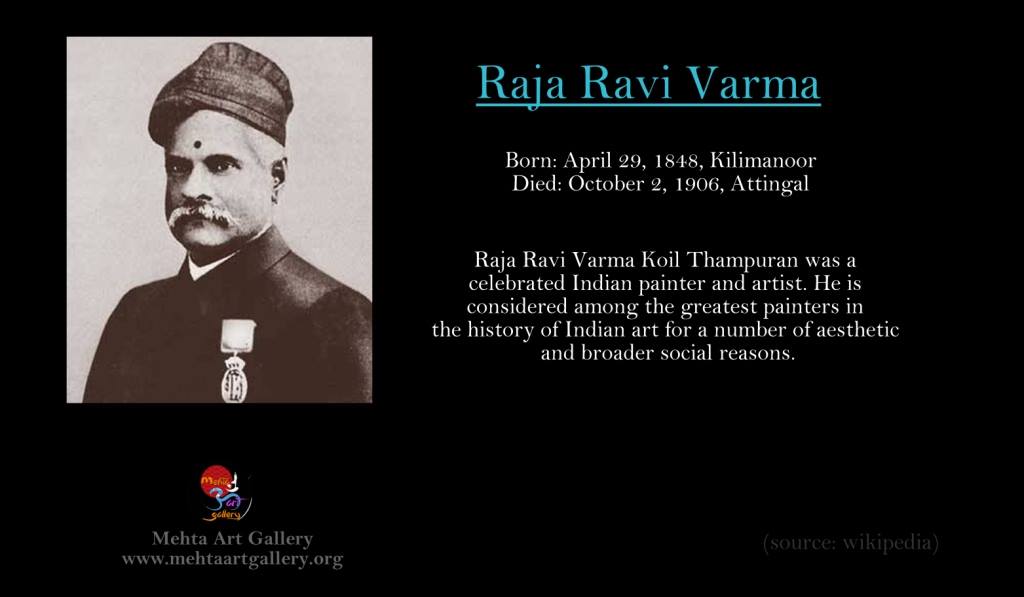
Raja Ravi Varma was perhaps India’s first celebrity painter. By blending European realism with Indian themes, he made gods and epics accessible to common people. His lithographs brought Lakshmi, Saraswati, and scenes from the Mahabharata into middle-class homes, changing how India visualized divinity forever.


Ramkinkar Baij: The Sculptor-Painter Visionary
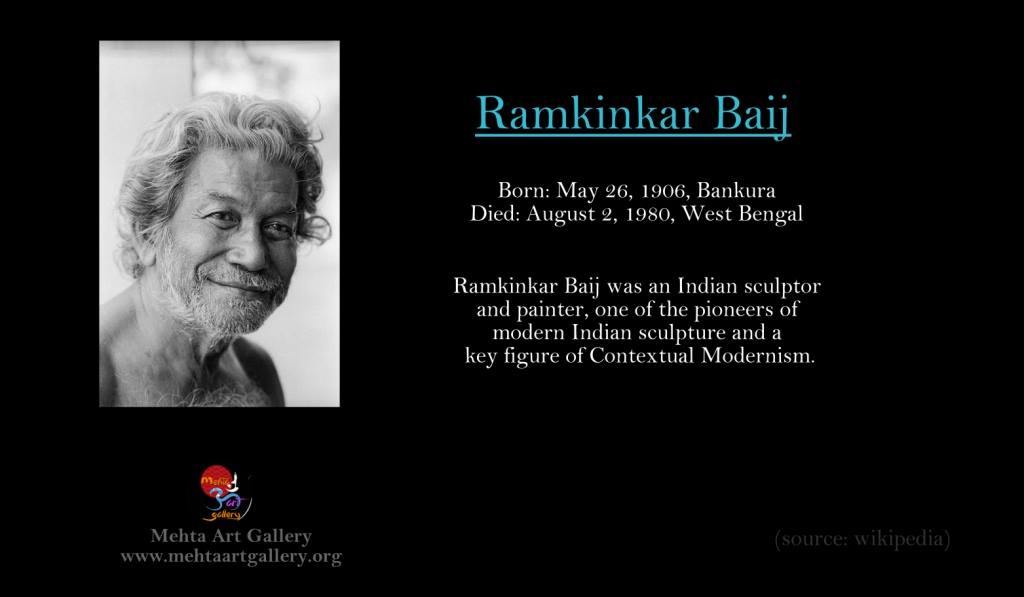
Though best remembered as a sculptor, Ramkinkar Baij was also a remarkable painter. His works carried raw energy, modernist daring, and a connection to the soil of Bengal. Baij’s dynamic forms broke academic traditions, earning him the title of one of India’s first modernists.


Satish Gujral: Art Born from Struggle

Satish Gujral’s life was shaped by resilience. Deafened by illness as a child, he turned to art to express himself. His paintings, murals, and later architectural works carried themes of pain, partition, and recovery. Gujral showed how art can be both personal therapy and national memory.


S.H. Raza: The Master of the Bindu

Syed Haider Raza, or S.H. Raza, took Indian art to international heights. His early landscapes evolved into abstract spiritual works, dominated by the bindu, a symbol of cosmic unity. Raza believed art was meditation—a way to experience existence itself. His legacy bridges India and France, tradition and modernity.


Sunil Das: The Energy of Horses and Bulls
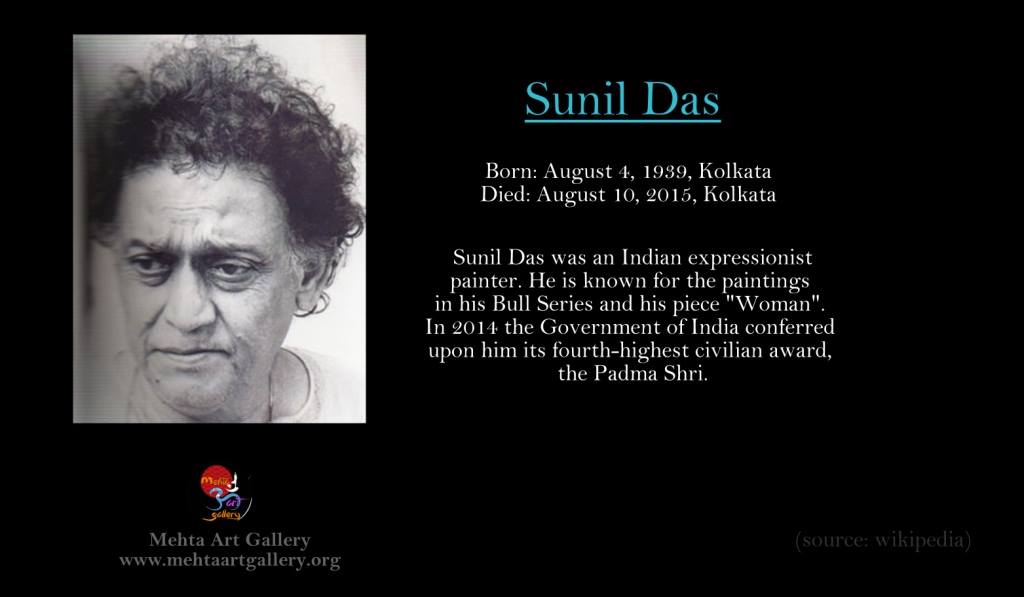
Sunil Das’s explosive lines captured motion like few others could. Famous for his series on horses and bulls, Das brought intensity and dynamism to Indian modernism. His art was restless, reflecting both power and fragility.


Abanindranath Tagore: The Father of Modern Indian Art
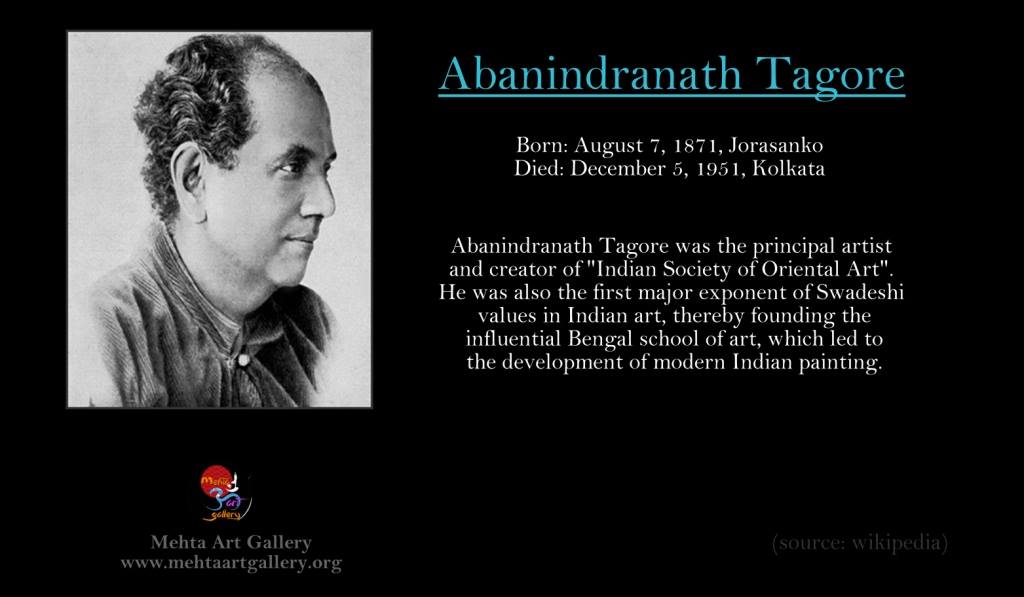
Abanindranath Tagore, nephew of Rabindranath, founded the Bengal School of Art, leading India’s cultural revival against colonial dominance. His iconic work Bharat Mata gave visual form to nationalism. By drawing from Mughal miniatures, Japanese wash techniques, and Indian spirituality, Abanindranath laid the foundation of a modern Indian identity in art.


Tyeb Mehta: The Painter of Anguish
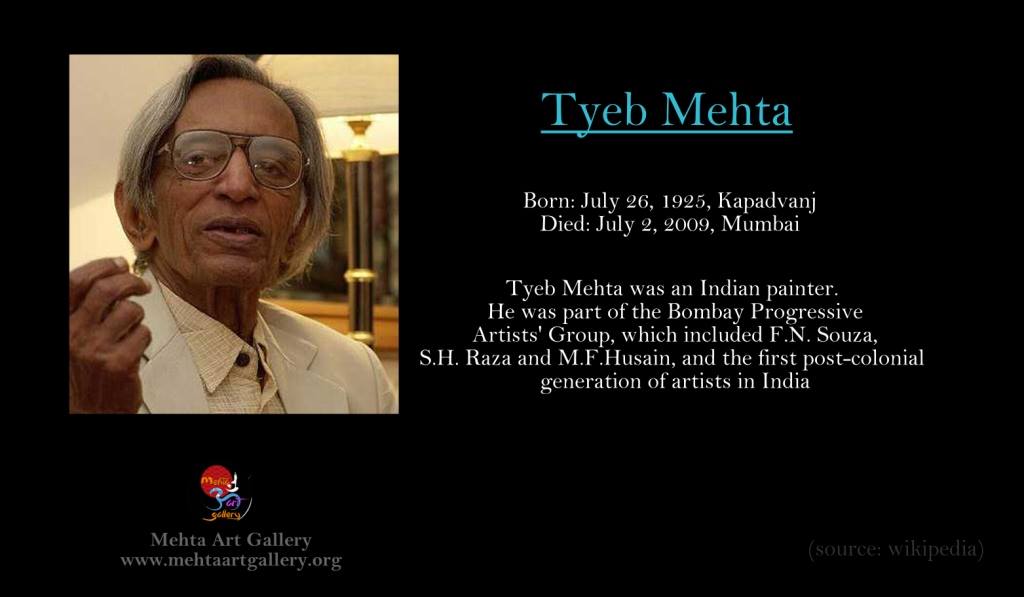
Tyeb Mehta belonged to the Progressive Artists’ Group, and his paintings often reflected the violence, migration, and struggles of 20th-century India. His angular figures, restrained palettes, and themes of conflict and suffering carried global resonance. His works later broke auction records, making him one of India’s most celebrated modern artists.


The Campaign: A Digital Homage to the Masters

Through this campaign, Mehta Art Gallery aims to:

  • Celebrate: Showcase portraits and key works of these masters on social media and our website, highlighting their artistic journeys.
  • Educate: Share engaging stories, anecdotes, and interpretations to make their art more accessible to younger audiences.
  • Inspire: Encourage emerging artists to learn from the past while shaping the future.
  • Preserve: Create a digital archive where the legacy of these painters remains alive and easily discoverable.

Each artist’s image will be shared separately with a tribute note, so viewers can connect with their unique style and philosophy. Together, these posts form a collective tribute to India’s cultural heritage.


Why This Tribute Matters

In today’s fast-moving digital era, it is easy to forget the shoulders on which contemporary art stands. These masters lived in different centuries, spoke different languages, and worked in different styles—but they all expressed the essence of India through their canvases.

By honoring them on digital platforms, we bridge time, bringing the wisdom of the past into the present. A young student scrolling through Instagram may pause at Jamini Roy’s folk figures; a researcher may rediscover the genius of Kshitindranath Majumdar through our website; a budding painter may find courage in the story of Satish Gujral’s resilience.


Conclusion: Carrying the Flame Forward

Art is not just about paintings on walls, it is about memory, imagination, and identity. By paying tribute to these legends, Mehta Art Gallery reaffirms its commitment to nurturing and preserving Indian art.

We invite you to join this campaign: share the stories, engage with the visuals, and let these masters speak to your heart. For in their strokes lies not just art, but India’s eternal soul.
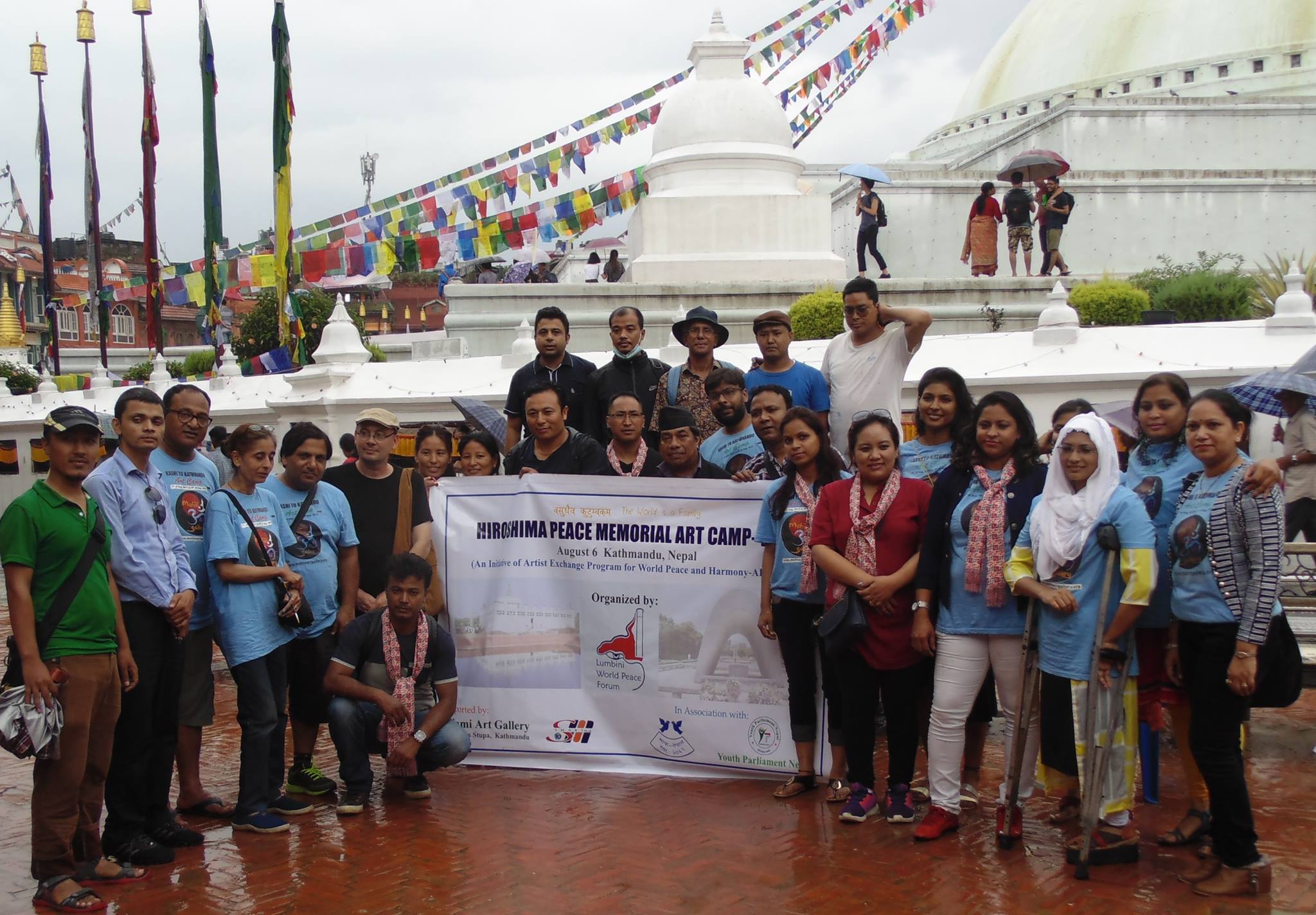
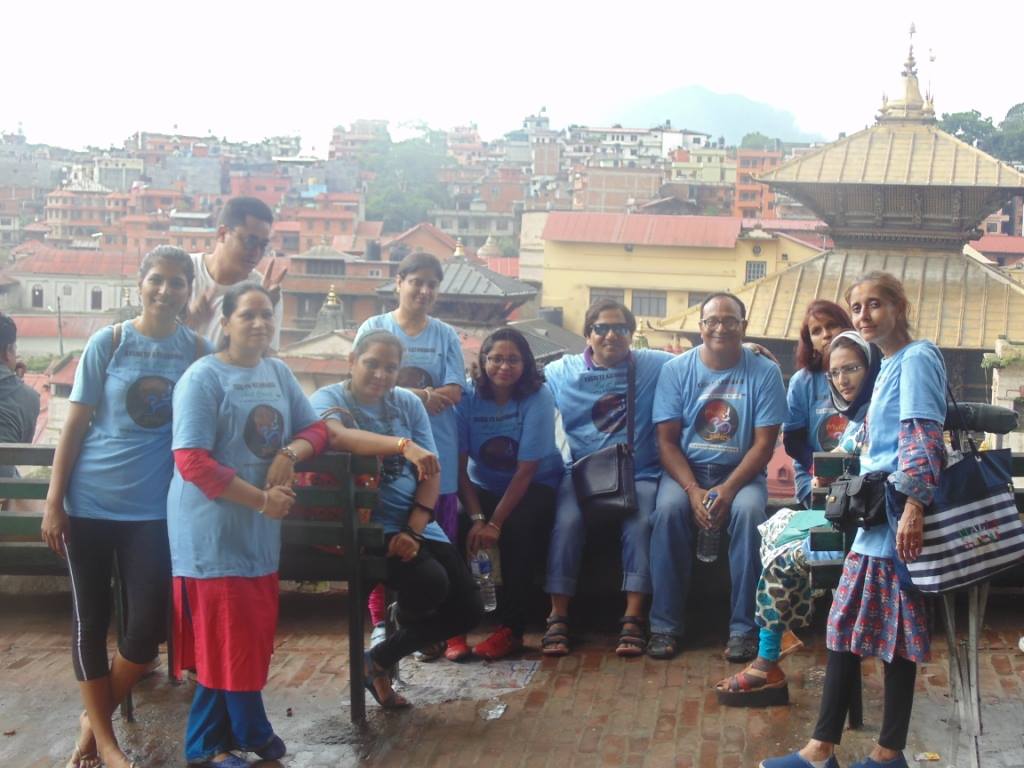
Kashi to Kathmandu: An Art Camp of Cultural Exchange Between India and Nepal

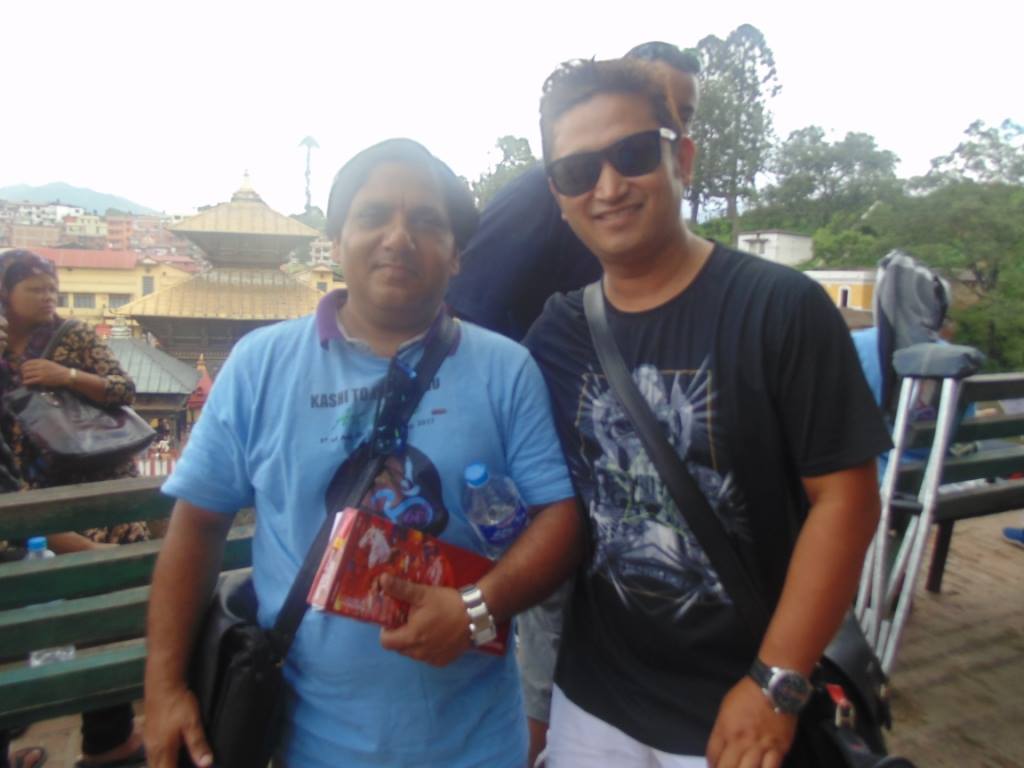
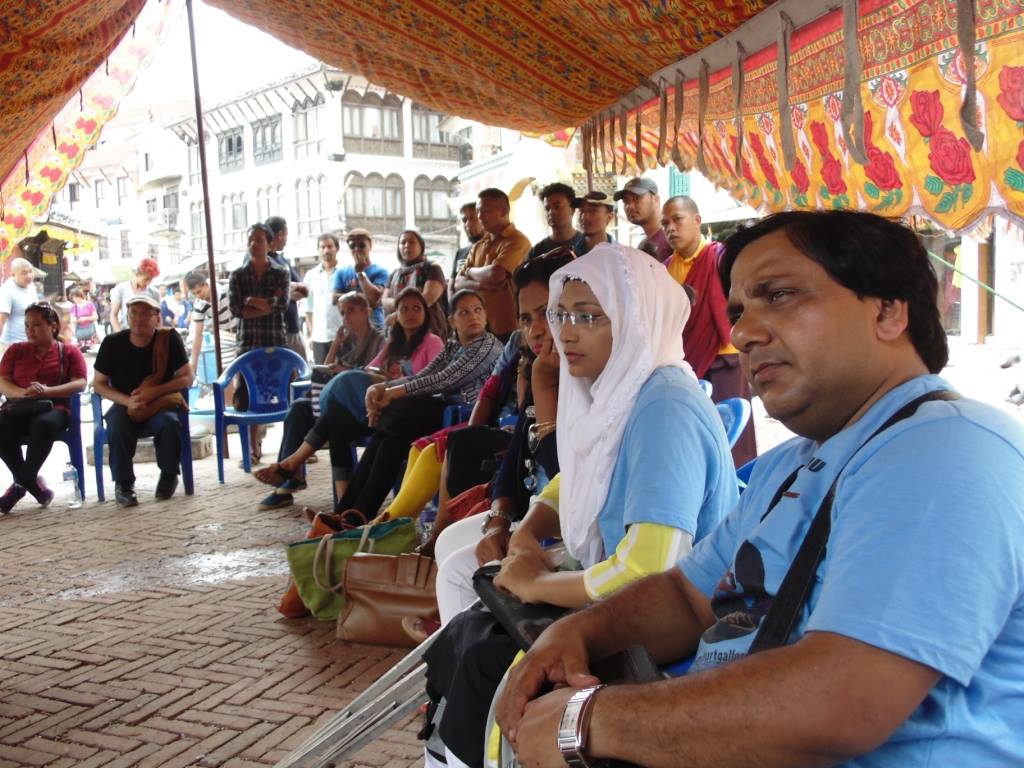
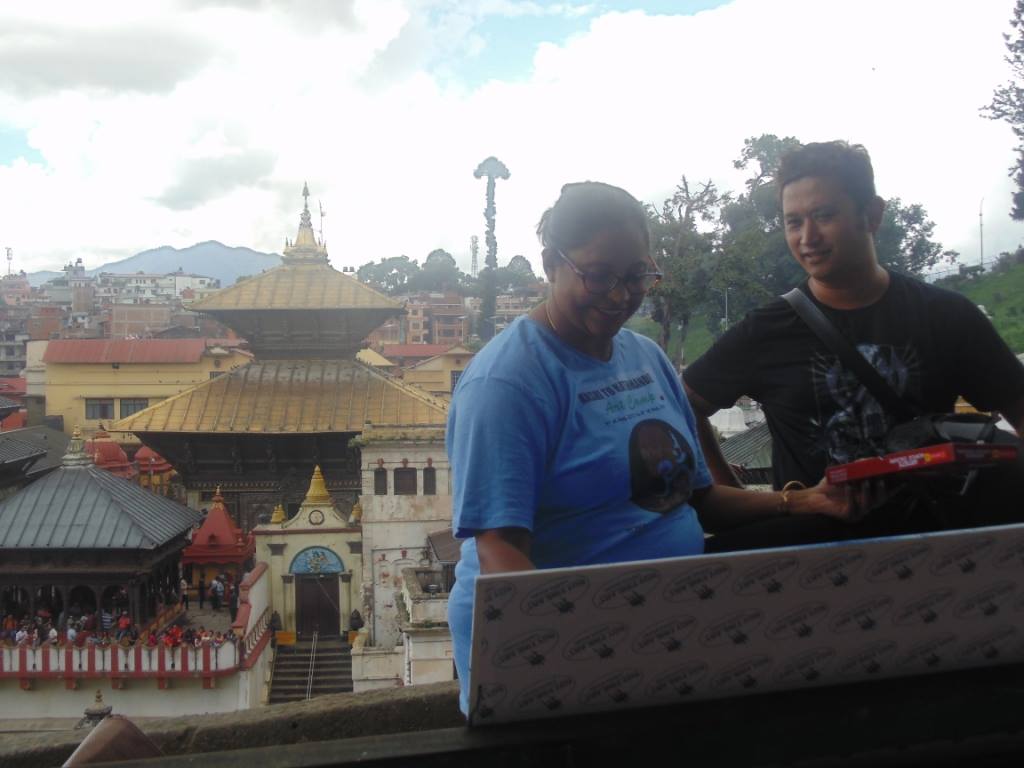
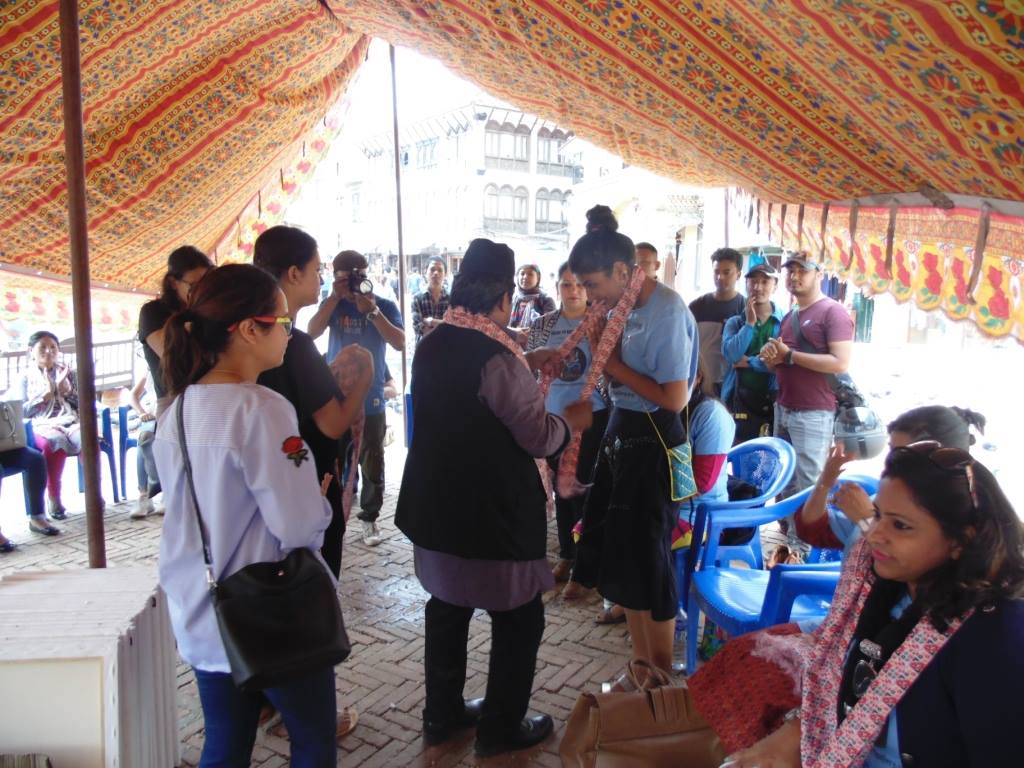
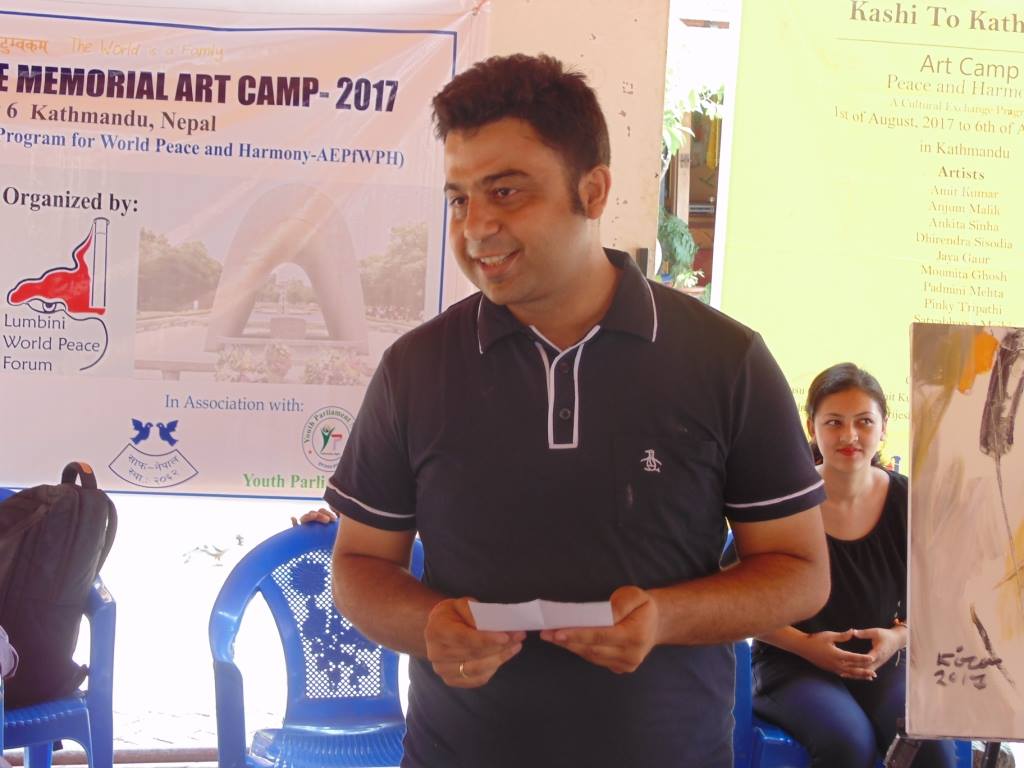
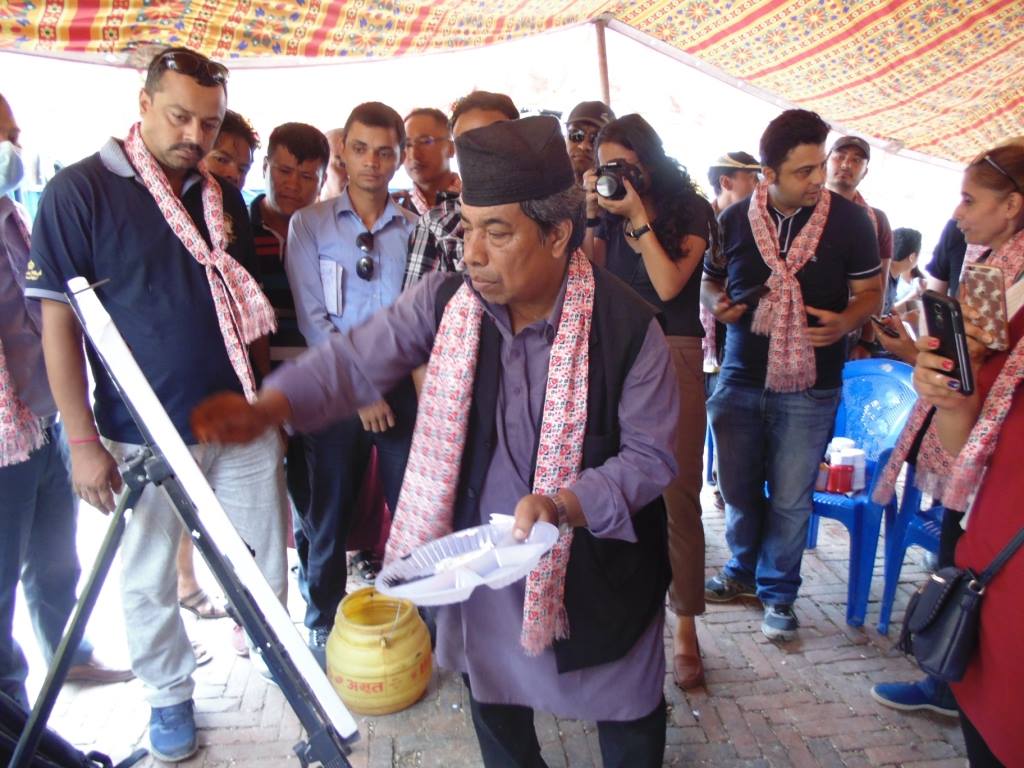
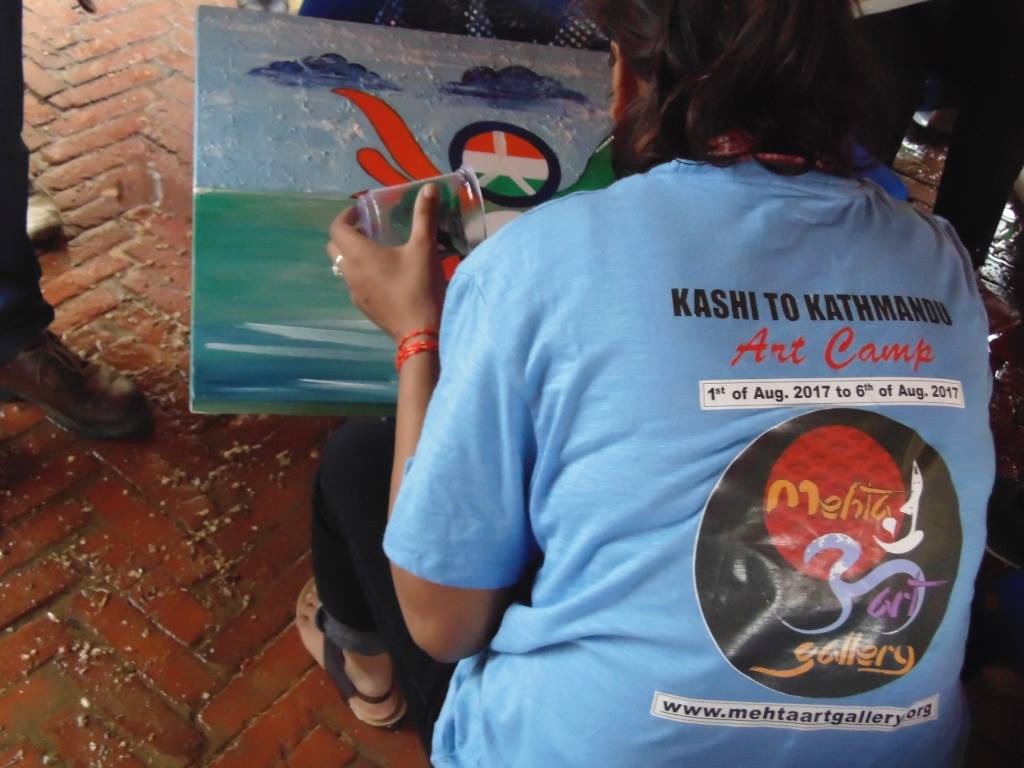
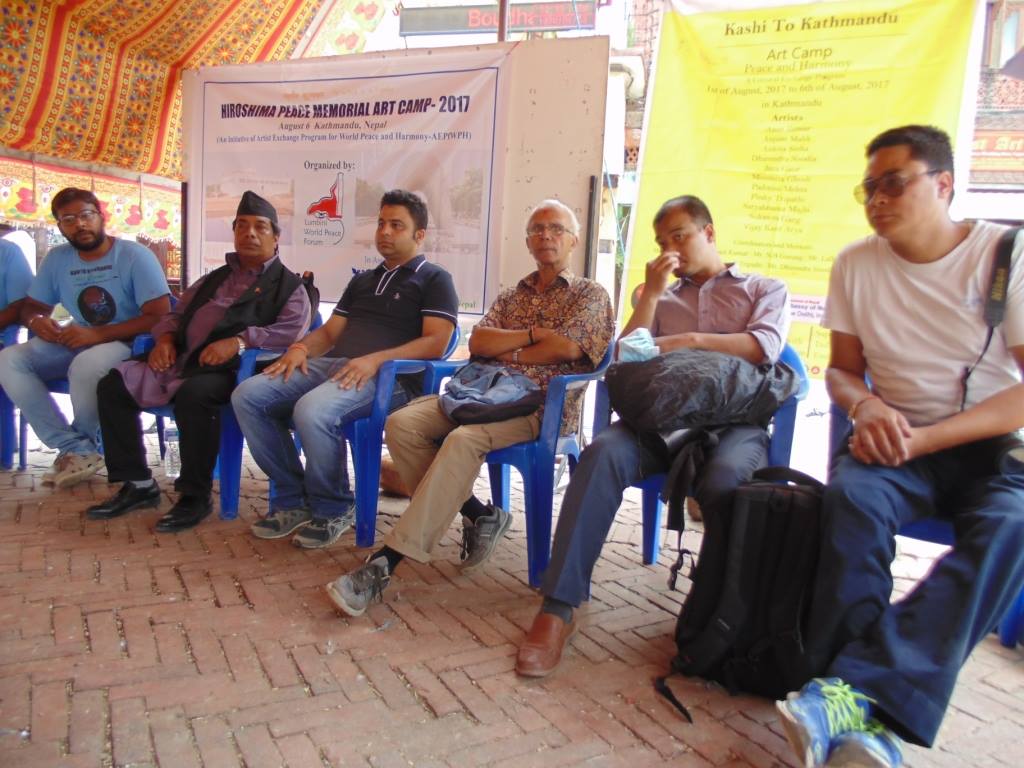
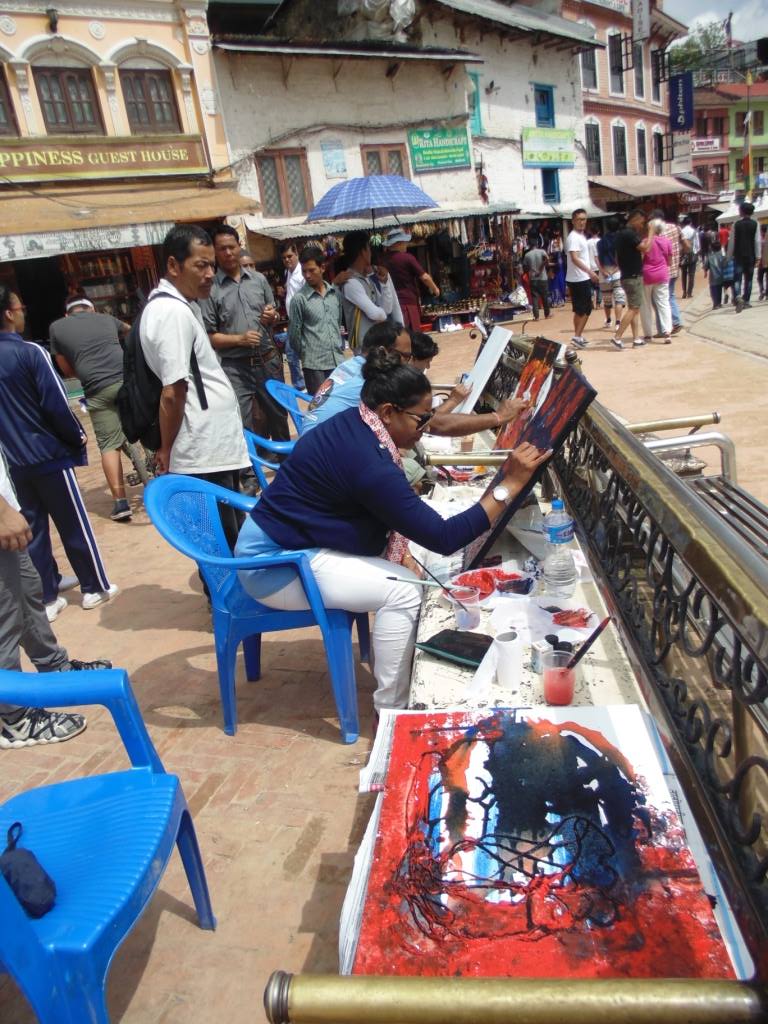
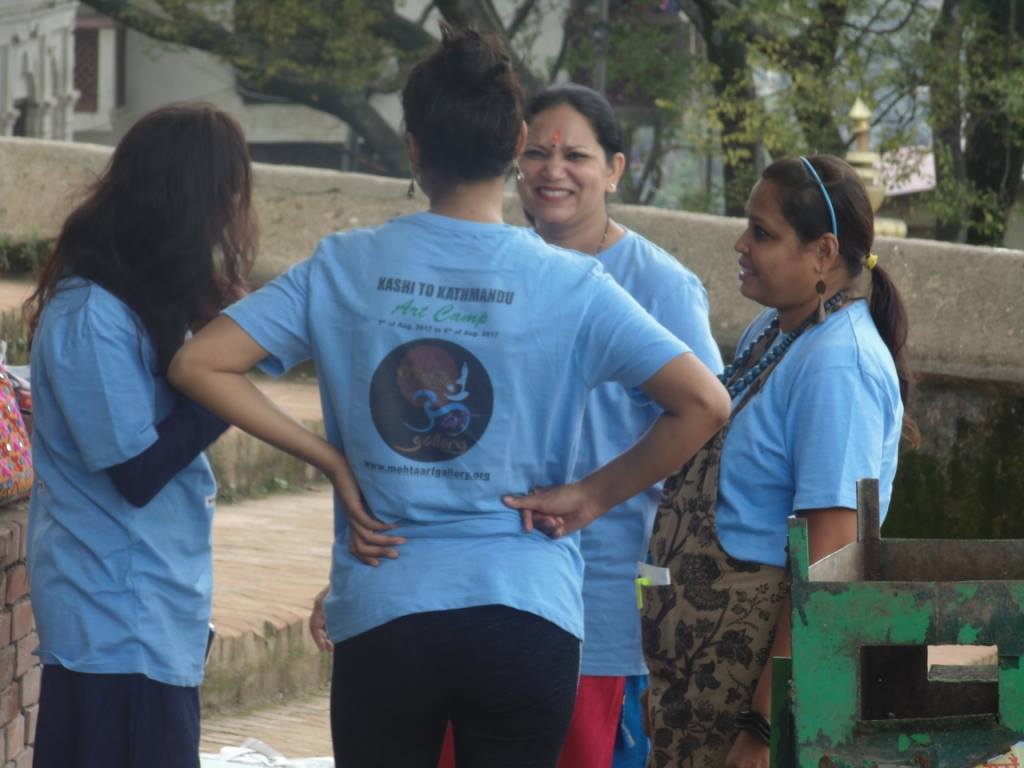
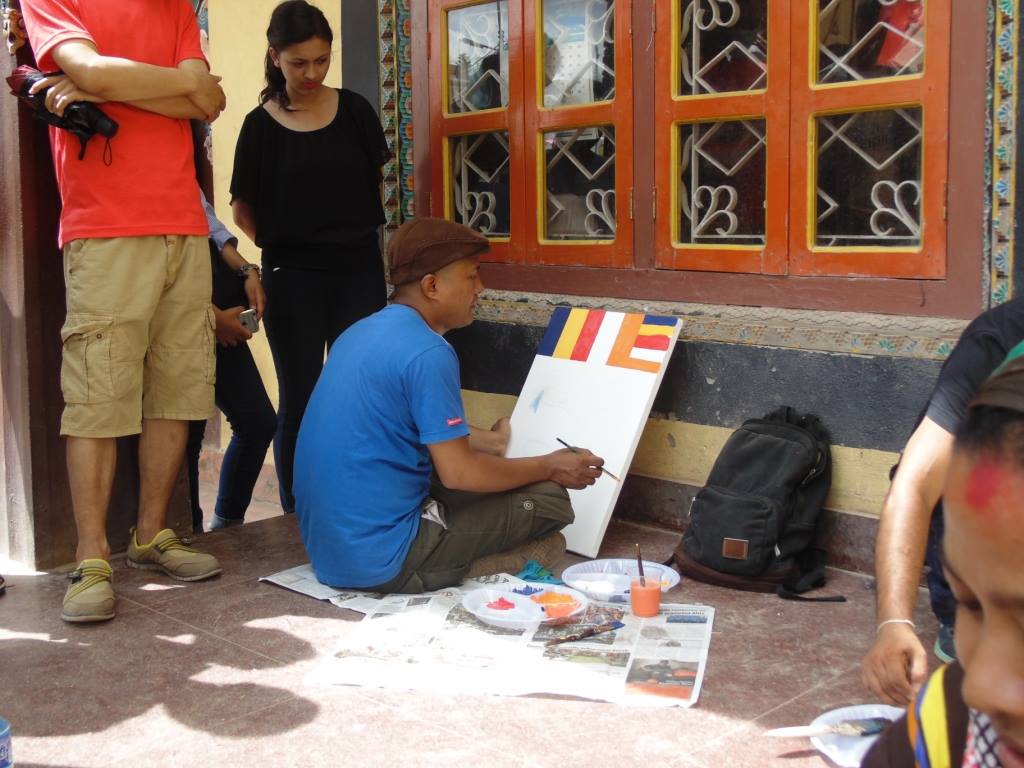
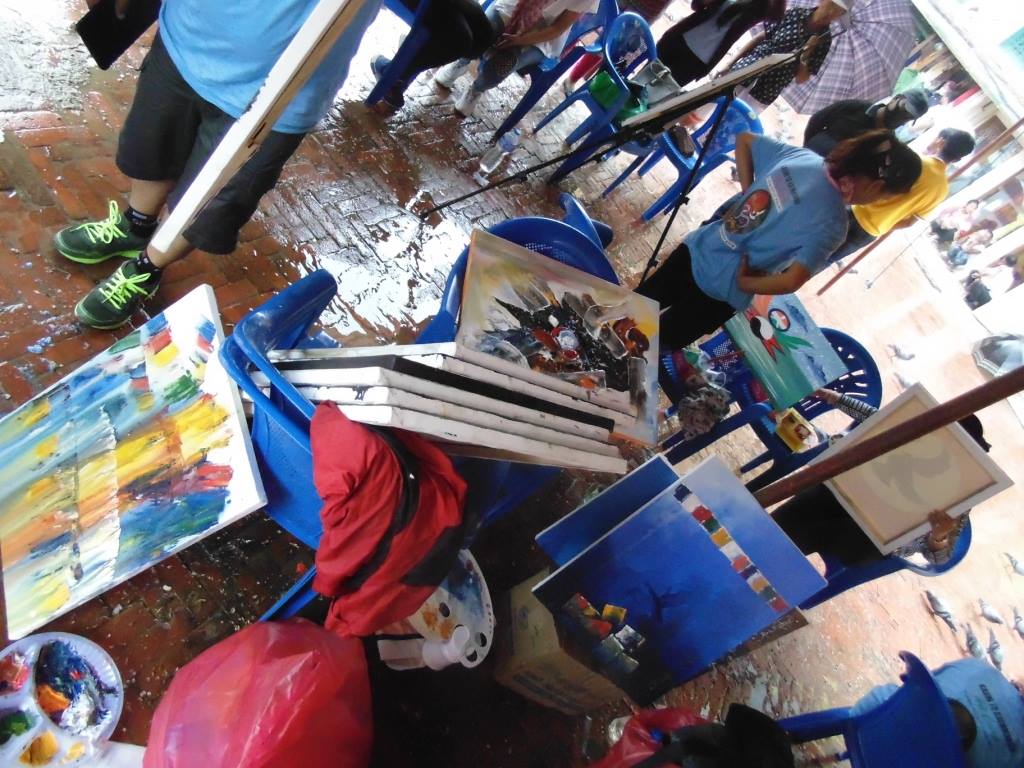
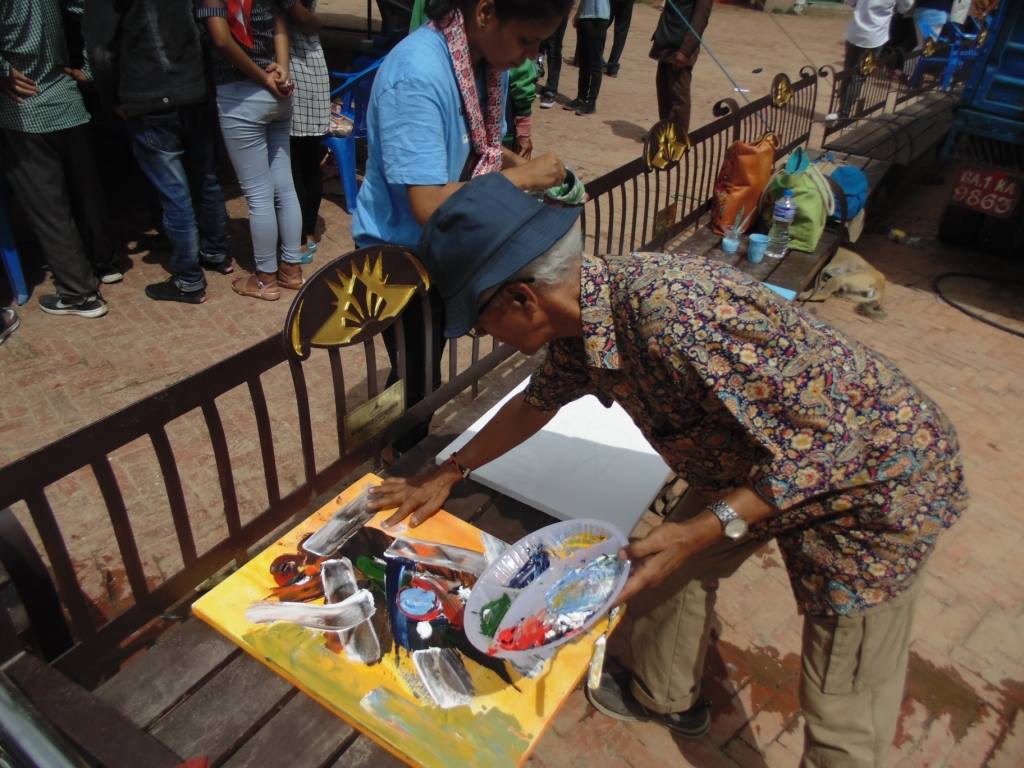
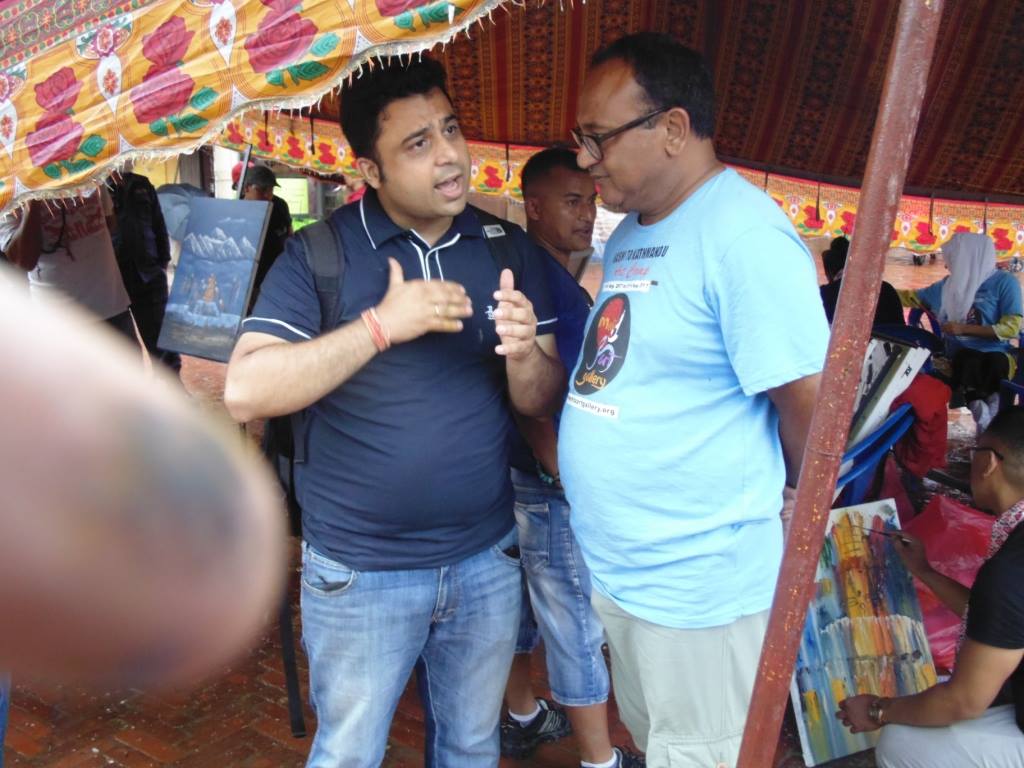
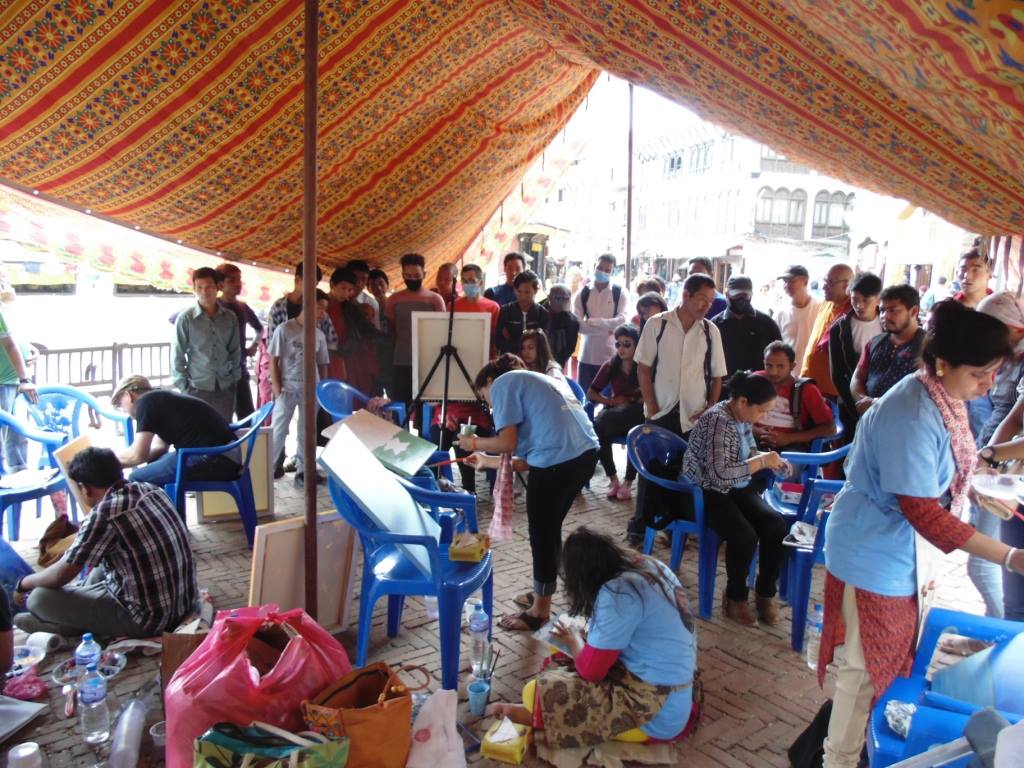
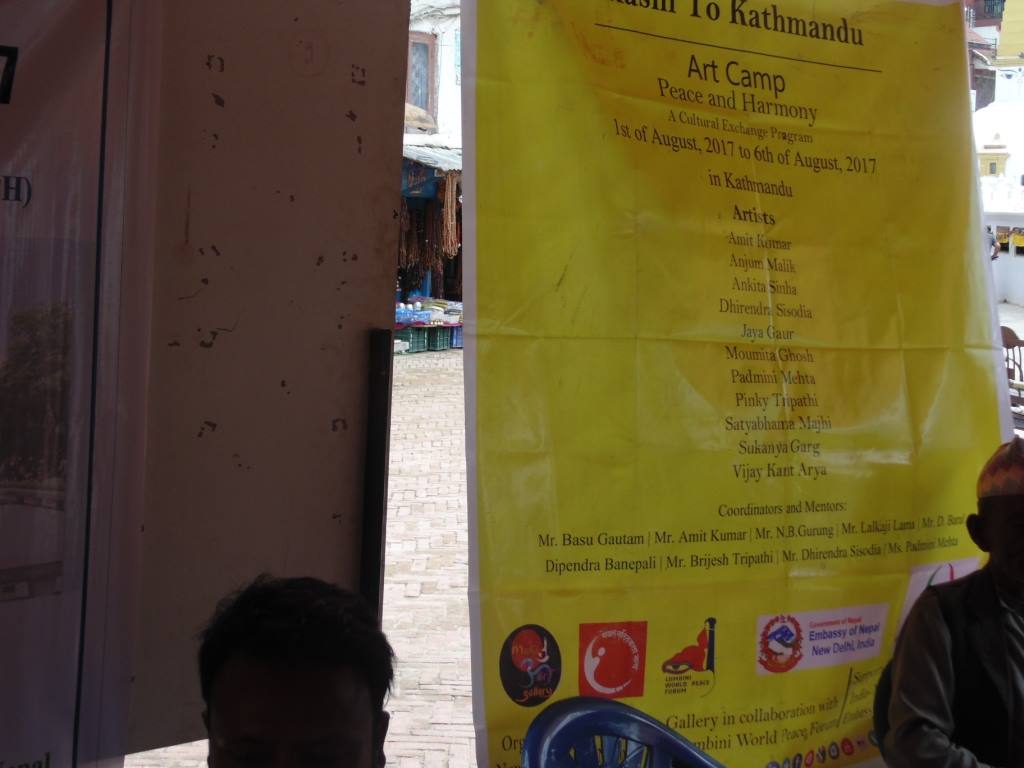
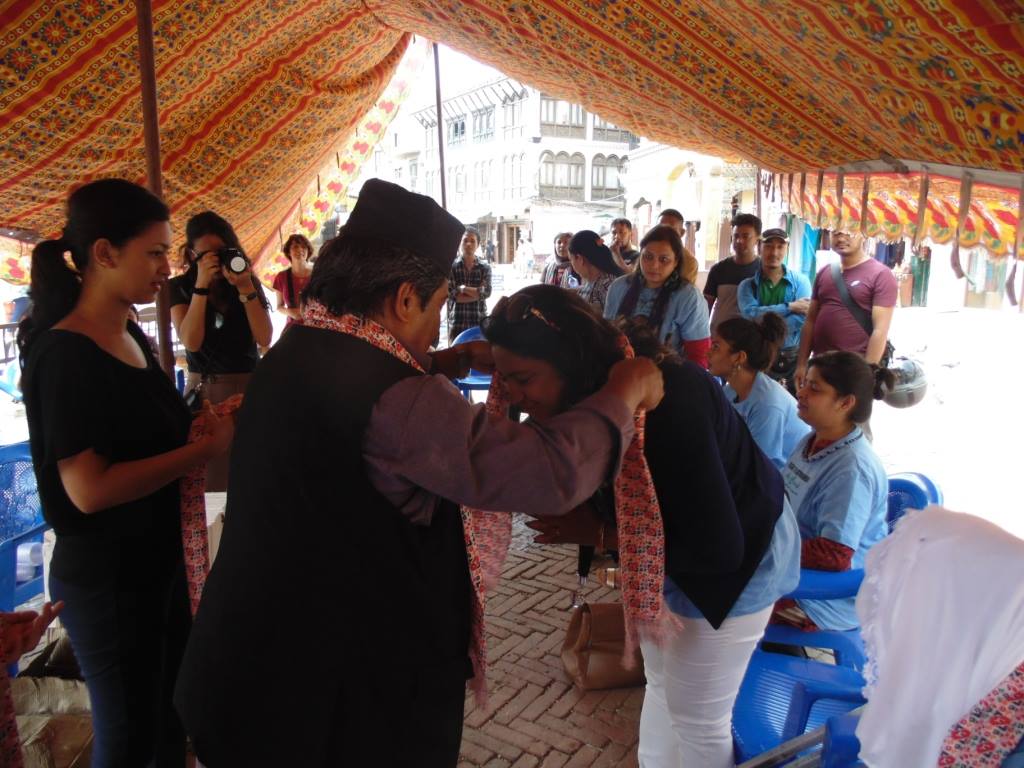
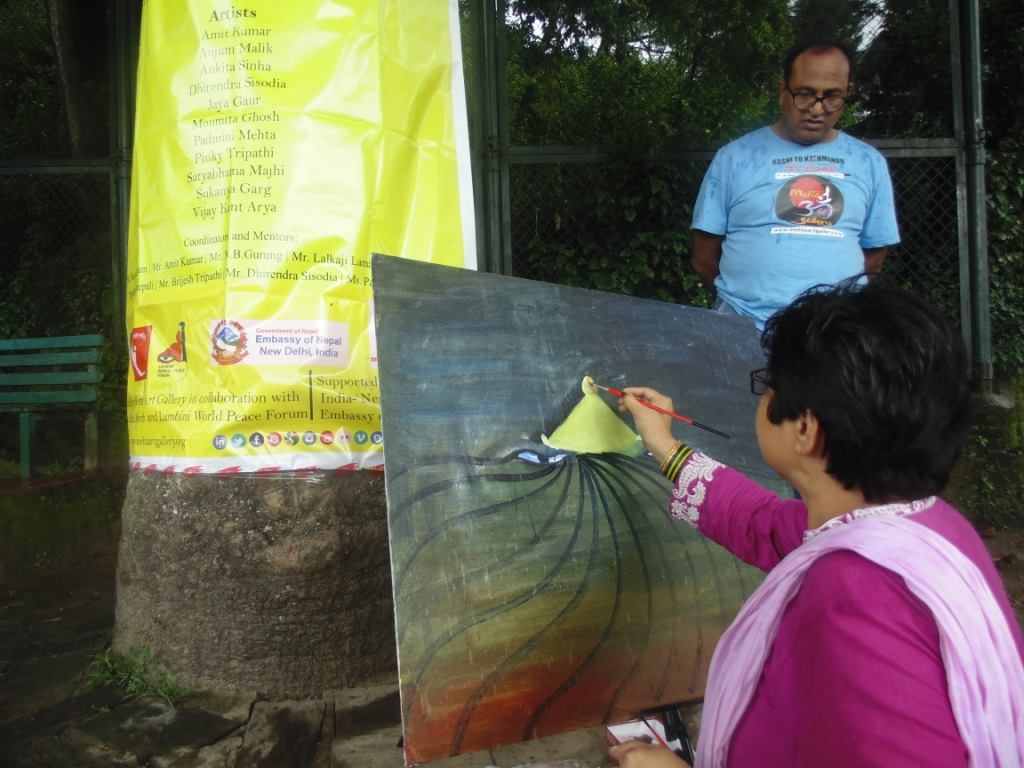
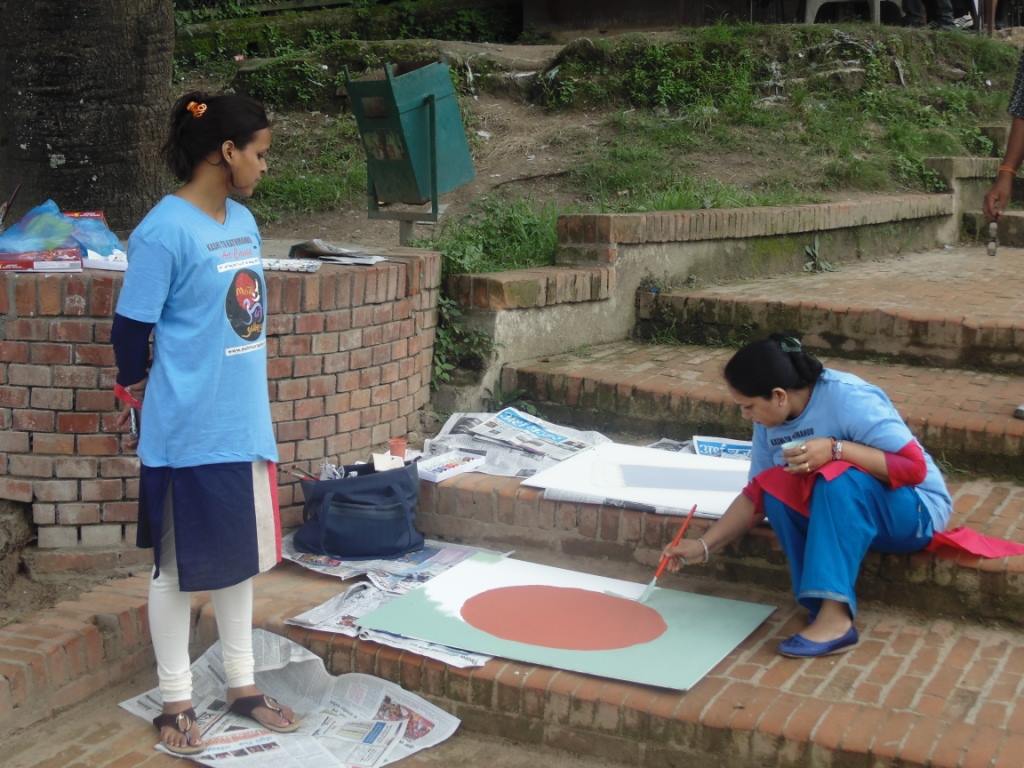
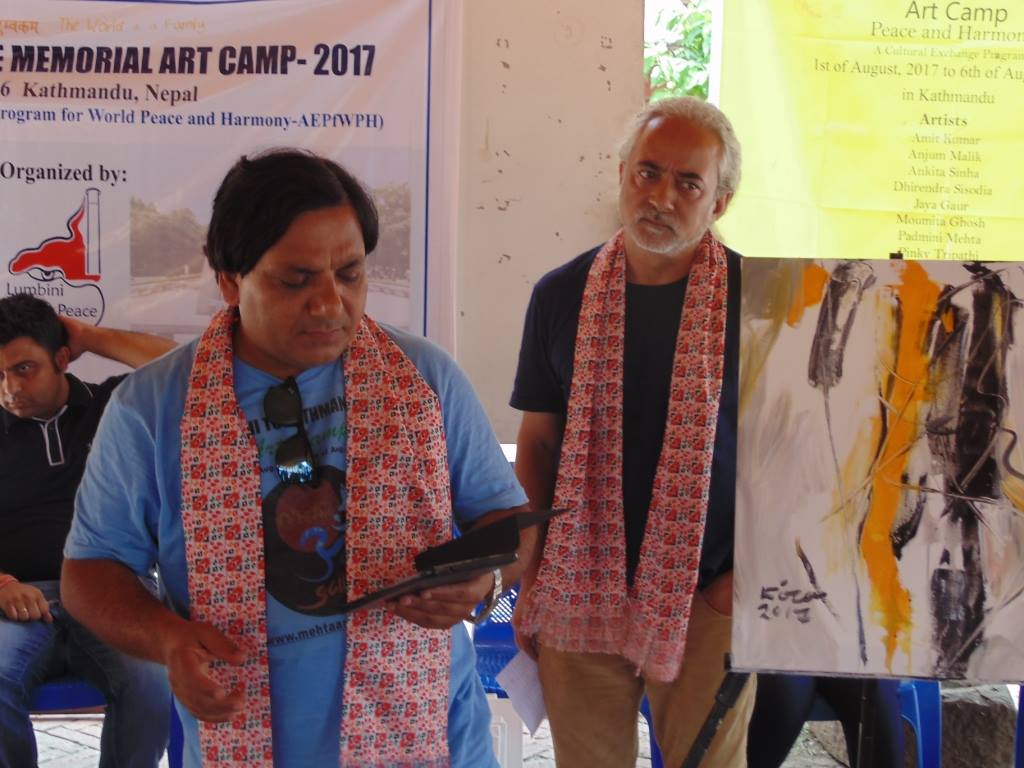
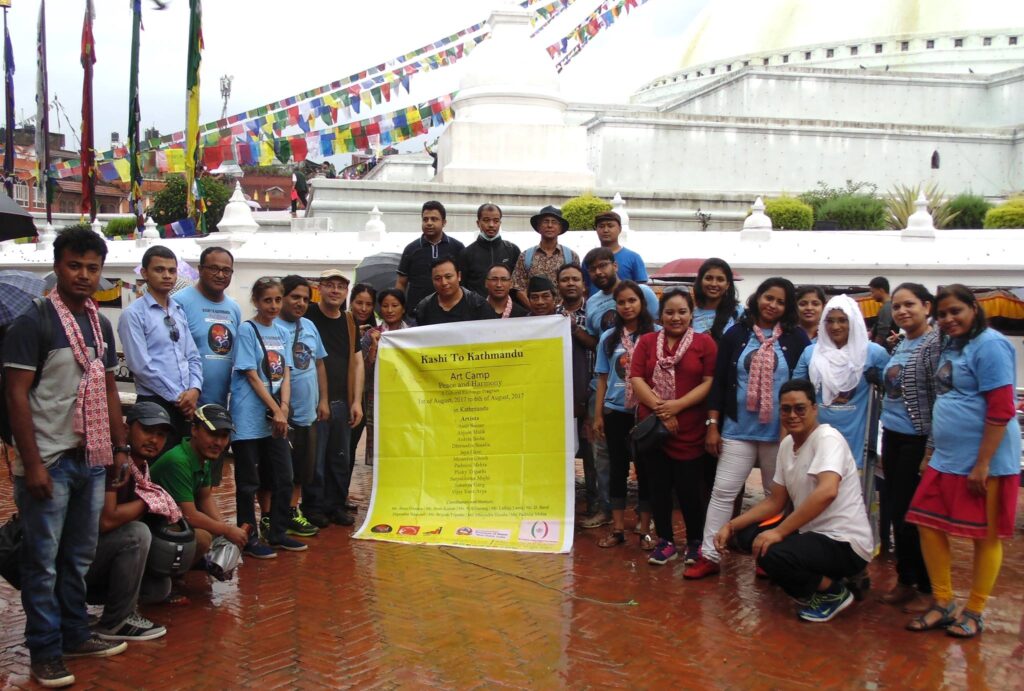
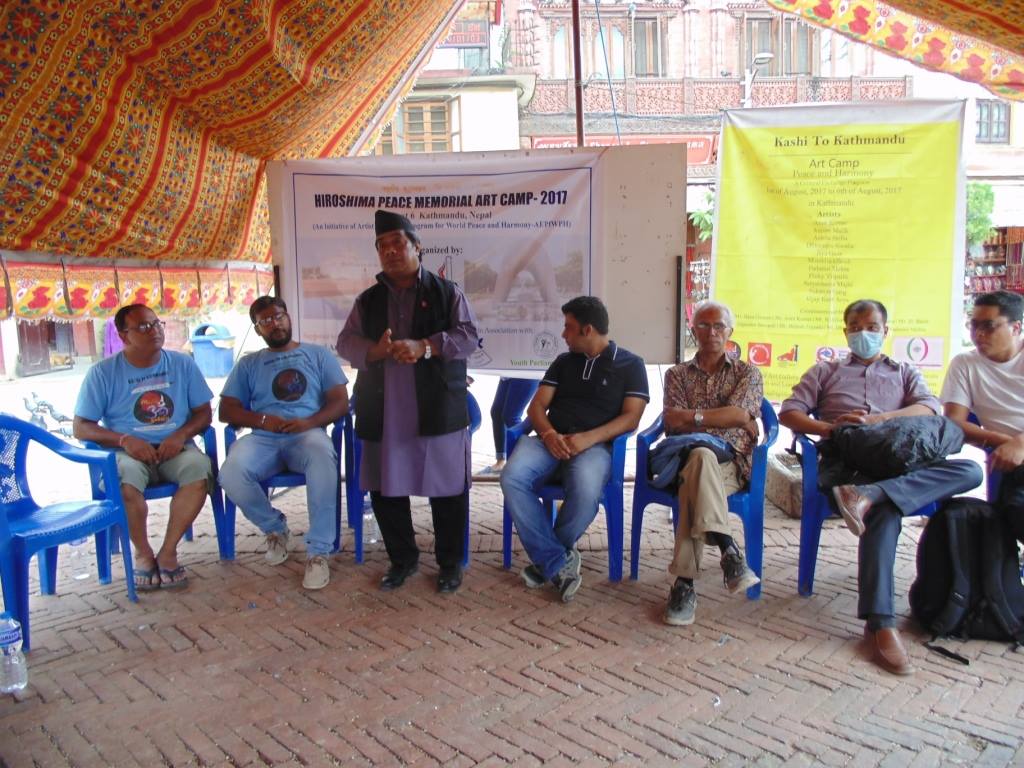
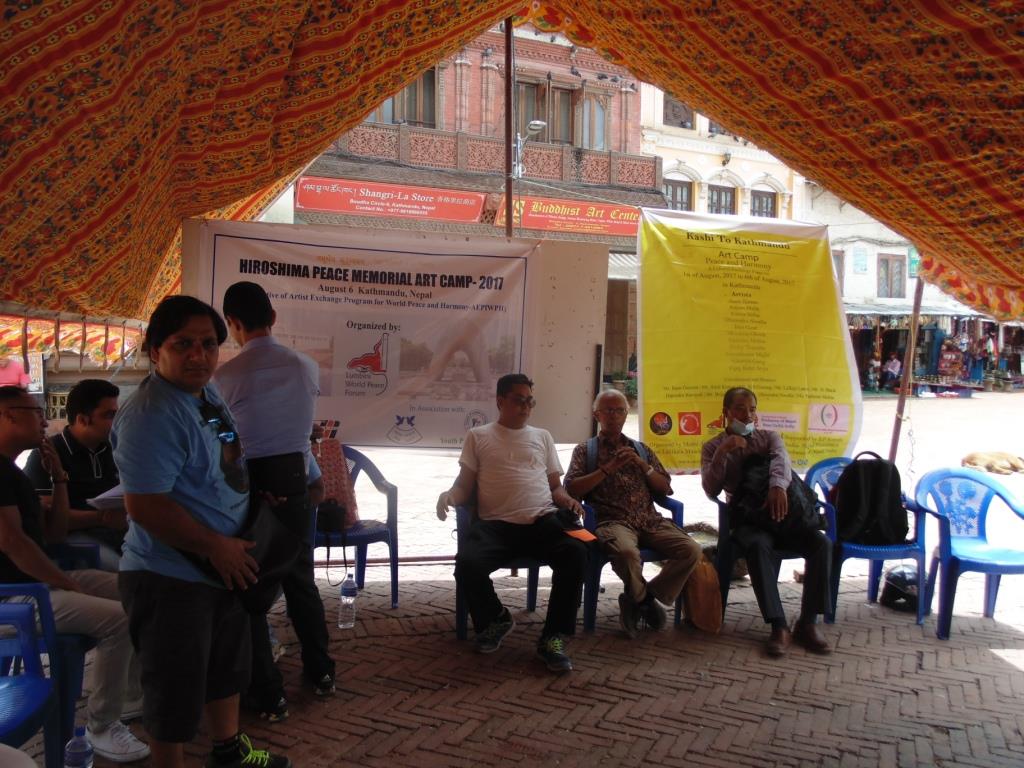
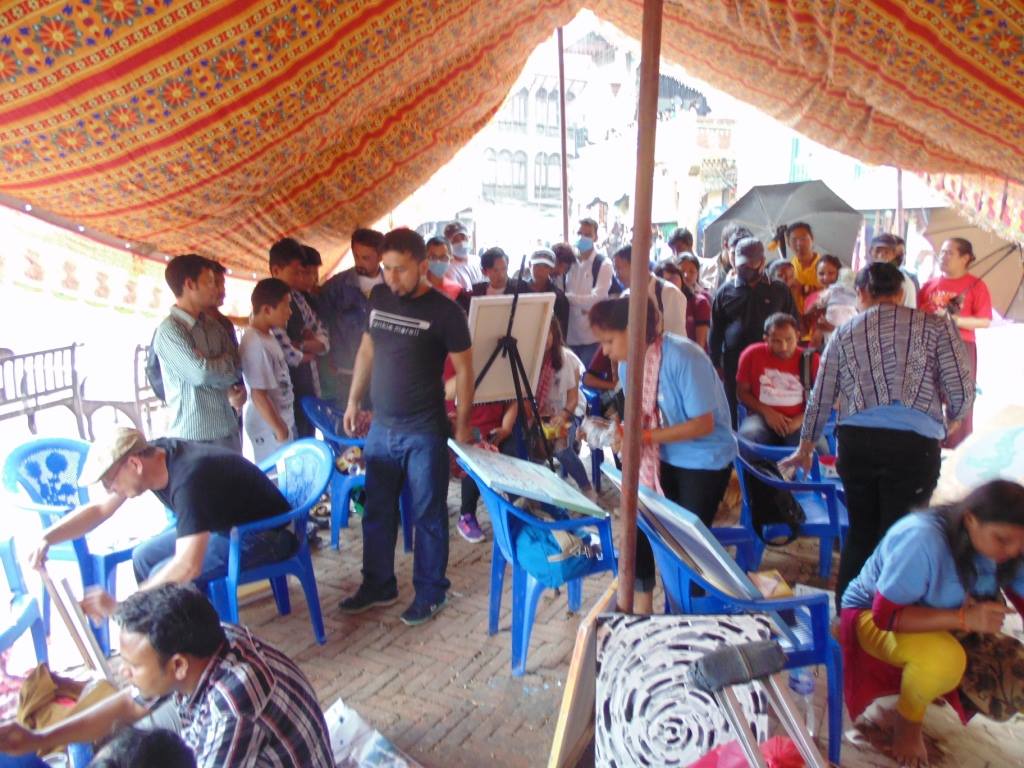
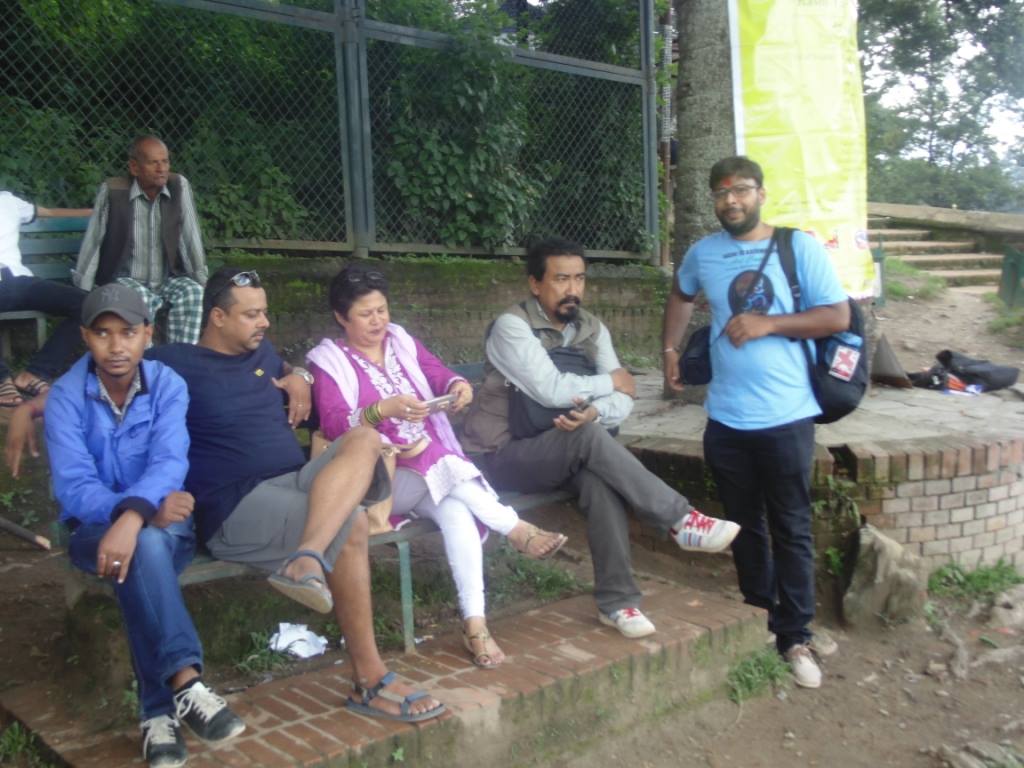
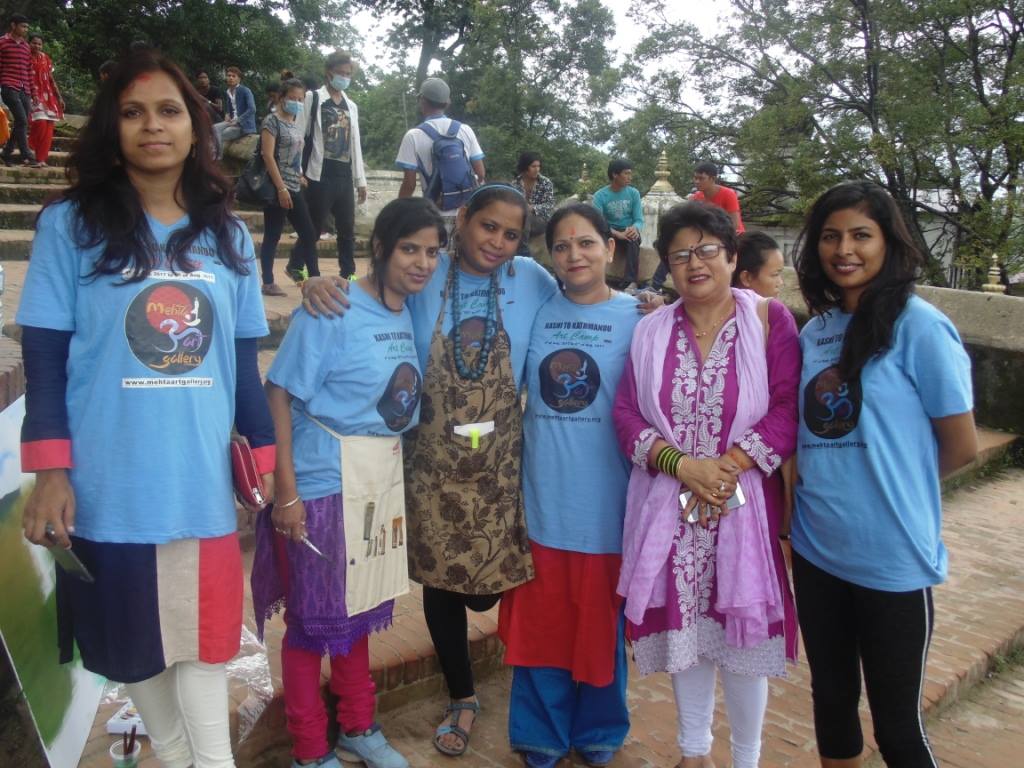
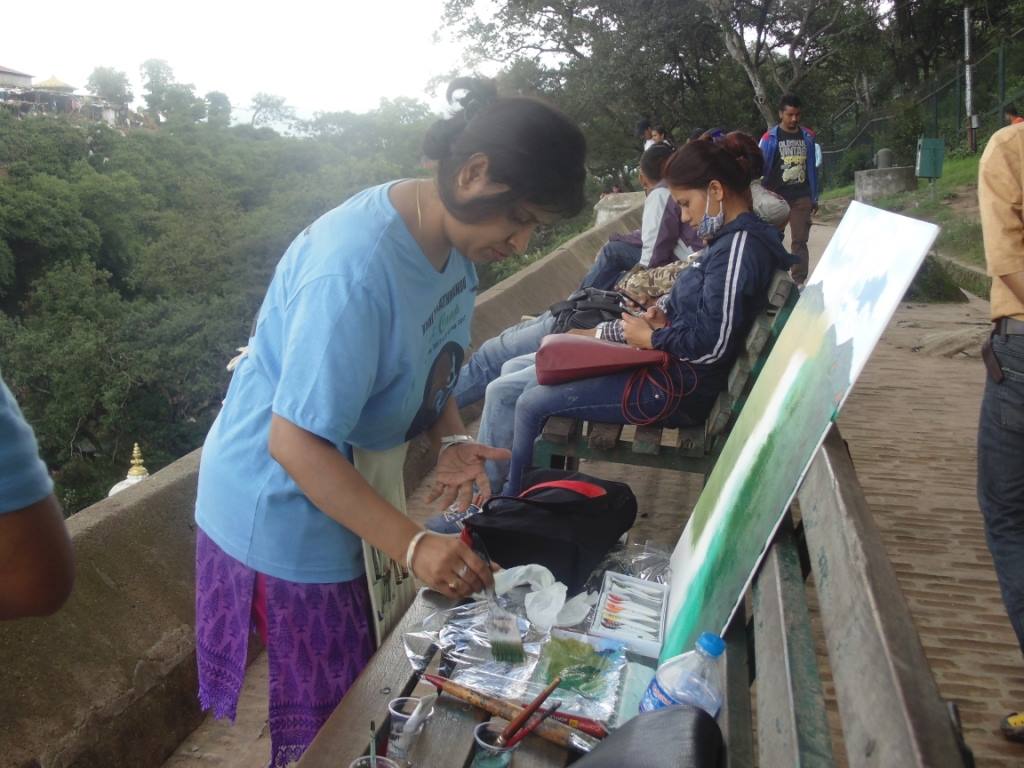
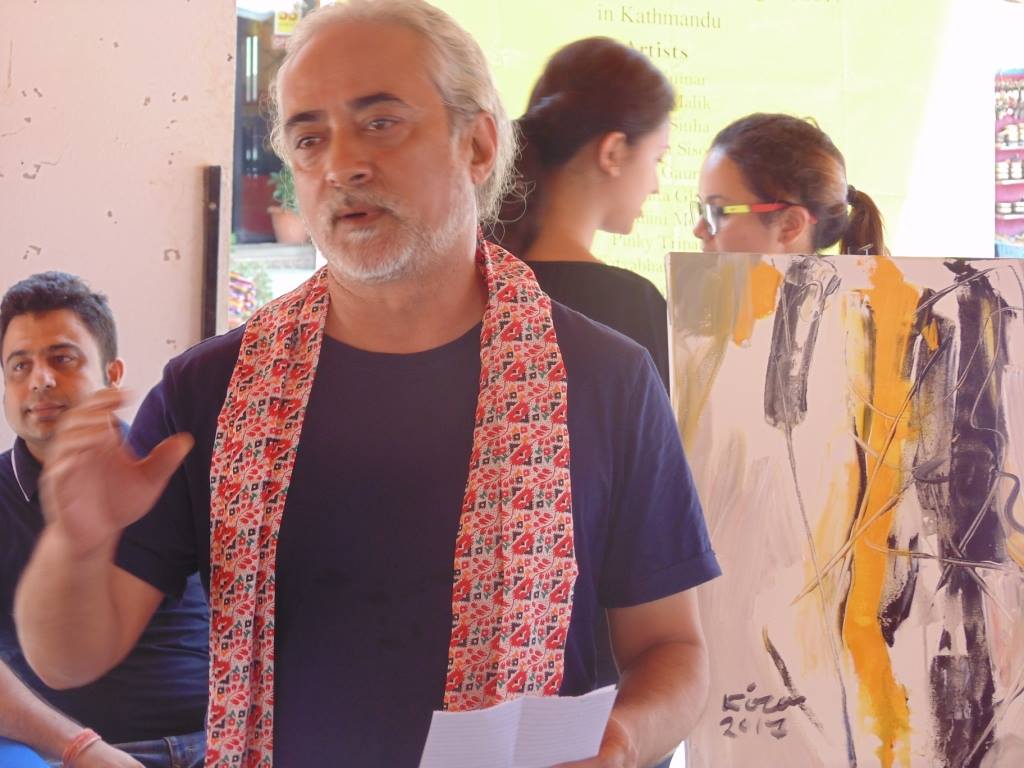
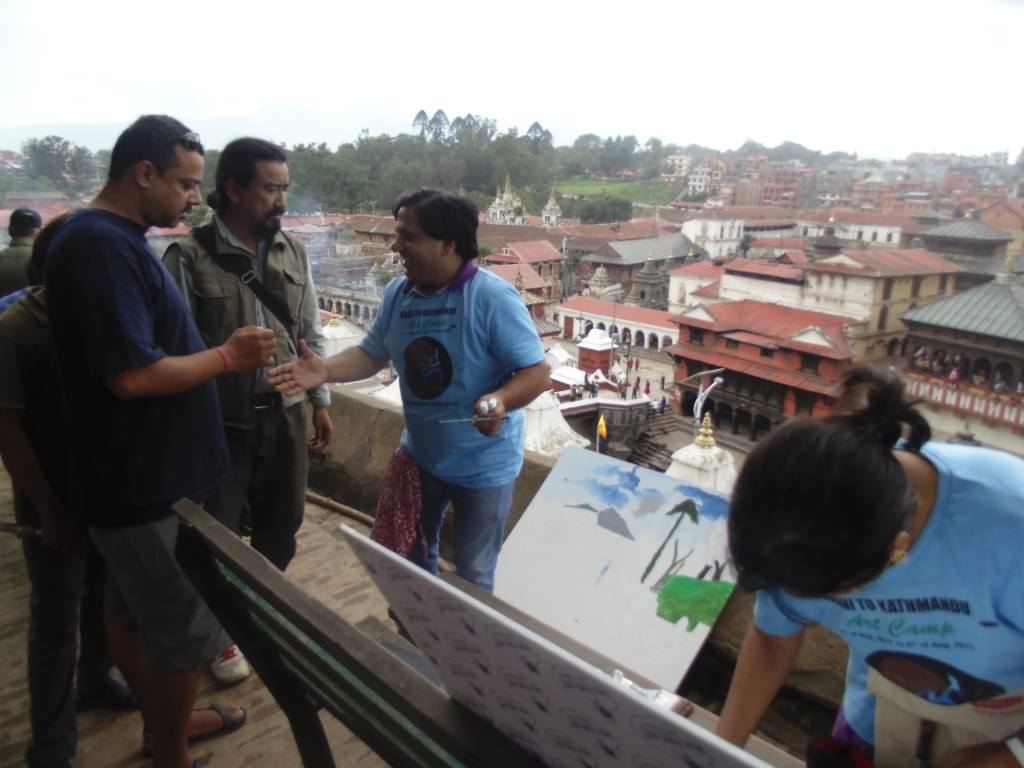
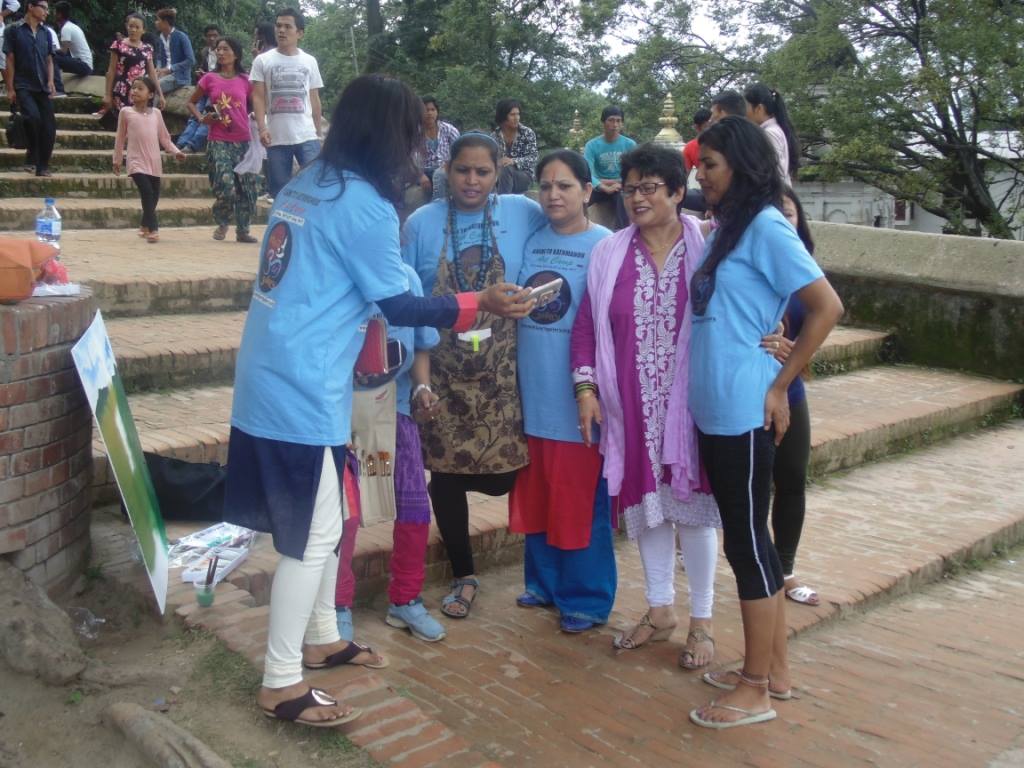
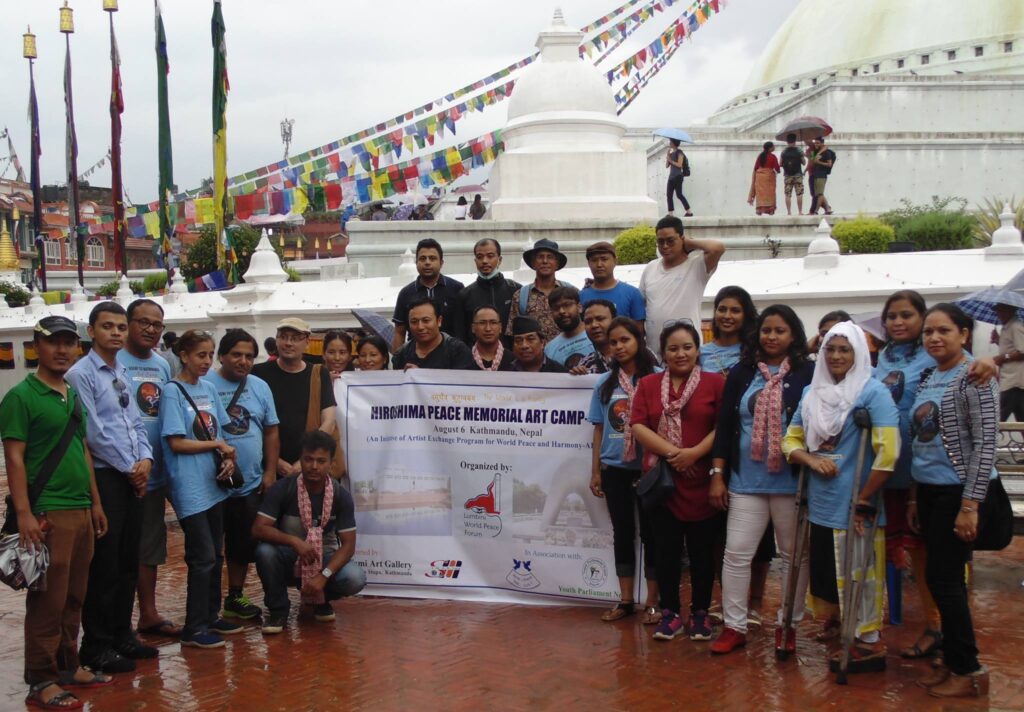
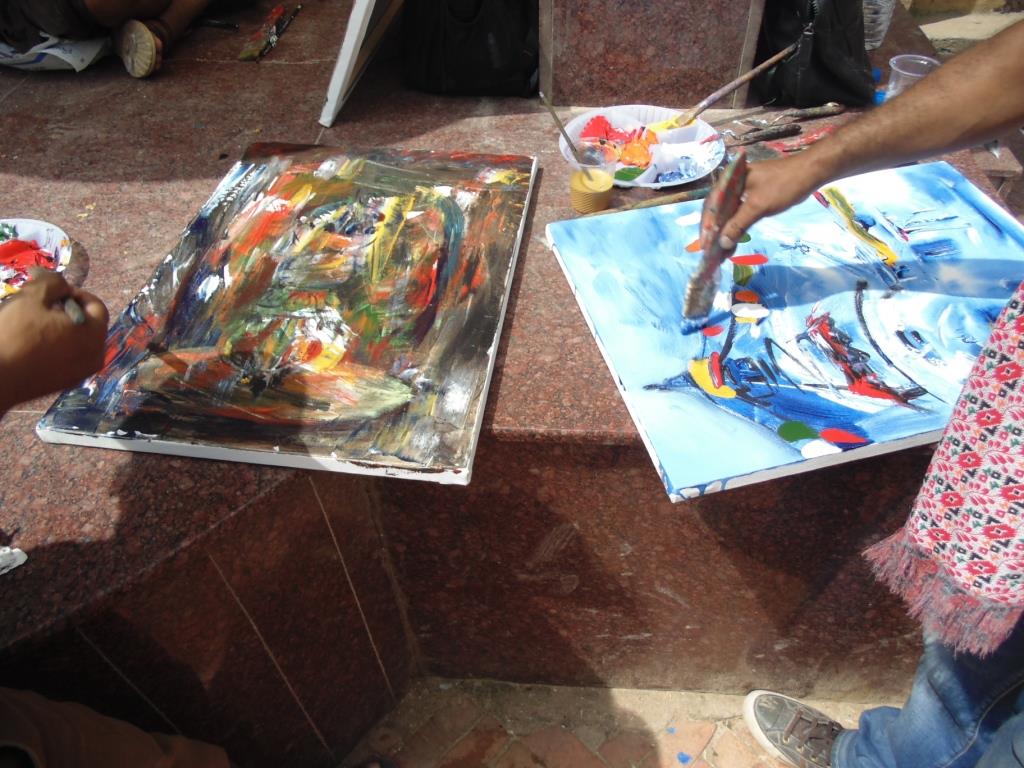
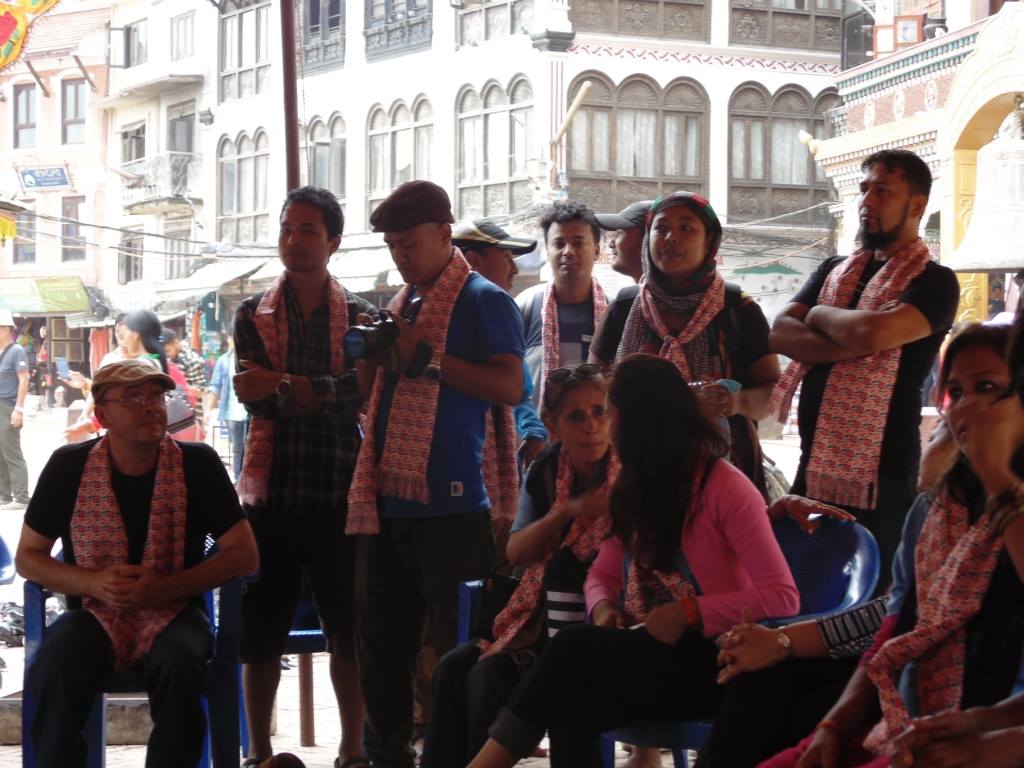
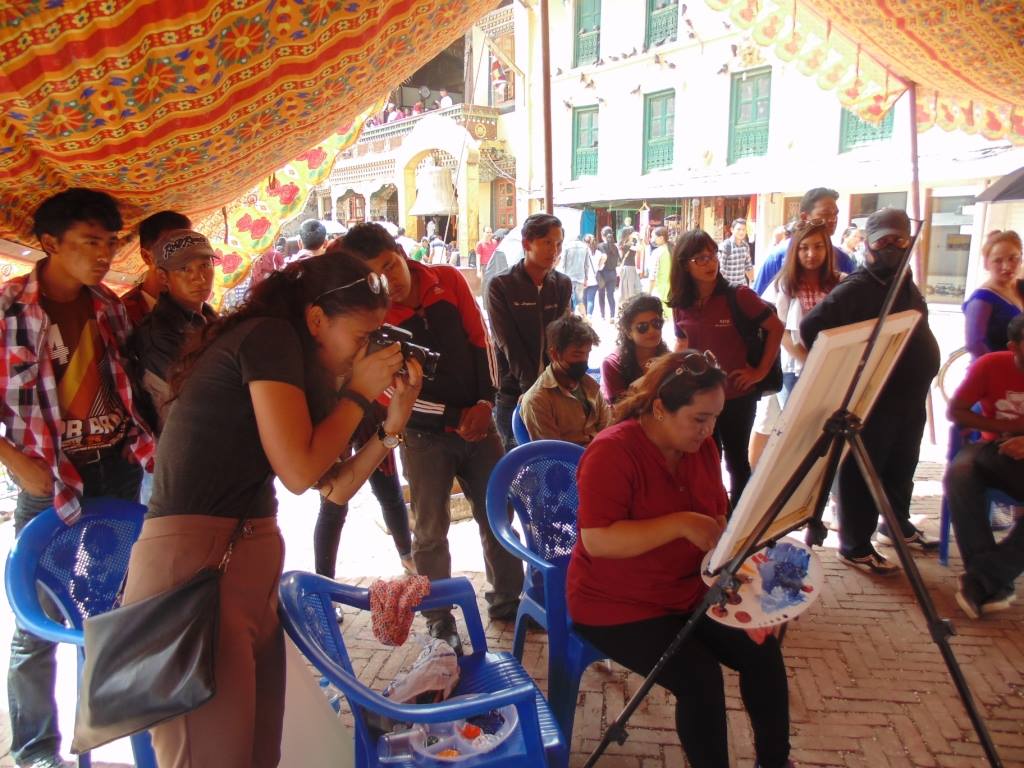
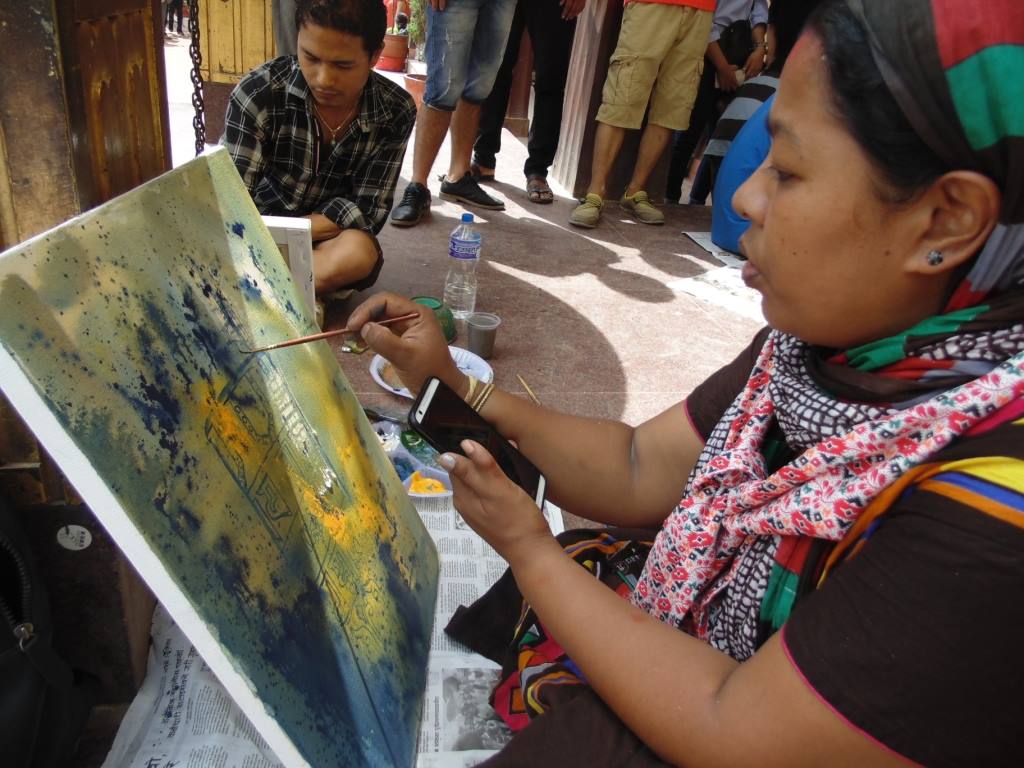
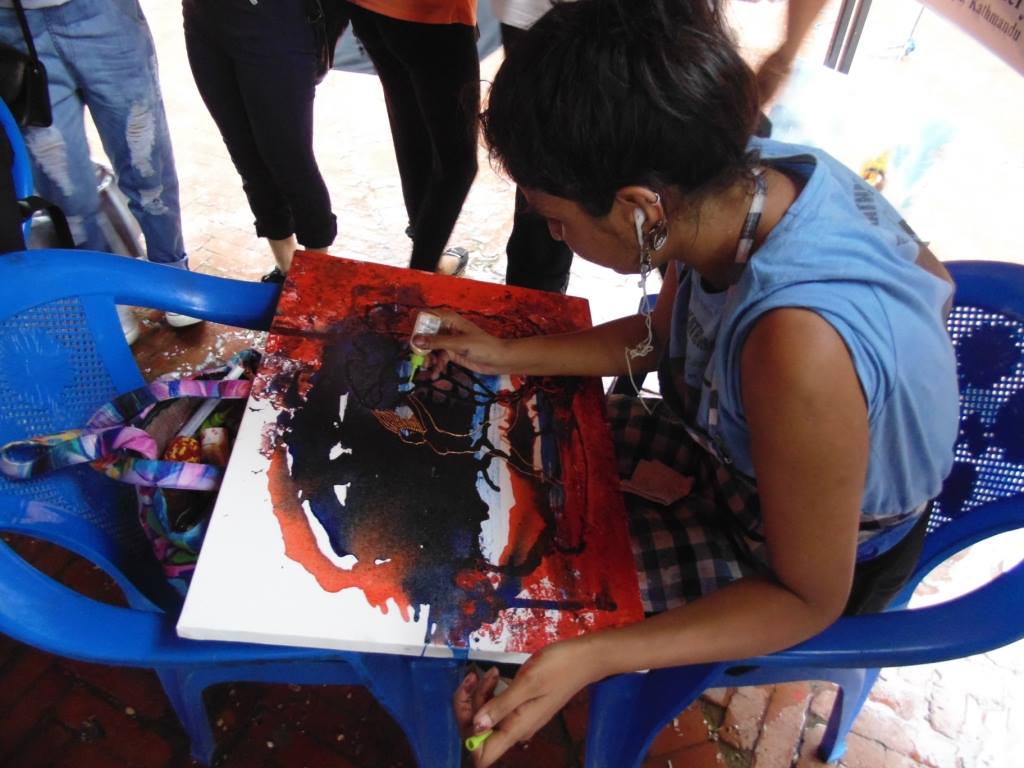
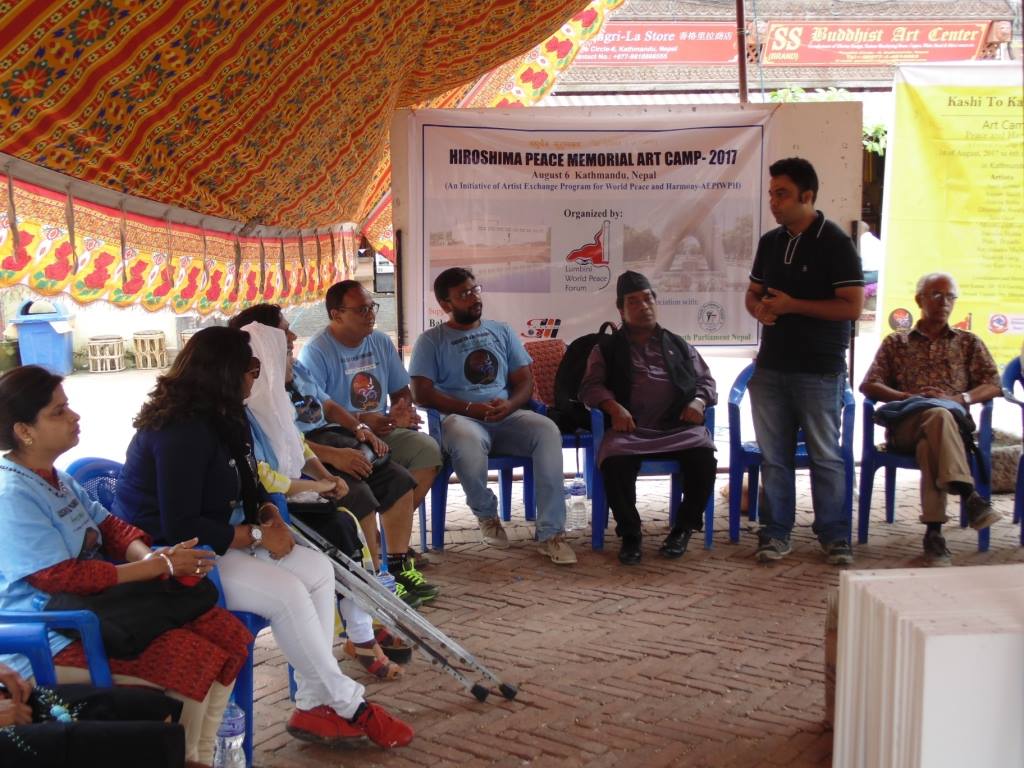
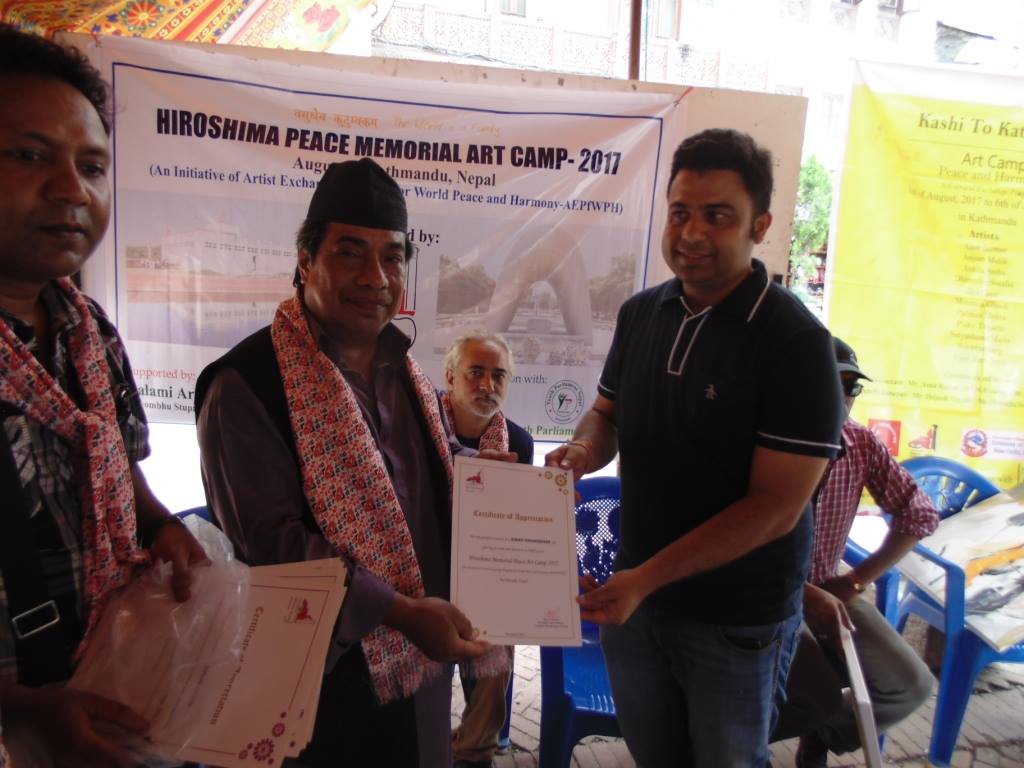
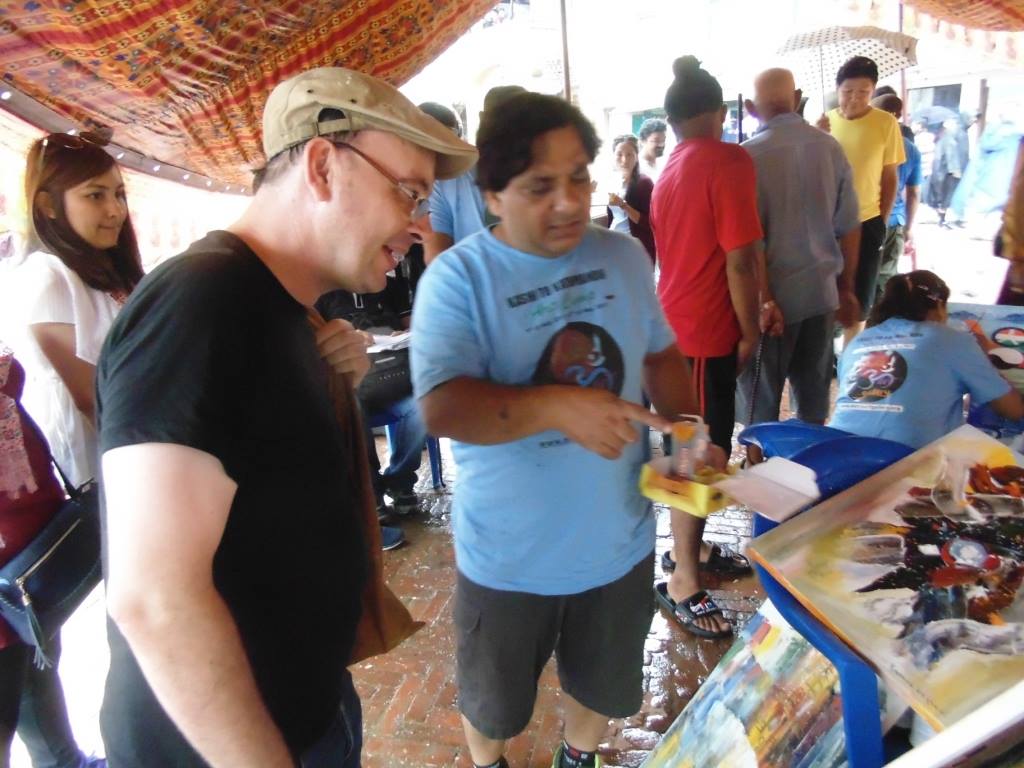
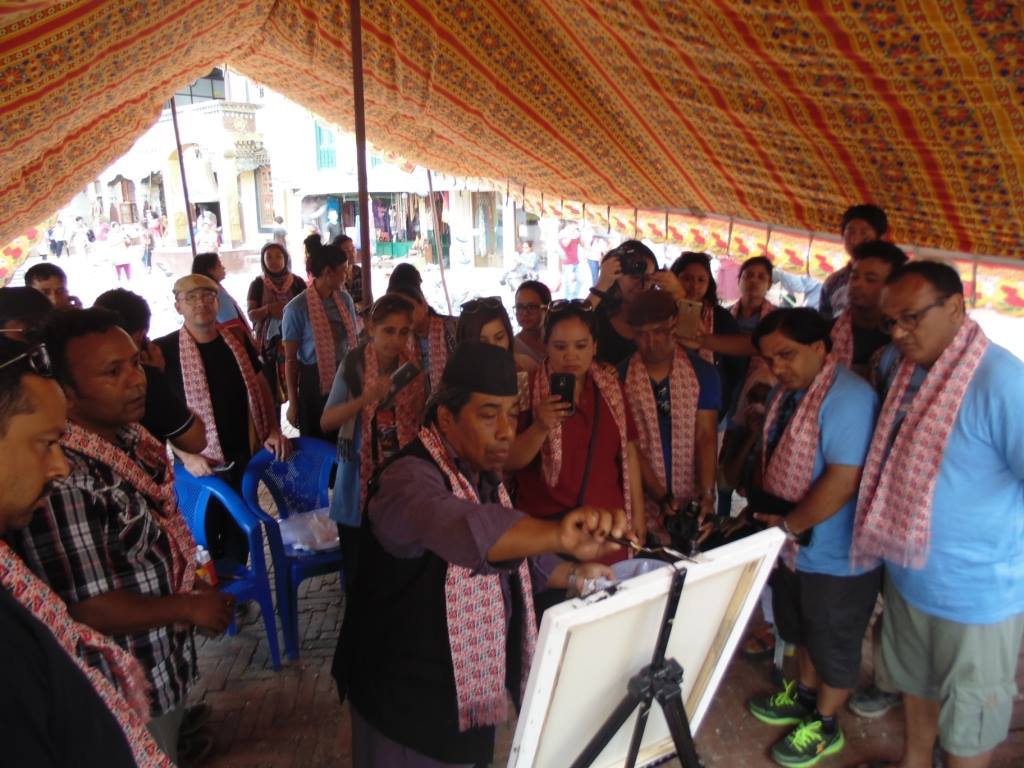
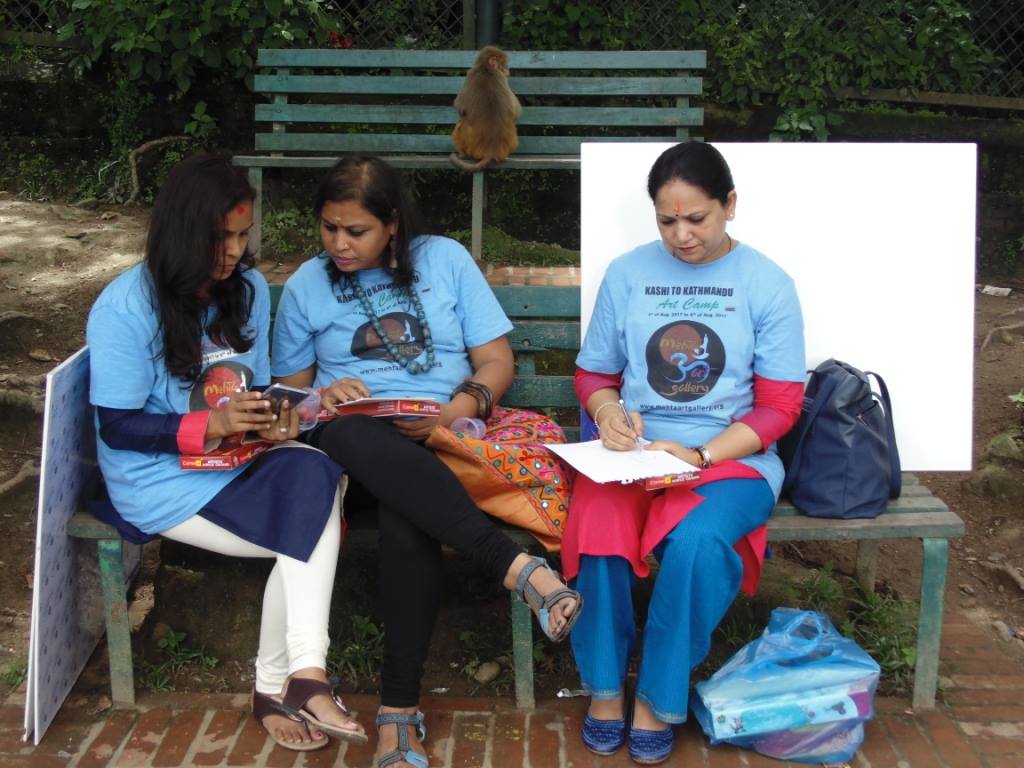
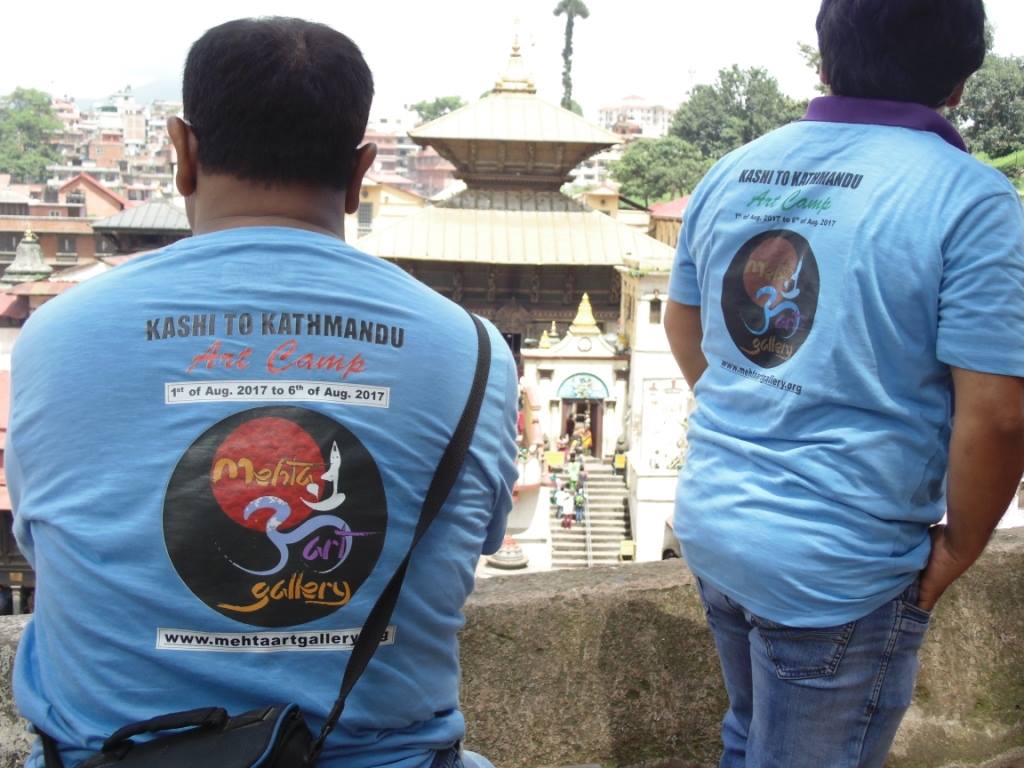
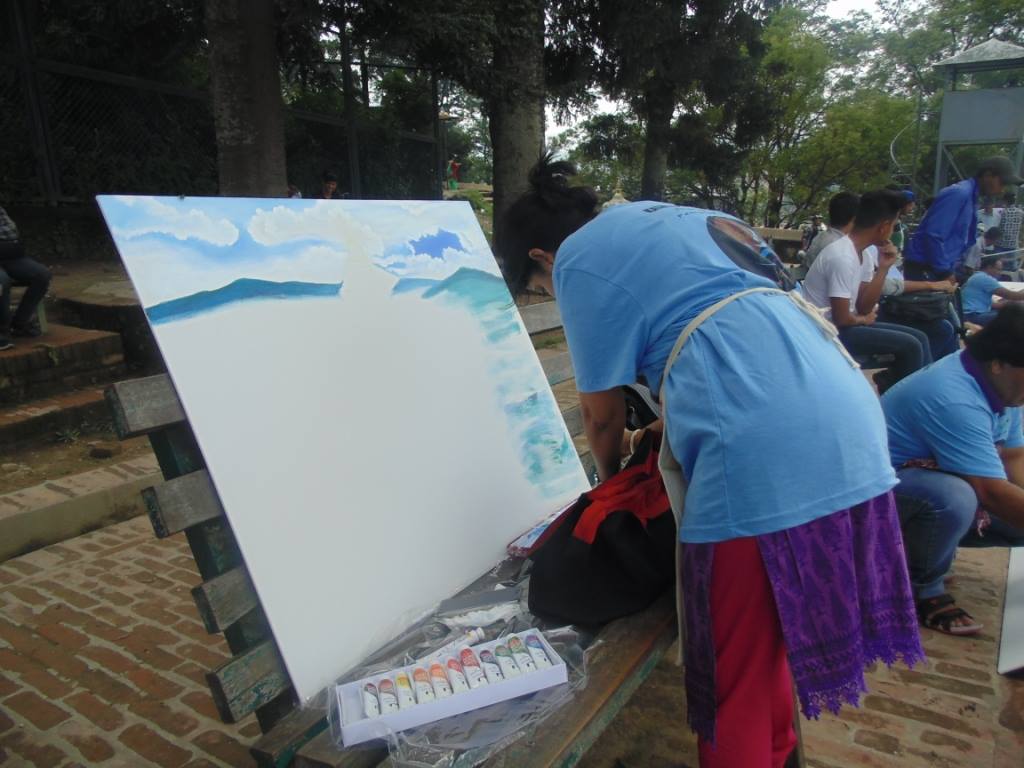
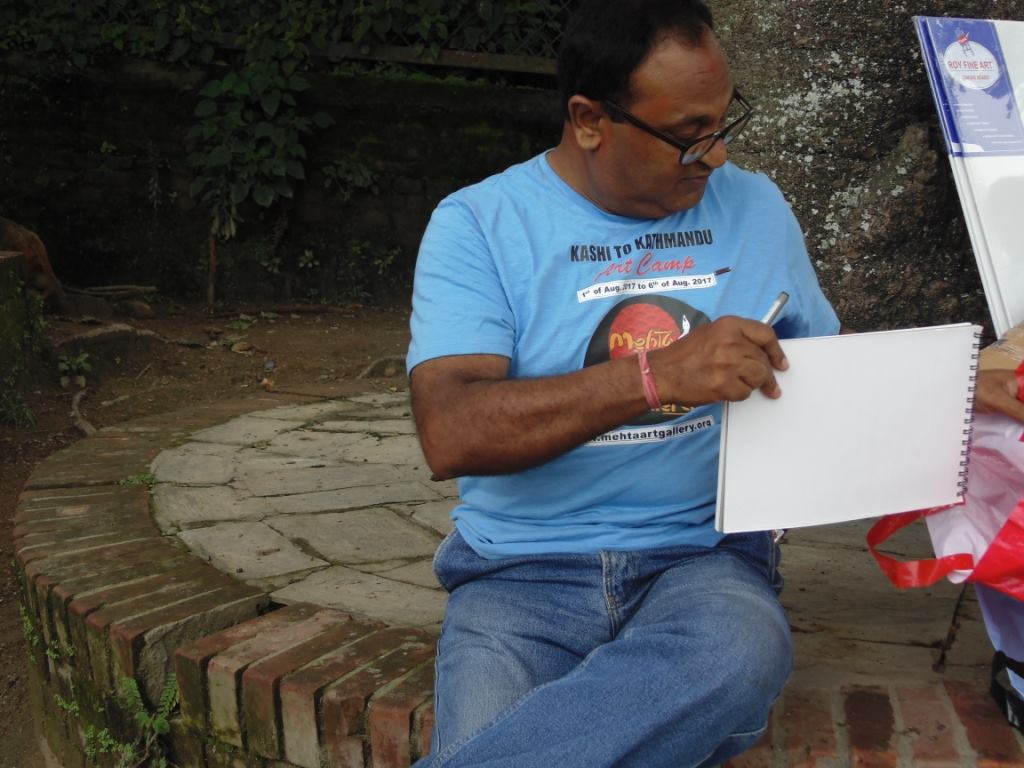
In August 2017, Mehta Art Gallery had the honor of hosting a historic art camp in Kathmandu, Nepal, under the banner “Kashi to Kathmandu: A Cultural Exchange Program”. This initiative brought together artists from India and Nepal in a celebration of creativity, cultural dialogue, and spiritual togetherness. Organized in coordination with Lumbini World Peace Forum, the Embassy of Nepal in India, and several local organizations and galleries, the event became a living testimony of the deep-rooted cultural and spiritual connections that bind the two neighboring countries.

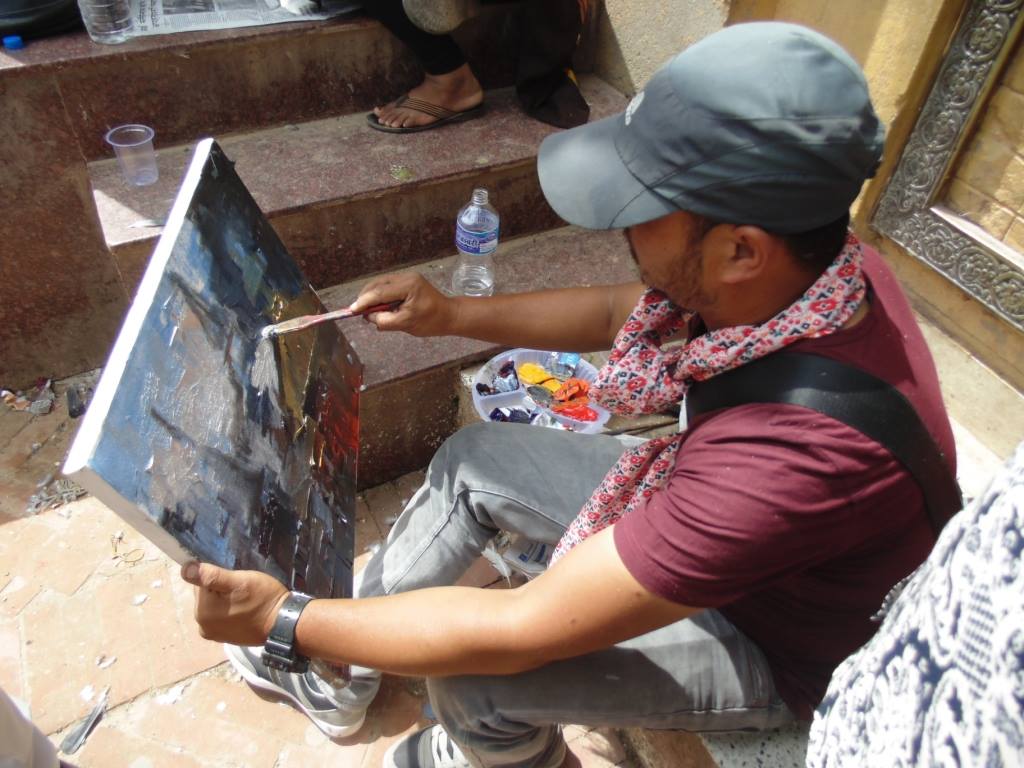
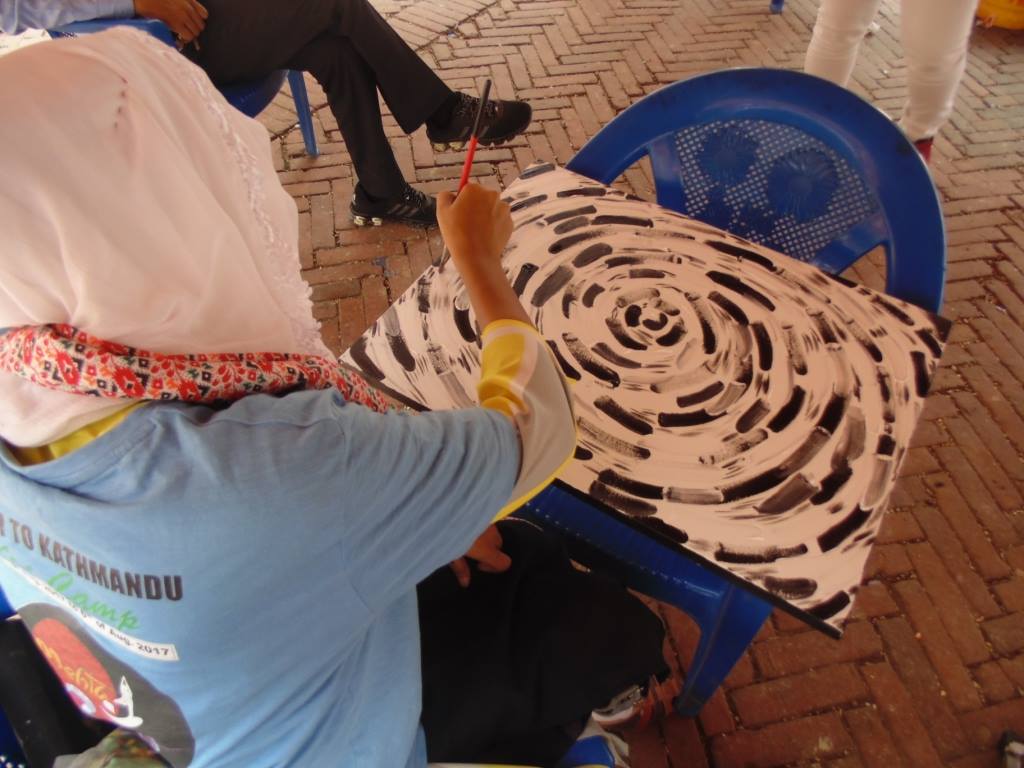
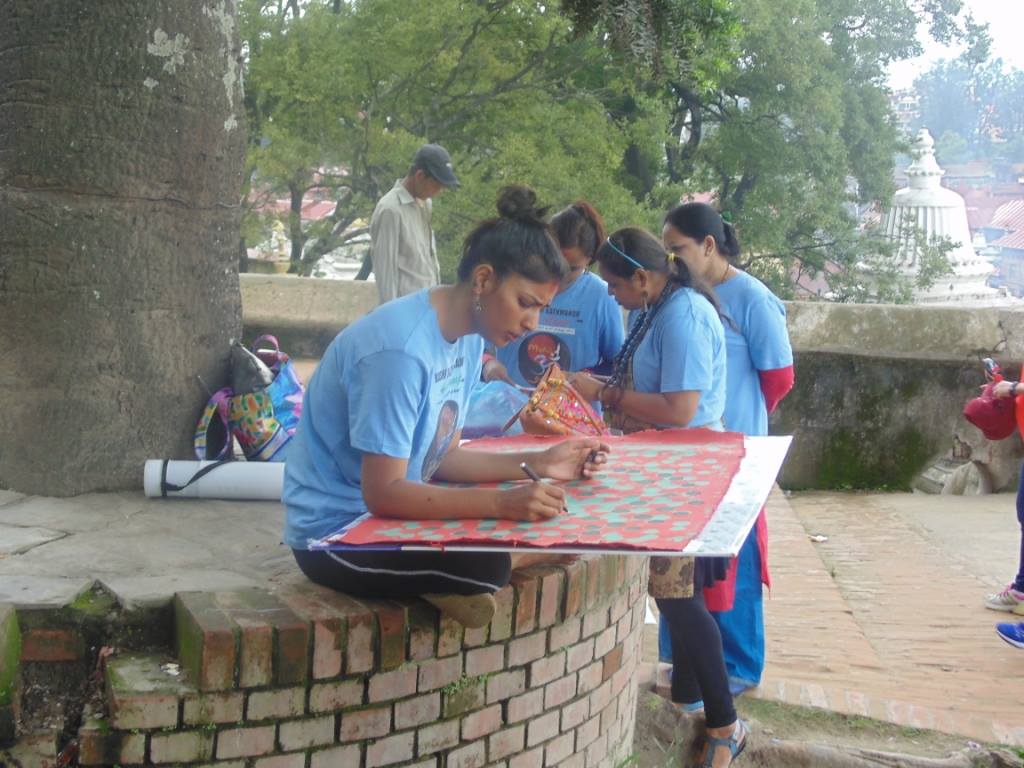
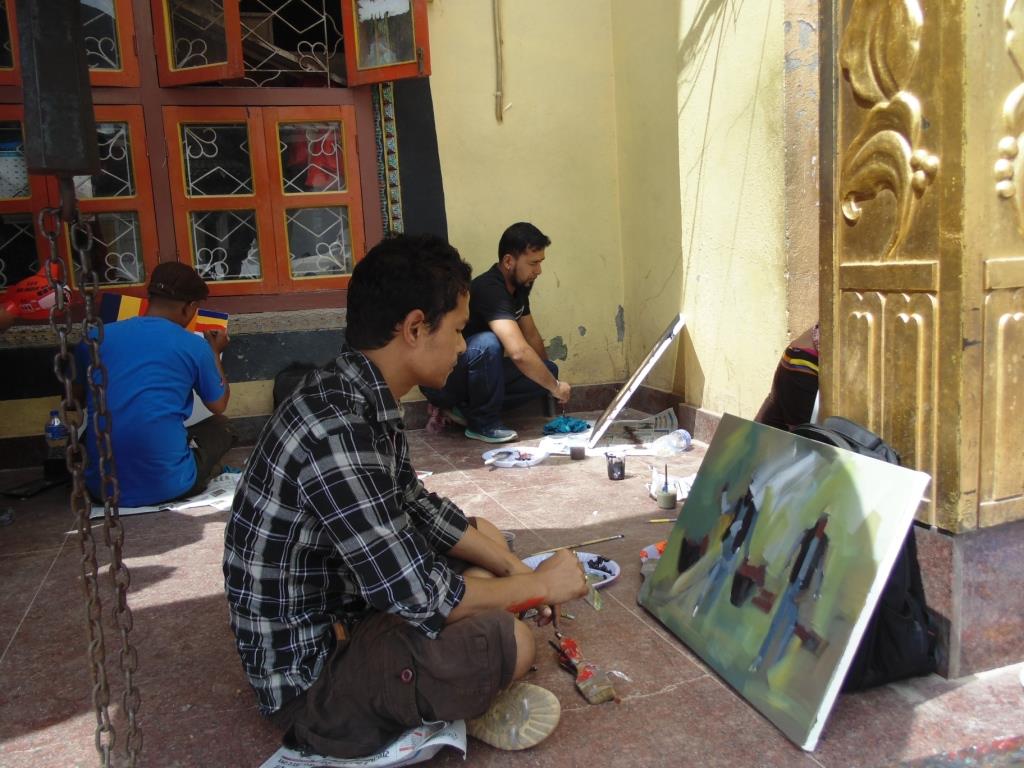
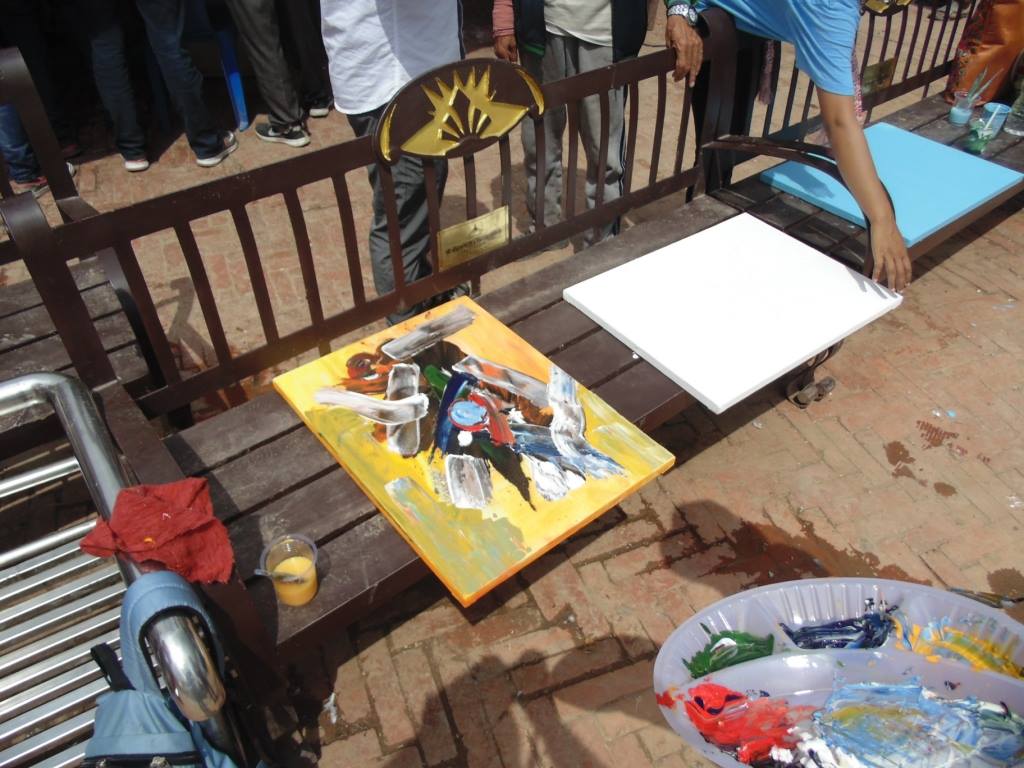
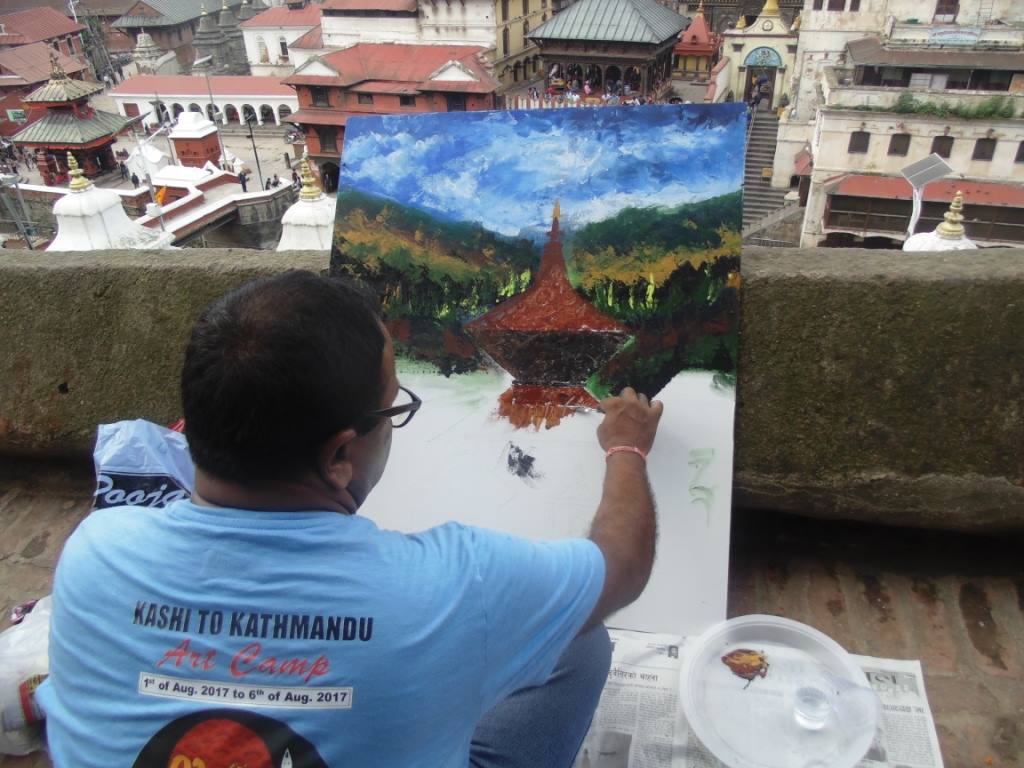
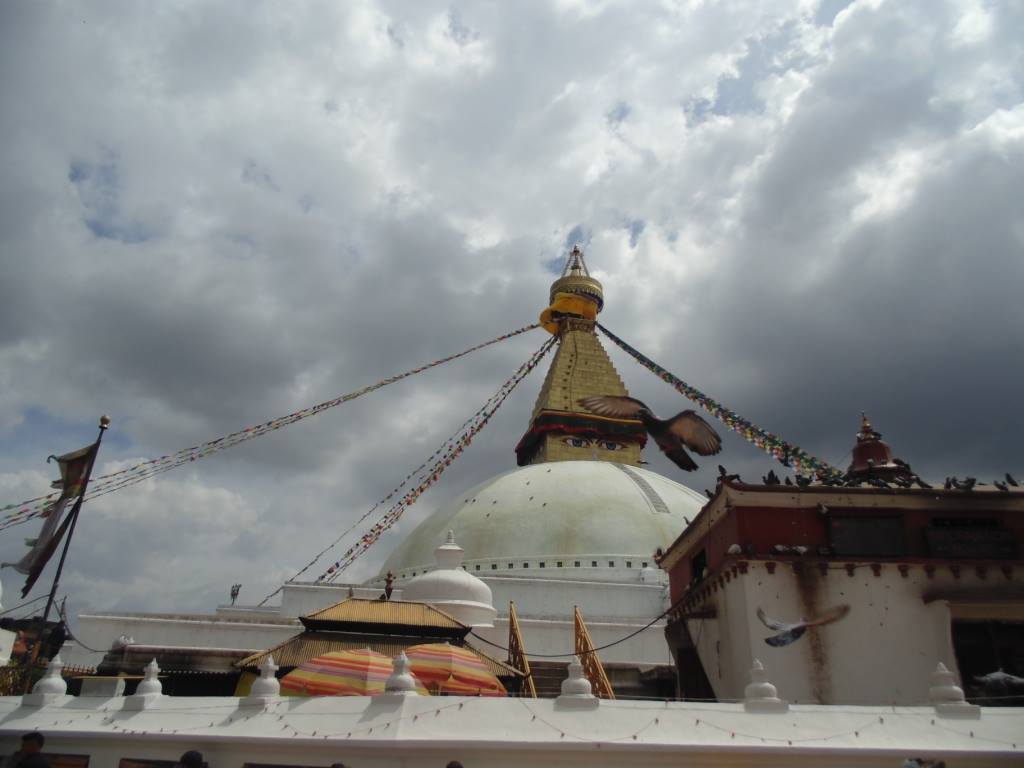
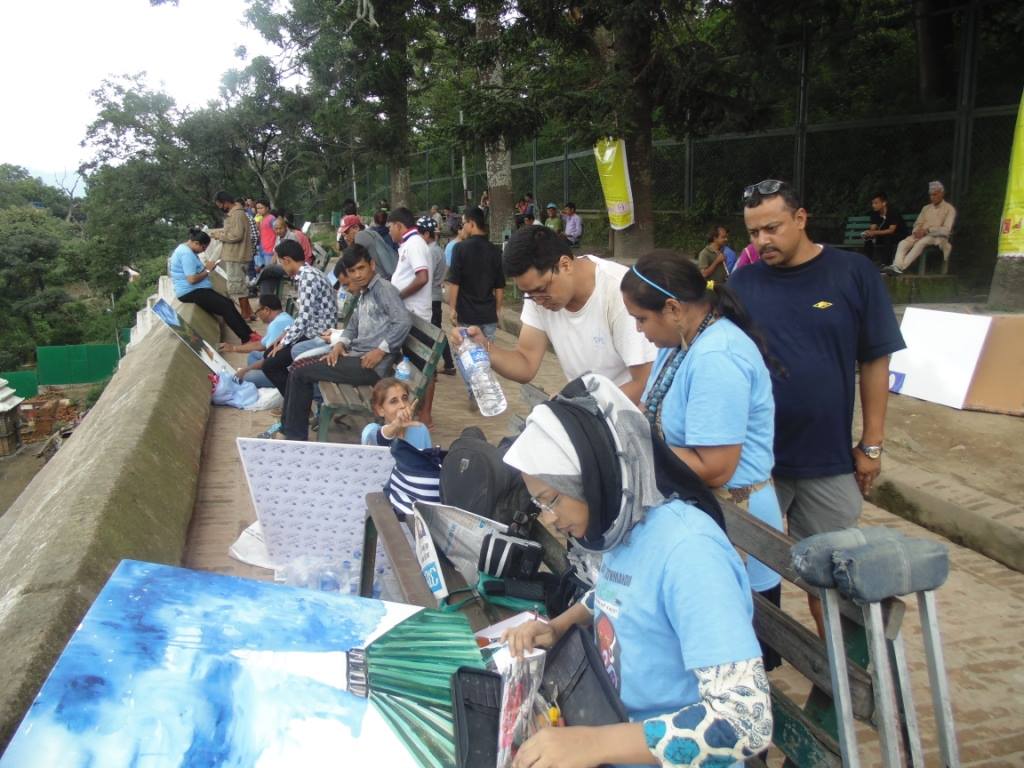
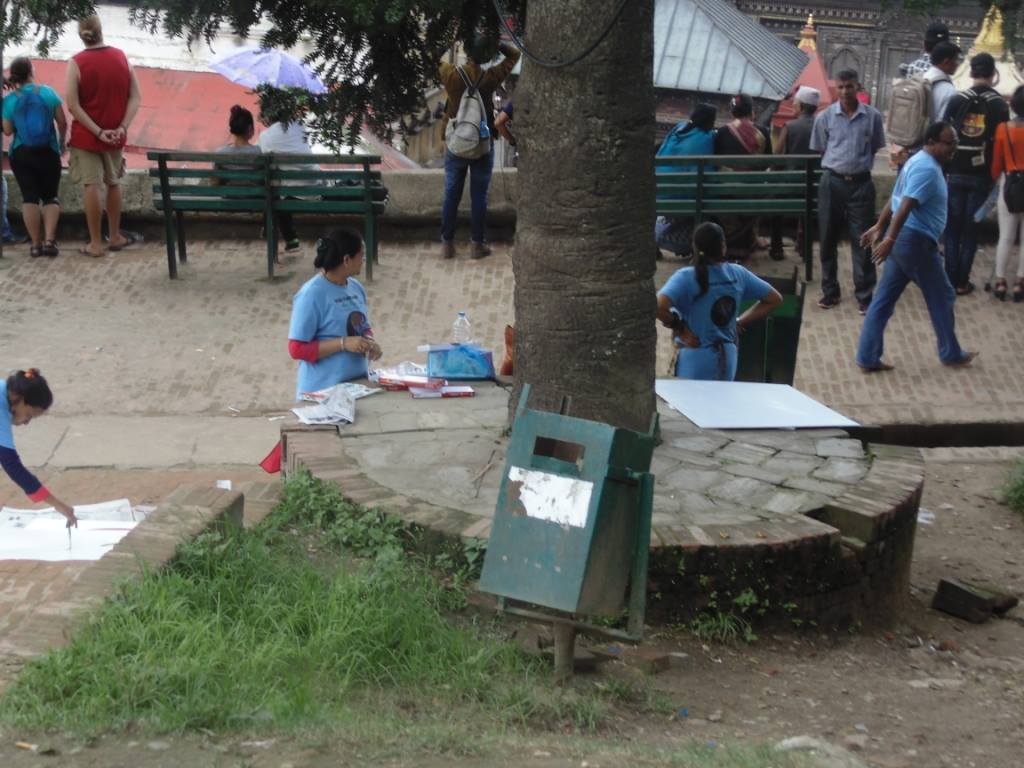
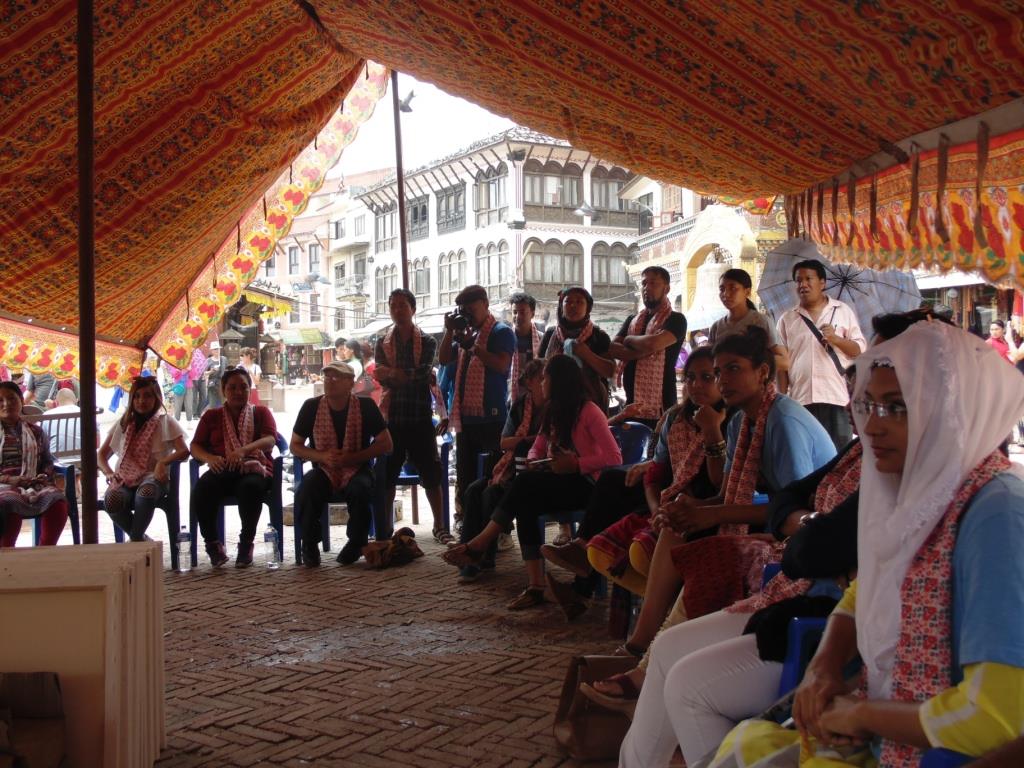
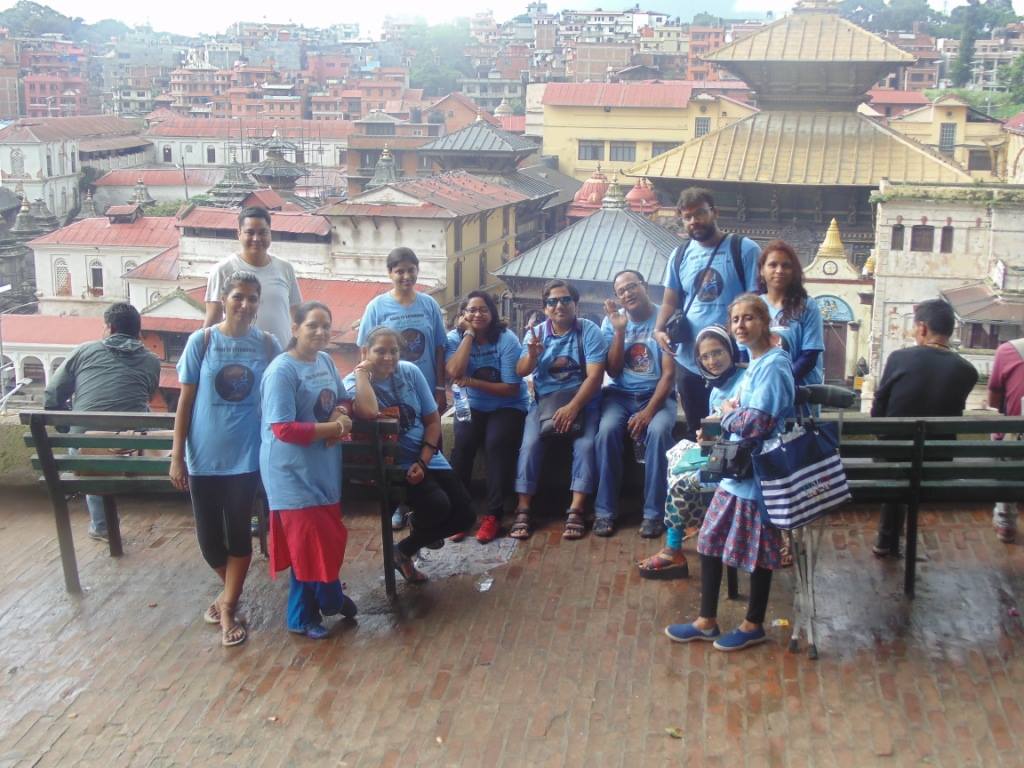
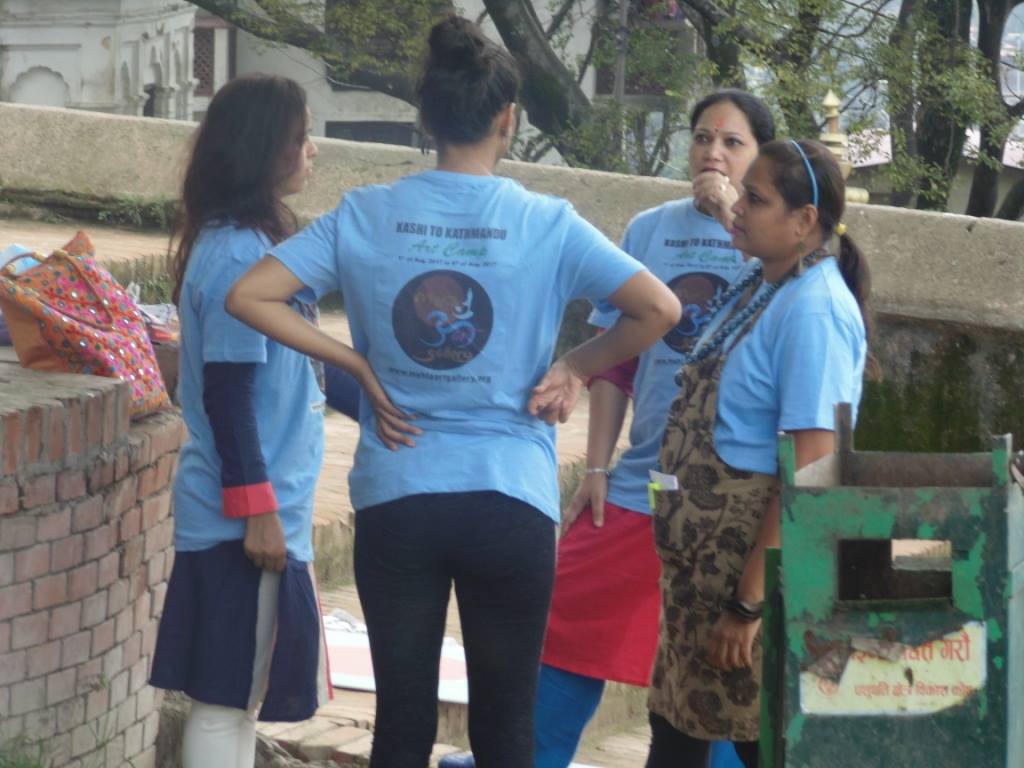
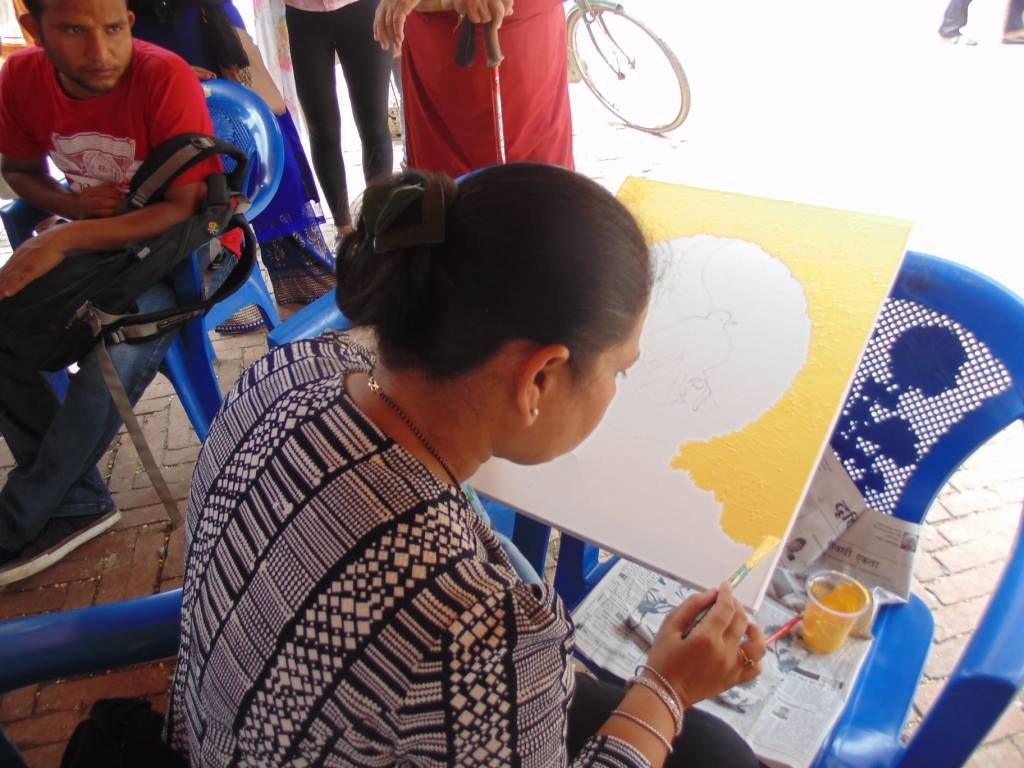
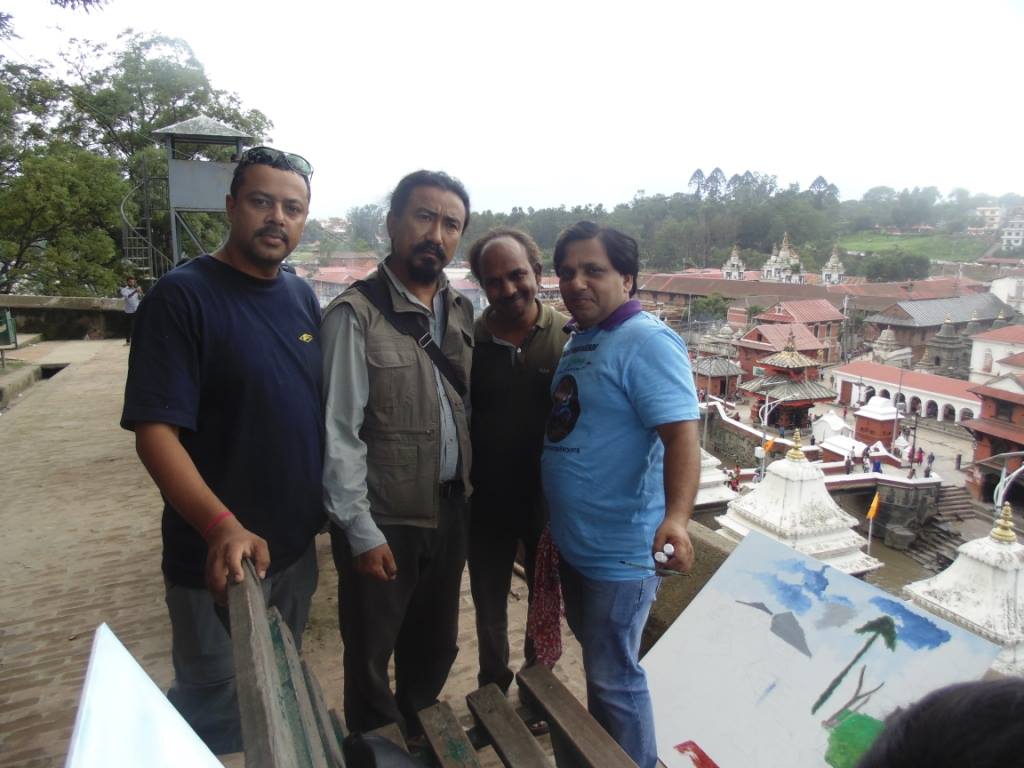
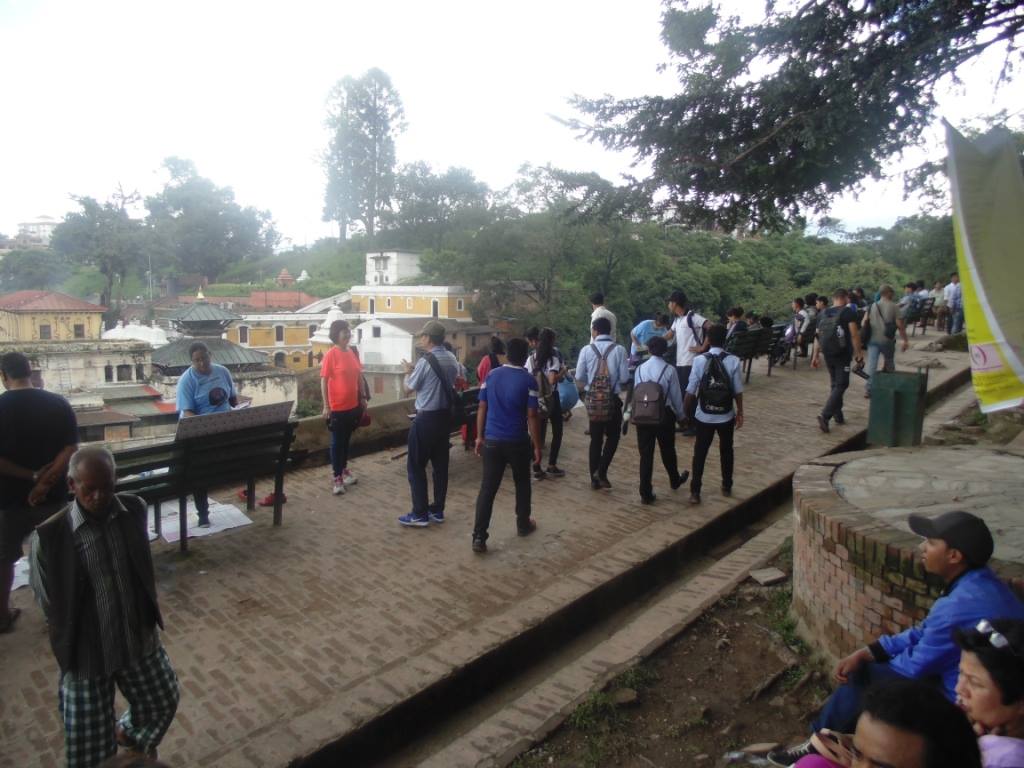
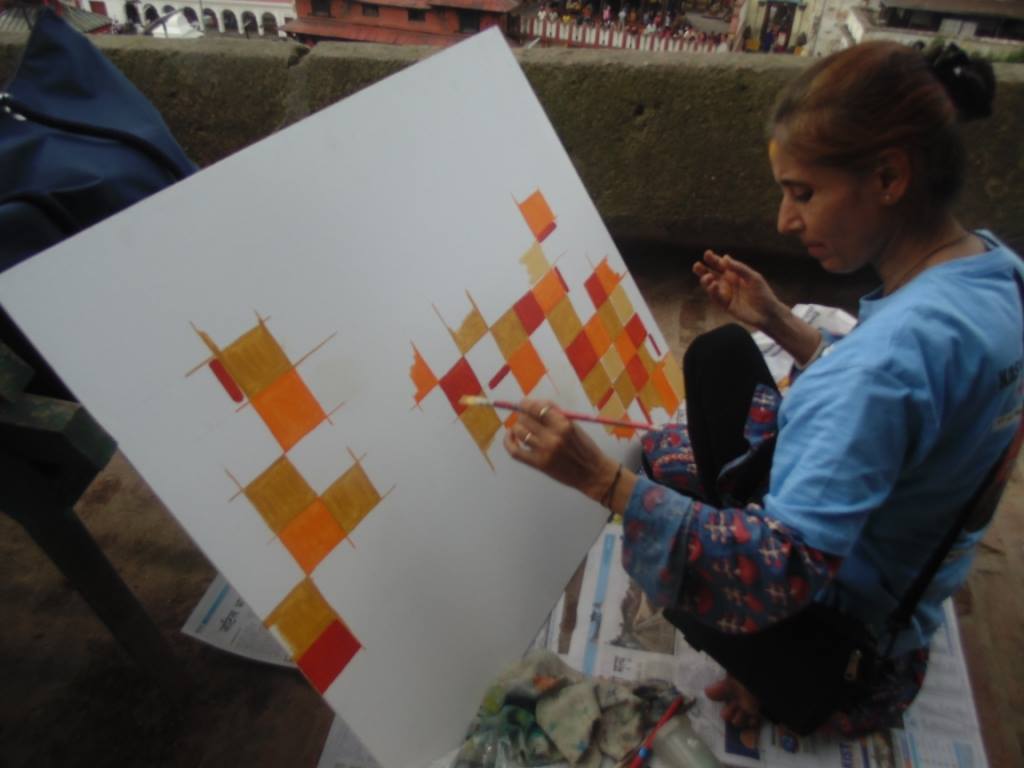
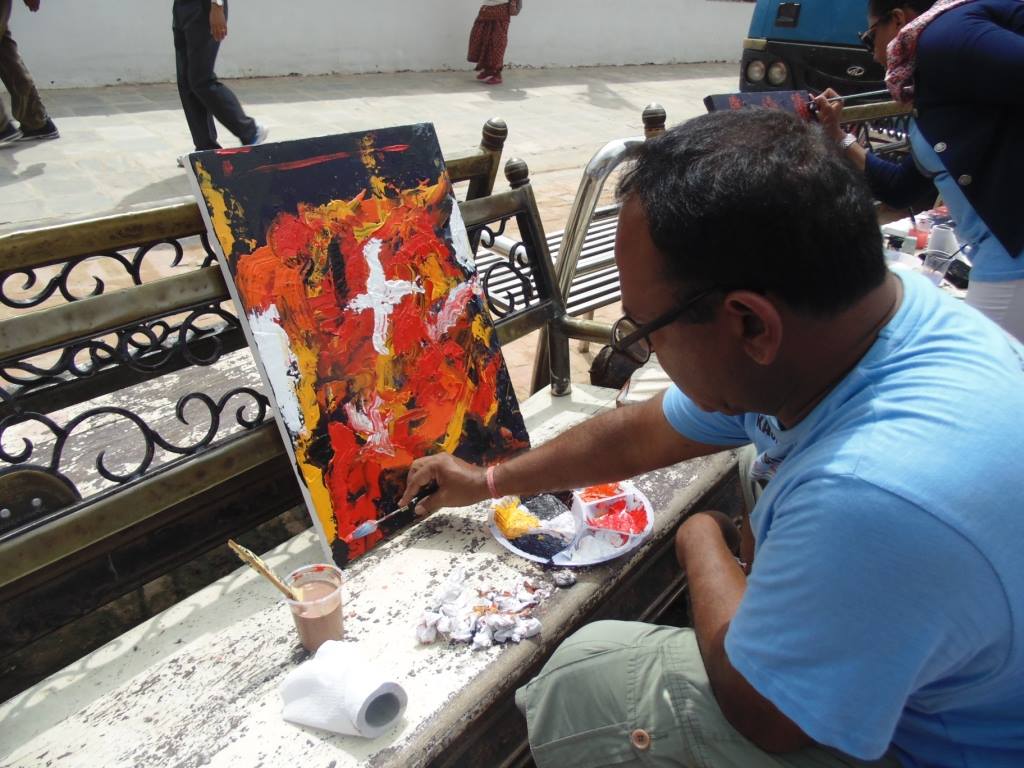
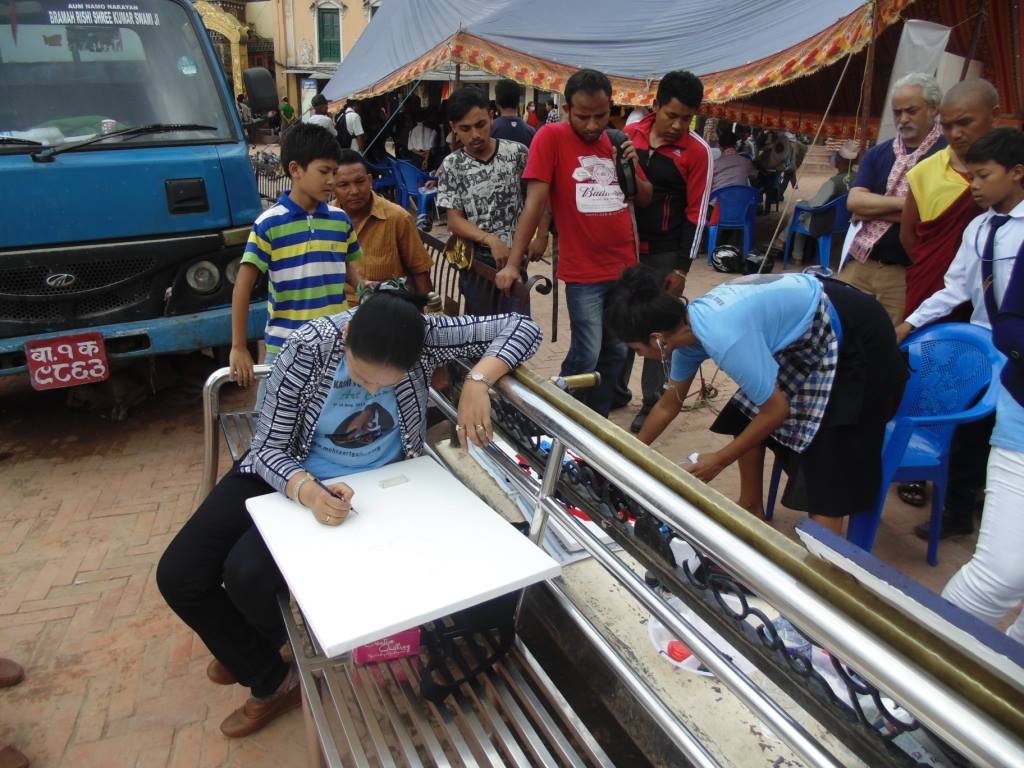
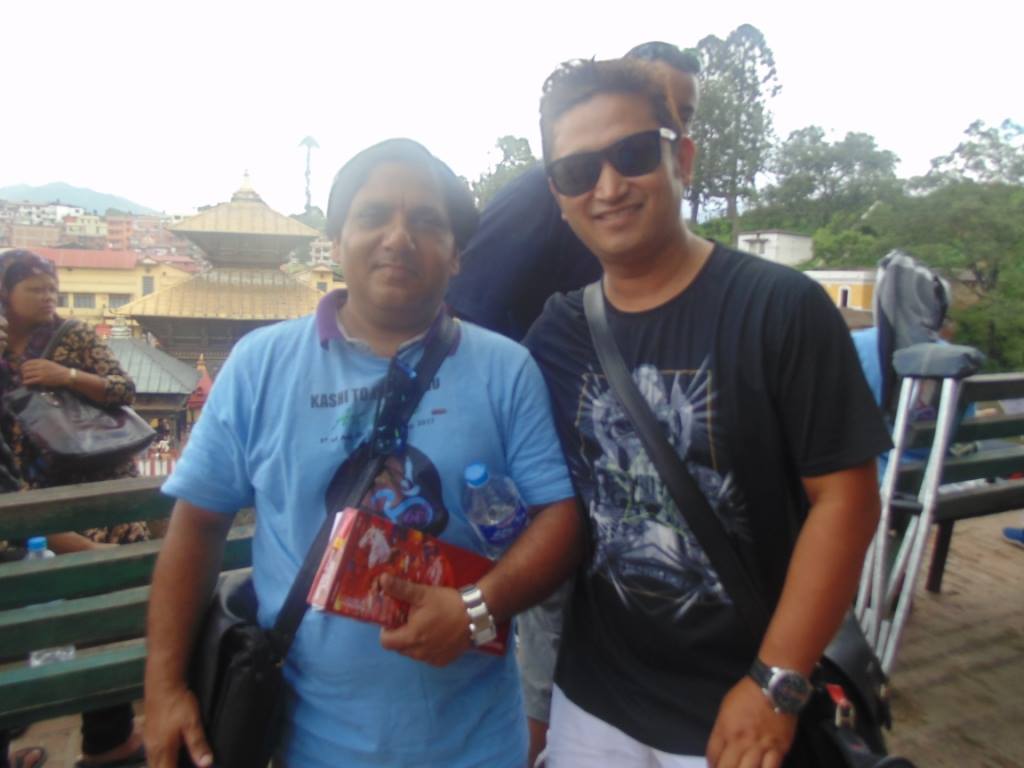
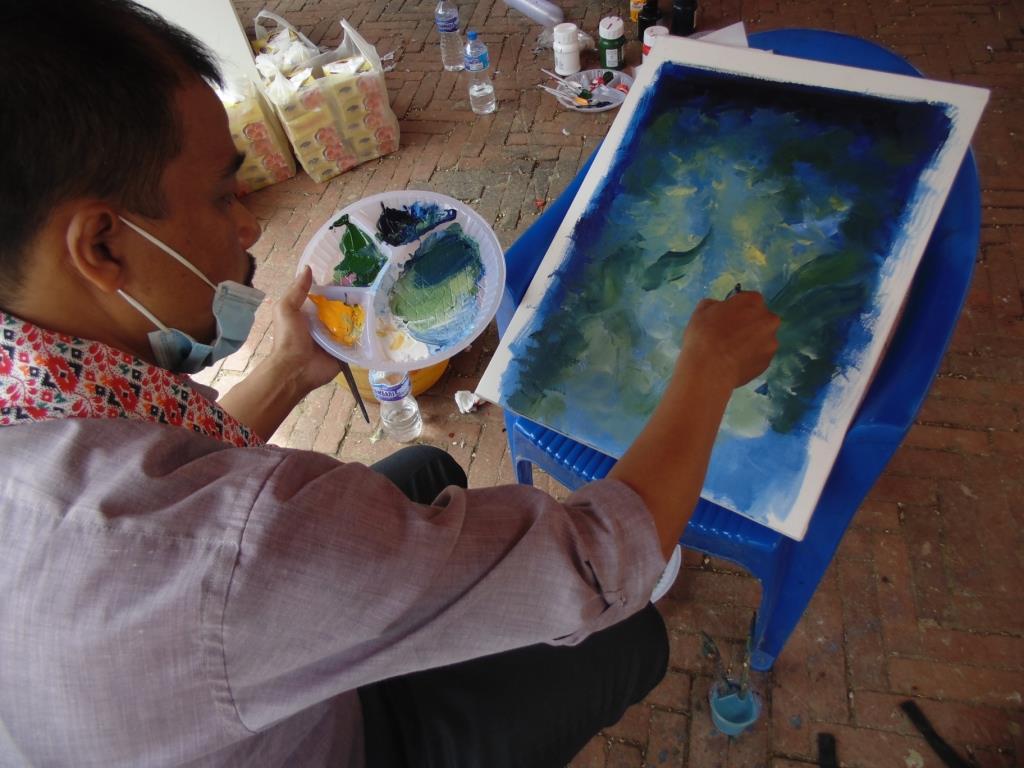
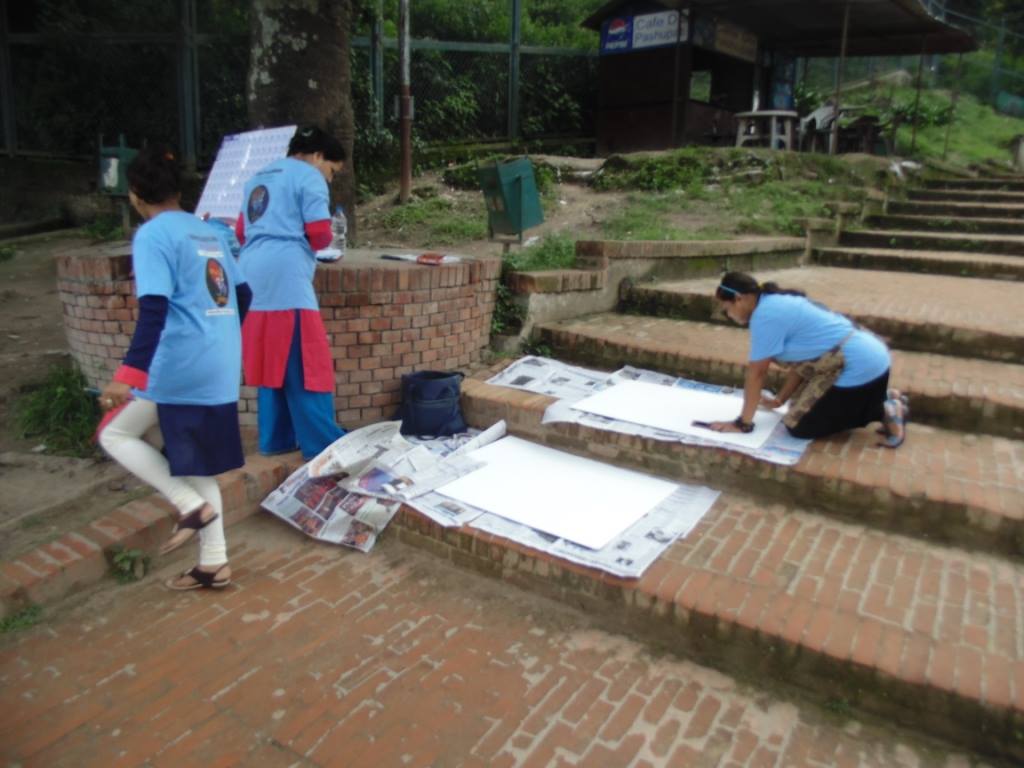
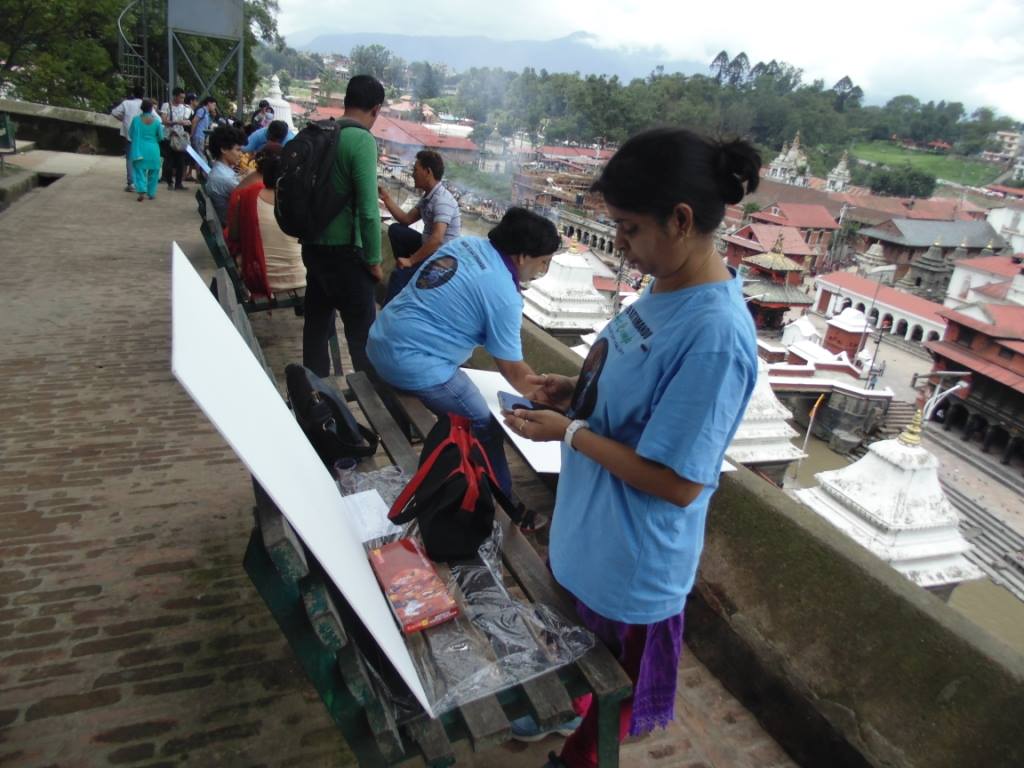
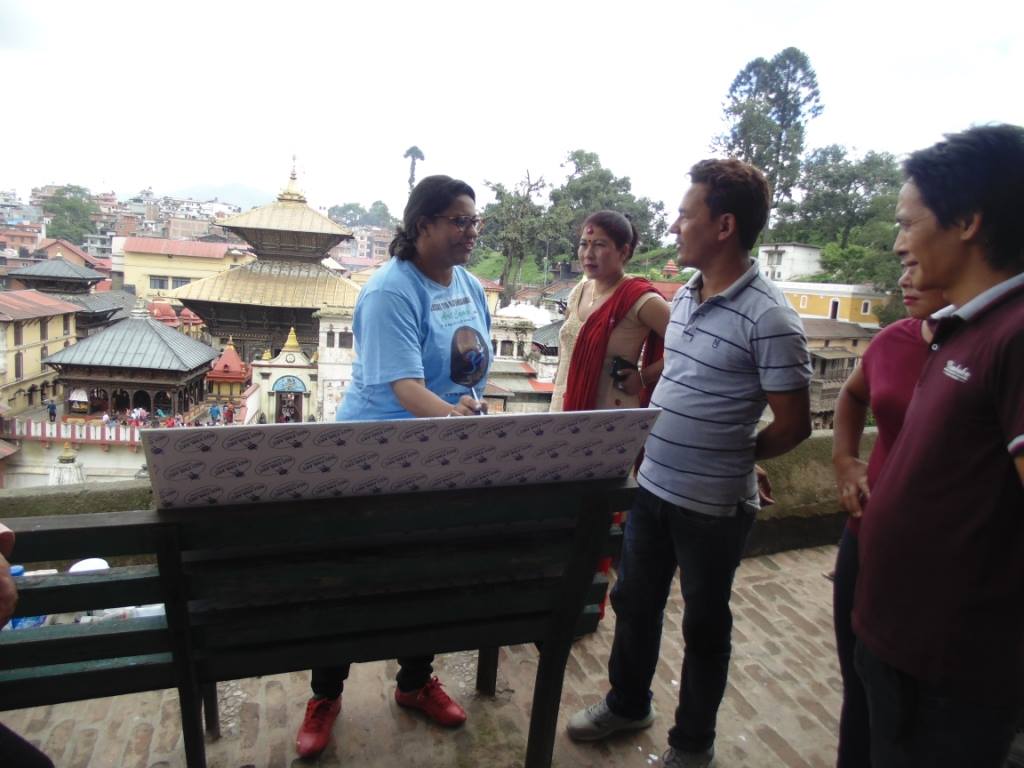
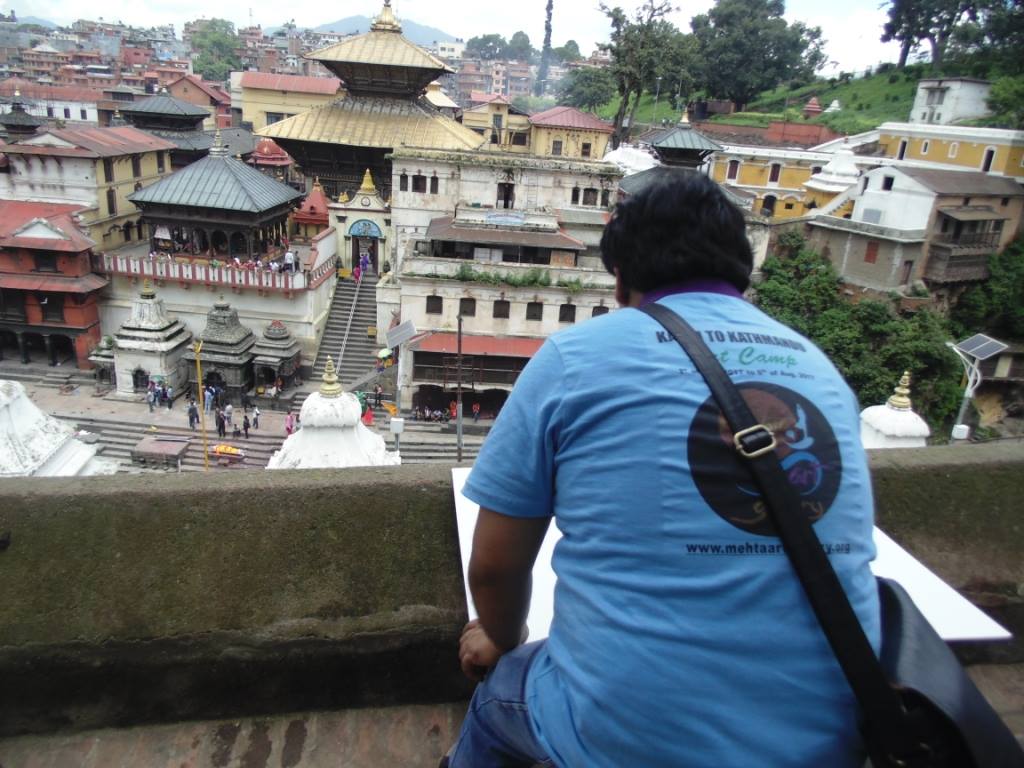
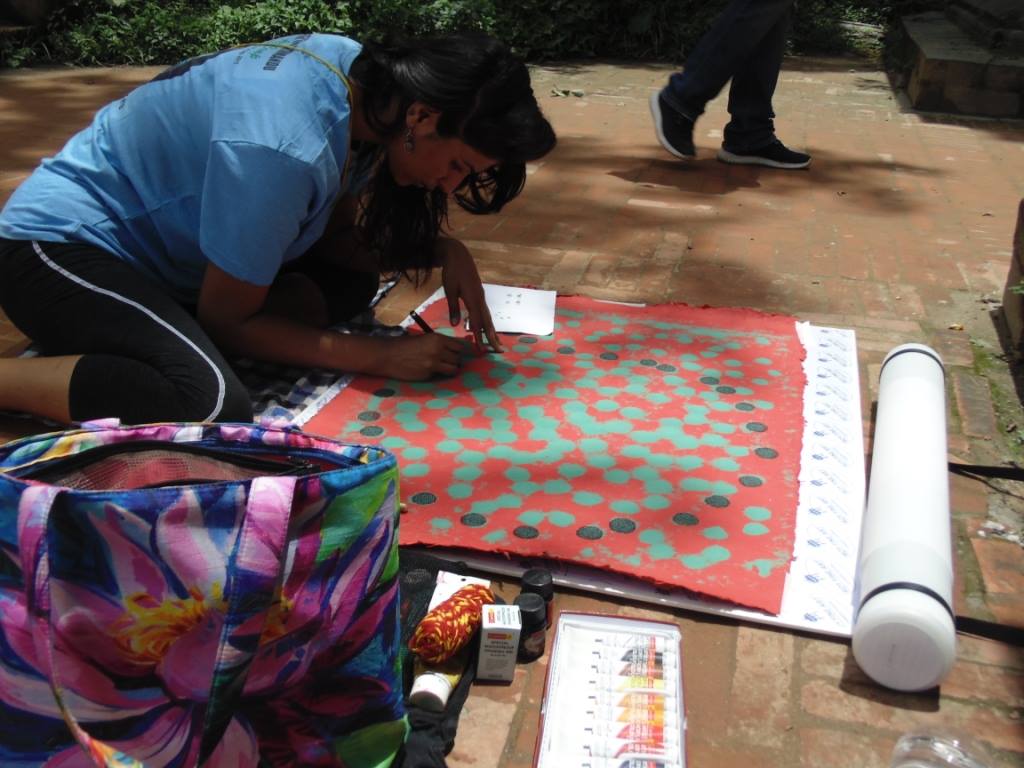
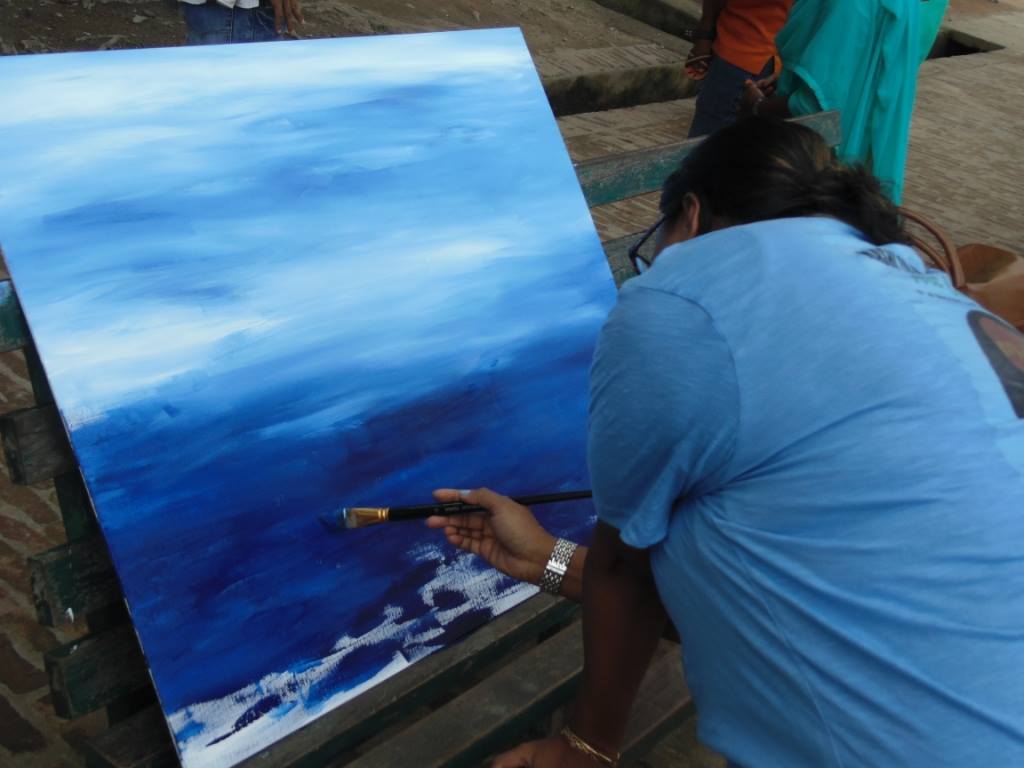
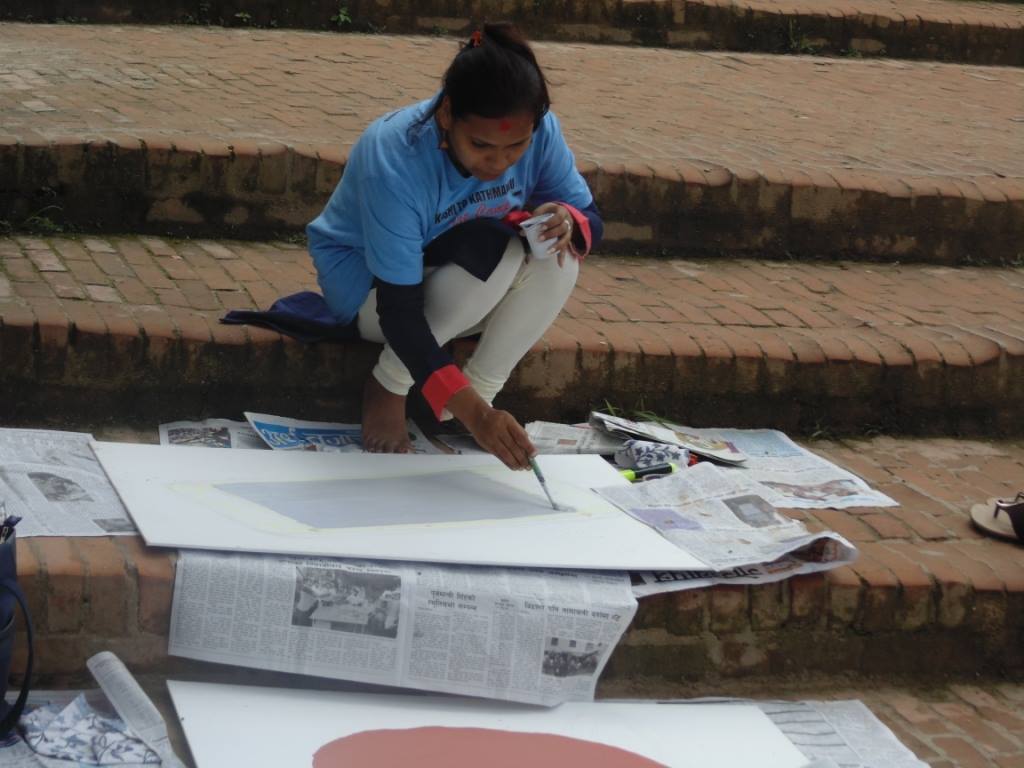
The camp unfolded across some of Kathmandu’s most iconic and sacred spaces — Boudhanath Stupa, Pashupatinath Temple, renowned schools, local galleries, and community centers — turning each location into a vibrant canvas of art, culture, and human bonding. What began as a simple exchange of artistic practices grew into a larger movement of friendship and mutual respect, resonating with the timeless bonds of Kashi and Kathmandu, two ancient cities connected by faith, history, and shared heritage.


The Spirit of Cultural Exchange

The primary aim of the camp was not only to exhibit art but also to experience it together. In every brushstroke and every dialogue, the event symbolized the unity of spirit between India and Nepal. Artists came with their own unique styles and backgrounds, yet in the camp, those differences blended seamlessly to create new expressions that transcended borders.

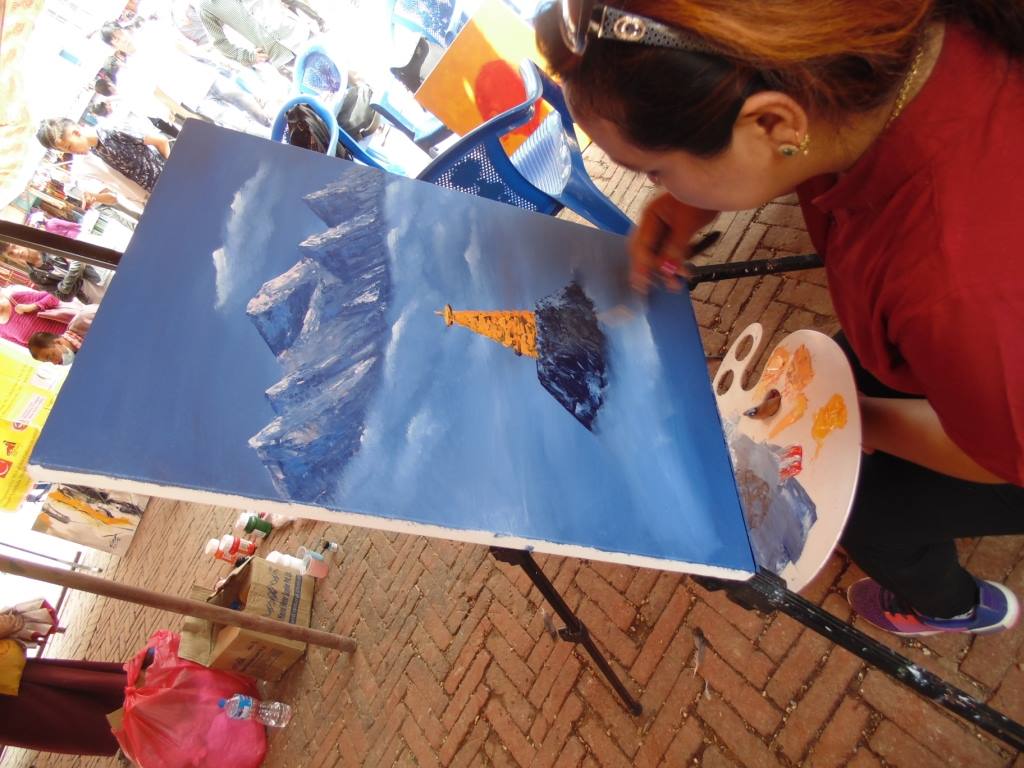
Art became a language, one without the limitations of dialects or scripts. It was a language of colors, textures, rhythms, and emotions that every participant and every observer could understand. Whether it was an Indian artist interpreting the serenity of the Himalayas or a Nepali artist capturing the sacred aura of the Ganga in Banaras, the works reflected a mutual admiration of each other’s culture.

The camp emphasized that art is not merely about personal expression. It is also about listening, observing, and embracing. Each participant brought their identity, but through the exchange, they discovered a shared soul, the same quest for peace, harmony, and creativity.


Venues as Living Canvases

One of the defining features of the camp was its choice of venues. Each site was more than a backdrop; it was an active participant in the experience.

Boudhanath Stupa

As one of the largest and most sacred Buddhist stupas in the world, Boudhanath provided an atmosphere of spiritual silence. Here, artists painted with prayer flags fluttering above, while the rhythmic chants of monks filled the air. For many, it was more than an art session; it was meditation with brush and canvas.

Pashupatinath Temple

At this revered Hindu site, artists absorbed the energy of devotion and tradition. Their works reflected the sacredness of rituals, the faith of the pilgrims, and the eternal flow of life and death that Pashupatinath embodies. It became a bridge for Indian artists, many of whom felt a deep connection with the temple’s similarities to Kashi’s own ghats and shrines.

Local Galleries and Schools

By involving schools and local art galleries, the camp ensured that the exchange was not limited to professional artists. Young students interacted with established creators, learning not just techniques but also the philosophy of art. Local galleries provided a platform for exhibitions, allowing the community to witness the collective creations born from this unique collaboration.

Community Spaces

Art workshops were held in neighborhoods, inviting residents to participate. This approach broke the barrier between artist and audience. It gave ordinary people a chance to not only watch but also engage with the creative process, strengthening the bond between culture and community.


Unity in Diversity: Artists’ Experiences

The camp welcomed a diverse group of artists, painters, sculptors, muralists, and cultural thinkers. Each participant carried the cultural essence of their homeland, but in Kathmandu, they found reflections of themselves in the works and thoughts of others.

Indian artists discovered Nepal’s unique interpretations of shared myths, while Nepali artists found inspiration in the Indian perspectives on spirituality and tradition. Conversations often extended late into the evening, filled with stories of shared festivals, similar rituals, and common struggles of being an artist in society.

For many participants, this was more than an art residency. It was a personal journey into discovering one’s own identity through the mirror of another culture. Artists spoke of how the camp deepened their respect not only for their neighboring country but also for their own roots.


Art as a Bridge Between Nations

Diplomatic dialogues often take place in official halls, but this camp showed that art can be an equally powerful form of diplomacy. The Embassy of Nepal in India and the Lumbini World Peace Forum’s involvement highlighted the importance of cultural initiatives in strengthening bilateral ties.

India and Nepal share open borders, interlinked histories, and intertwined traditions. Yet, beyond politics and treaties, it is the everyday cultural exchanges that sustain the relationship. Events like Kashi to Kathmandu demonstrate how artists, through their creativity, can act as cultural ambassadors, building bridges of understanding and trust.

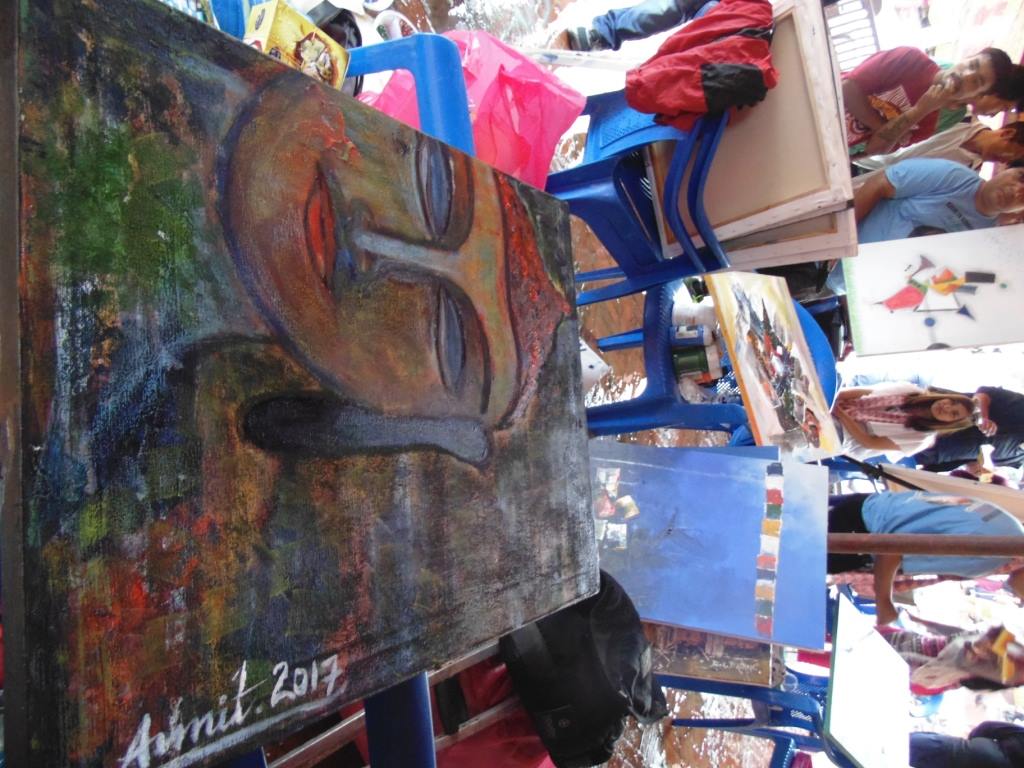
The artworks created during the camp embodied themes of peace, friendship, shared spirituality, and togetherness. They reminded everyone present that while nations may have boundaries, human emotions and cultural values flow beyond them.


Community Engagement and Impact

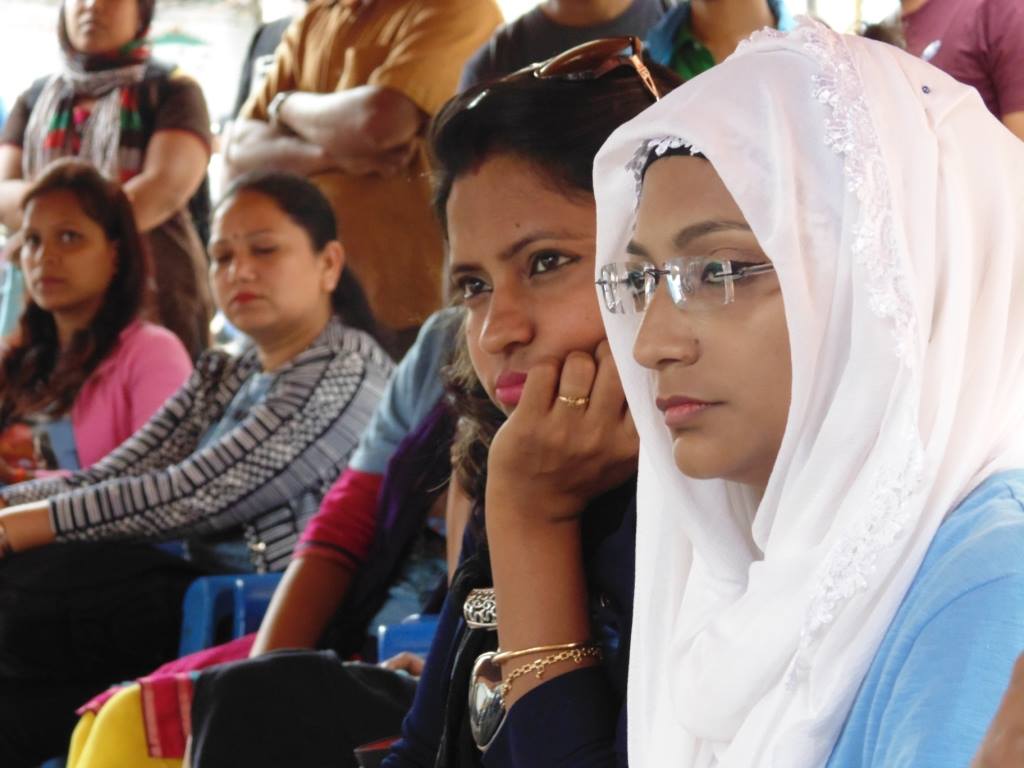
The success of the camp was not confined to the artists alone. Local communities embraced the program wholeheartedly. Residents of Kathmandu opened their hearts and homes, making the Indian participants feel like family. From local schools where children painted alongside visiting artists, to gallery audiences who engaged in discussions, the event became a shared festival of creativity.

For young aspiring artists in Nepal, the camp was a rare opportunity to learn directly from seasoned professionals from India. For Indian artists, it was a chance to witness the vibrancy of Nepali art traditions firsthand. The exchange of techniques, materials, and ideas sowed seeds for long-term collaborations.

The artworks produced during the camp were later displayed, leaving behind a visual archive of this cultural dialogue. Each canvas became a reminder of the camp’s spirit, inspiring future initiatives in both countries.


Kashi and Kathmandu: Eternal Connections

The title of the camp, Kashi to Kathmandu, was more than symbolic. Both cities are ancient centers of spirituality, learning, and culture. Kashi (Varanasi) is the eternal city on the banks of the Ganga, while Kathmandu is nestled in the Himalayas with temples and stupas that echo centuries of devotion.

By bringing these two spiritual centers into conversation through art, the camp reinforced the idea that India and Nepal are not just neighbors but cultural siblings. The same faith that resonates in the ghats of Varanasi finds its echoes in the courtyards of Pashupatinath. The chants at Boudhanath harmonize with the hymns sung on the steps of Kashi Vishwanath.

Artists at the camp often remarked how painting in Kathmandu felt like painting at home, even though they were across the border. This sense of familiarity was not coincidental — it was the manifestation of centuries of shared traditions, festivals, and values.


Legacy of the Camp

The 2017 Kashi to Kathmandu art camp was not just a one-time event. Its true legacy lies in the relationships it created, the artworks it produced, and the inspiration it left behind. Many of the participating artists continued collaborations beyond the camp, while Mehta Art Gallery strengthened its role as a facilitator of cultural dialogue.

For Nepal, the event highlighted the vibrancy of its contemporary art scene while honoring its heritage. For India, it was an opportunity to extend its cultural outreach and deepen people-to-people connections. Together, the camp became a milestone in the artistic and cultural journey of both nations.


A Message of Love and Togetherness

At its heart, the camp was a message of love, unity, and peace. In a world often divided by borders and politics, artists from India and Nepal showed that creativity has the power to dissolve boundaries. Their works carried the fragrance of shared values and the warmth of true friendship.

As the brushes moved and canvases filled with colors, the participants painted more than just images. They painted hope, a hope that future generations will continue to honor the bonds between India and Nepal. They painted harmony, a harmony that reminds us that art is not bound by geography but thrives in the human spirit. And they painted togetherness, a togetherness that reflects the eternal ties of Kashi and Kathmandu.


Conclusion

The Kashi to Kathmandu Art Camp 2017 stands as a shining example of how cultural exchange fosters unity, creativity, and peace. It was more than an art event; it was a movement of hearts and minds across borders. Organized with the cooperation of Lumbini World Peace Forum, the Embassy of Nepal in India, and local organizations and galleries, the camp celebrated the timeless bond of India and Nepal through the universal language of art.

The camp’s success reminds us that while nations may be divided by lines on a map, they are united by shared history, traditions, and values. And it is through art, the most human of expressions, that this unity finds its truest form.

Kashi to Kathmandu was not the end, but the beginning of a journey. A journey where every brushstroke is an act of friendship, every canvas a bridge of peace, and every artist a messenger of love and togetherness.


“I Am an Artist” – A Campaign by Mehta Art Gallery

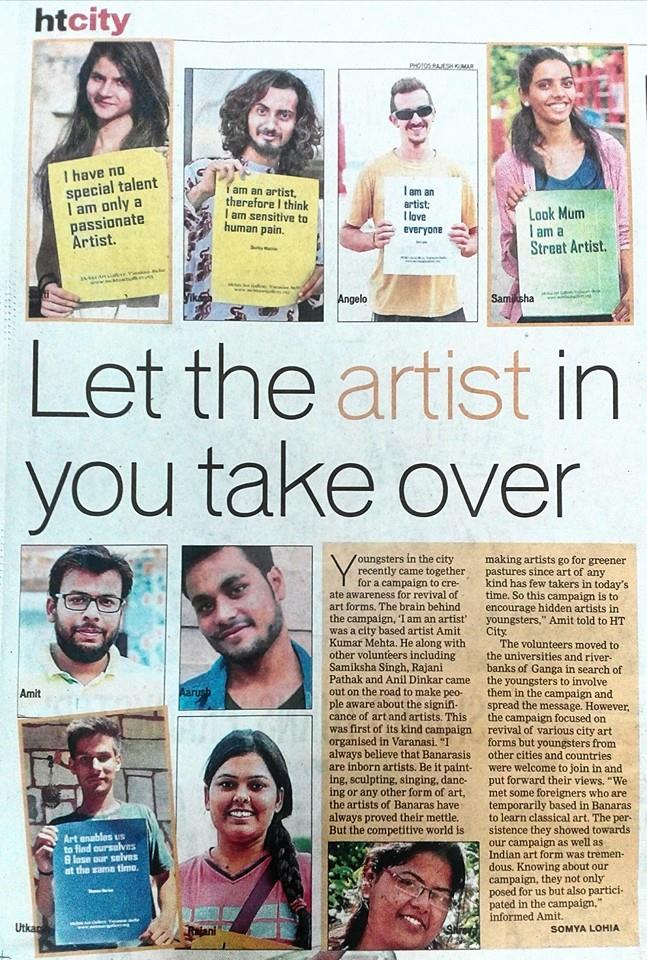
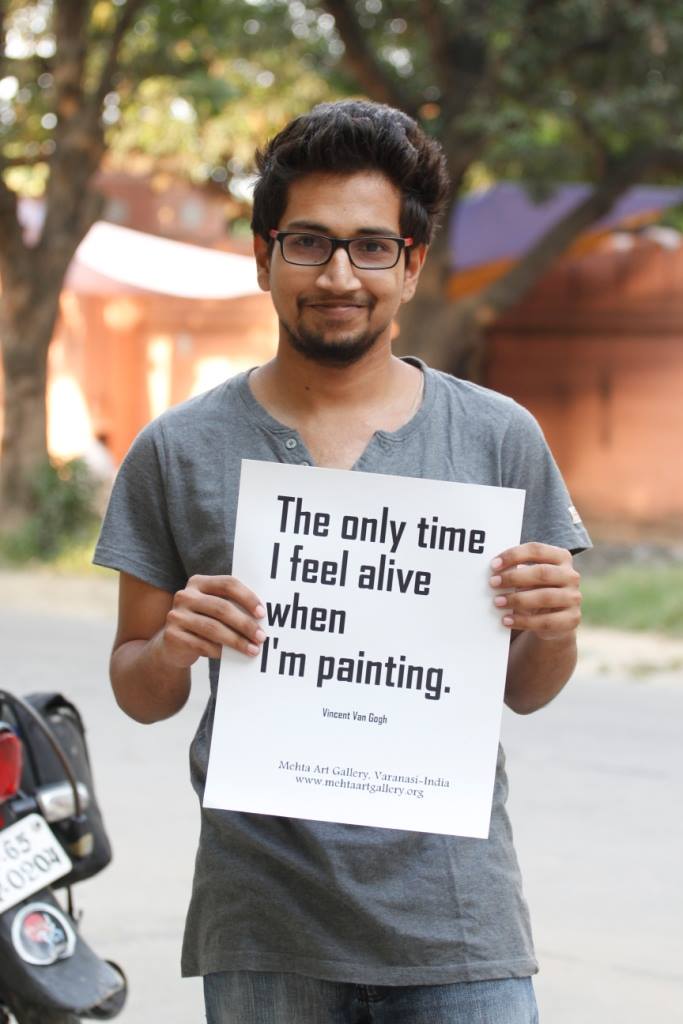
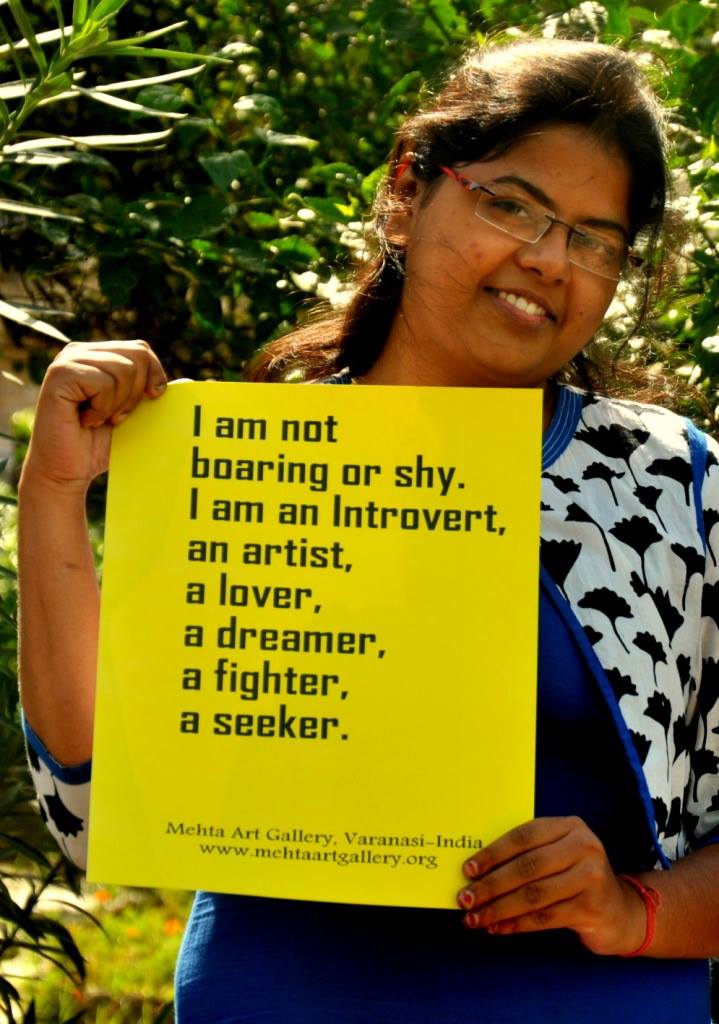
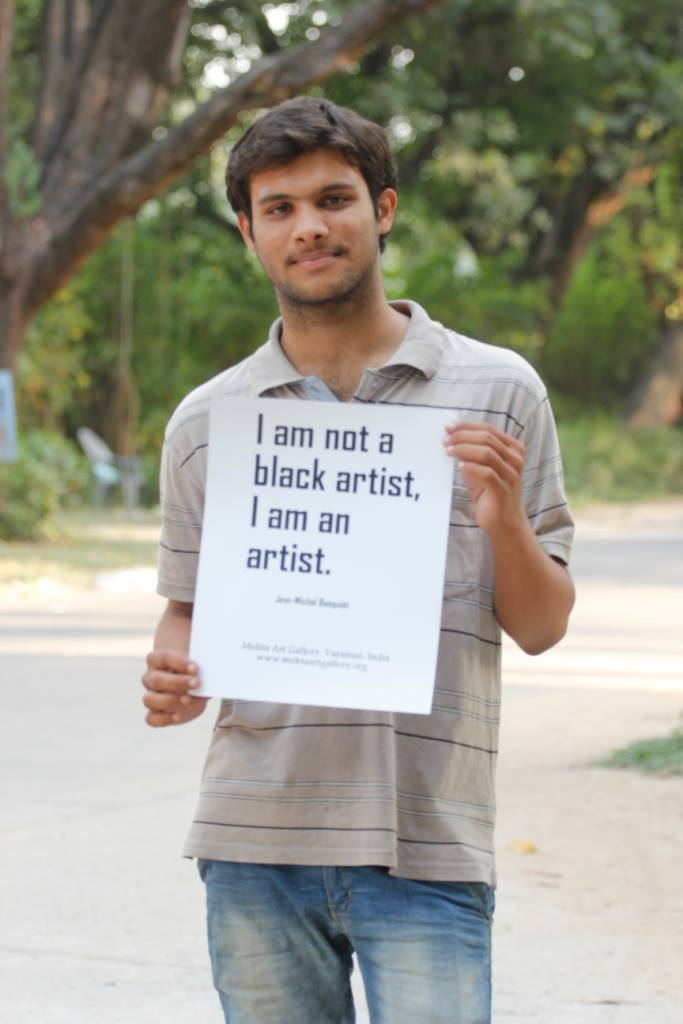
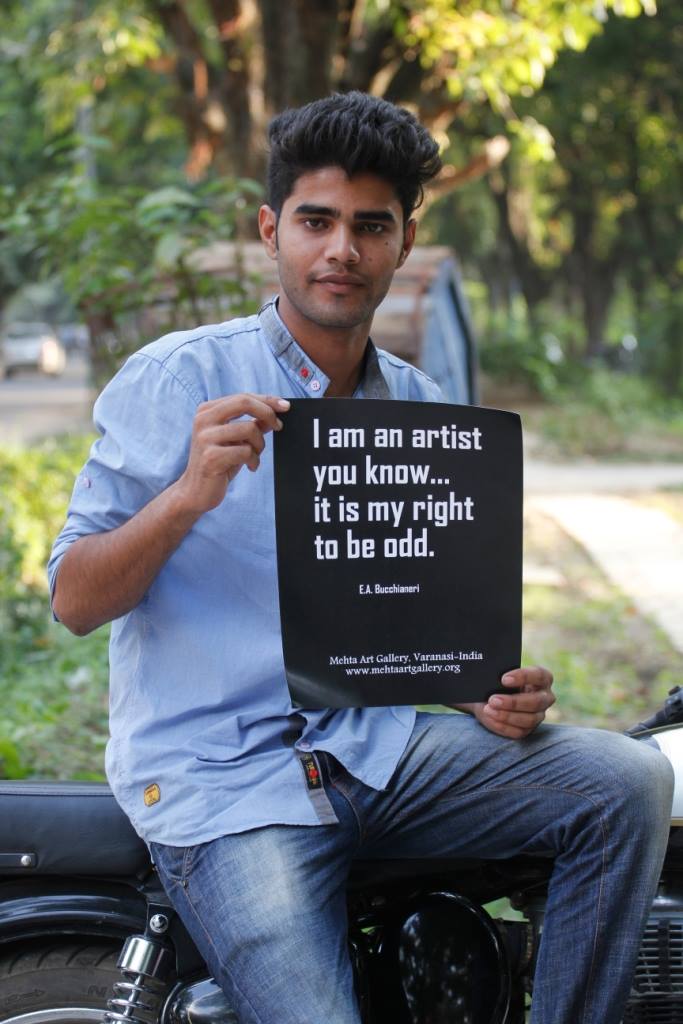
In the heart of Varanasi, a city that has nurtured saints, poets, and creators across centuries, Mehta Art Gallery has always believed in the silent but profound power of art, In 2015 the gallery launched a campaign titled “I Am an Artist”, a movement designed to give voice to the countless creators who often remain unseen, unheard, and unrecognized. The campaign was not merely about a statement on paper; it was a heartfelt declaration of existence, dignity, and the invisible labor of artists who shape the world’s imagination.

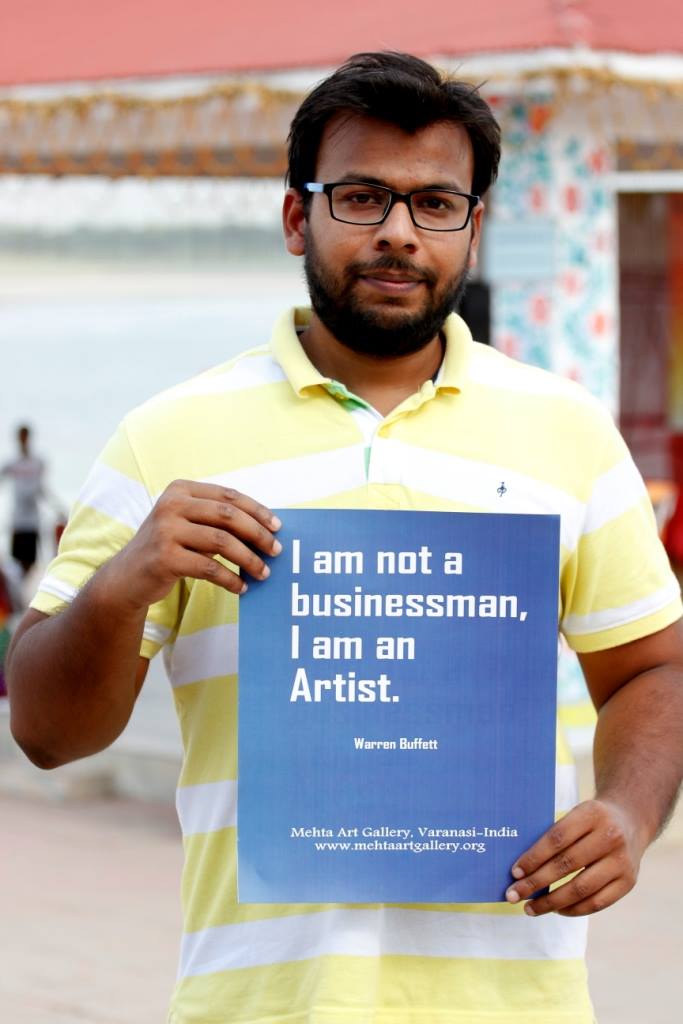
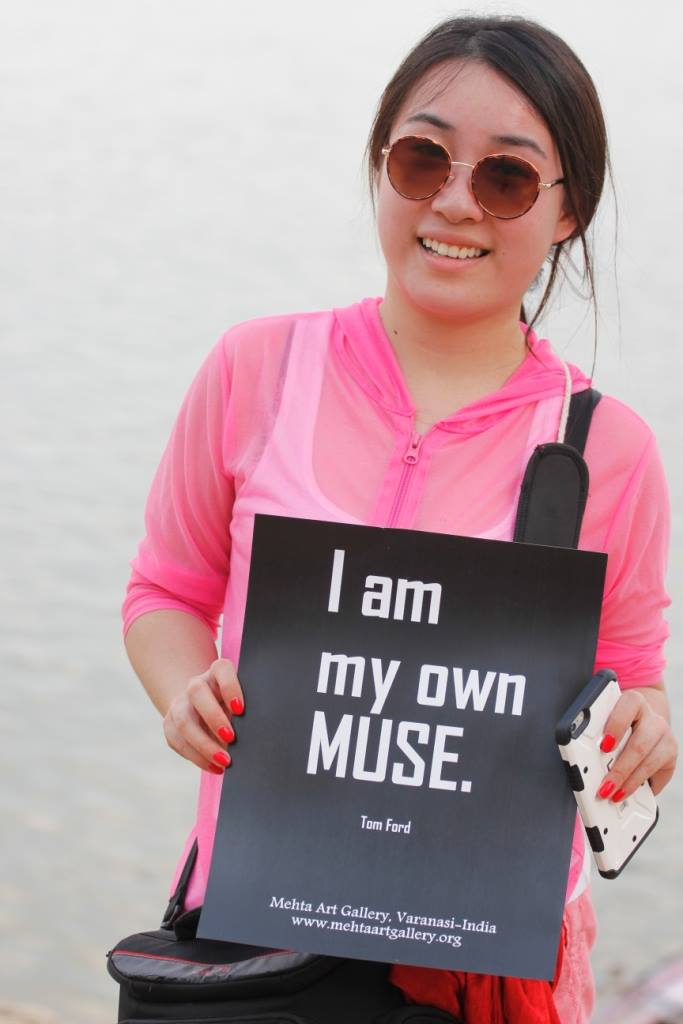
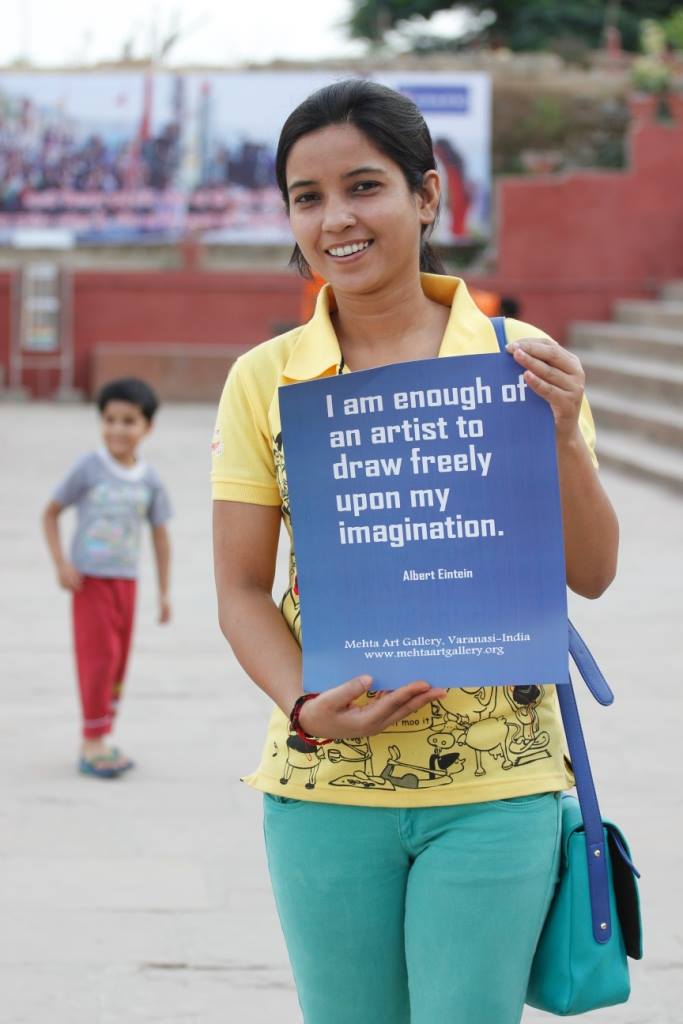
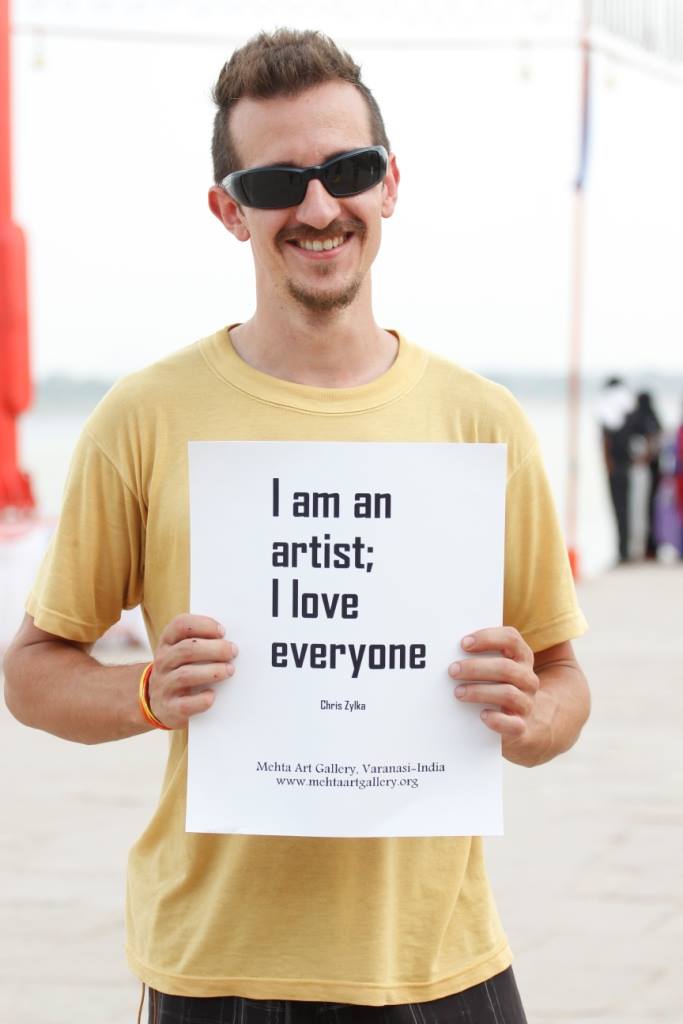
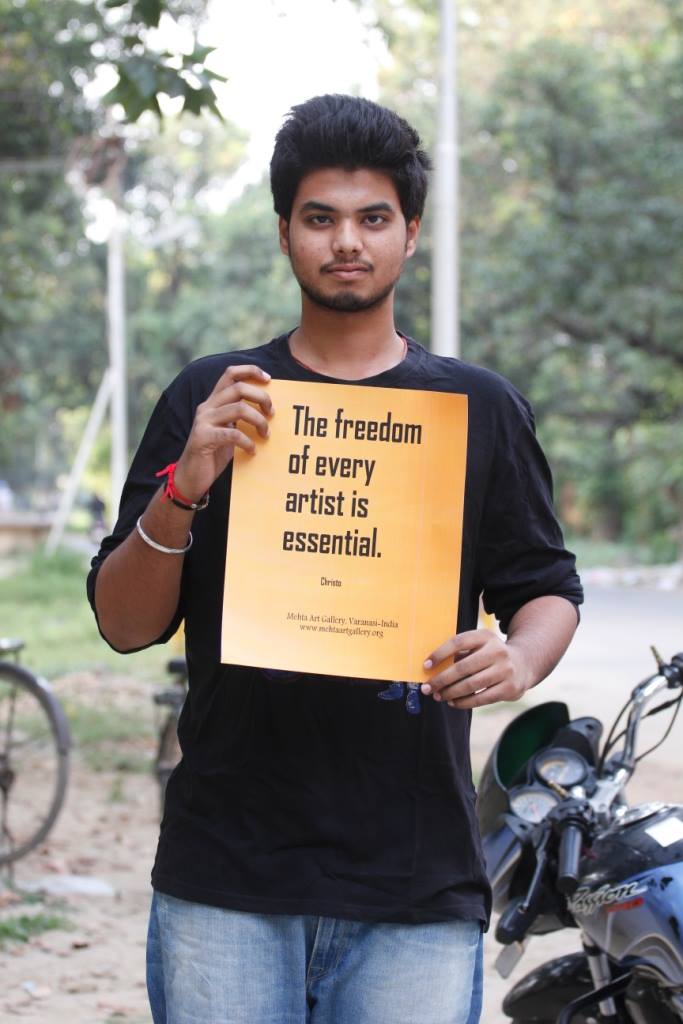
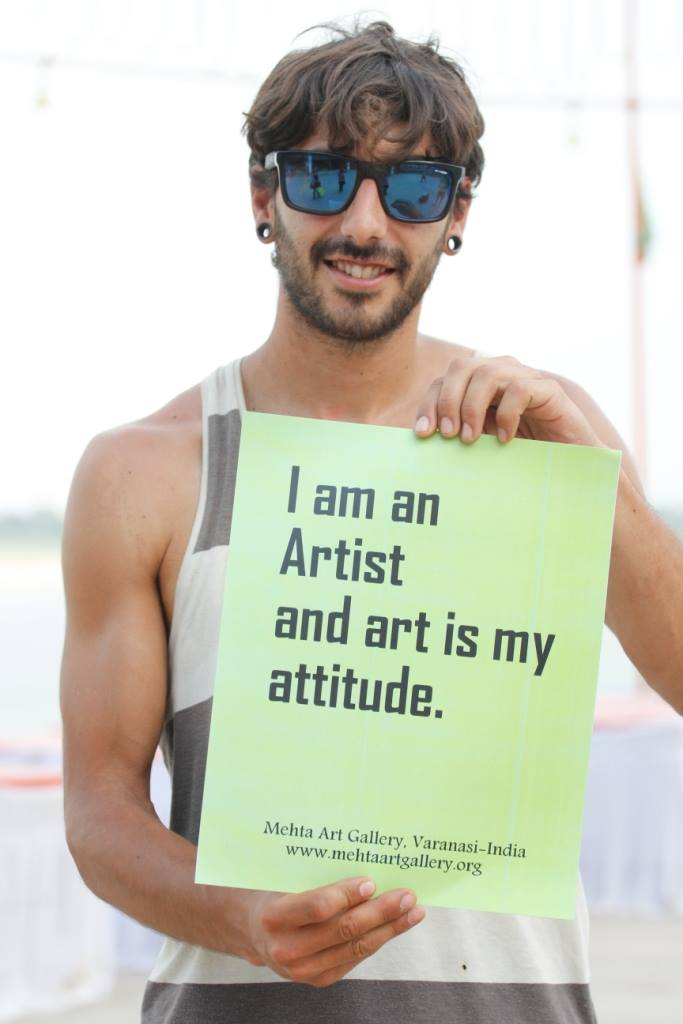
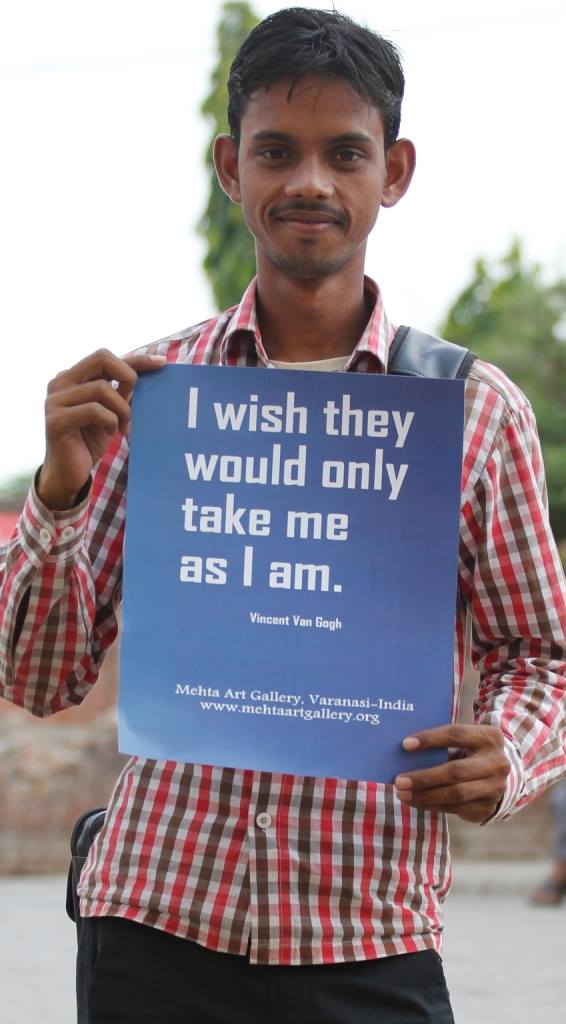
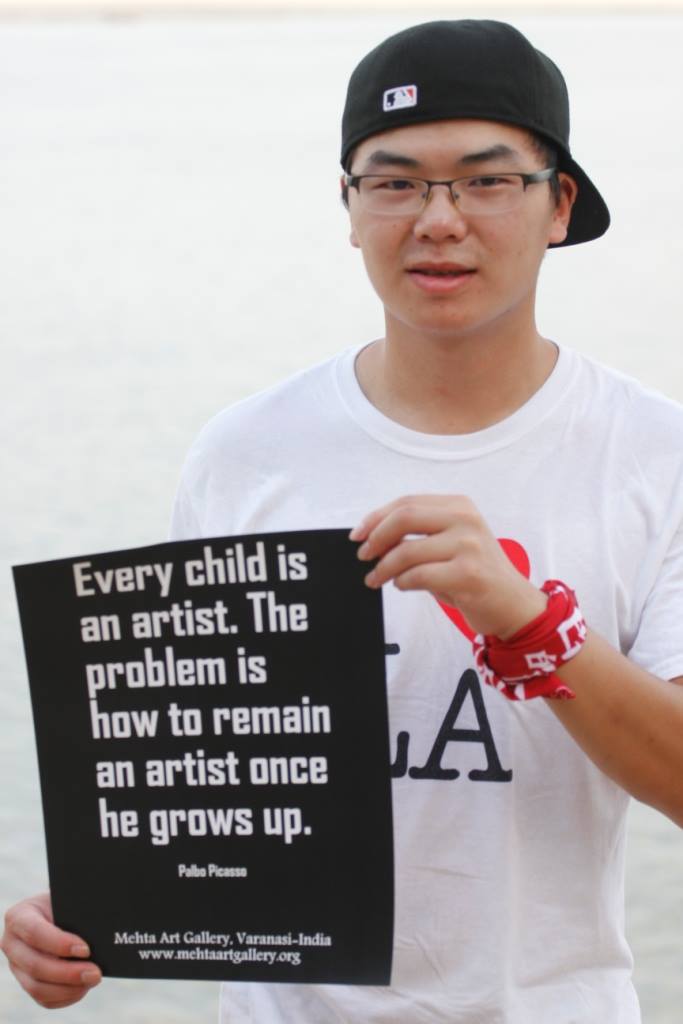
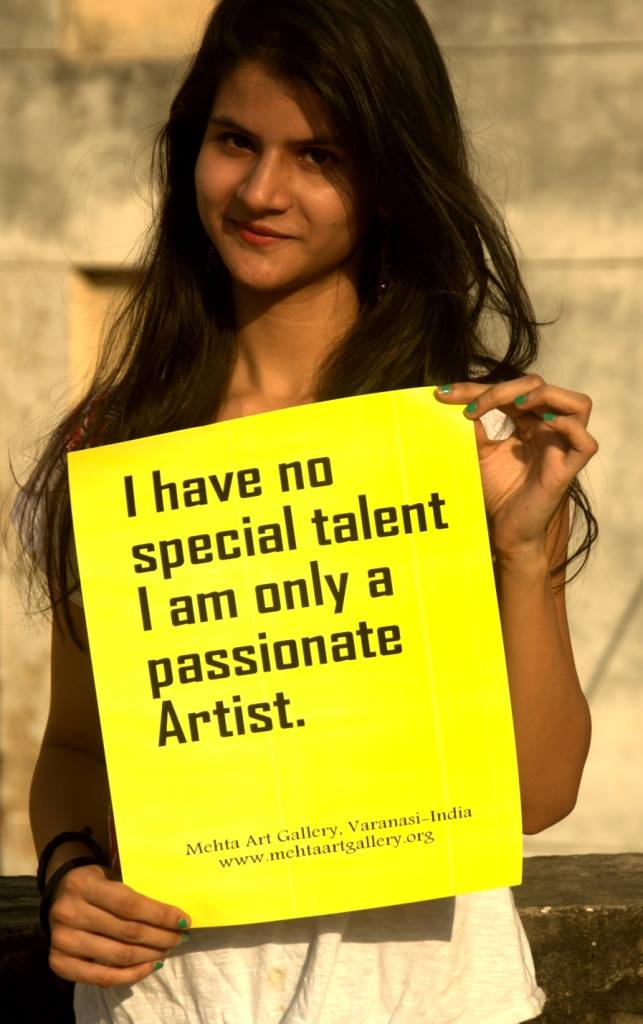
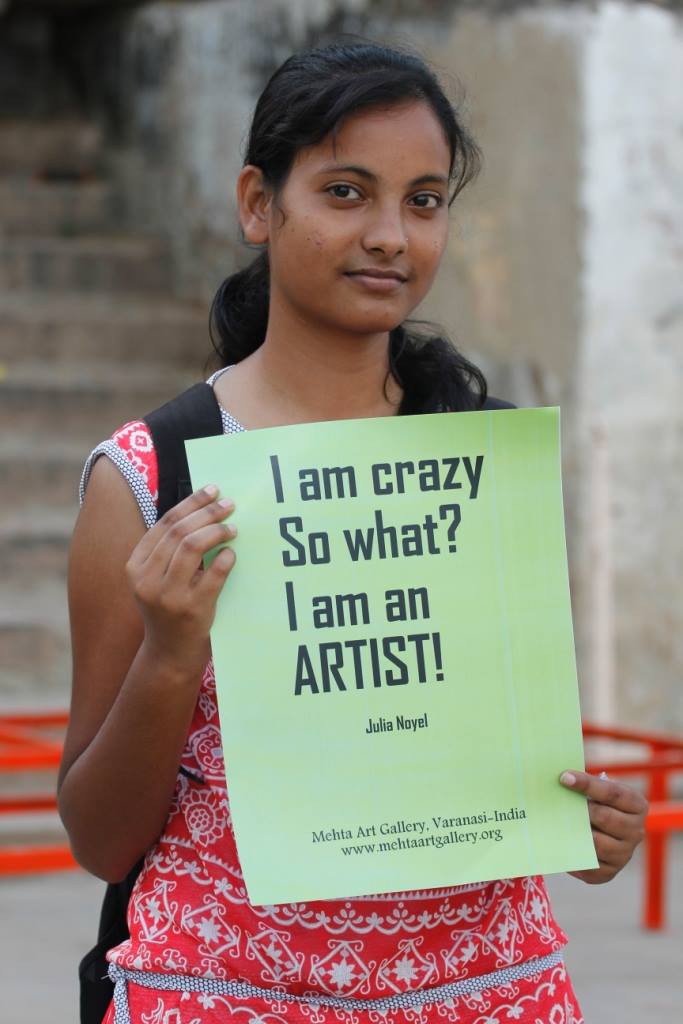
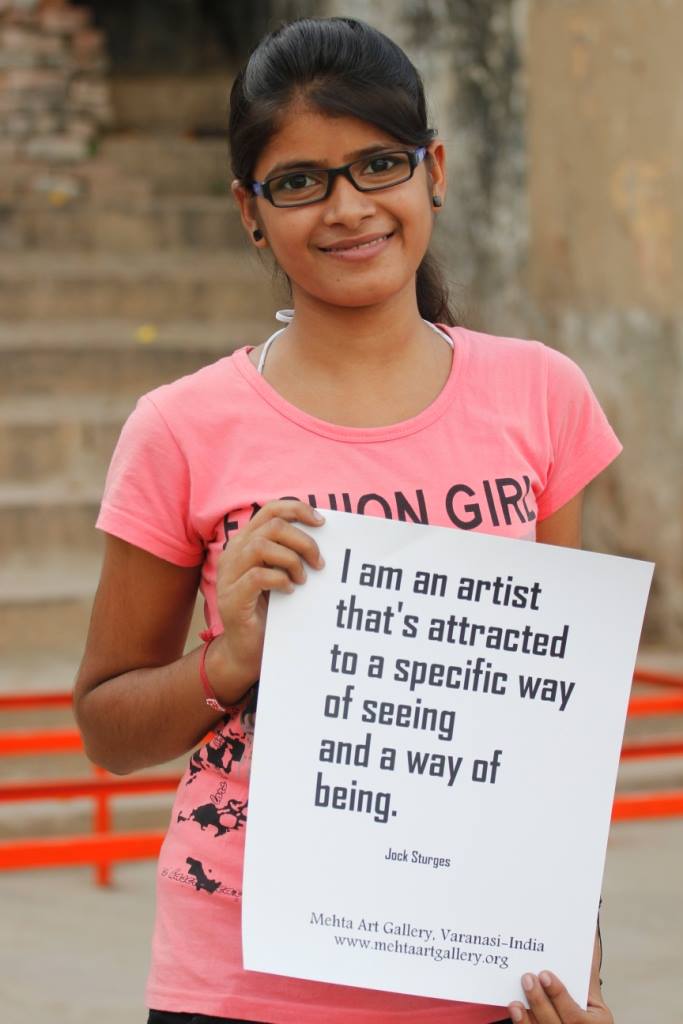
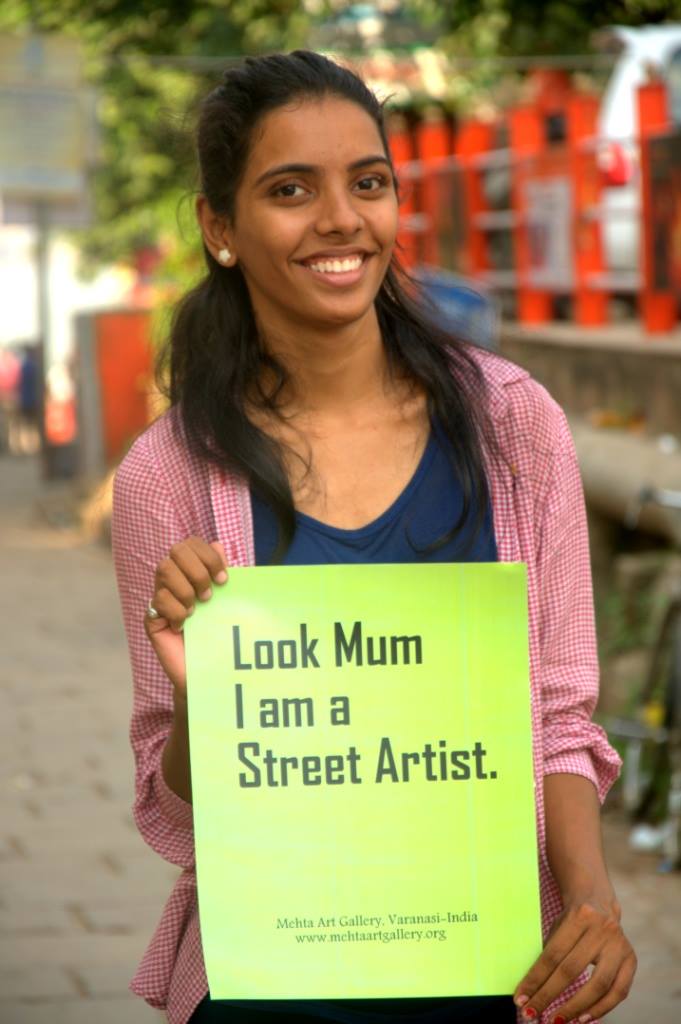
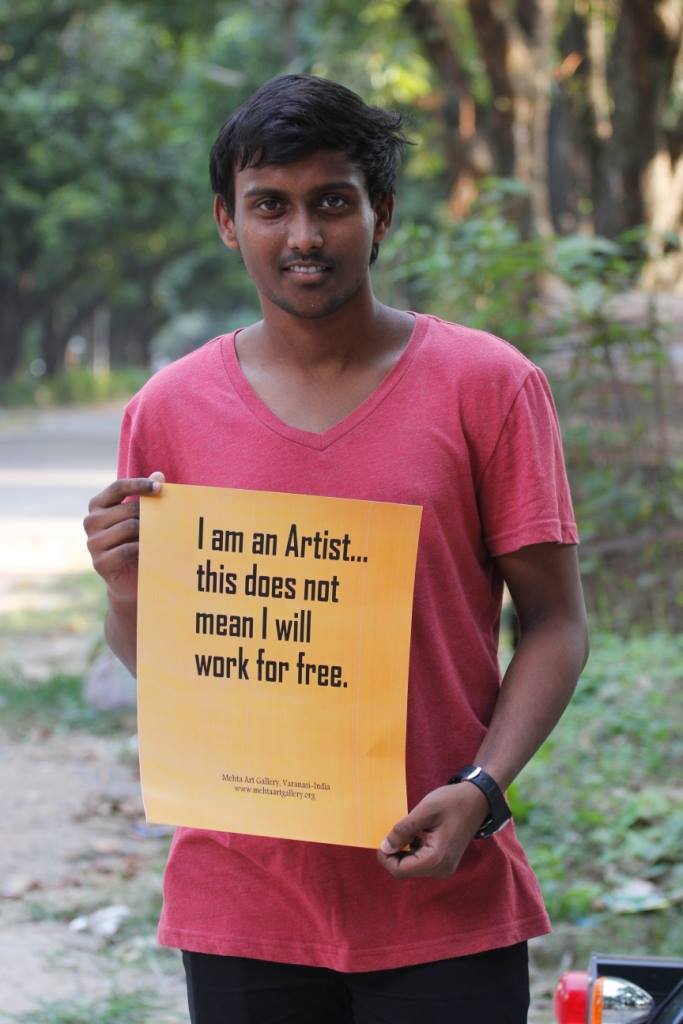
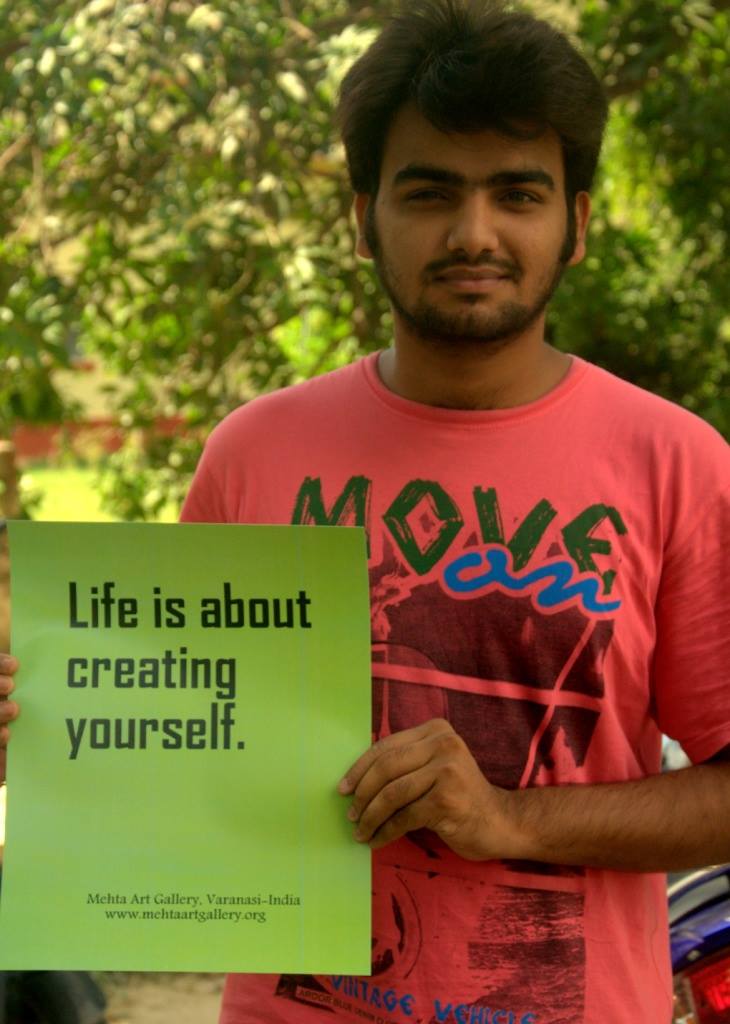
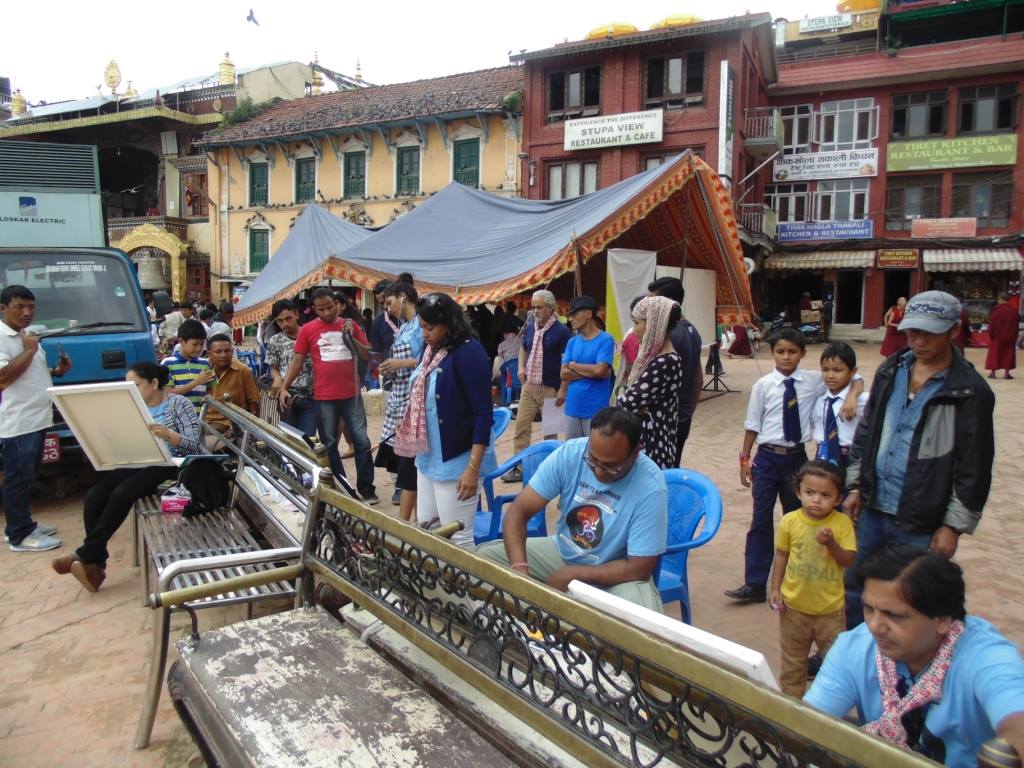
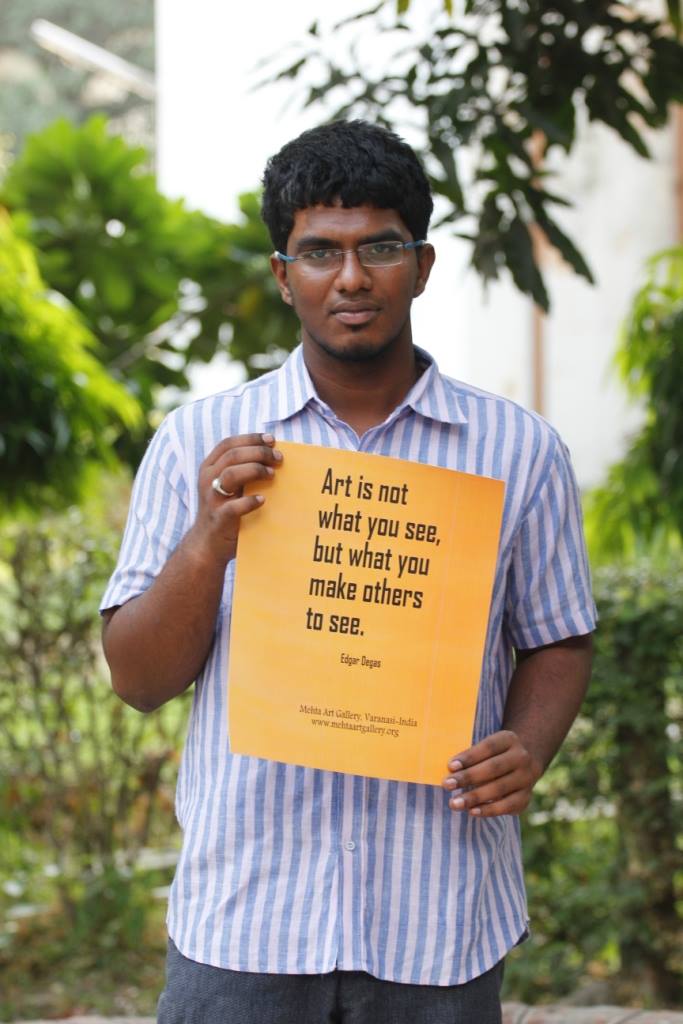
The core idea was simple yet powerful: people, artists, students, professionals, children, and even ordinary passersby, were given posters that read “I Am an Artist”. With these posters in hand, participants posed for photographs. These portraits were later brought together in a collective collage, displayed both physically at the gallery and digitally across social media. The effect was electric, a chain of solidarity, where every person holding the poster became a symbolic torchbearer of creativity, empathy, and awareness about the lives and feelings of artists.


Why “I Am an Artist”?

The life of an artist is often romanticized, but behind every stroke of paint, every carved figure, or every vision translated into form lies an ocean of struggle. Artists are society’s dreamers, but dreams don’t always pay the bills. They wrestle with financial instability, lack of recognition, and the constant tension between passion and survival. Many feel alienated in a world that measures worth in material gain rather than cultural contribution.

Through this campaign, Mehta Art Gallery wanted to spread awareness: artists are not just individuals who create for leisure, they are custodians of human emotions, preservers of culture, and innovators who show society new ways to feel, to heal, and to grow.

The phrase “I Am an Artist” became a powerful metaphor. It told the world that art is not confined to paintbrushes or canvases. Every person has creativity within them, whether they write, dance, design, cook, or build. To identify as an artist is to claim one’s humanity and one’s right to expression.


The Campaign in Action

The campaign unfolded in phases:

  1. Poster Distribution:
    Bright, bold posters with the words “I Am an Artist” were printed in various colors, representing diversity in creativity. Each participant was given one to hold.
  2. Photography Sessions:
    People from all walks of life, renowned painters, emerging sculptors, photographers, musicians, students, teachers, rickshaw pullers, shopkeepers, stood before the camera with their posters. The moment was both intimate and collective. With a simple gesture, they became ambassadors of artistic life.
  3. Digital Collage and Display:
    All the pictures were stitched into a massive visual tapestry, forming a living gallery of faces. The exhibition at Mehta Art Gallery allowed visitors to see hundreds of people united by a single declaration. Online, the campaign spread rapidly, with hashtags like #IAmAnArtist and #MehtaArtGallery reaching wider audiences.
  4. Conversations and Talks:
    Alongside the photo sessions, the gallery organized interactive sessions where artists shared their stories. These were stories of sacrifice, perseverance, and passion, each one a reminder of how art is woven into the very fabric of society.

The Feel of an Artist

To understand the depth of this campaign, one must understand what it means to live the life of an artist.

An artist feels what society often ignores. They see beauty where others see routine; they sense pain where others see indifference. While the world moves quickly, artists pause, reflect, and capture fleeting truths. They spend sleepless nights questioning, experimenting, and creating, not for applause, but because creation is their lifeblood.

The campaign carried this emotional truth. Each photograph was not just a portrait but a silent story:

  • A young painter holding the poster with paint-stained fingers.
  • A musician smiling faintly, his eyes carrying decades of unspoken melodies.
  • A child raising the poster proudly, her innocence reflecting the purest form of creativity.

Together, these faces communicated what words could not, the resilience of artists, their hunger for recognition, and their role as storytellers of humanity.


Art and Society – The Deep Connection

One of the campaign’s underlying messages was that art is not separate from society; it is society’s mirror and heartbeat. Every civilization is remembered not for its rulers but for its creators, its songs, temples, paintings, poems, and crafts. Art preserves memory, shapes identity, and builds bridges between generations.

  • Shaping Culture: Artists define how cultures are remembered. The ghats of Varanasi, for example, live in global consciousness largely through paintings, films, and photographs.
  • Building Empathy: A painting can make someone feel a stranger’s sorrow; a sculpture can inspire strength. Artists create a language of emotions that unites people across boundaries.
  • Driving Change: From protest art to revolutionary poetry, artists ignite social transformation. They speak truths that politics cannot, and heal wounds that medicine cannot.

Through “I Am an Artist,” Mehta Art Gallery reminded society that to neglect artists is to neglect its own roots and future.


Impact of the Campaign

The campaign resonated far beyond the walls of the gallery. Teachers began encouraging students to write “I Am an Artist” on their notebooks, embracing creativity in education. Local artisans felt a renewed sense of dignity, their craft seen as part of a larger cultural movement. Social media filled with images of people proudly claiming the phrase, showing that art is universal.

For many young artists, the campaign became a source of confidence. It told them, “Your struggle matters. You are not invisible. You are shaping tomorrow.”


Mehta Art Gallery’s Vision

At the heart of the campaign was the gallery’s long-standing vision: to create a platform where art is not a luxury but a necessity of life. By conducting “I Am an Artist,” Mehta Art Gallery established itself not just as a space for exhibitions but as a cultural movement, echoing the voices of both known and unknown creators.

This campaign was a reminder that while governments may build roads and industries, it is artists who give a society its soul. The gallery hopes this initiative will inspire other institutions to champion similar causes, where art is treated not as decoration but as a vital expression of humanity.

Conclusion

“I Am an Artist” was more than a campaign; it was a collective heartbeat. It carried the voices of painters, sculptors, writers, musicians, and ordinary citizens who dared to claim their identity as creators. It reminded society that every face, every hand holding that poster, was part of a larger story, the story of humanity’s eternal search for meaning and beauty.

Mehta Art Gallery, through this initiative, spread a message that will echo for years:
To value artists is to value life itself. To recognize their struggles and celebrate their creations is to keep alive the spirit of culture, empathy, and imagination.

And so, with every photograph stitched together, with every voice amplified, the world was reminded of a simple truth: We are all artists. We are all connected. And without art, society is incomplete.


Introduction: A Banaras Artist Who Paints with Devotion

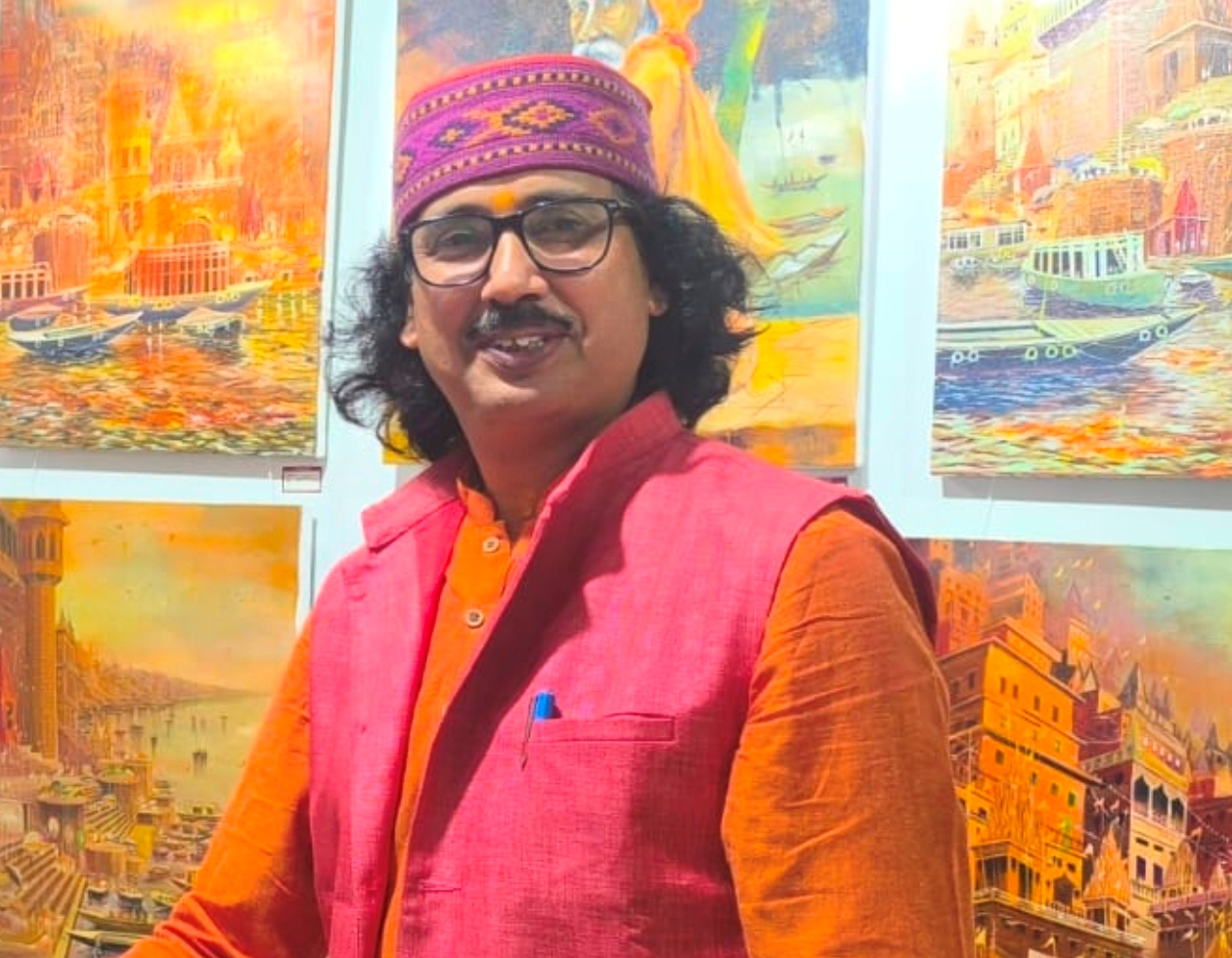
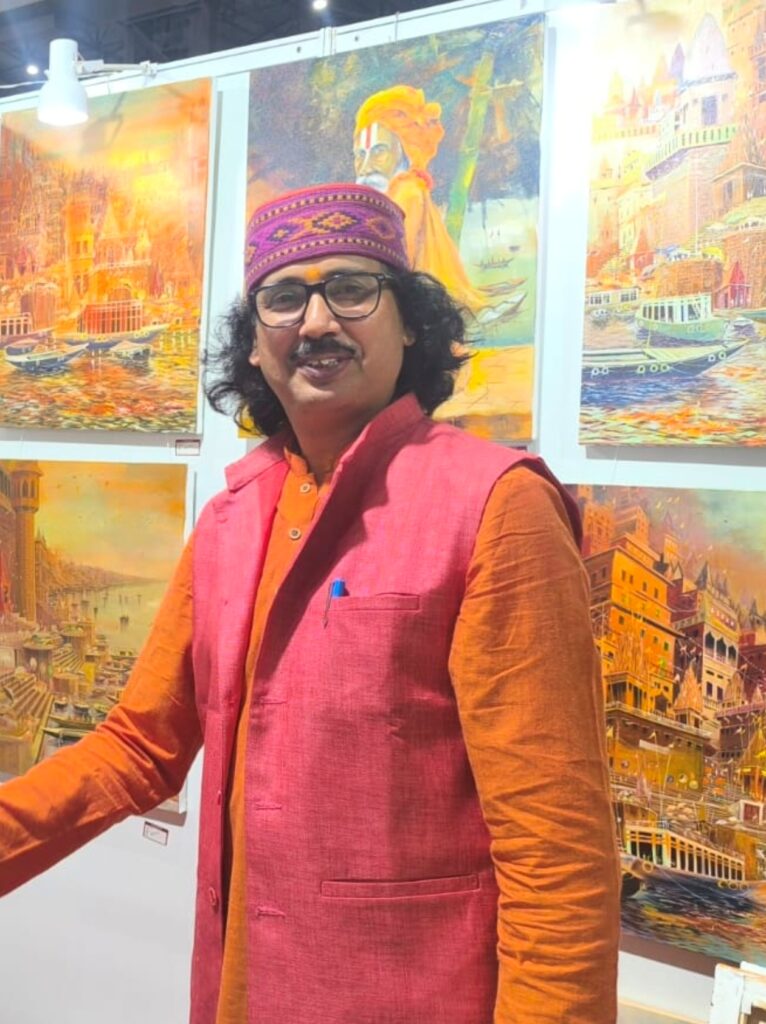
In the holy city of Varanasi (Banaras), where the Ganga River flows as a timeless witness, lives an artist whose life and art are inseparable from faith. Artist Santosh Kumar Sandilya, born in Sasaram in 1977, has dedicated his canvas to the eternal river. His works are not ordinary paintings; they are spiritual journeys created with Ganga Jal (sacred water of the Ganges).

This is the story of an artist who left jobs, schools, and even a business to follow his inner calling — painting Banaras, Shiva, and devotion itself.


Early Life and Inspiration

  • Birthplace: Sasaram, Bihar
  • Date of Birth: 21 October 1977
  • Schooling: Bokaro, Jharkhand

Santosh first discovered his artistic spark in class 8, under his guru Laxmi Nayak. What began as guidance from a teacher soon grew into a lifelong passion. By class 9, he already knew his life’s purpose was to study and live through art.

This dream took him to Banaras Hindu University (BHU), where he pursued BFA (1998) and MFA (2000) in Fine Arts.


From Teacher to Seeker

After completing his education, Santosh began his career as an art teacher in reputed schools:

  • Doon Public School, Dehradun
  • DPS Dhanbad
  • DAV Dhanbad

Though respected, these jobs could not fulfill his spiritual thirst. In search of livelihood, he even started a sweet shop in Varanasi, which he later handed over to his chef. His journey also took him to National Enter College, Handia as an art teacher.

Yet, Banaras kept calling him back. He knew he was not made for routine life; he was meant to serve art in its purest form.


A Sacred Medium: Painting with Ganga Jal

The turning point came in 2014, when Santosh visited Brahma Kund, Haridwar. Collecting sacred Ganga Jal, he began painting with it. This was no ordinary act — it was a spiritual awakening.

Today, Santosh is one of the very few artists in India who paint only with Ganga Jal. Each canvas is a spiritual offering, an extension of Banaras itself. Before starting his work, he dresses in pilgrims’ attire, honoring the divine source of his inspiration.
His thought:

“Just as Lord Shiva bears the Ganga on his head, I too let her flow through my brush. My paintings are not just art, they are offerings.”


Exhibitions, Recognition, and Memberships

  • Exhibitions: 50+ solo and group shows across India
  • Art Camps/Workshops: 20+ participations
  • National Exhibition: Selected 3 times
  • Collections: 300+ paintings sold worldwide
  • Donations/Gifts: 20+ paintings gifted to organizations like Manav Seva Trust (Kutch)
  • Membership: Permanent member of Lalit Kala Akademi, New Delhi

Such achievements place him among leading contemporary artists of Banaras.


Banaras and the Soul of His Paintings

Banaras is not only Santosh’s home but also his eternal muse. His paintings capture:

  • The morning ghats bathed in golden light
  • The evening Ganga Aarti with thousands of lamps
  • The alleys of Varanasi, echoing with mantras
  • The meditative presence of Lord Shiva
  • The eternal cycle of life and death that Banaras witnesses daily

Every brushstroke carries the silence of meditation, the weight of prayer, and the fragrance of devotion.

His Ganga Jal paintings do not simply depict Banaras — they breathe Banaras.


The Philosophy of Seva Through Art

Unlike many artists, Santosh does not see painting as a market-driven pursuit. For him, art is seva (service).

  • He dedicates his studio time with rent every month as an act of faith.
  • He gifts works to trusts and spiritual organizations.
  • He paints as if every canvas is a prayer for humanity.

In his words:

“I do not paint for money. I paint because Banaras flows in me, because the Ganga must flow through my brush.”


Legacy and Future

With over 300 artworks in collections and a lifetime dedication to Ganga Jal paintings, Santosh is creating a legacy that will inspire generations. His works are not only art pieces but also spiritual heritage of Varanasi.

As Banaras remains eternal, so too will the paintings of Santosh Kumar Sandilya, reminding the world that art can be both devotion and meditation.


Conclusion: The Eternal Artist of Banaras

The story of Artist Santosh Kumar Sandilya is a reminder that true art comes not from ambition but from surrender. He surrendered to the Ganga, to Shiva, and to Banaras itself. His life’s work shows us that painting can be prayer, offering, and liberation.

In the lanes of Banaras, where pilgrims seek salvation, Santosh found his own salvation through art. Each of his Ganga Jal paintings is a drop of eternity on canvas.