Amit Kumar Mehta: Artistic Style and Emotional Language
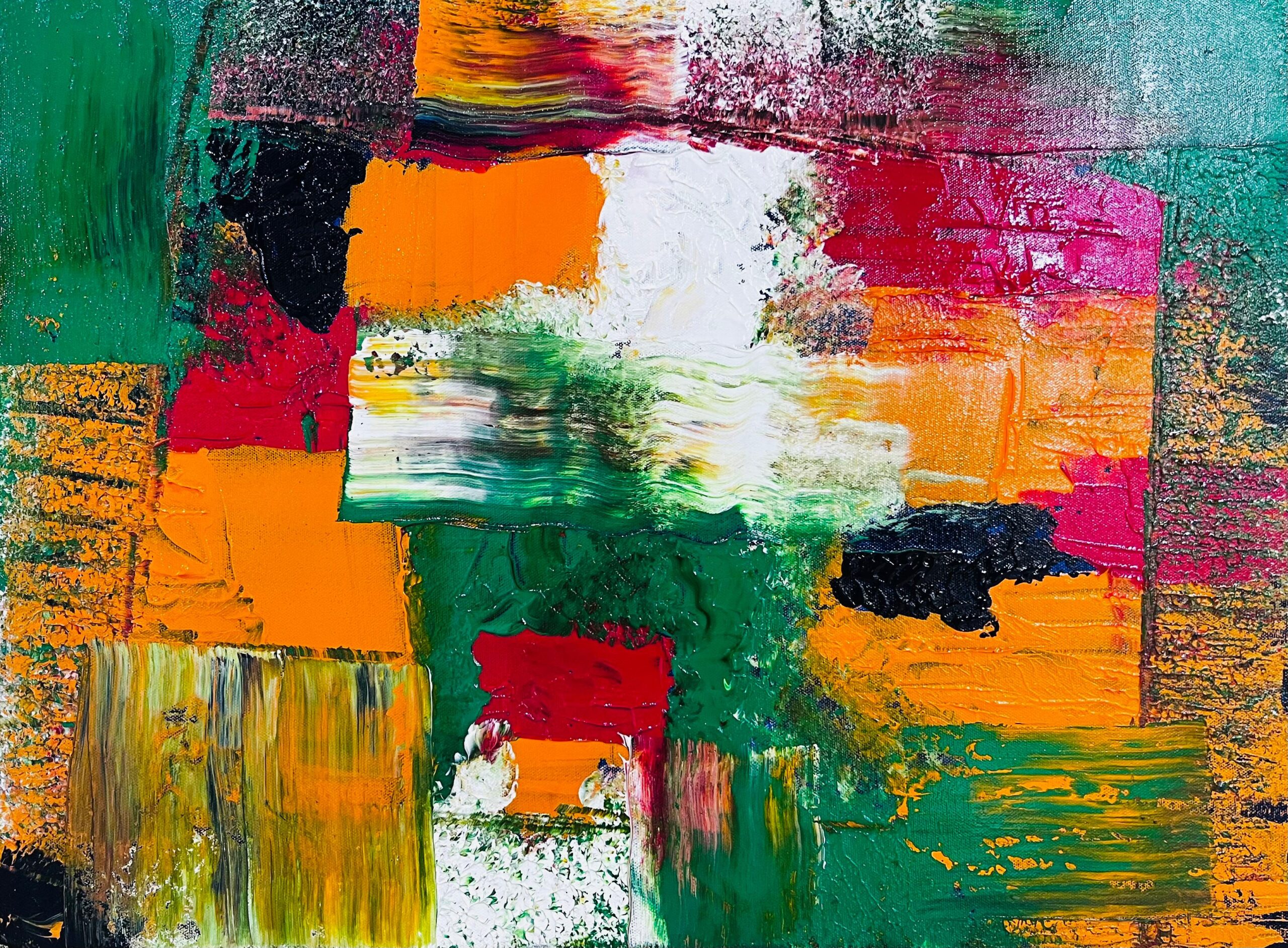
Amit Kumar Mehta’s artistic practice emerges from a deeply introspective space where emotion, inner turbulence, silent reflection, and divine consciousness merge into visual form. His work is not merely painted; it is felt. Each canvas becomes a field of lived experience, where thoughts running through the mind transform into color, texture, and movement. His abstract impressions are driven by emotion rather than imitation, by instinct rather than structure.
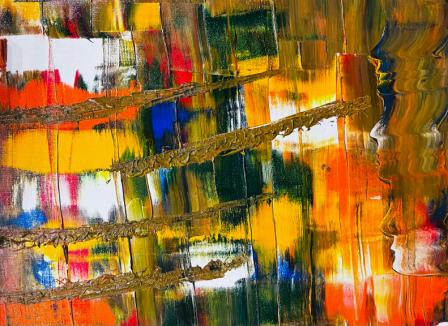
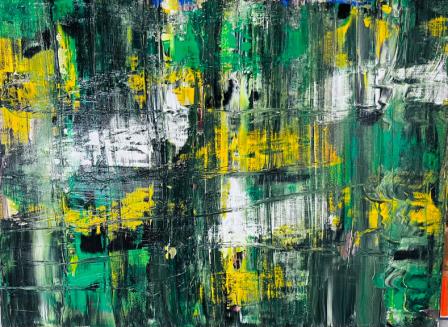
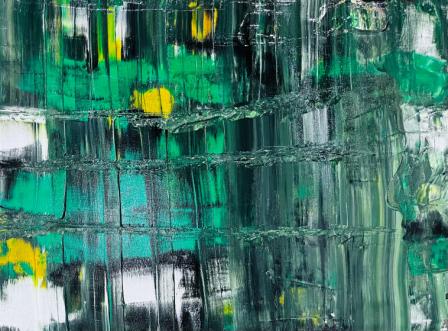
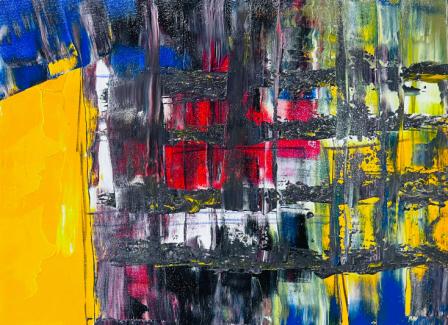
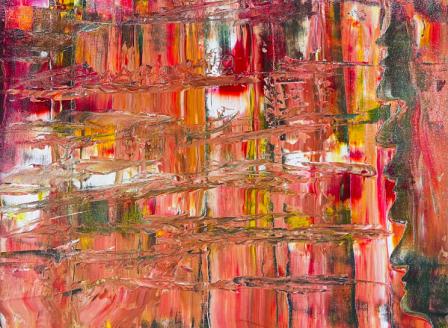
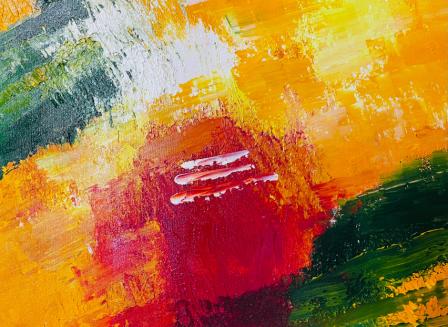
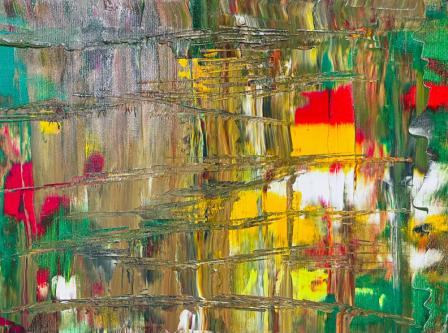
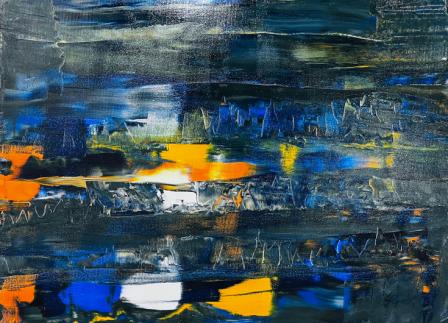
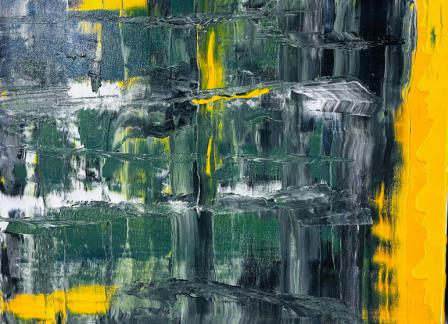
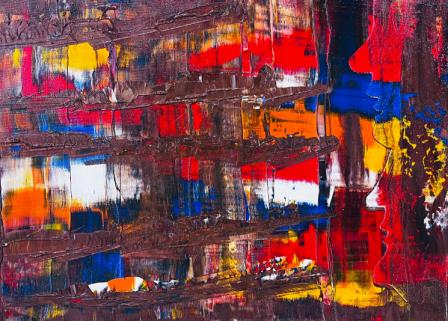
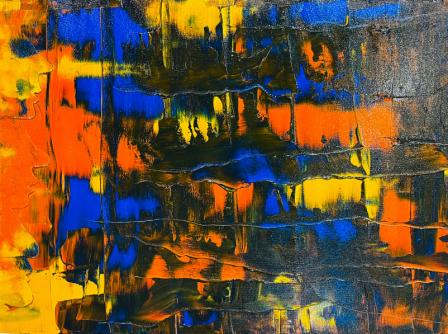
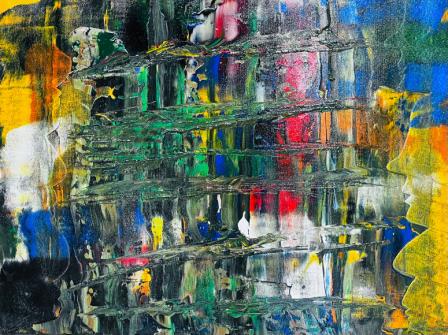
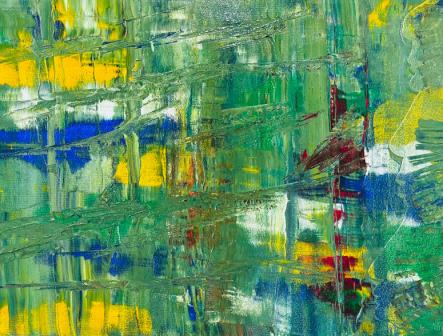
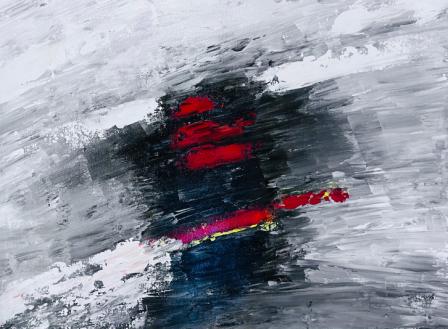
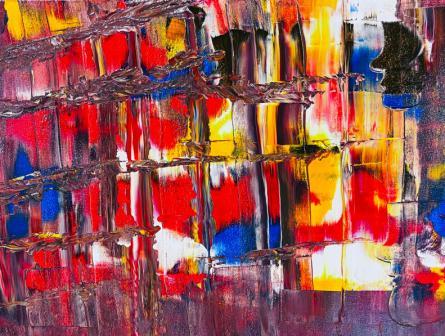
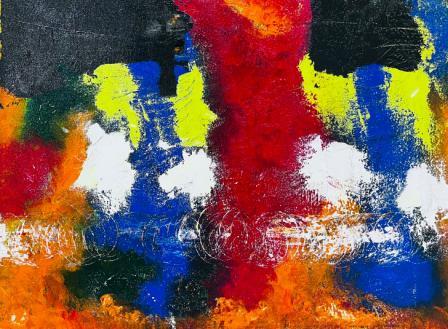
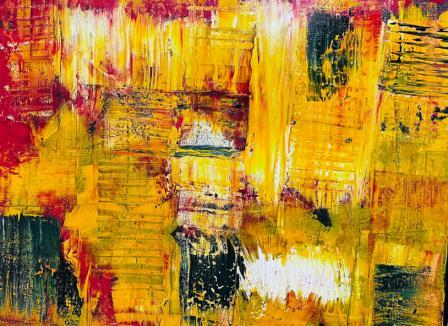
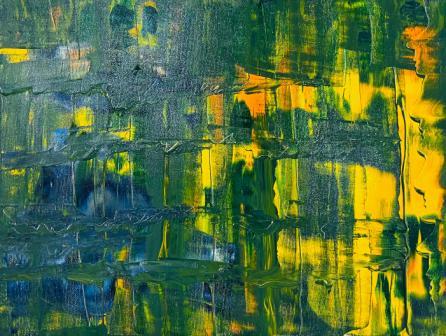
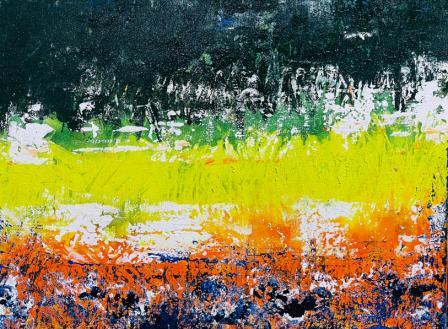
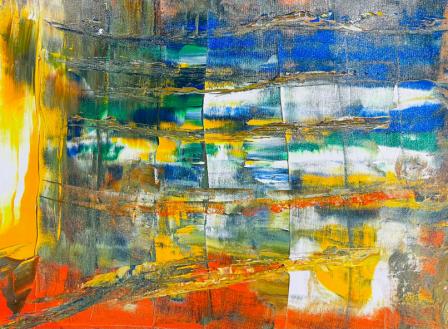
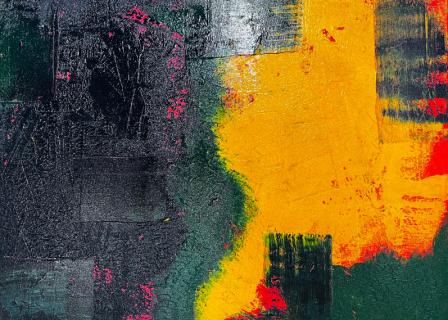
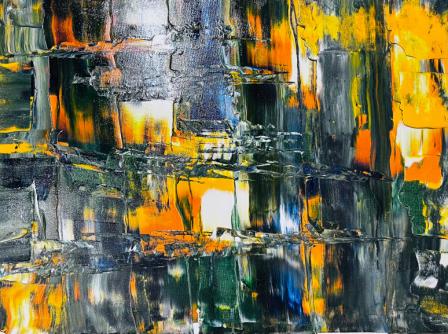
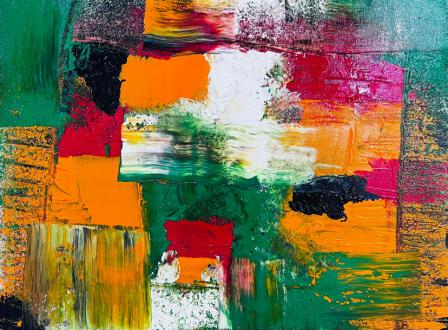
Color plays a central role in his expression. Mehta uses bold yellows, intense reds, deep blues, layered greens, and powerful blacks not as decorative elements, but as emotional frequencies. Yellow often radiates hope, divine light, and awakening. Red carries passion, struggle, and the pulse of human existence. Blues and greens introduce introspection, calmness, and spiritual depth. Black becomes both void and foundation, representing silence, uncertainty, and the unknown spaces of the mind. These colors collide, overlap, and dissolve into one another, much like human emotions that rarely exist in isolation.
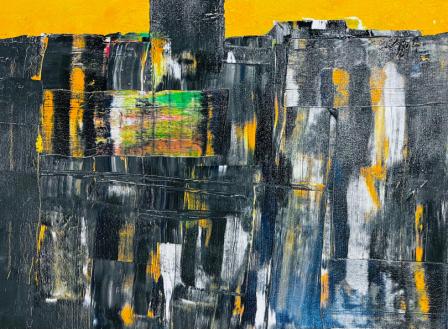
Texture is another defining characteristic of his work. Thick, layered strokes, scraped surfaces, and horizontal or vertical bands suggest time, memory, and the layered structure of society. His technique often involves building and breaking, adding paint, then removing parts of it—symbolizing how human life is shaped through experience, loss, and transformation. The surface of his canvas reflects the complexity of human consciousness: rough yet luminous, chaotic yet balanced.
A recurring element in Amit Kumar Mehta’s work is the subtle or prominent presence of human faces. These faces are not portrait-like or realistic; they are impressions,emerging forms that appear from abstraction. They represent identity within society, the silent observer, the seeker, the thinker. Sometimes multiple profiles appear together, suggesting dialogue, conflict, coexistence, or collective consciousness. These layered faces symbolize how individuals exist within social structures, shaped by culture, belief, and environment.
His compositions often resemble architectural forms or fragmented cityscapes. Structured lines and blocks evoke the framework of world society, systems, institutions, boundaries, and divisions. Yet within these rigid structures, fluid colors flow freely, reflecting the unstoppable nature of human emotion and spirit. This contrast between structure and spontaneity defines his artistic voice. The world may impose order, but the human soul remains dynamic.
Divinity is another subtle but powerful thread in his work. Rather than depicting literal religious imagery, Mehta conveys the divine through light, color vibrations, and symbolic abstraction. Spiritual energy appears as glowing accents or silent radiance within darkness, suggesting that the sacred exists within human experience itself.
Ultimately, Amit Kumar Mehta’s style can be described as emotional abstraction rooted in human life and societal reflection. His art does not seek to provide answers; it invites contemplation. Each painting becomes a mirror, reflecting inner feelings, collective consciousness, and the eternal dialogue between the individual and the world.
Well expressed….
Nice n creative works of art.
Best wishes!!!