Kashi to Kathmandu: An Art Camp of Cultural Exchange Between India and Nepal
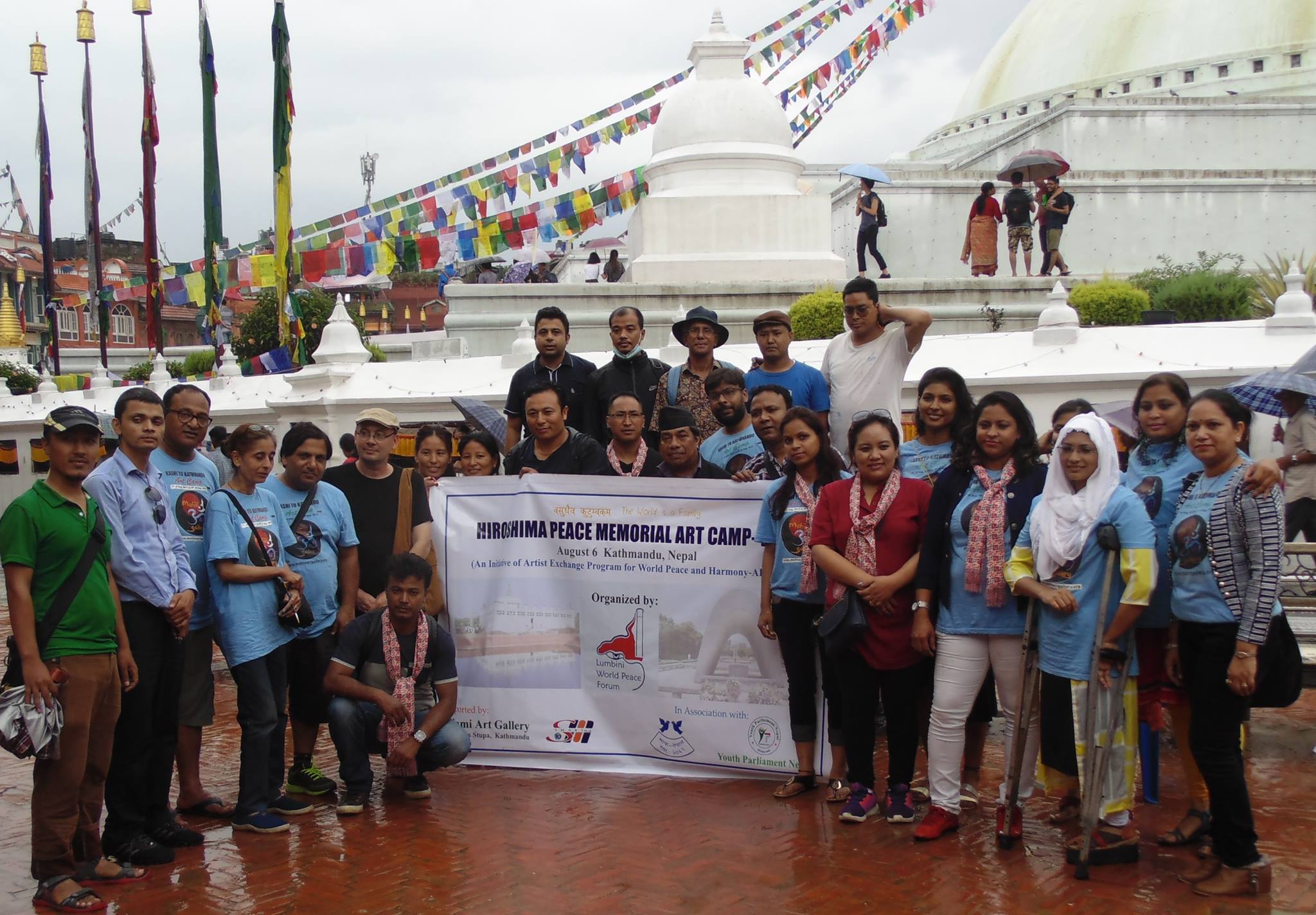
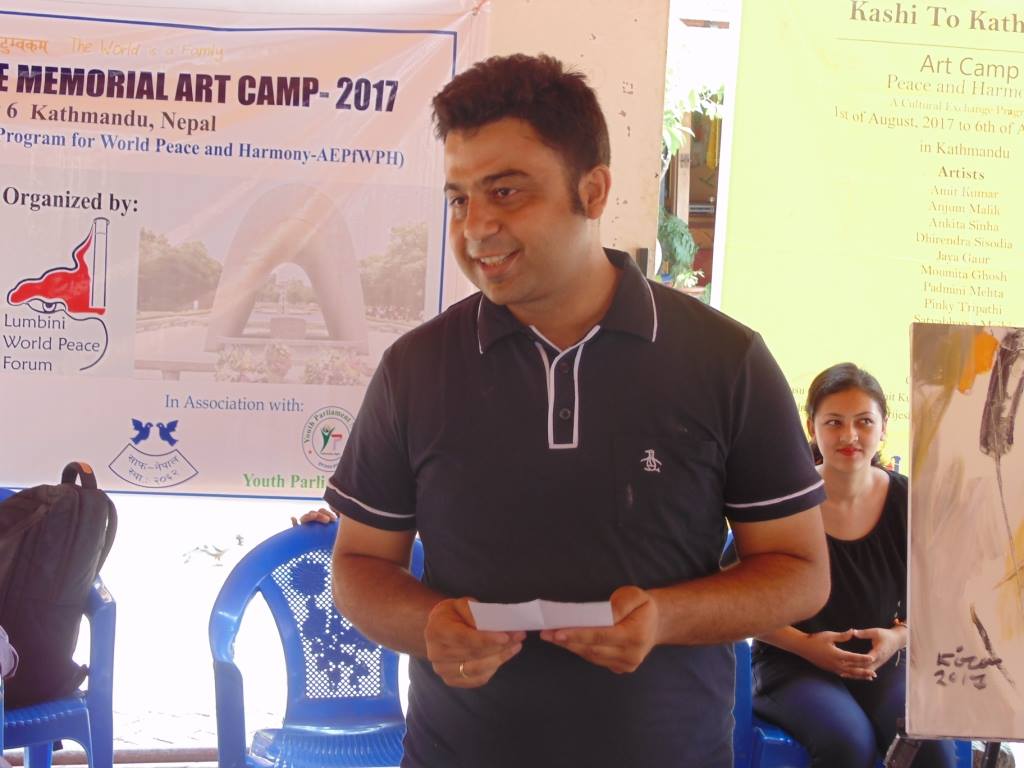
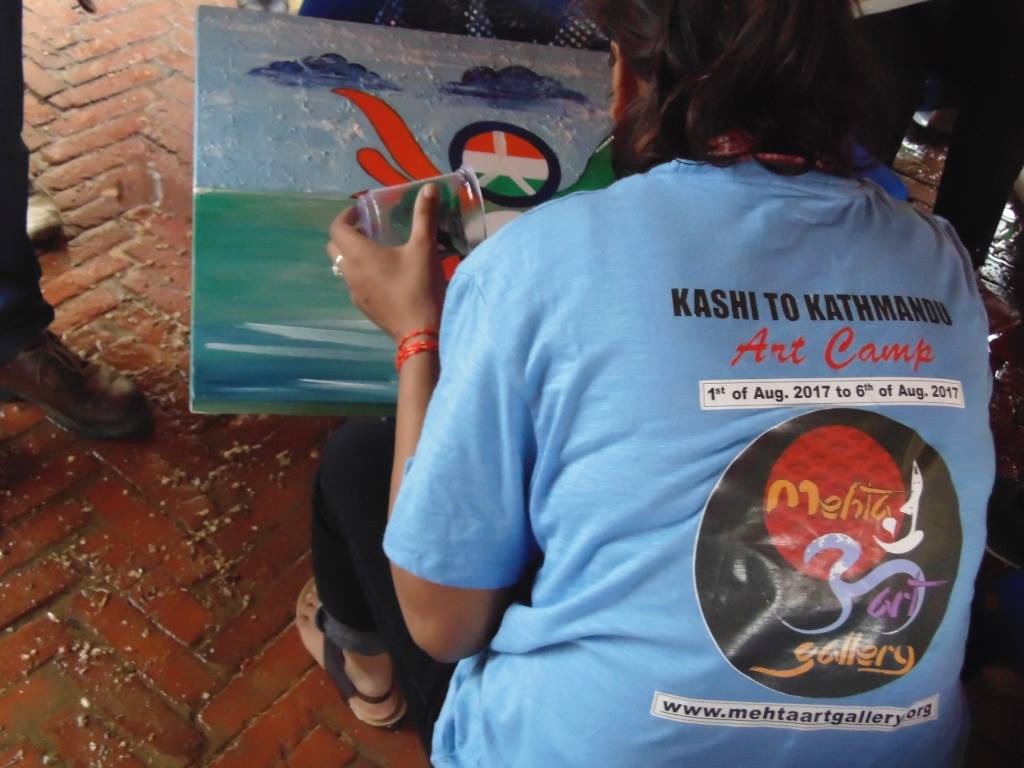
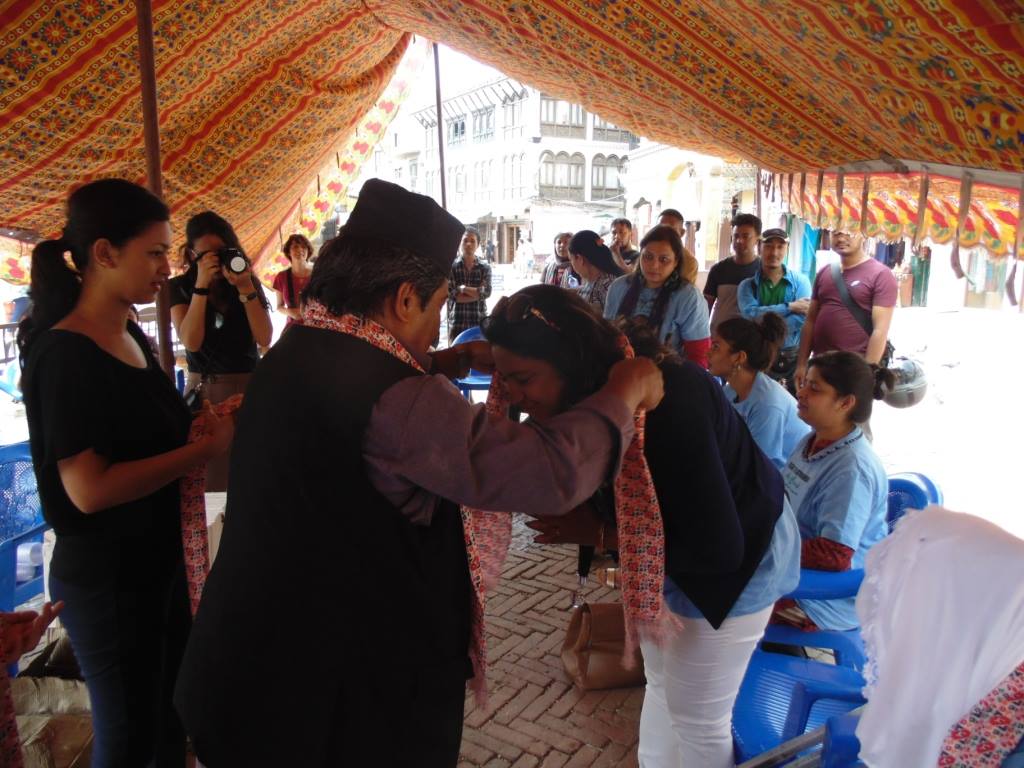
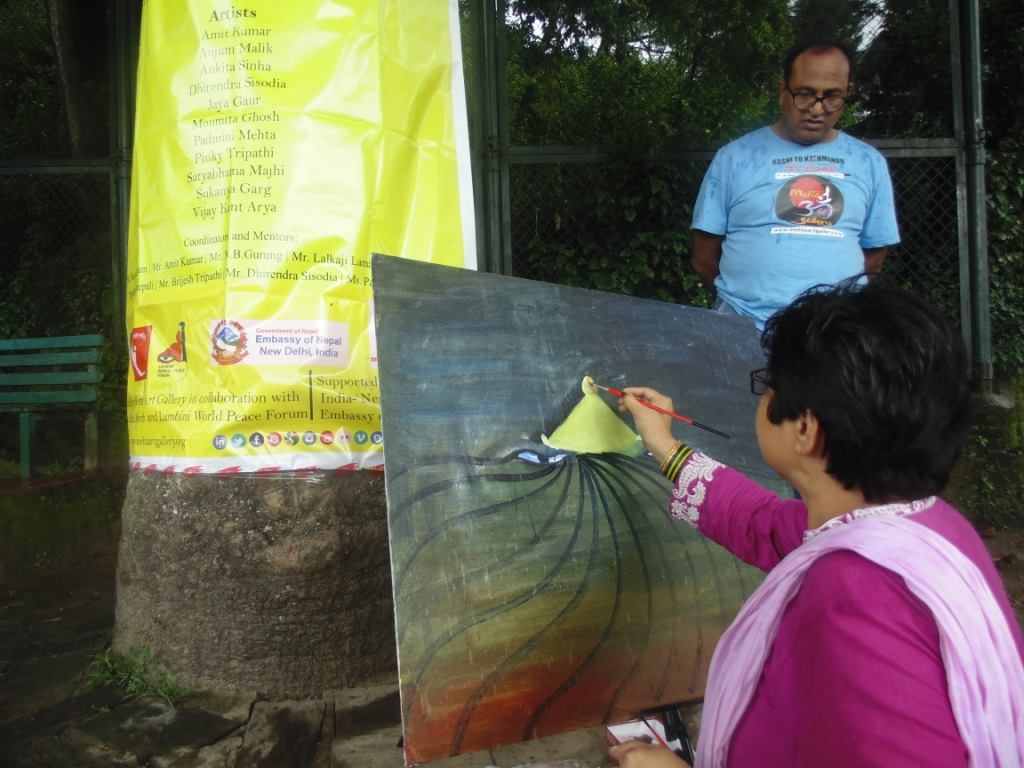
In August 2017, Mehta Art Gallery had the honor of hosting a historic art camp in Kathmandu, Nepal, under the banner “Kashi to Kathmandu: A Cultural Exchange Program”. This initiative brought together artists from India and Nepal in a celebration of creativity, cultural dialogue, and spiritual togetherness. Organized in coordination with Lumbini World Peace Forum, the Embassy of Nepal in India, and several local organizations and galleries, the event became a living testimony of the deep-rooted cultural and spiritual connections that bind the two neighboring countries.
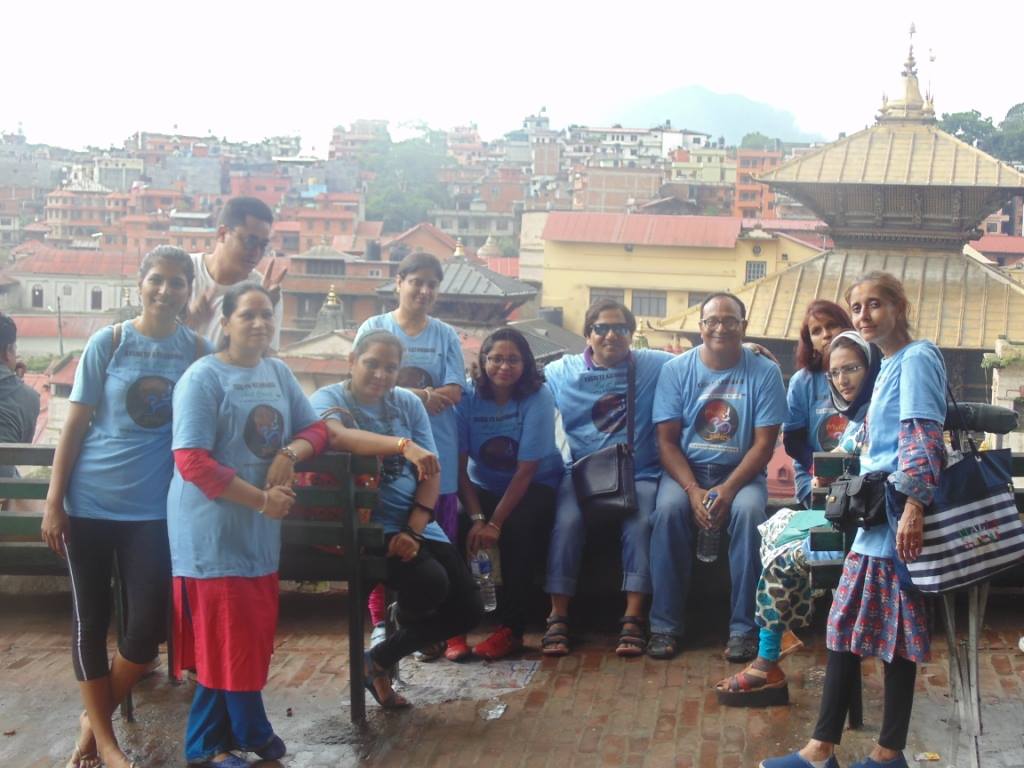
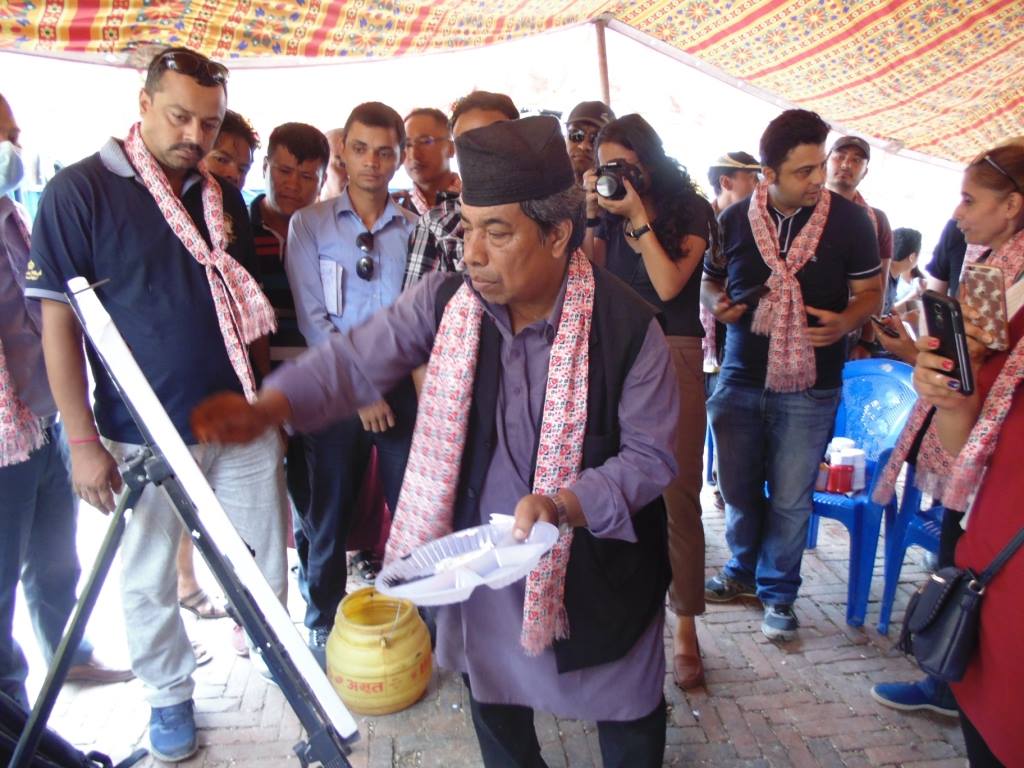
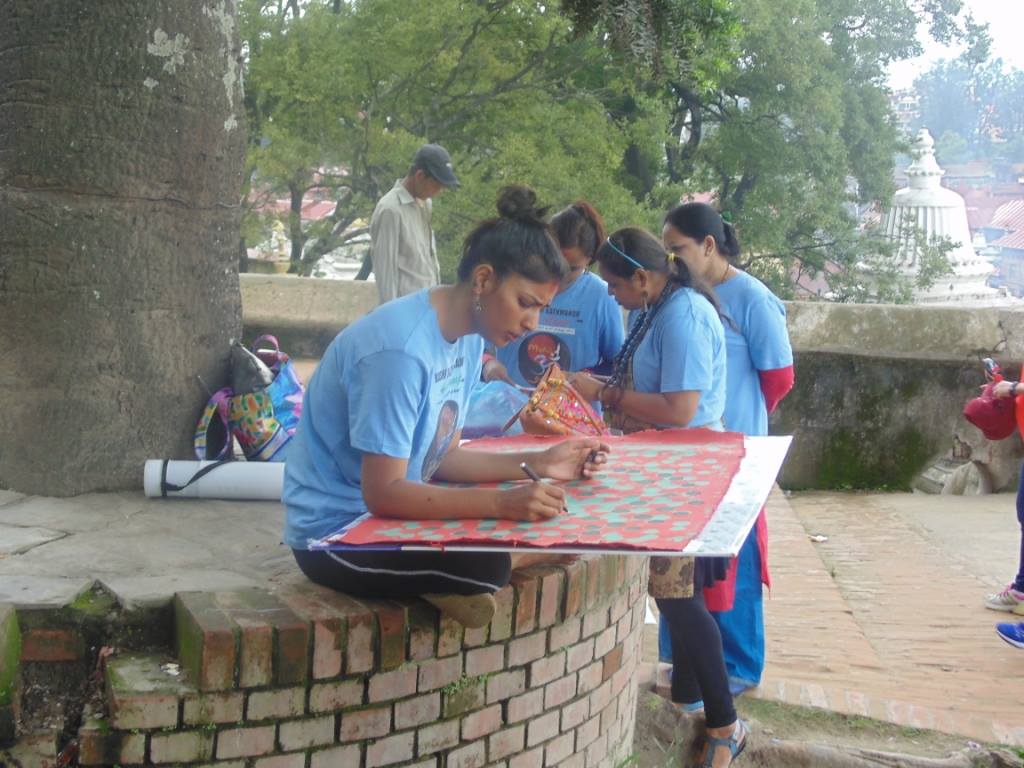
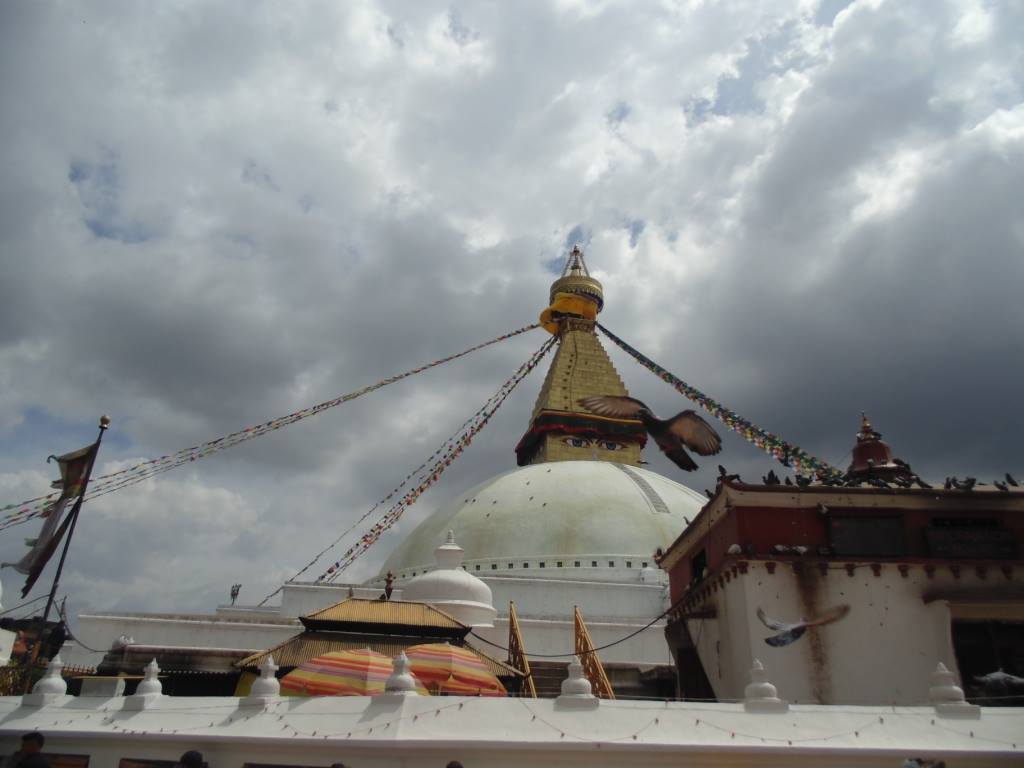
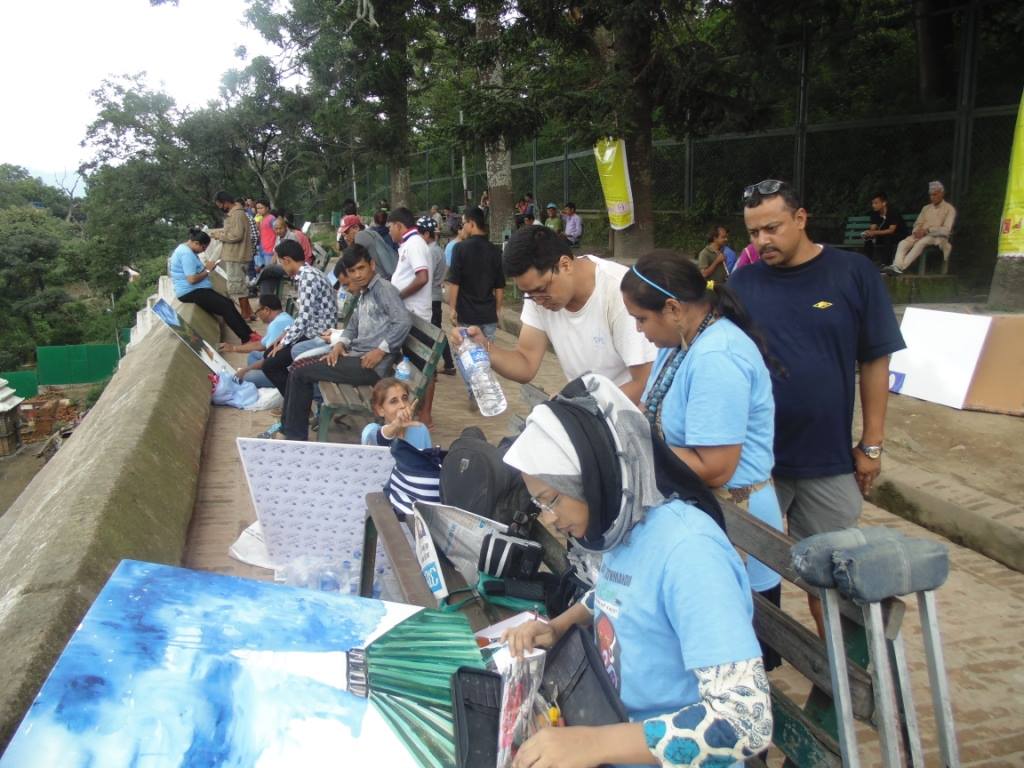
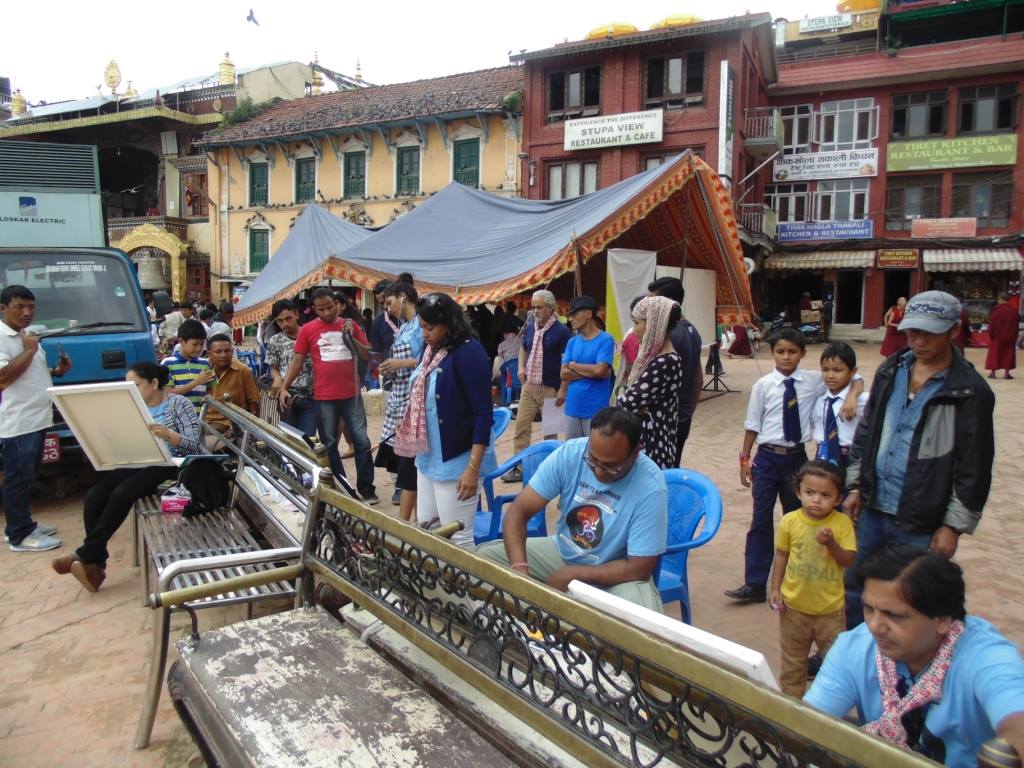
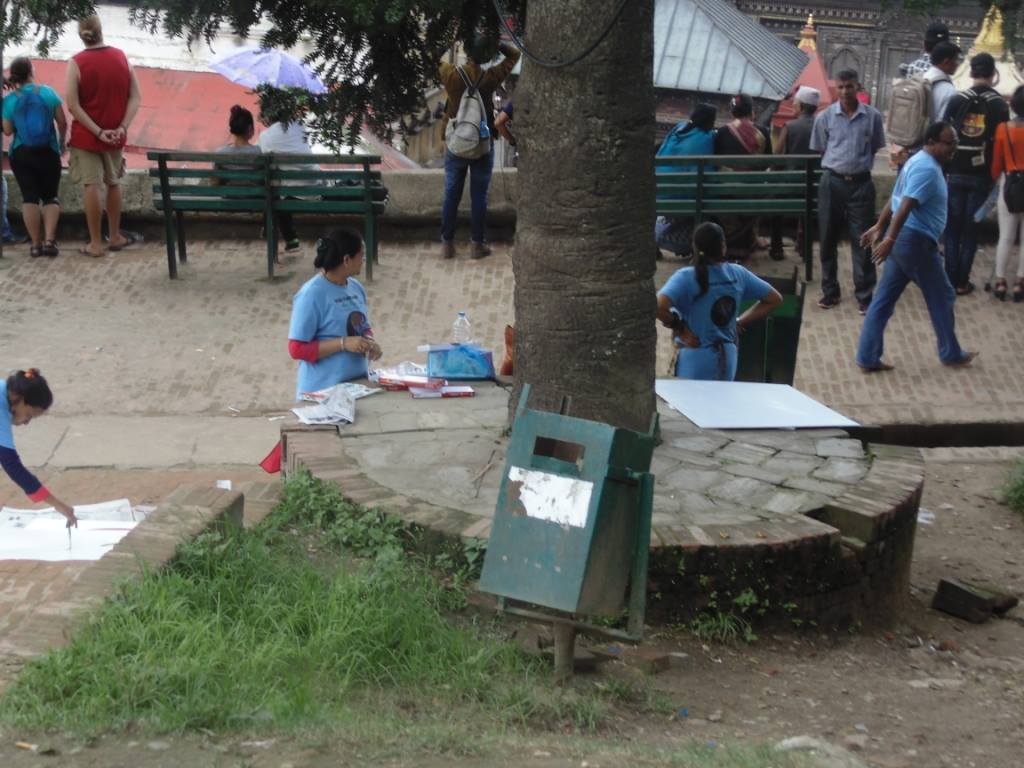
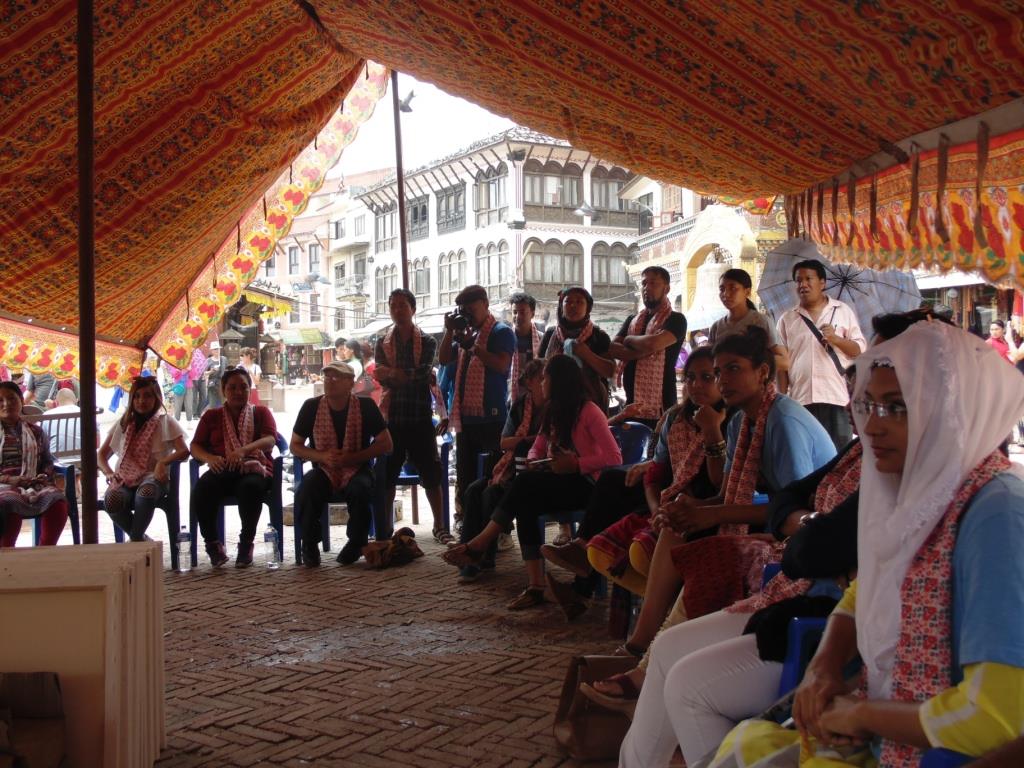
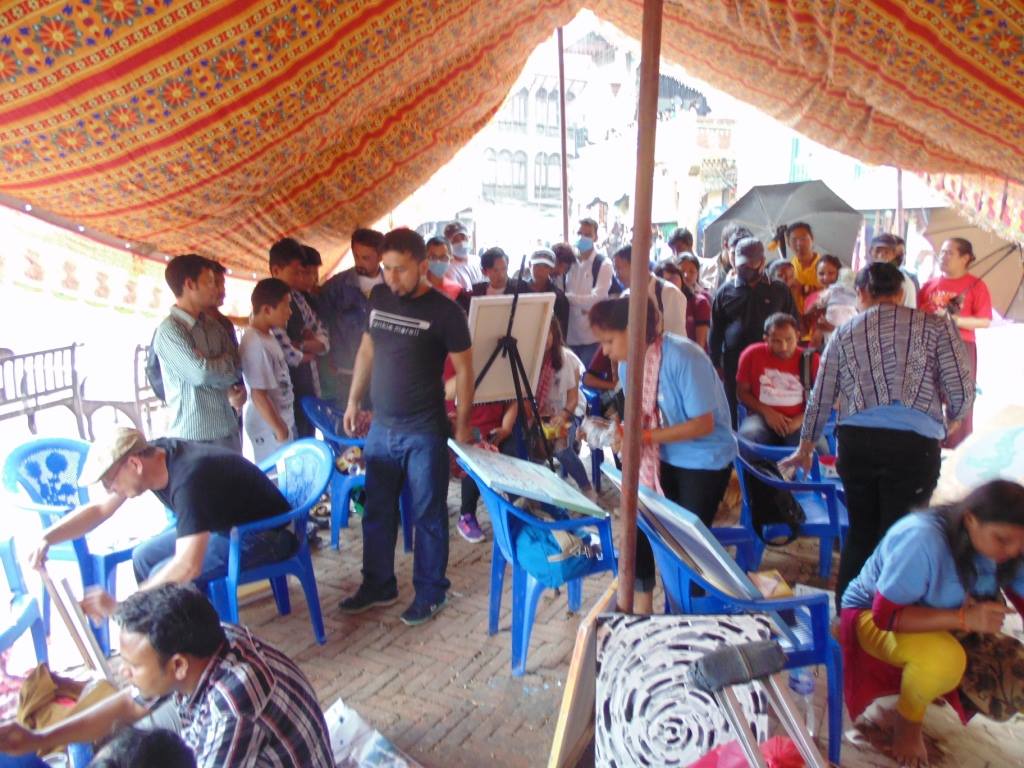
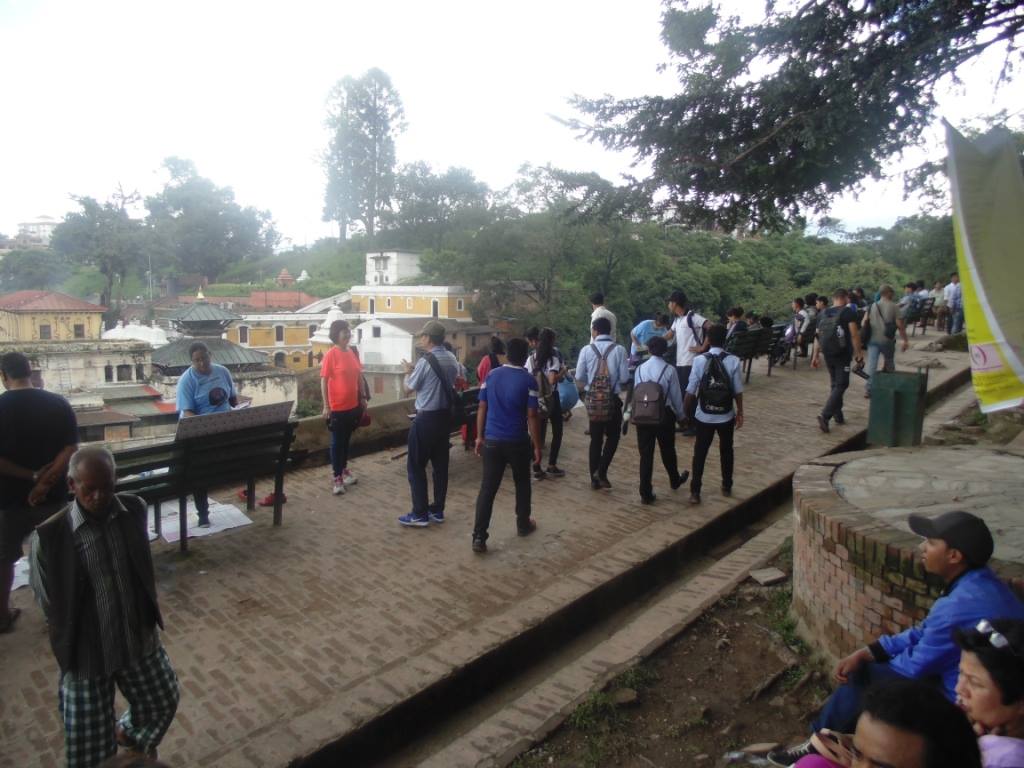
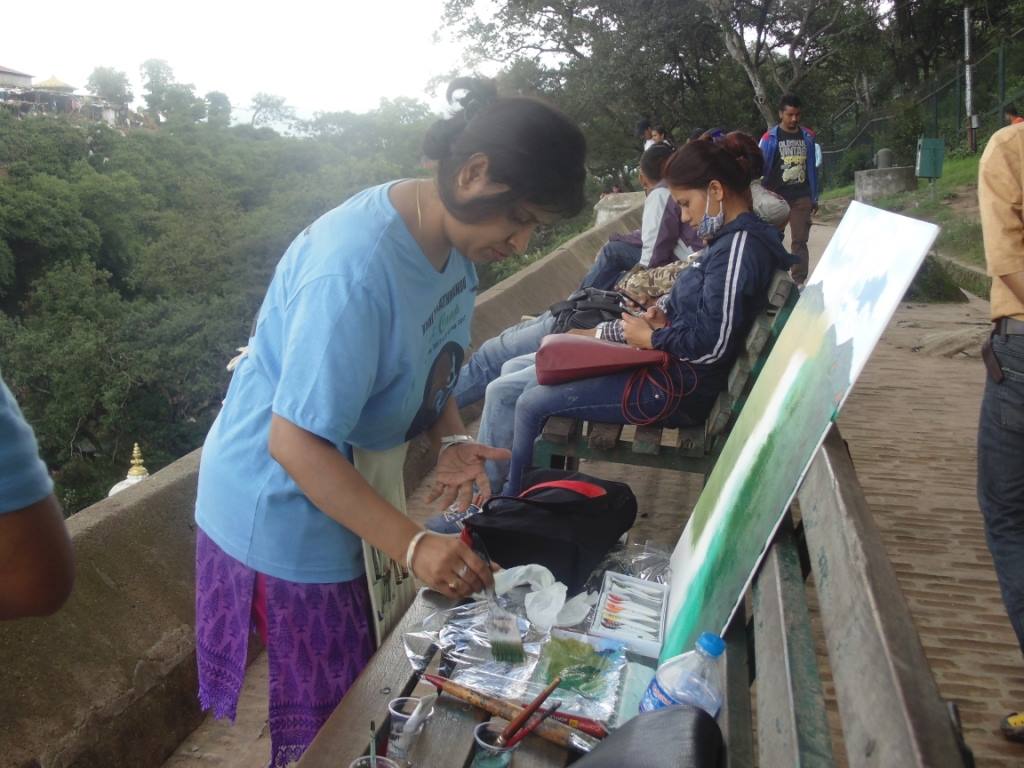
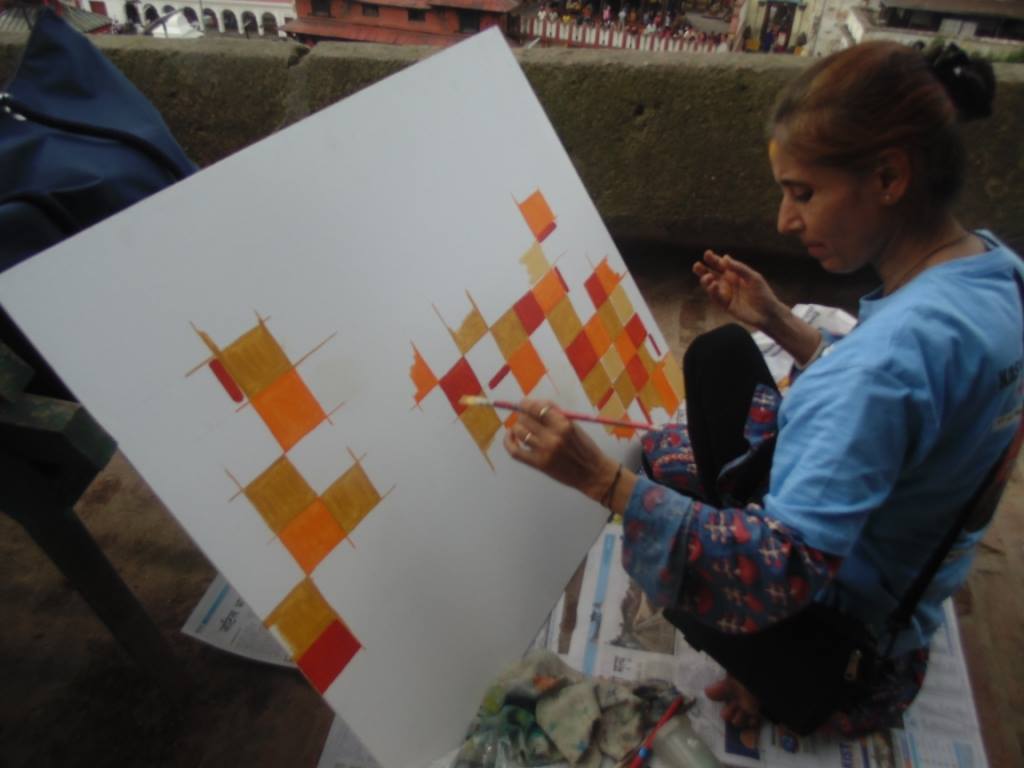
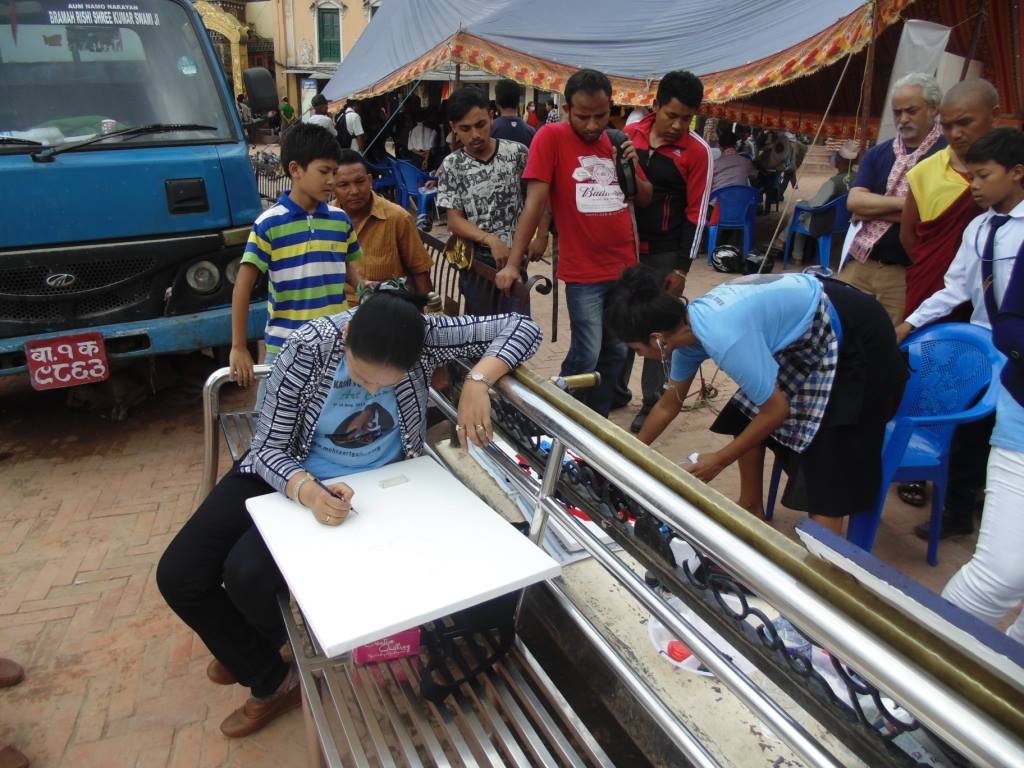
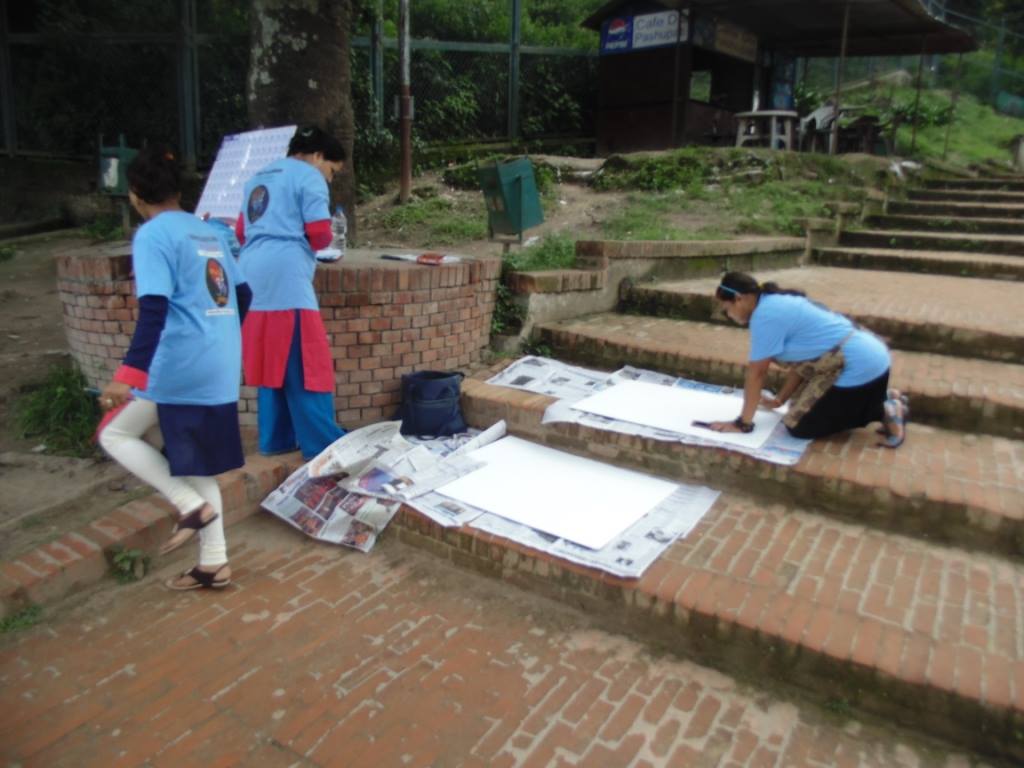
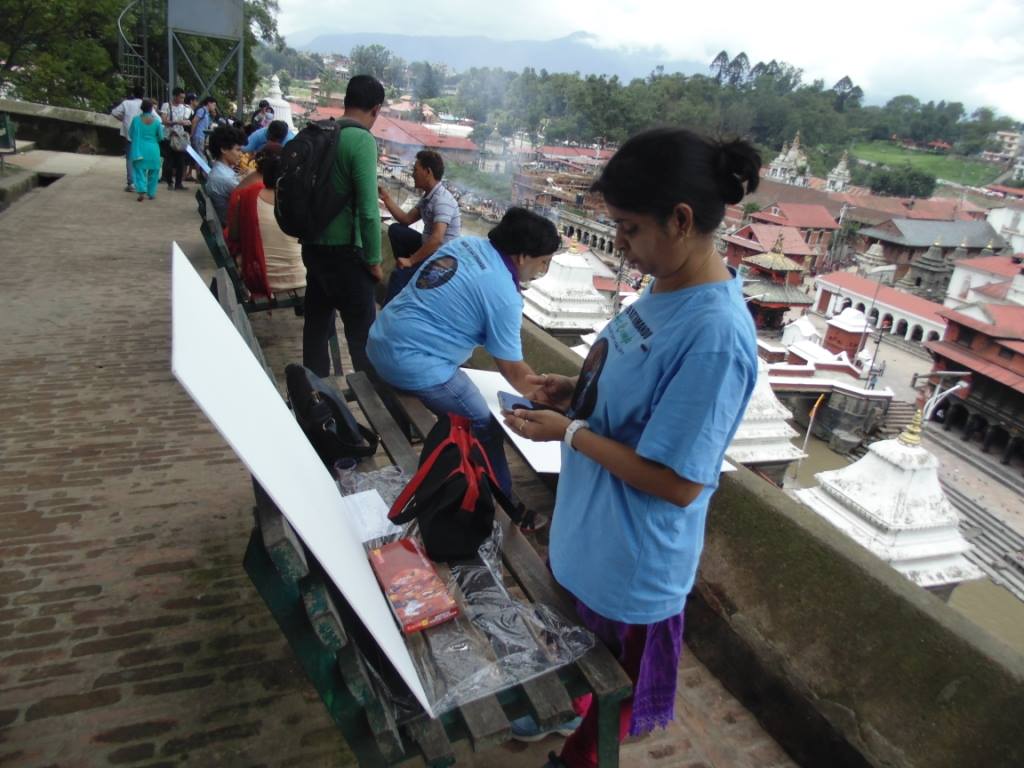
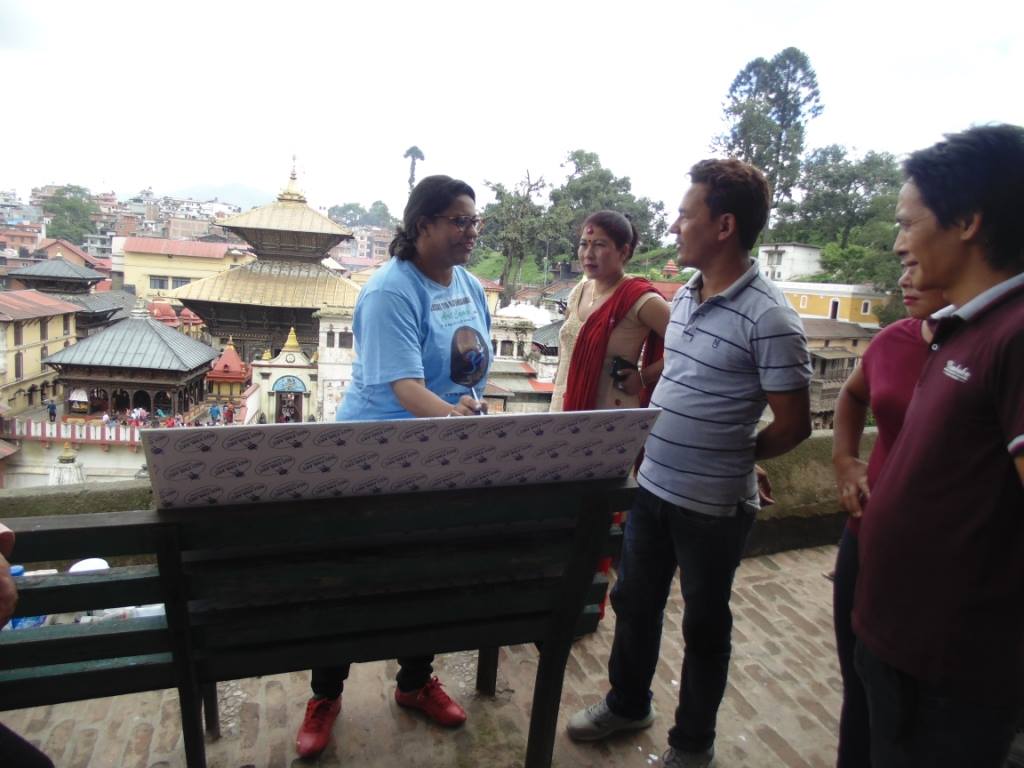
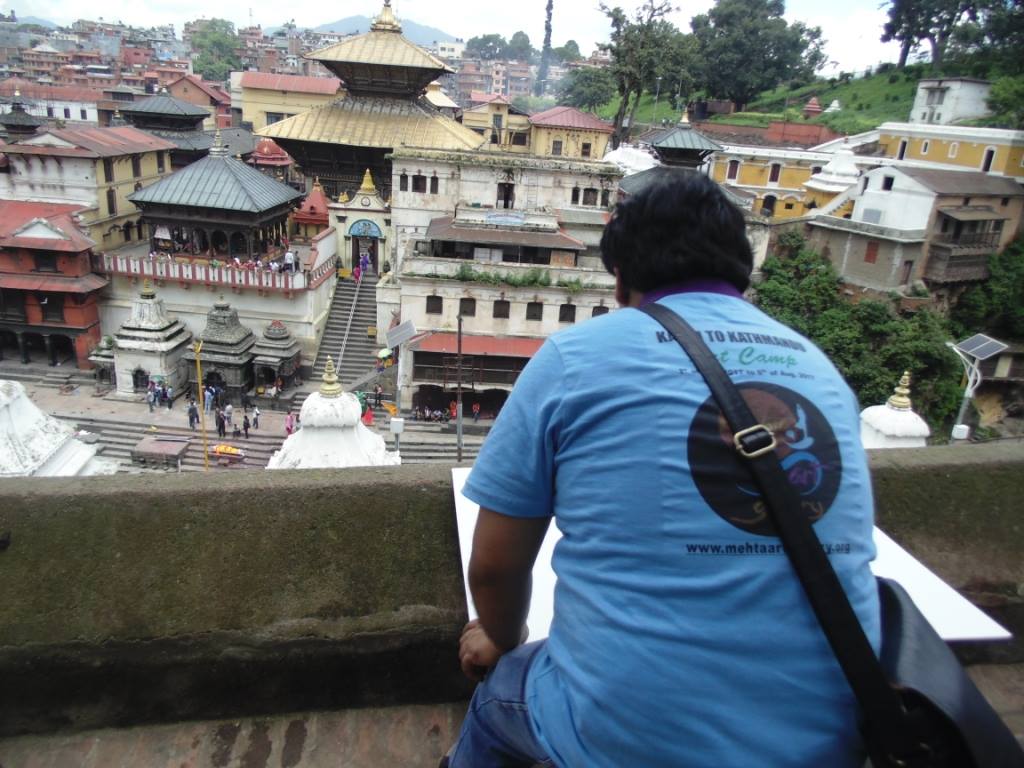
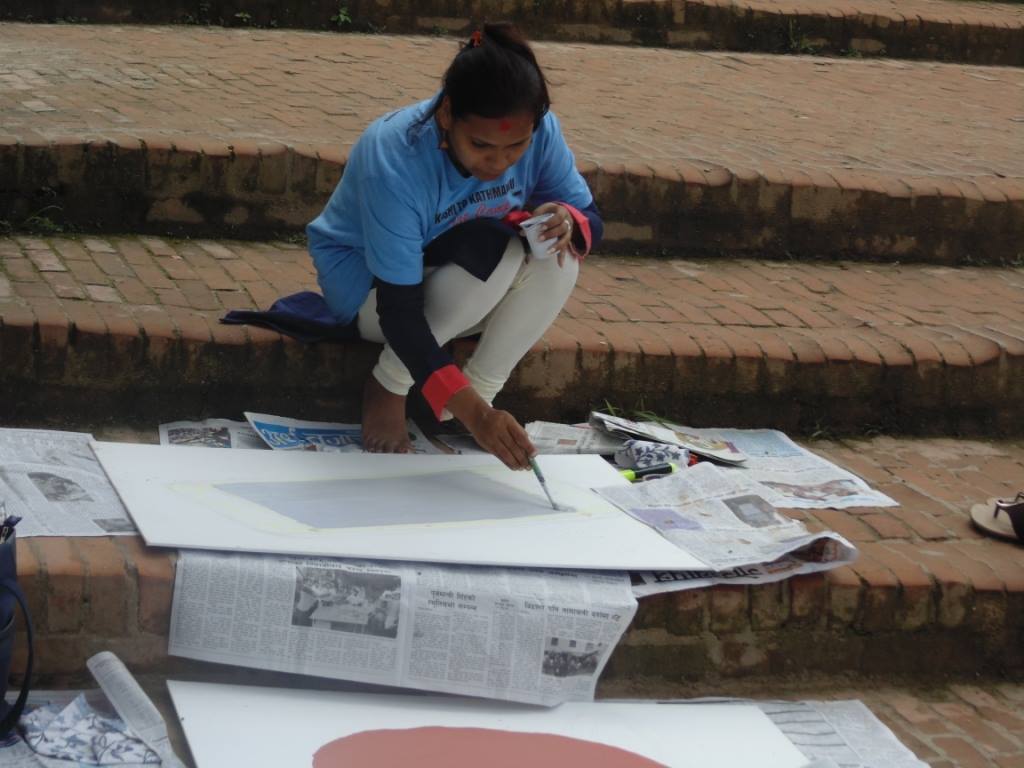
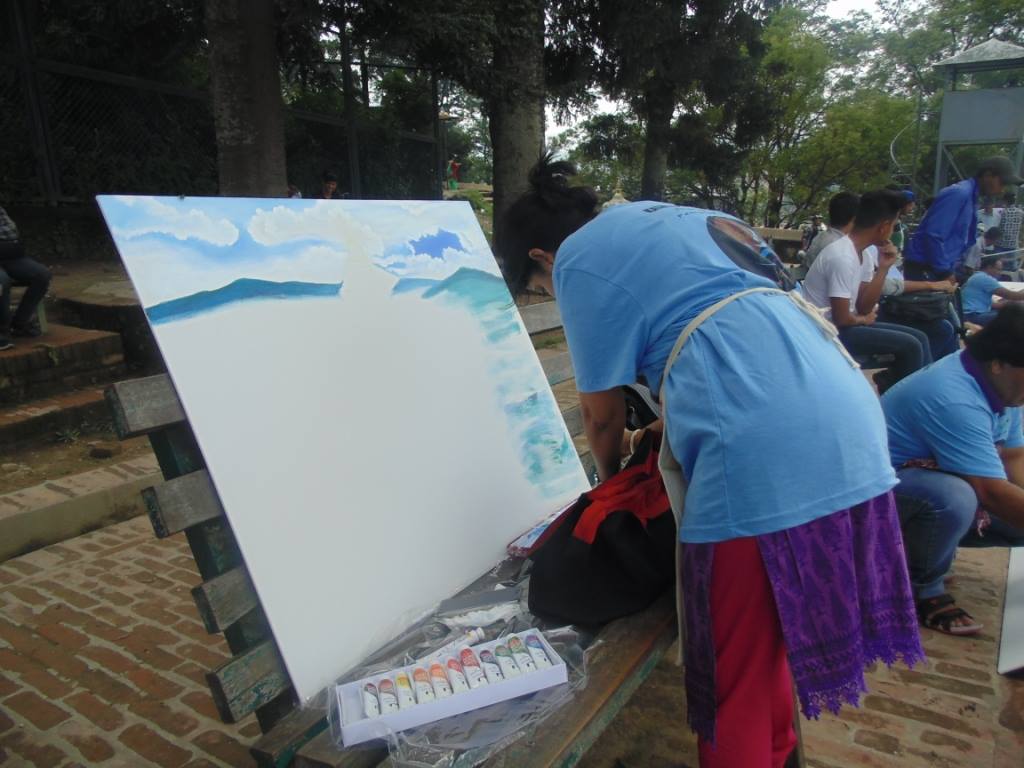
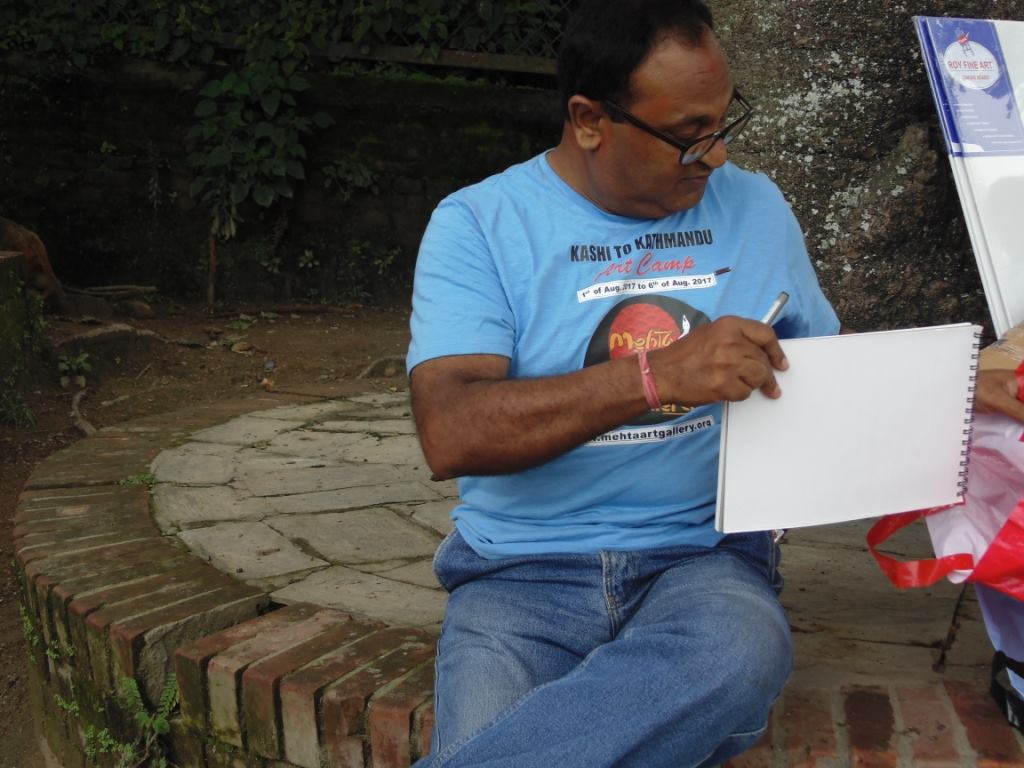
The camp unfolded across some of Kathmandu’s most iconic and sacred spaces — Boudhanath Stupa, Pashupatinath Temple, renowned schools, local galleries, and community centers — turning each location into a vibrant canvas of art, culture, and human bonding. What began as a simple exchange of artistic practices grew into a larger movement of friendship and mutual respect, resonating with the timeless bonds of Kashi and Kathmandu, two ancient cities connected by faith, history, and shared heritage.
The Spirit of Cultural Exchange
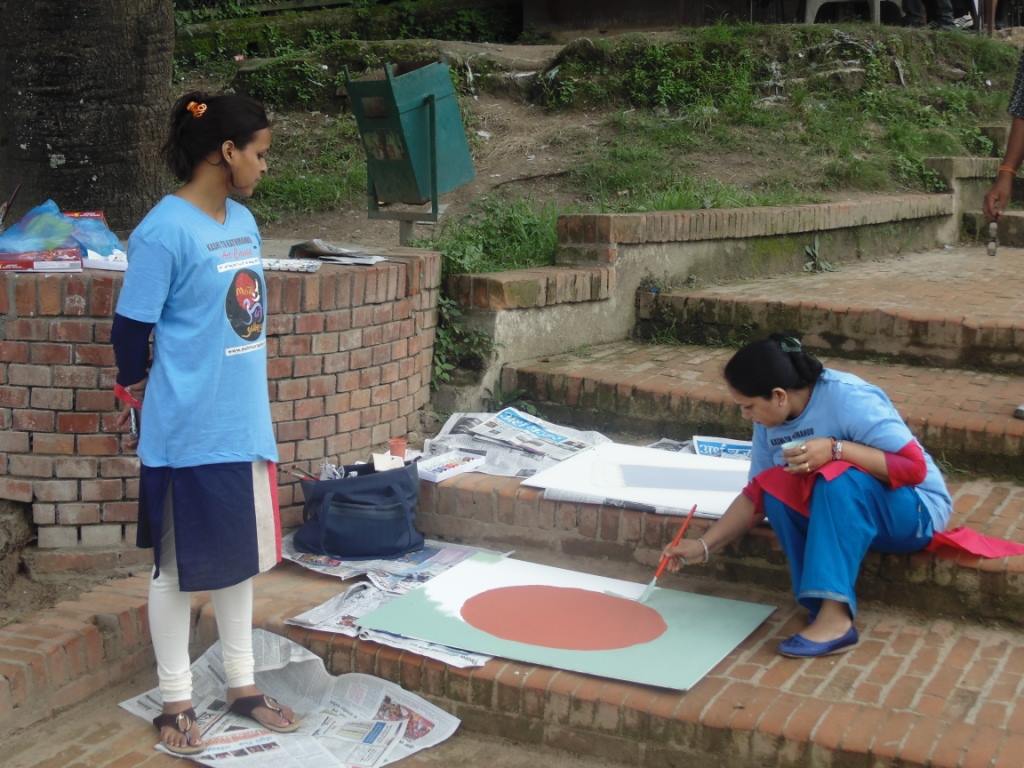
The primary aim of the camp was not only to exhibit art but also to experience it together. In every brushstroke and every dialogue, the event symbolized the unity of spirit between India and Nepal. Artists came with their own unique styles and backgrounds, yet in the camp, those differences blended seamlessly to create new expressions that transcended borders.
Art became a language, one without the limitations of dialects or scripts. It was a language of colors, textures, rhythms, and emotions that every participant and every observer could understand. Whether it was an Indian artist interpreting the serenity of the Himalayas or a Nepali artist capturing the sacred aura of the Ganga in Banaras, the works reflected a mutual admiration of each other’s culture.
The camp emphasized that art is not merely about personal expression. It is also about listening, observing, and embracing. Each participant brought their identity, but through the exchange, they discovered a shared soul, the same quest for peace, harmony, and creativity.
Venues as Living Canvases
One of the defining features of the camp was its choice of venues. Each site was more than a backdrop; it was an active participant in the experience.
Boudhanath Stupa
As one of the largest and most sacred Buddhist stupas in the world, Boudhanath provided an atmosphere of spiritual silence. Here, artists painted with prayer flags fluttering above, while the rhythmic chants of monks filled the air. For many, it was more than an art session; it was meditation with brush and canvas.
Pashupatinath Temple

At this revered Hindu site, artists absorbed the energy of devotion and tradition. Their works reflected the sacredness of rituals, the faith of the pilgrims, and the eternal flow of life and death that Pashupatinath embodies. It became a bridge for Indian artists, many of whom felt a deep connection with the temple’s similarities to Kashi’s own ghats and shrines.
Local Galleries and Schools
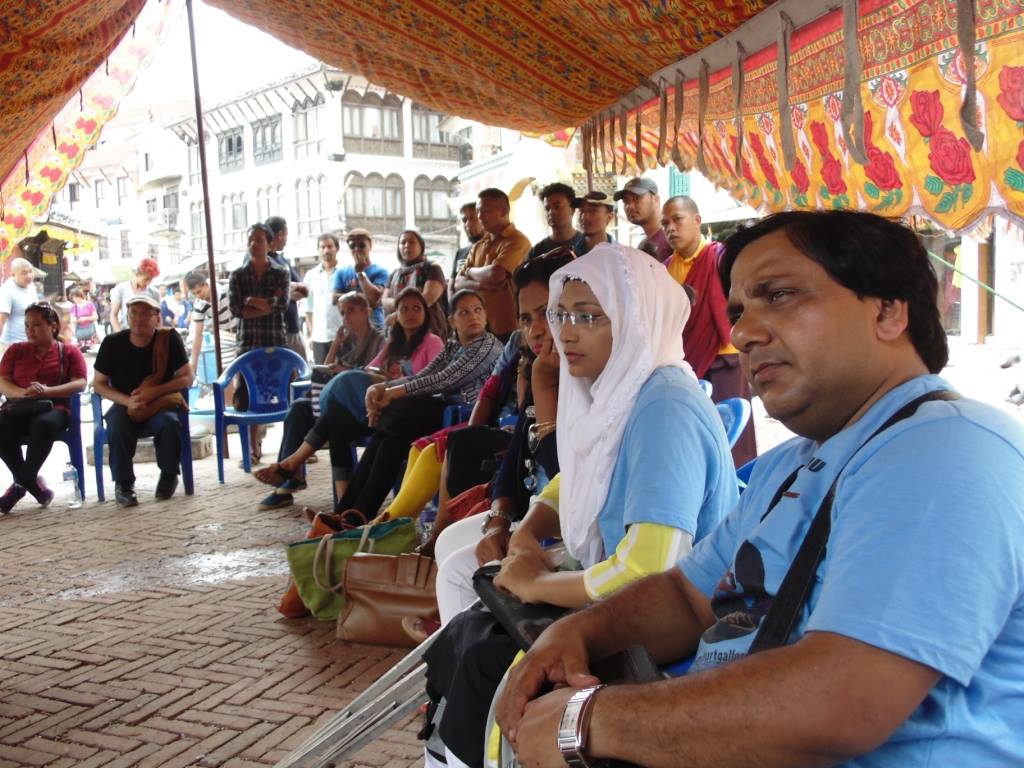
By involving schools and local art galleries, the camp ensured that the exchange was not limited to professional artists. Young students interacted with established creators, learning not just techniques but also the philosophy of art. Local galleries provided a platform for exhibitions, allowing the community to witness the collective creations born from this unique collaboration.
Community Spaces
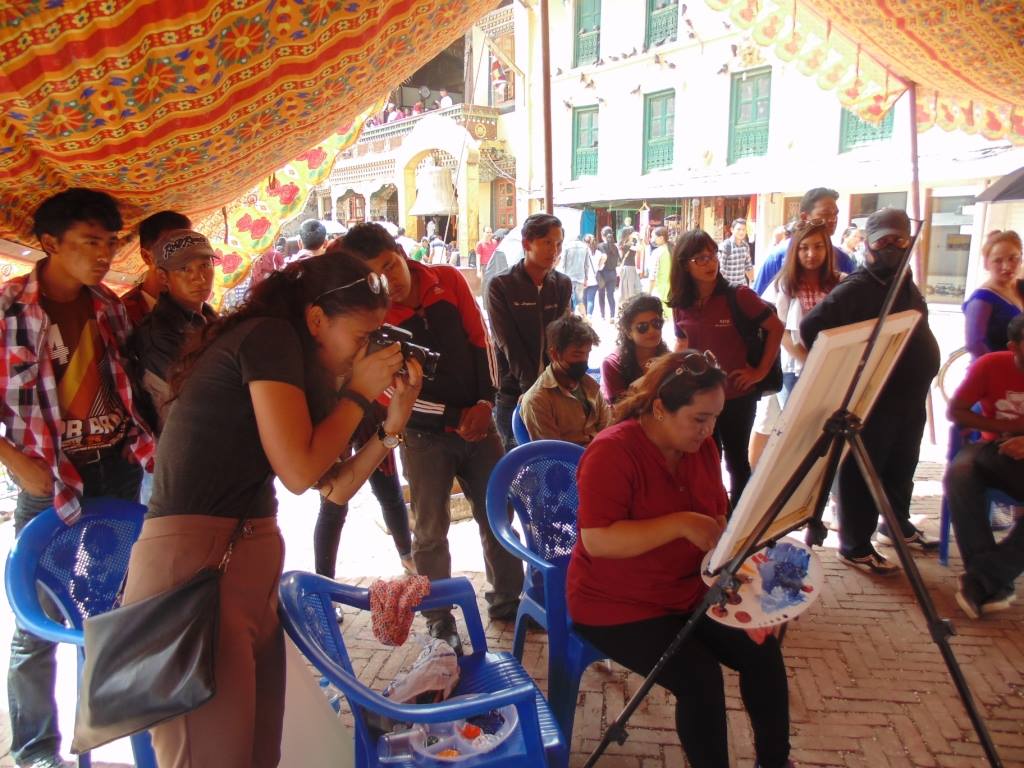
Art workshops were held in neighborhoods, inviting residents to participate. This approach broke the barrier between artist and audience. It gave ordinary people a chance to not only watch but also engage with the creative process, strengthening the bond between culture and community.
Unity in Diversity: Artists’ Experiences
The camp welcomed a diverse group of artists, painters, sculptors, muralists, and cultural thinkers. Each participant carried the cultural essence of their homeland, but in Kathmandu, they found reflections of themselves in the works and thoughts of others.
Indian artists discovered Nepal’s unique interpretations of shared myths, while Nepali artists found inspiration in the Indian perspectives on spirituality and tradition. Conversations often extended late into the evening, filled with stories of shared festivals, similar rituals, and common struggles of being an artist in society.
For many participants, this was more than an art residency. It was a personal journey into discovering one’s own identity through the mirror of another culture. Artists spoke of how the camp deepened their respect not only for their neighboring country but also for their own roots.
Art as a Bridge Between Nations
Diplomatic dialogues often take place in official halls, but this camp showed that art can be an equally powerful form of diplomacy. The Embassy of Nepal in India and the Lumbini World Peace Forum’s involvement highlighted the importance of cultural initiatives in strengthening bilateral ties.
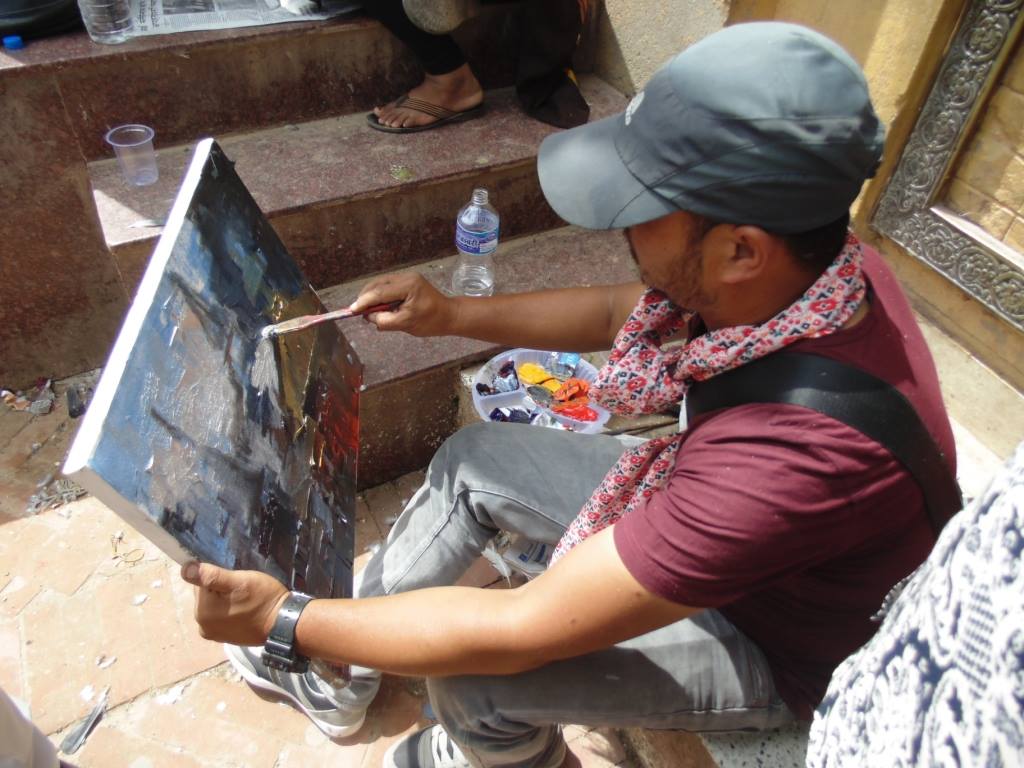
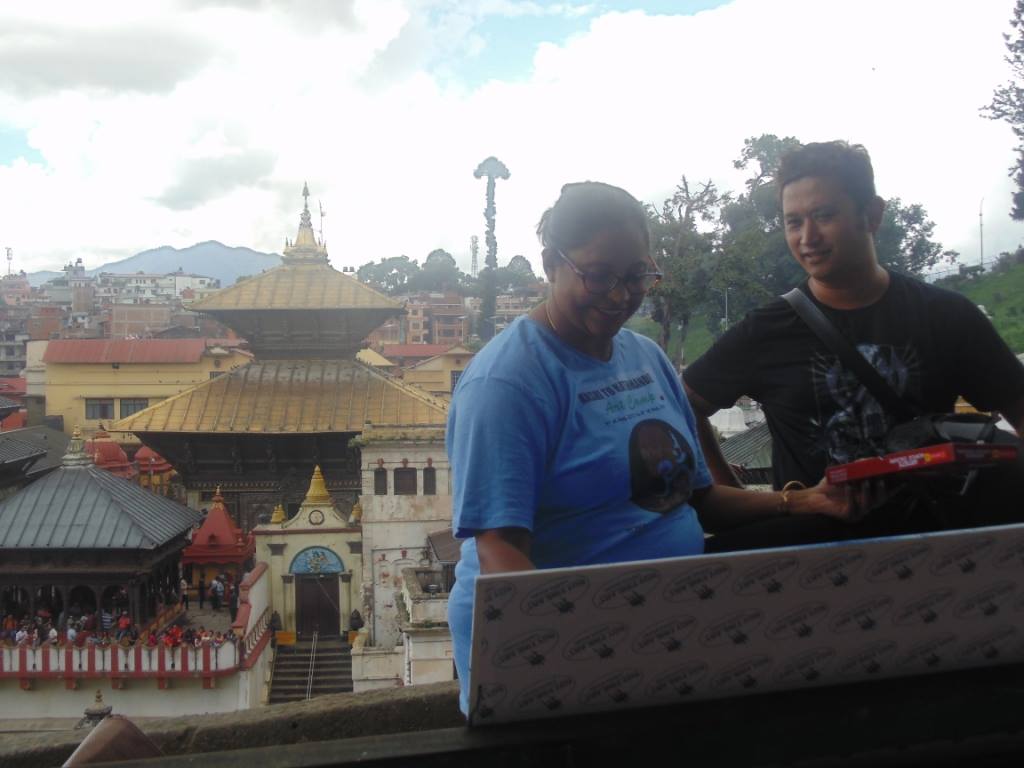
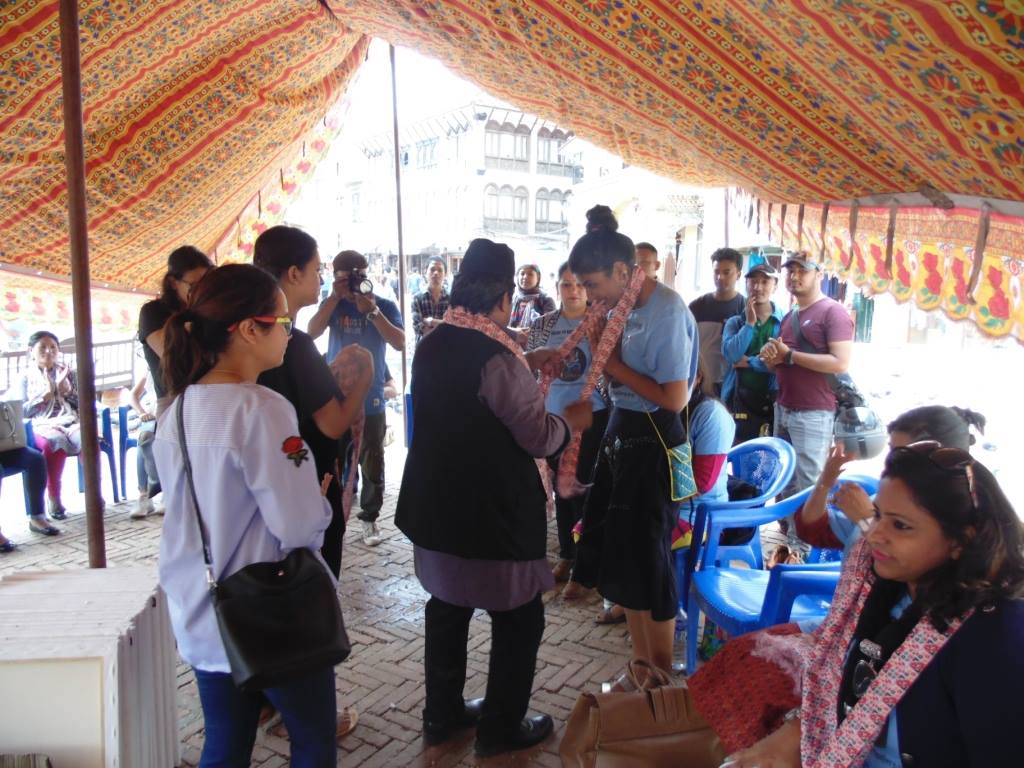
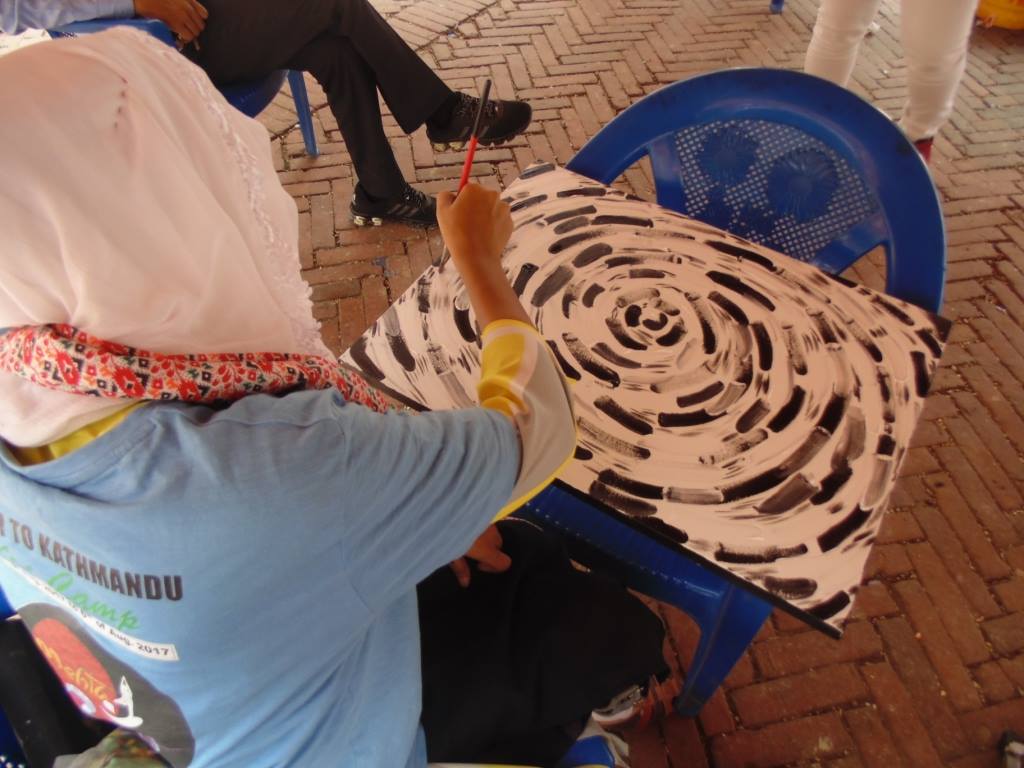
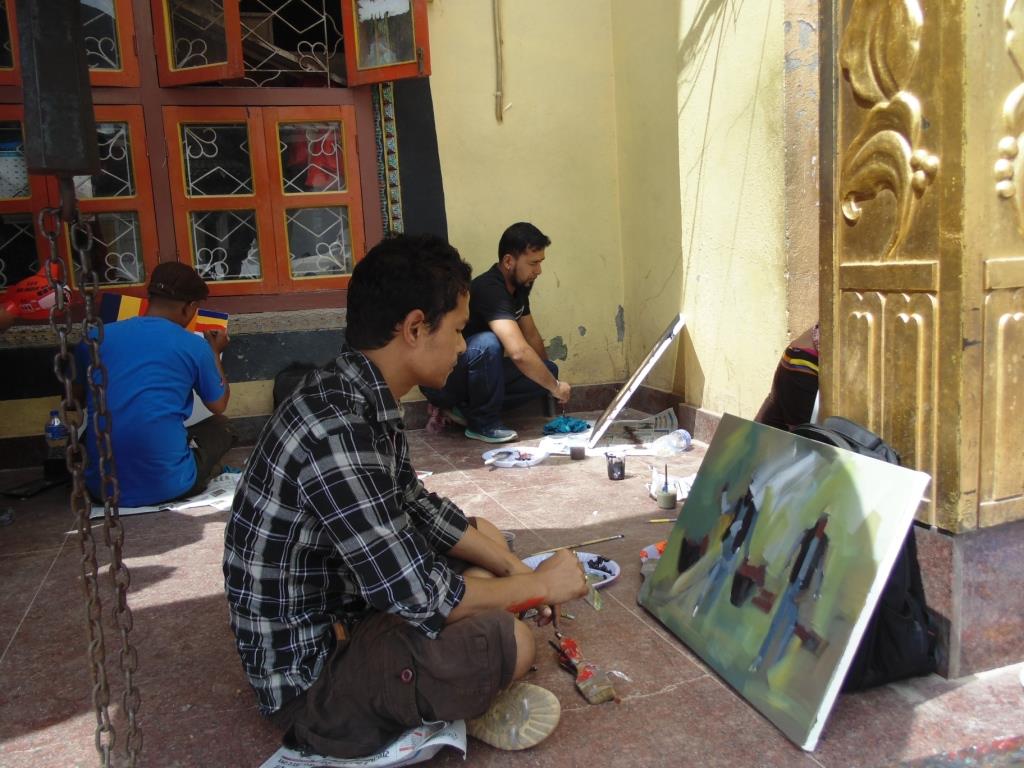
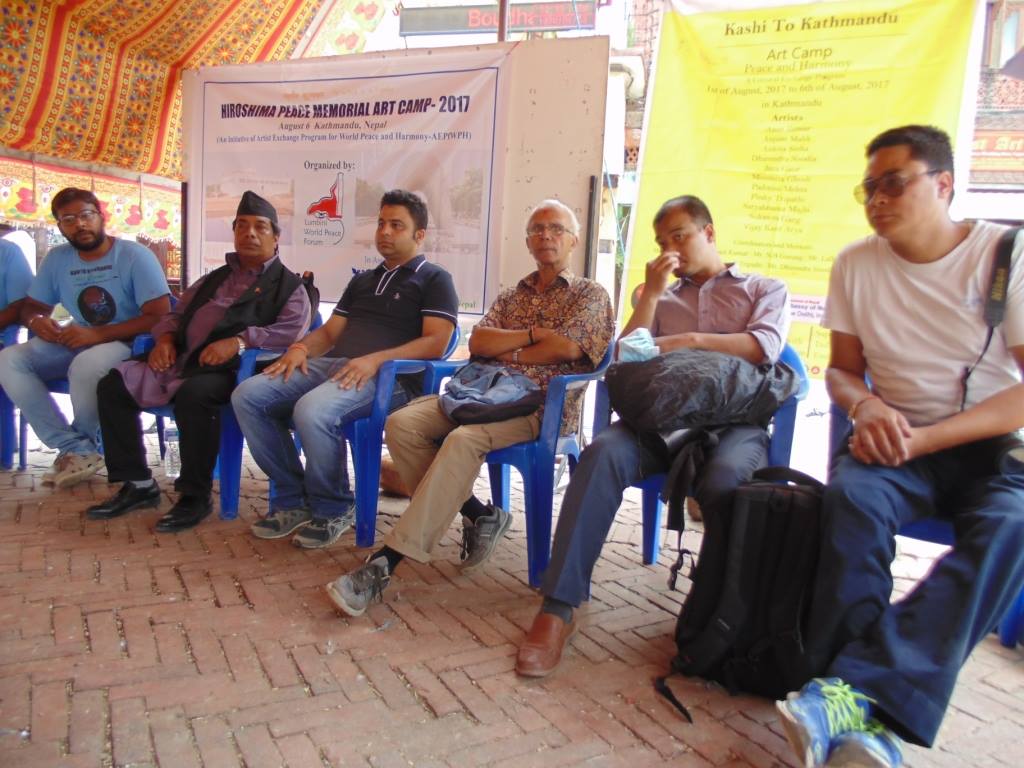
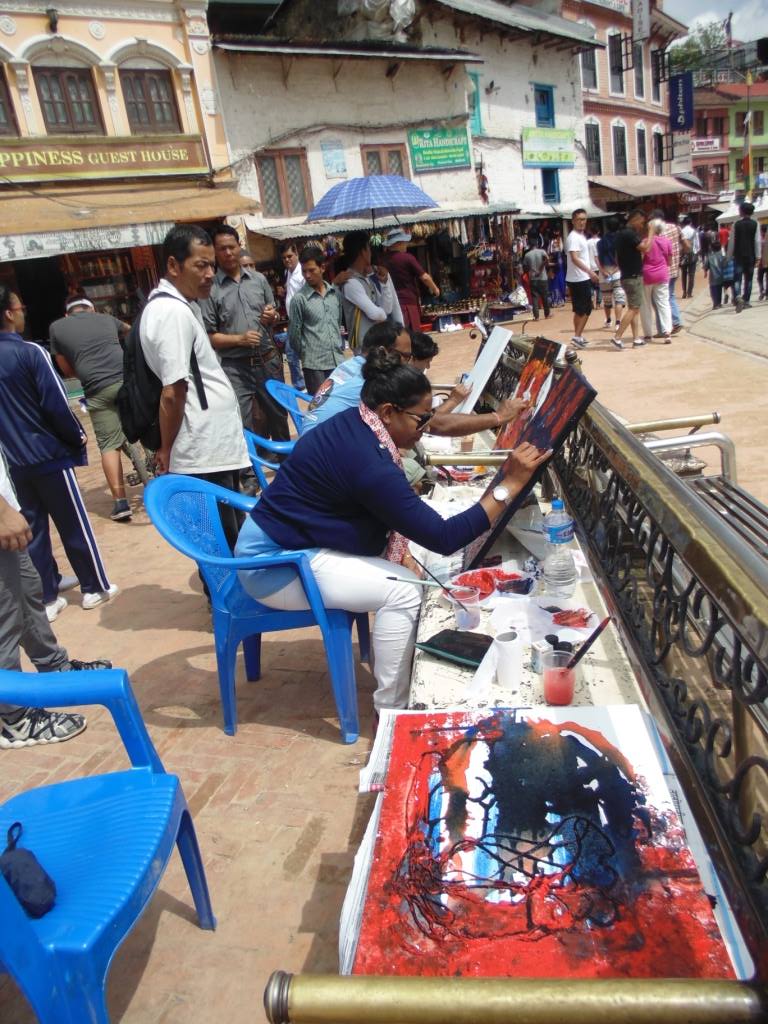
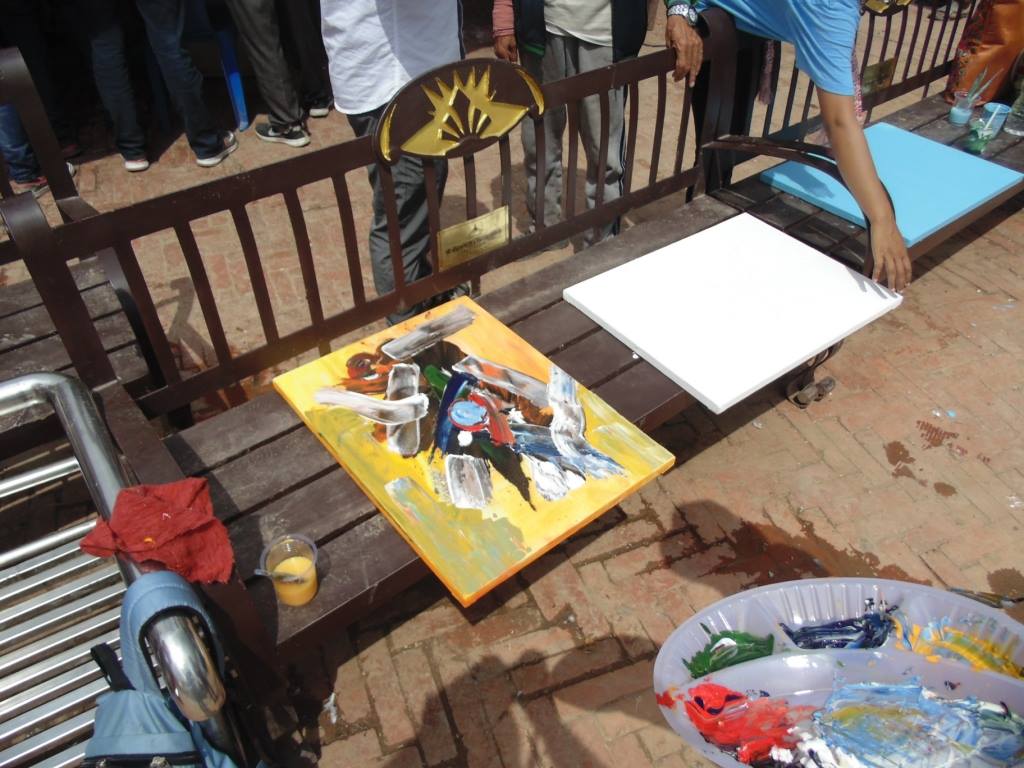

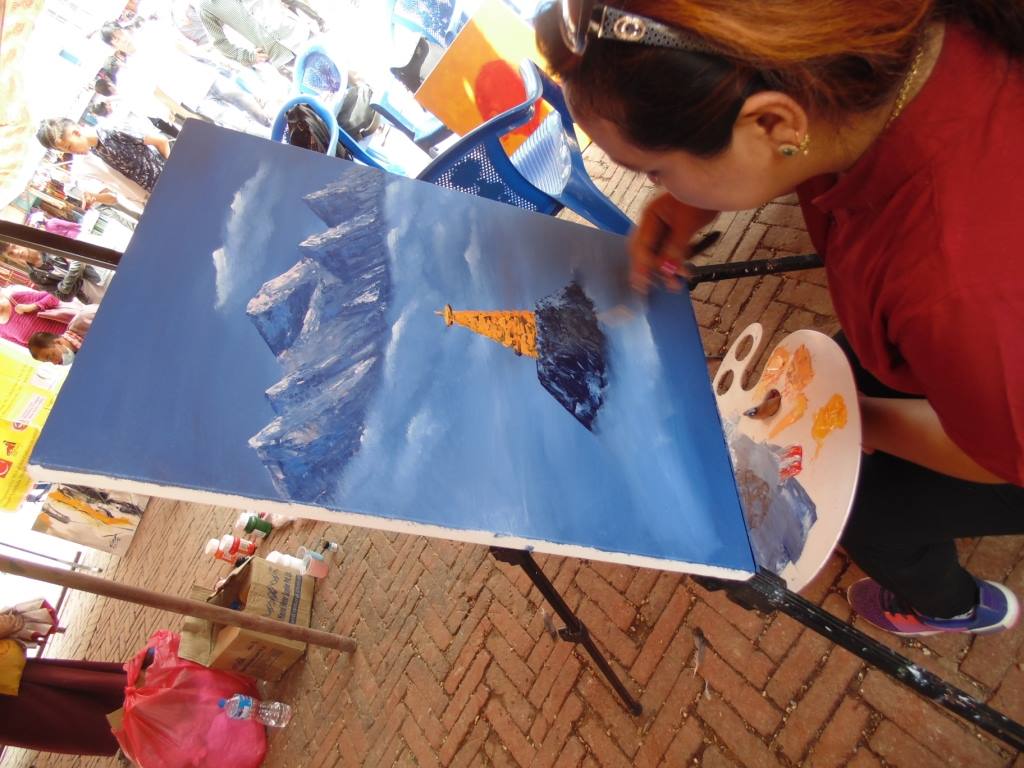
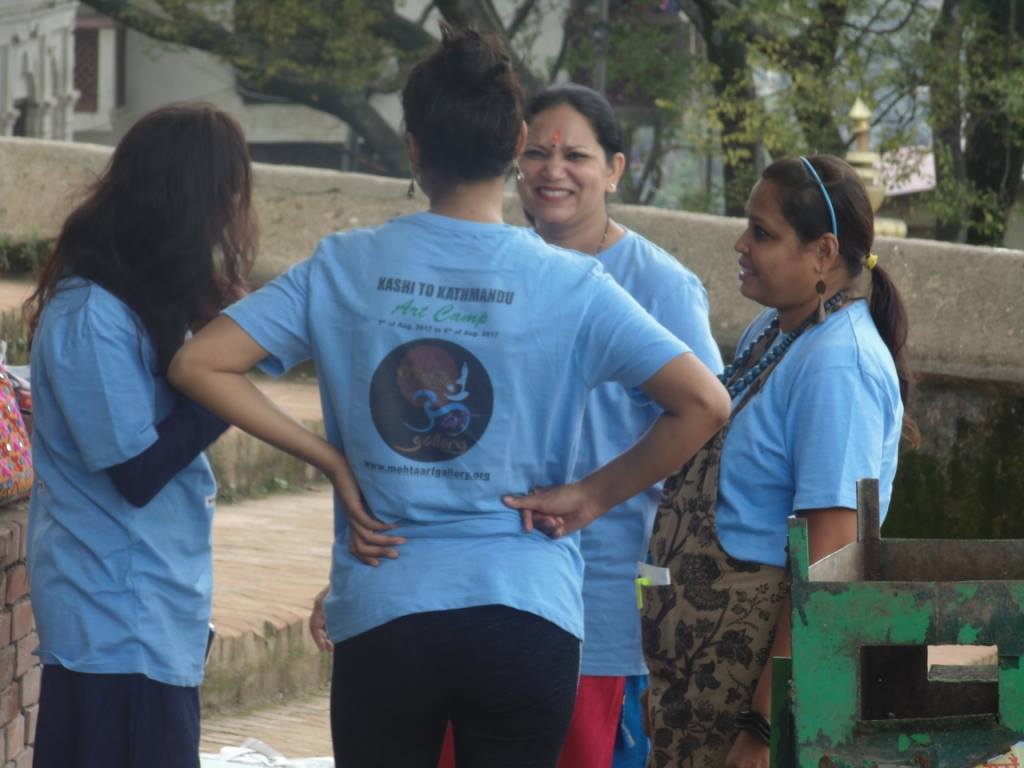
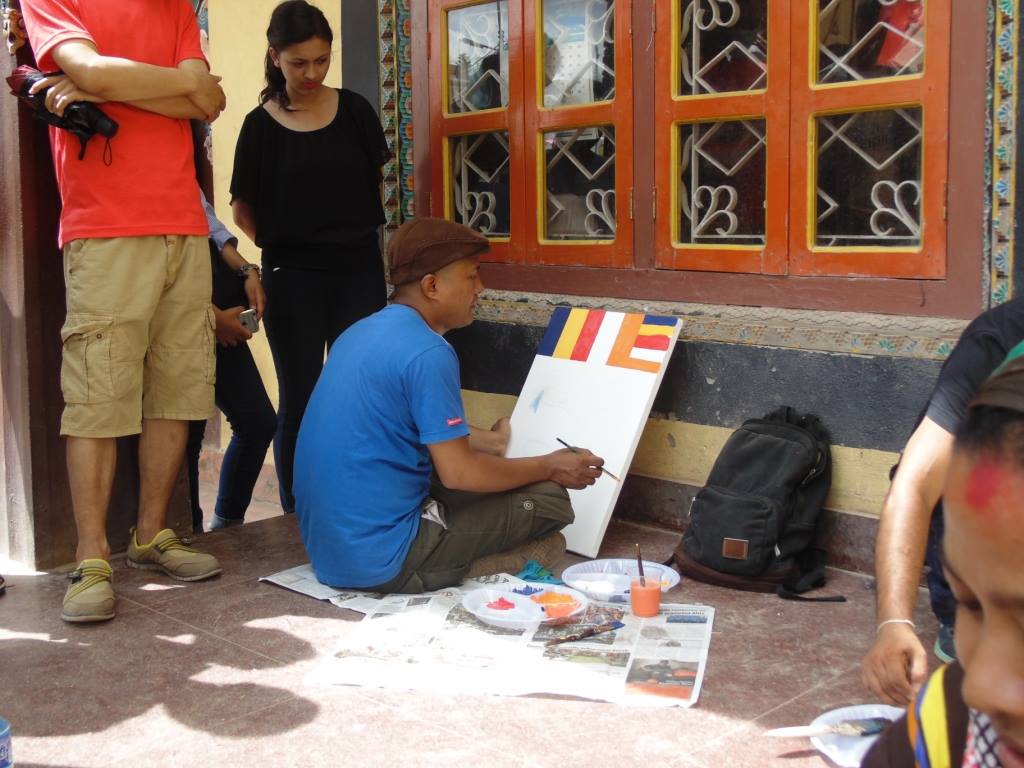
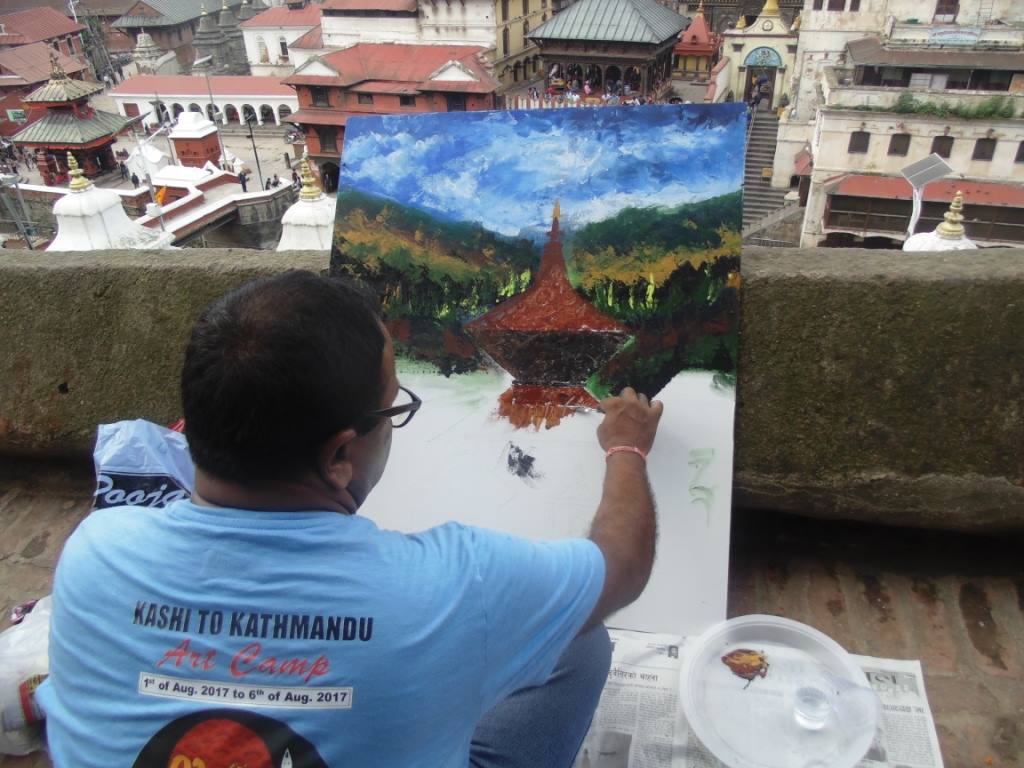
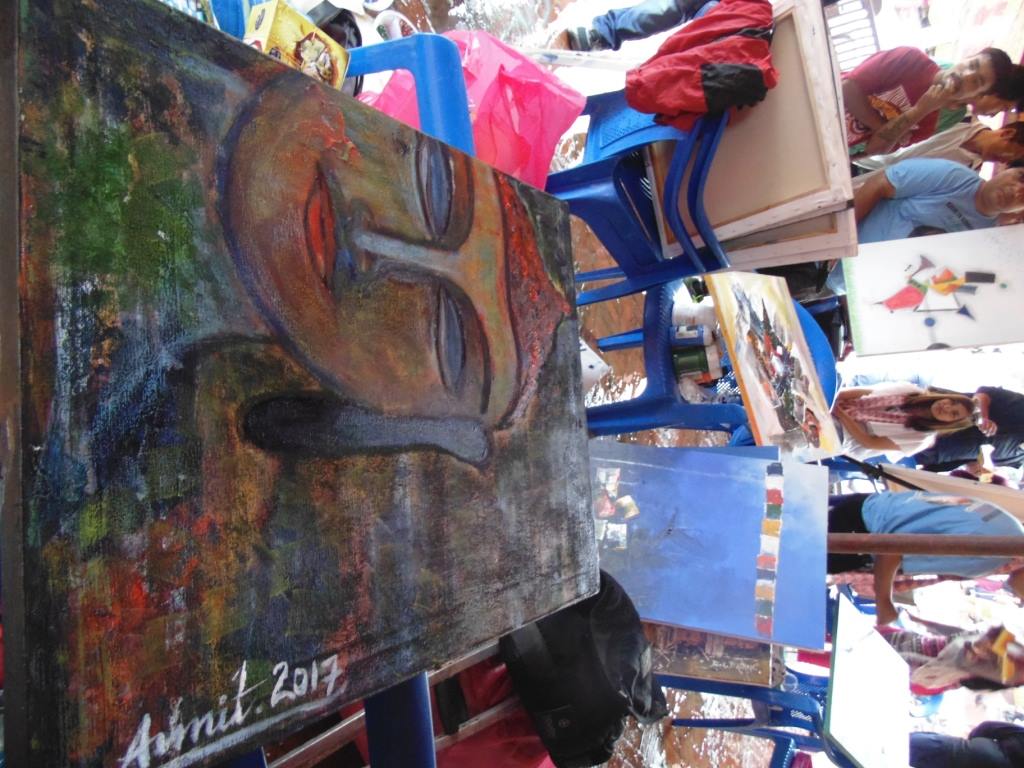
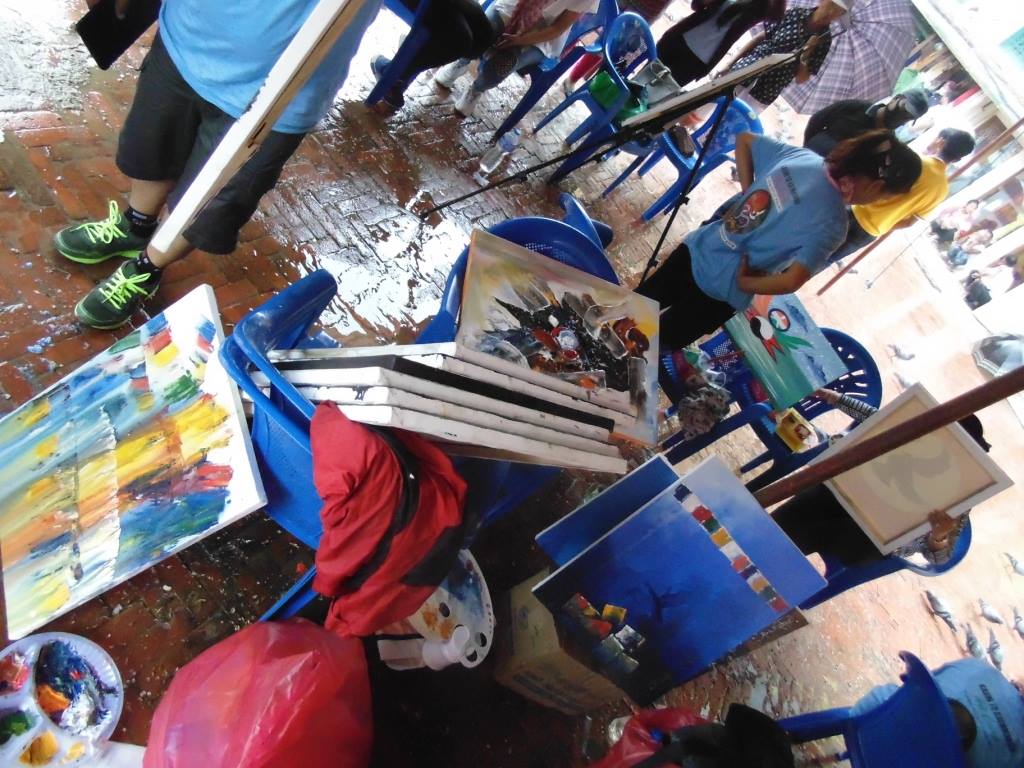
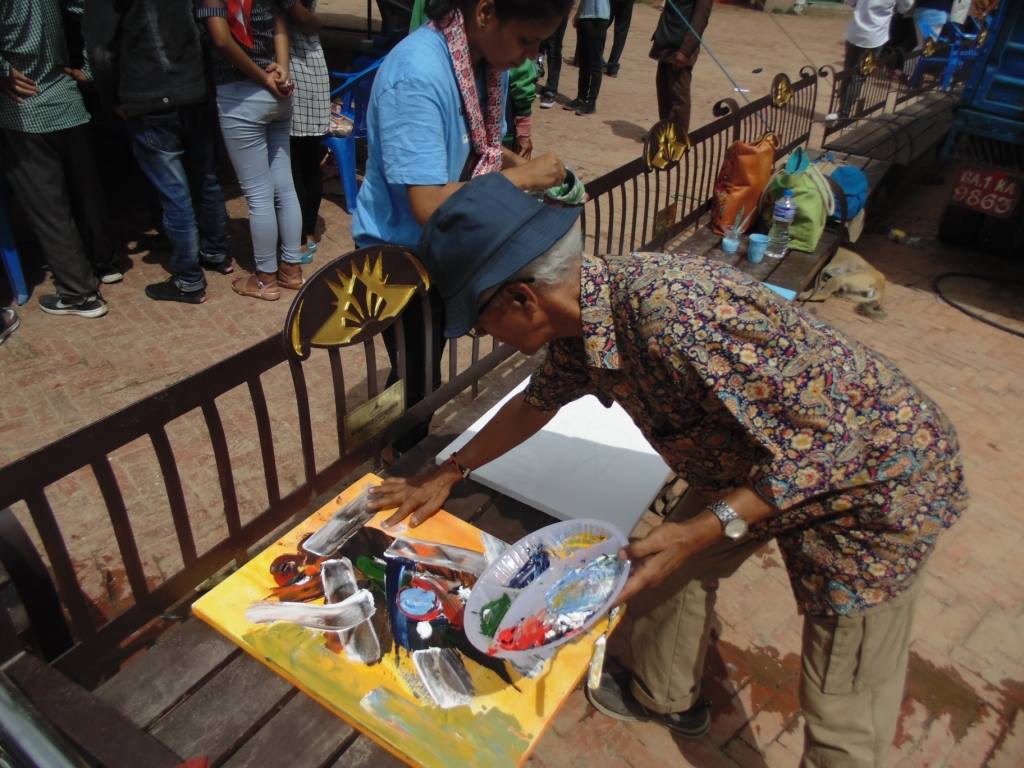
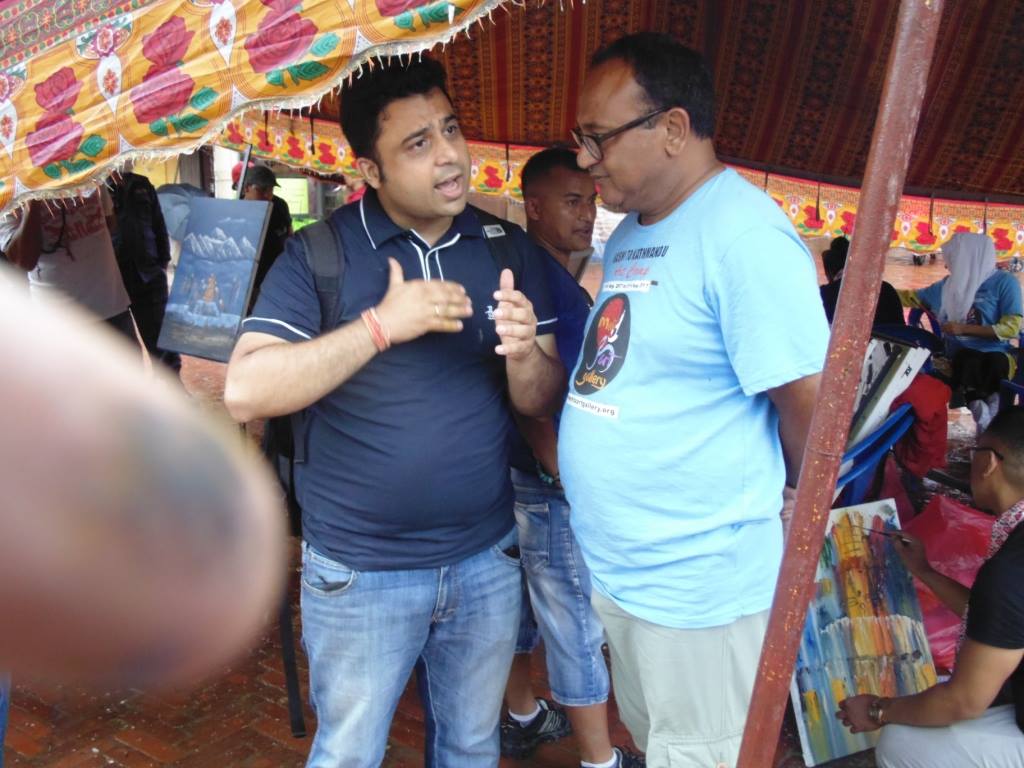
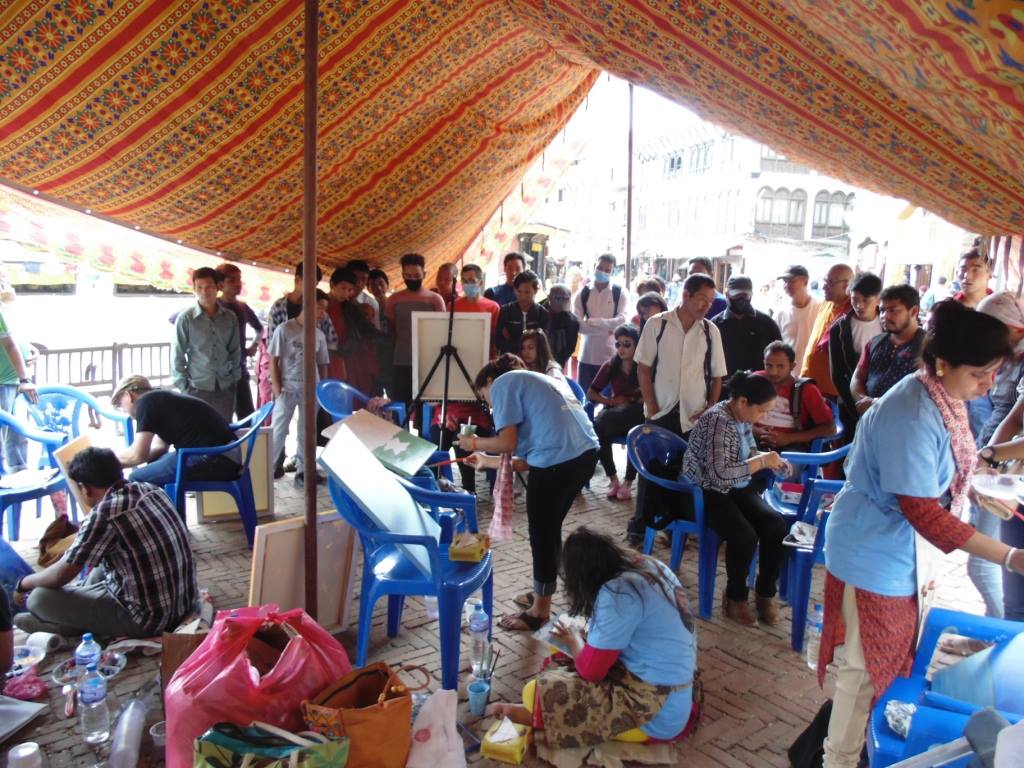
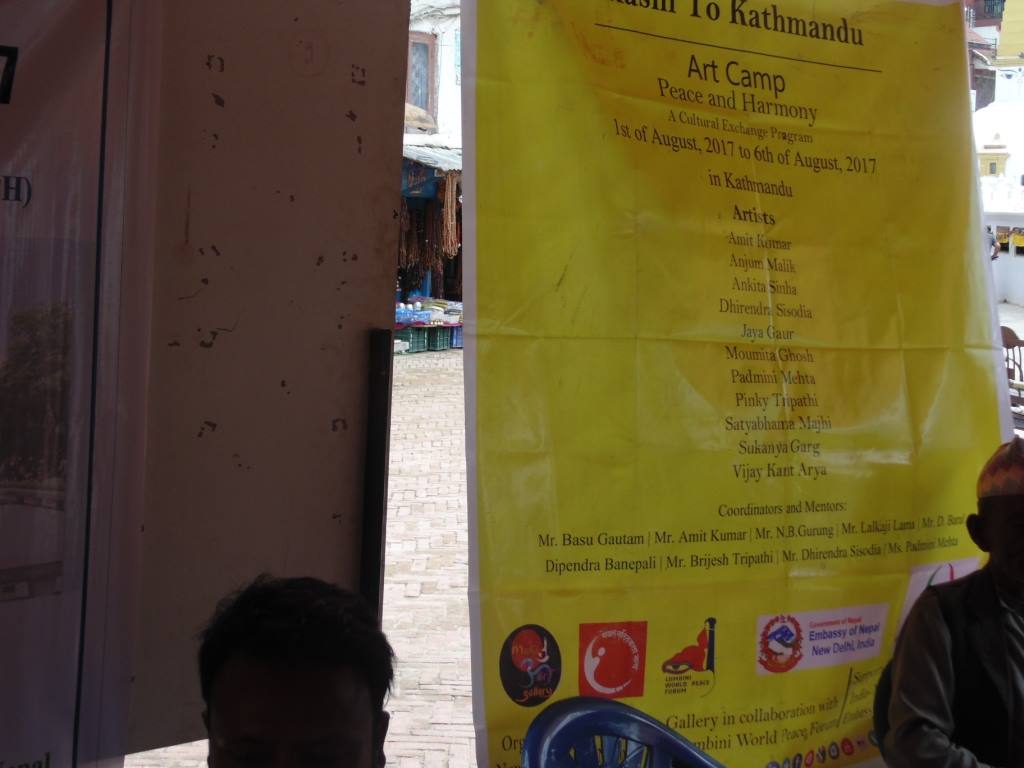
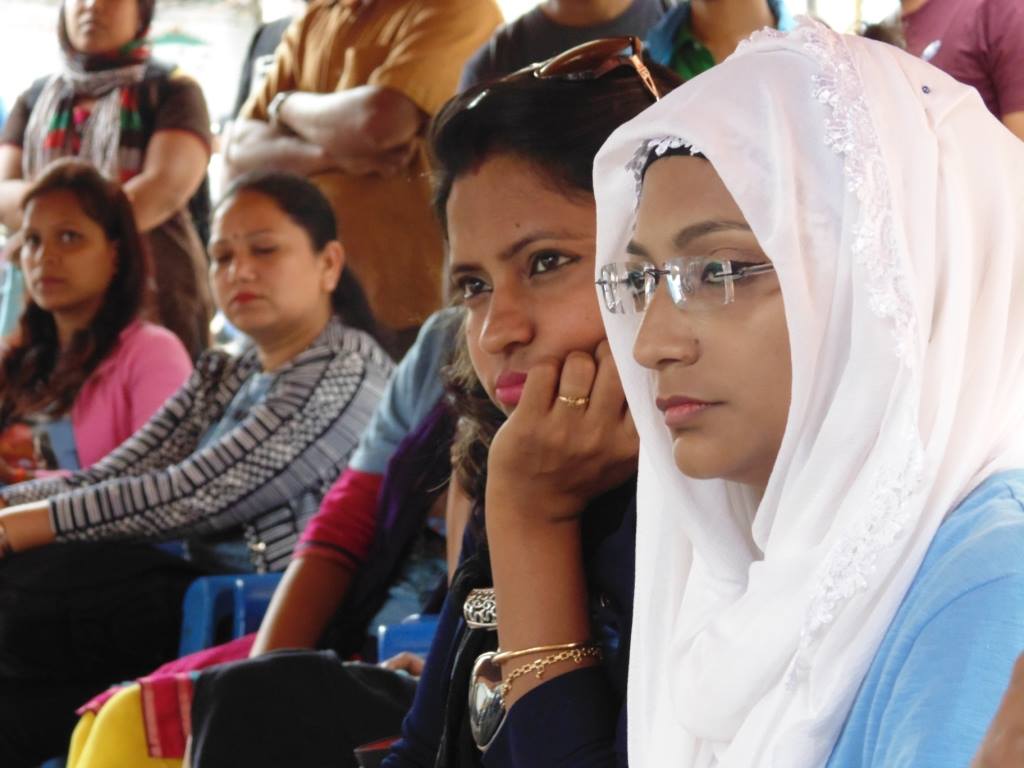
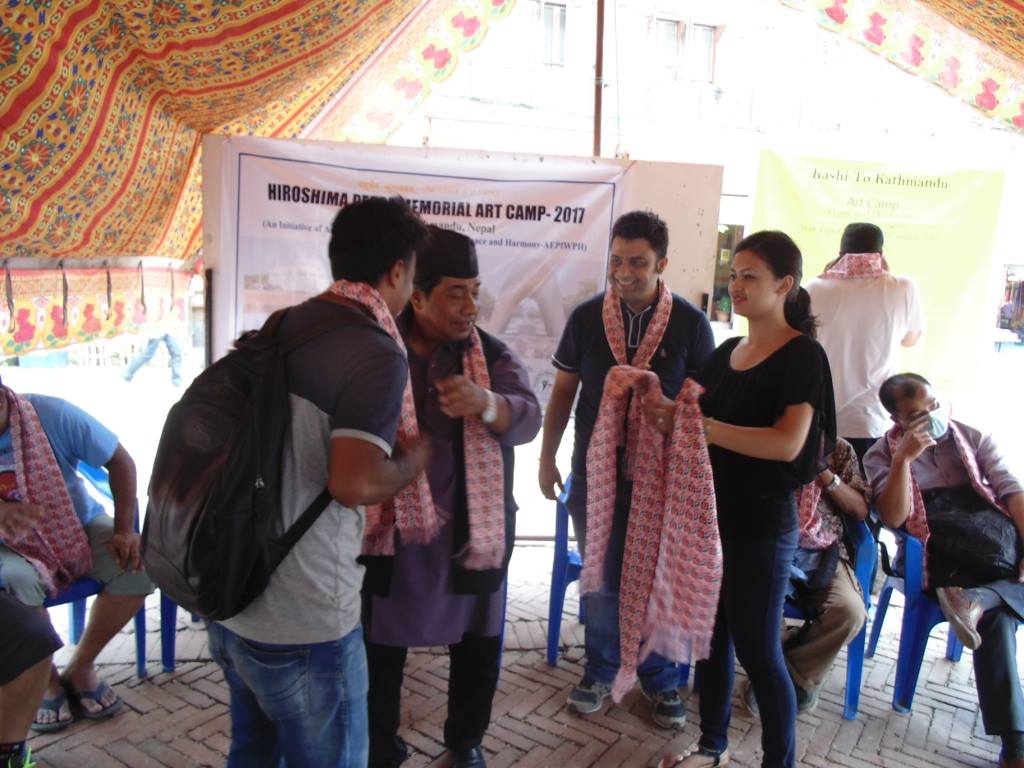
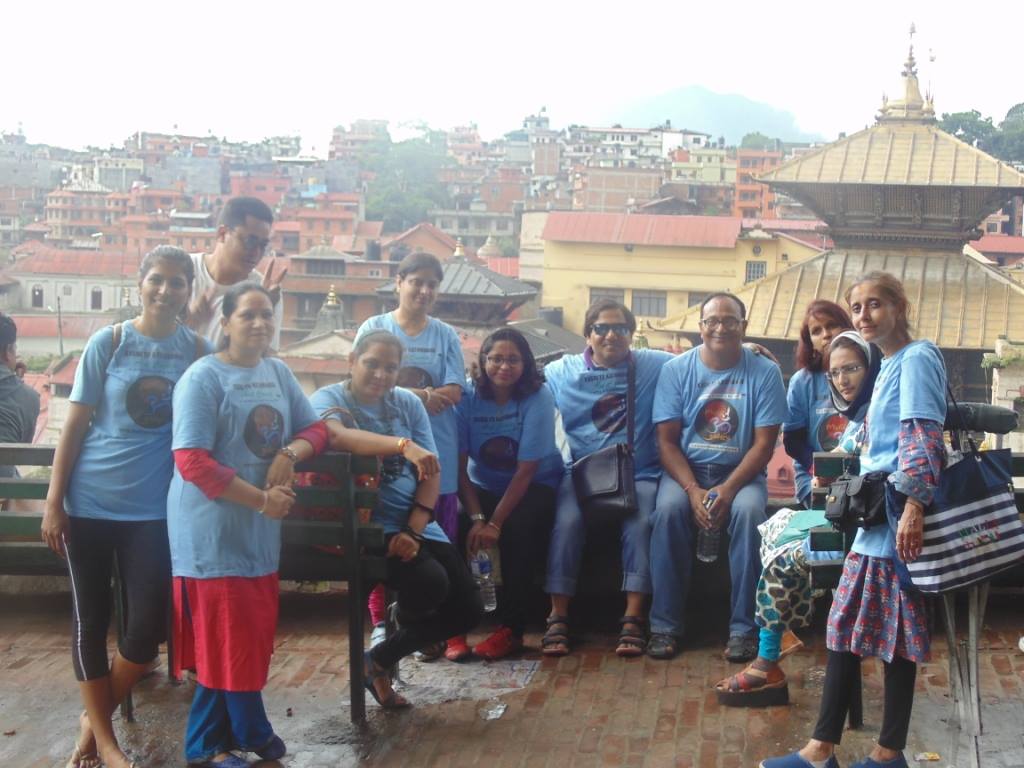
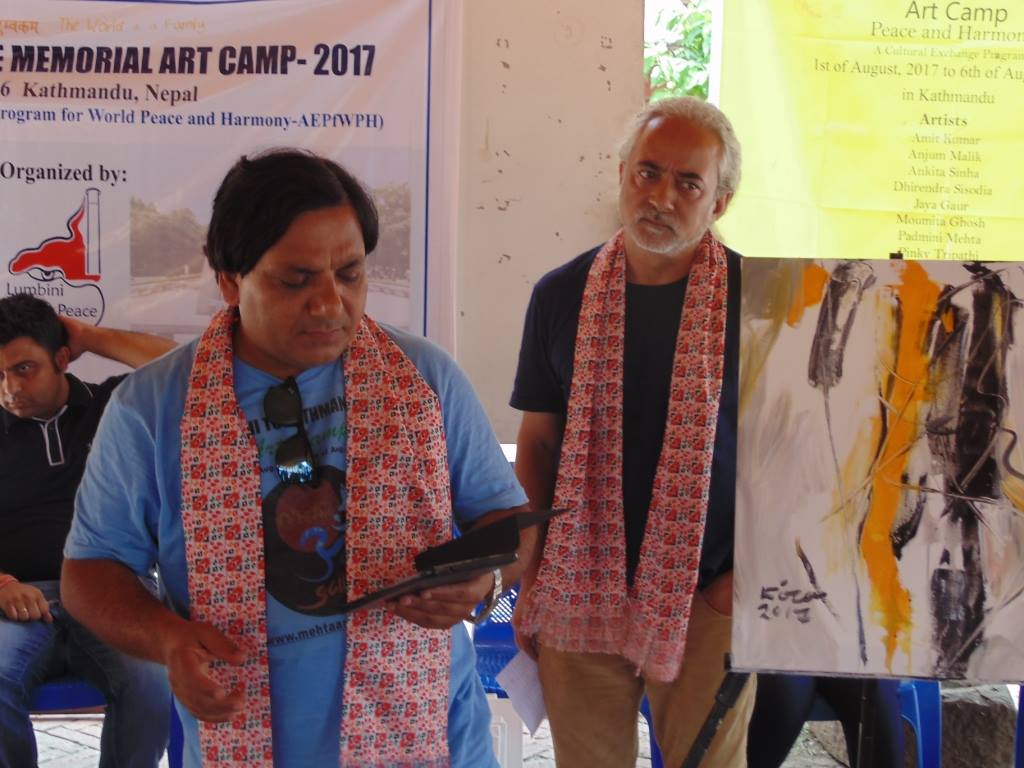
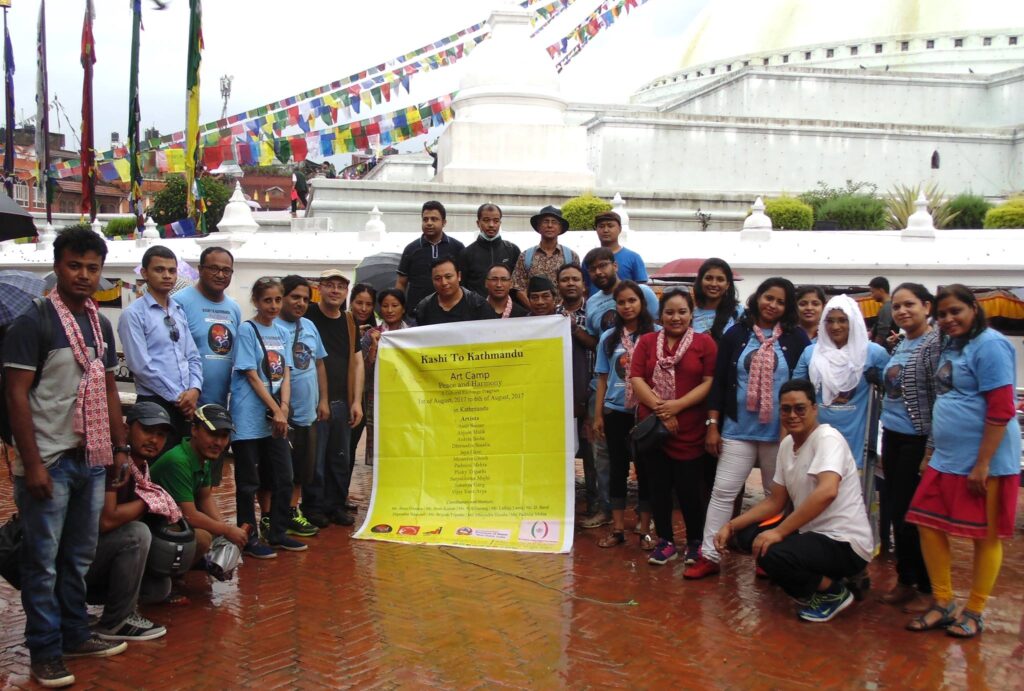
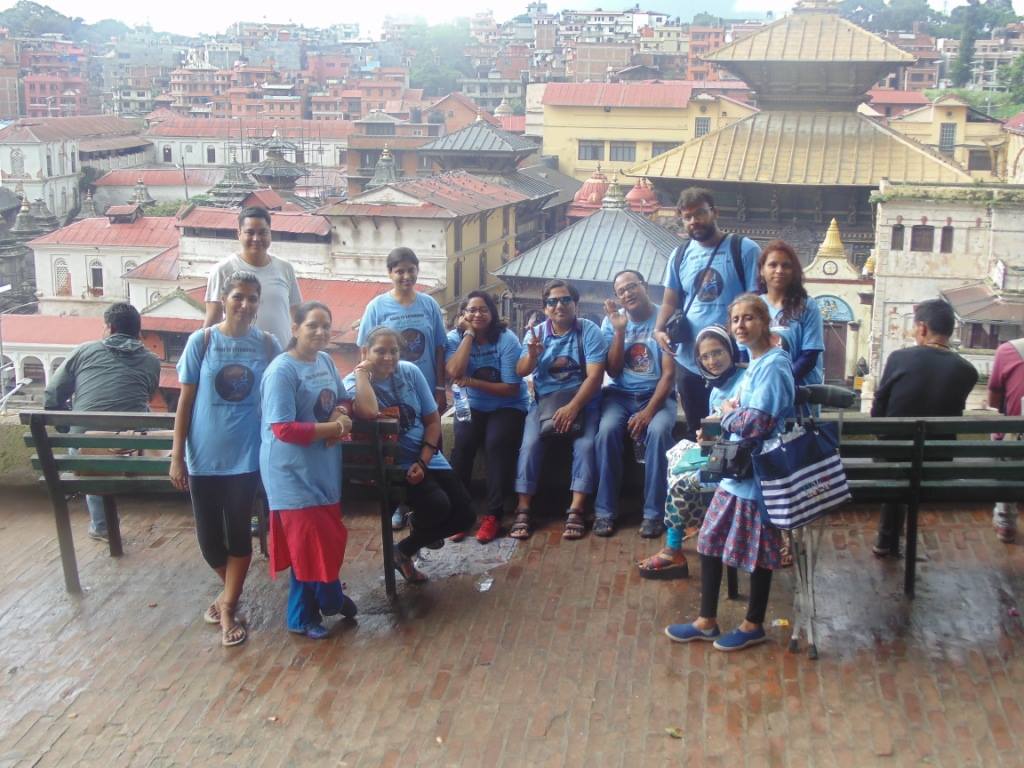
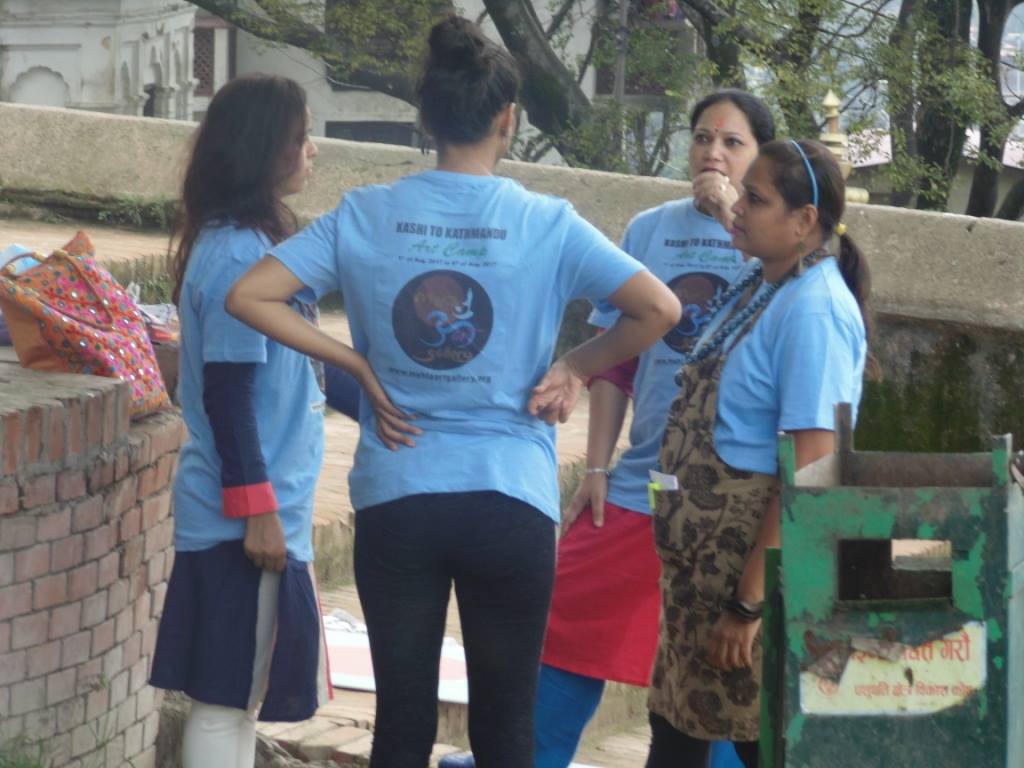
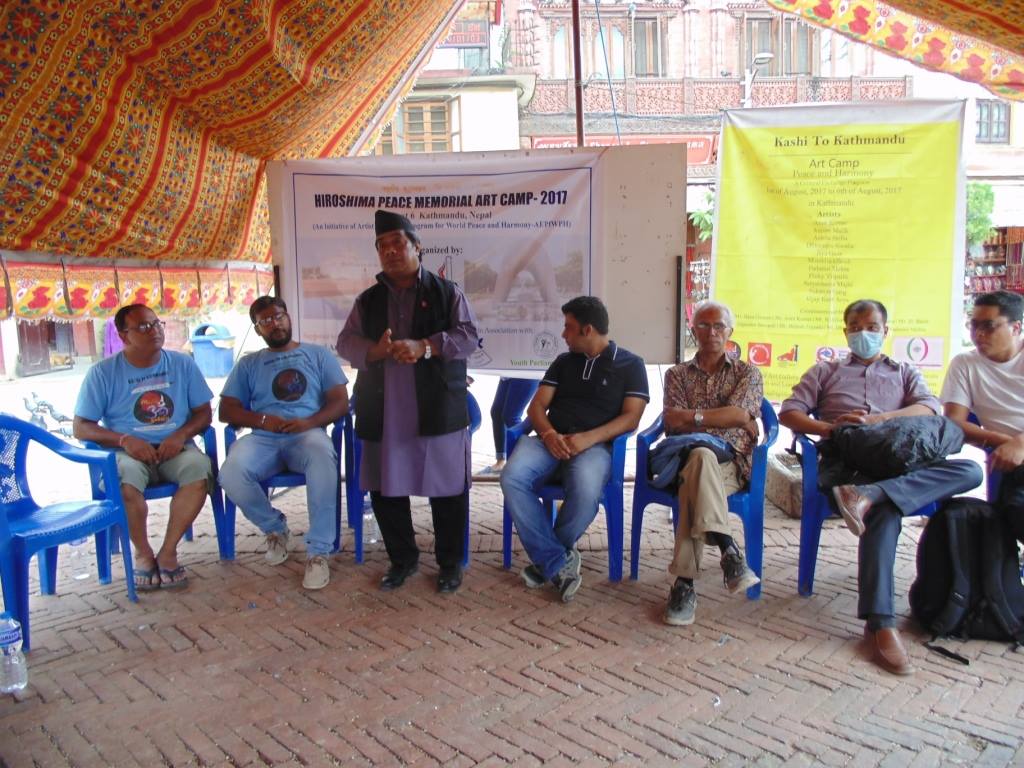
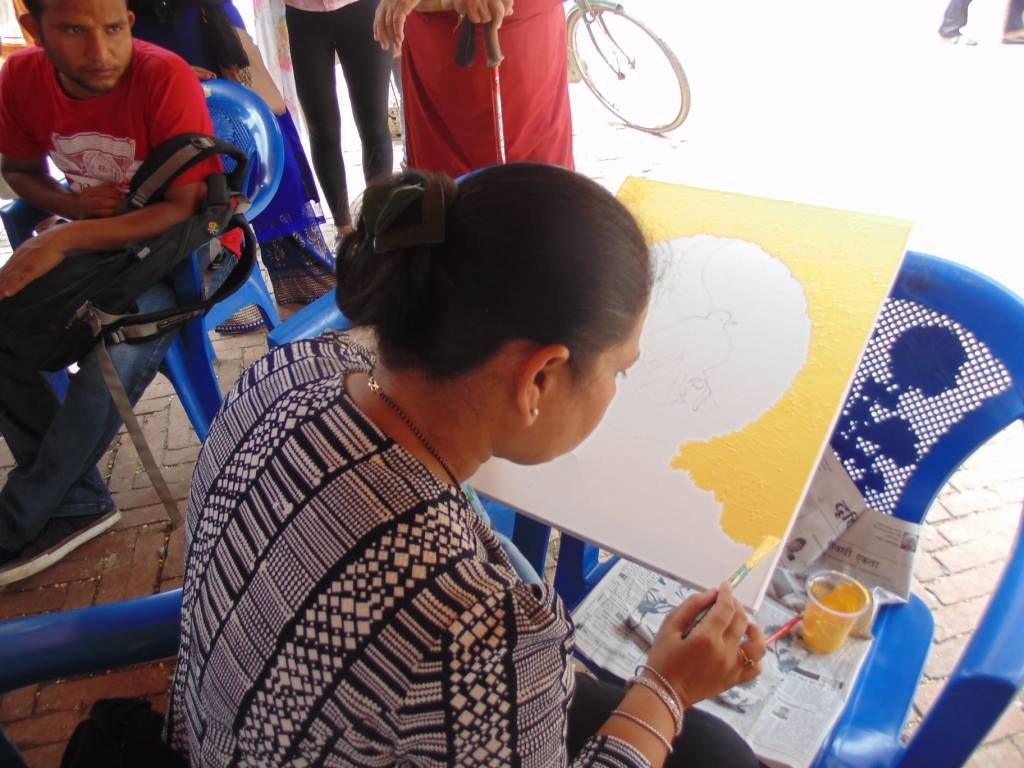
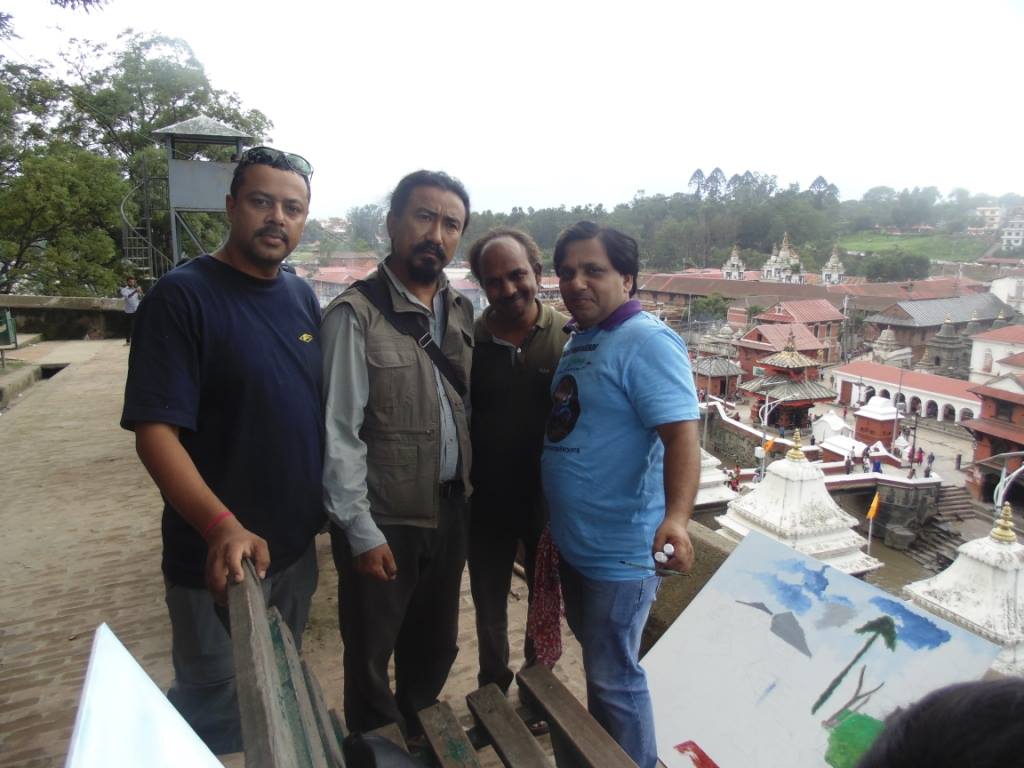
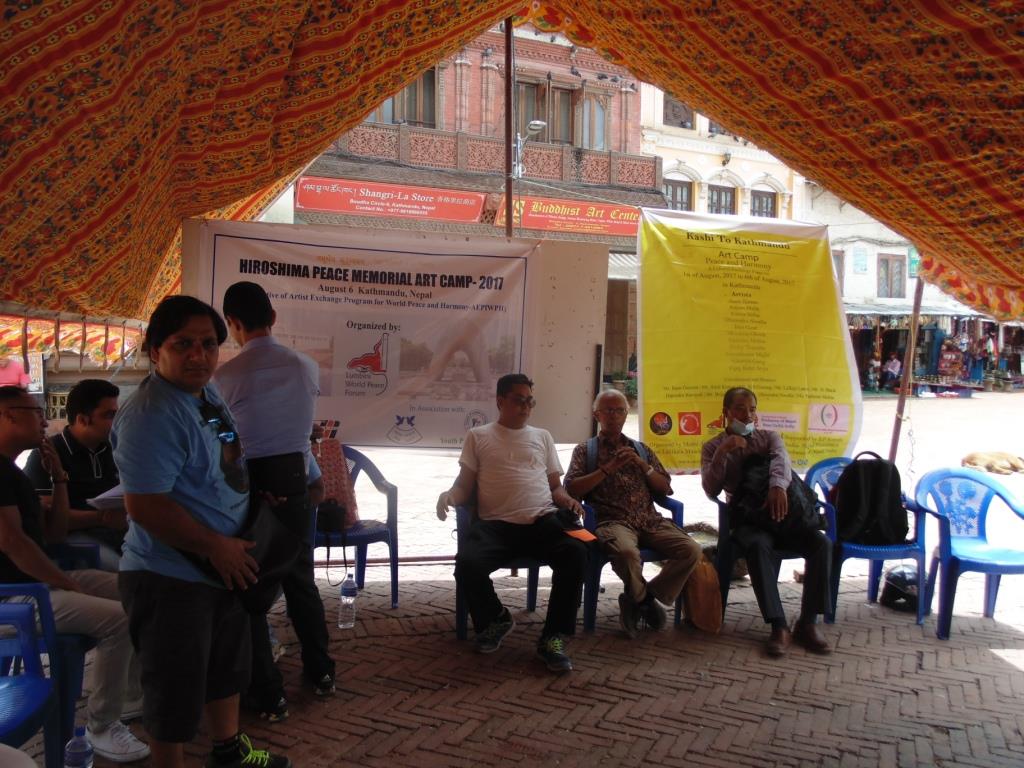
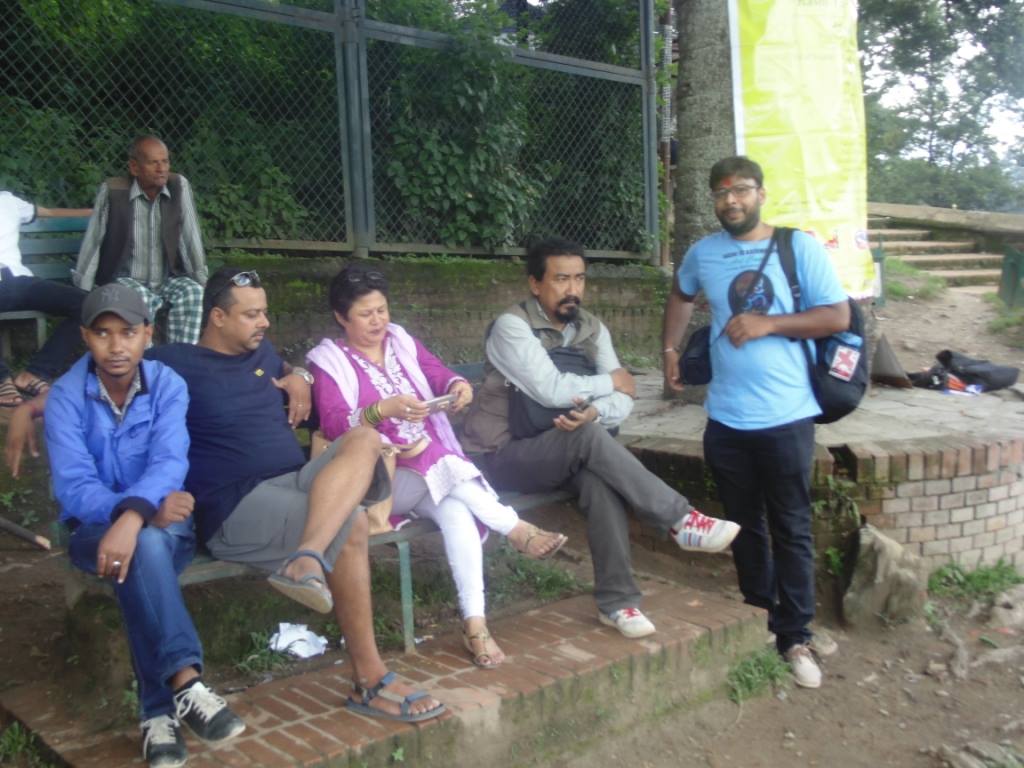
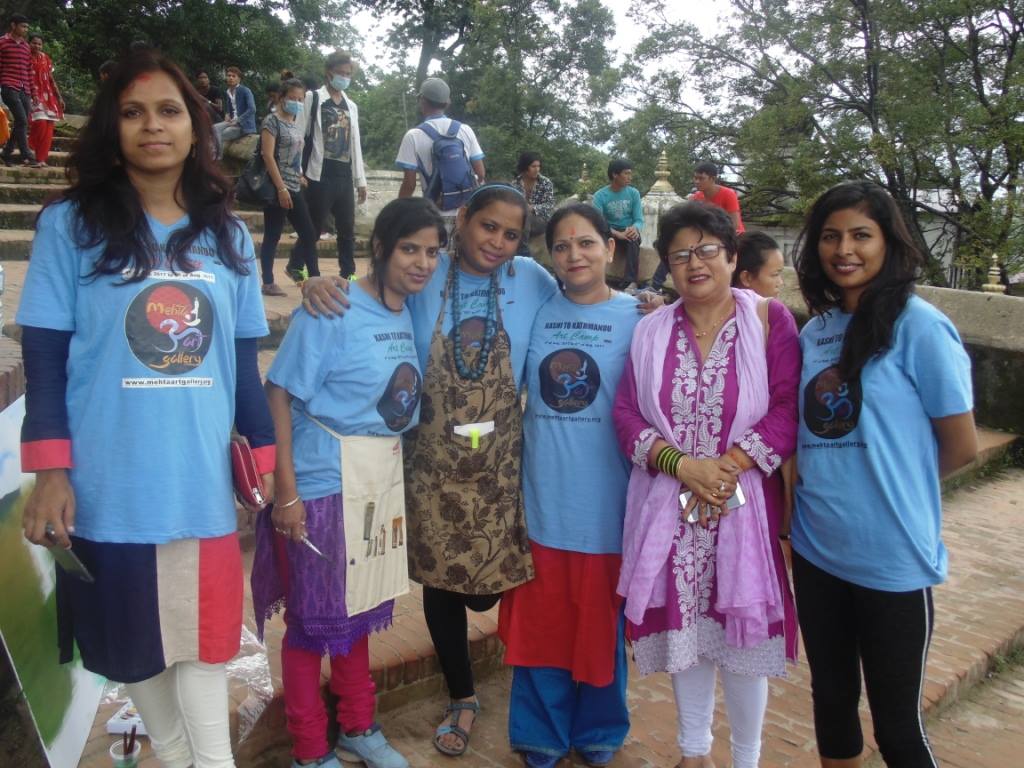
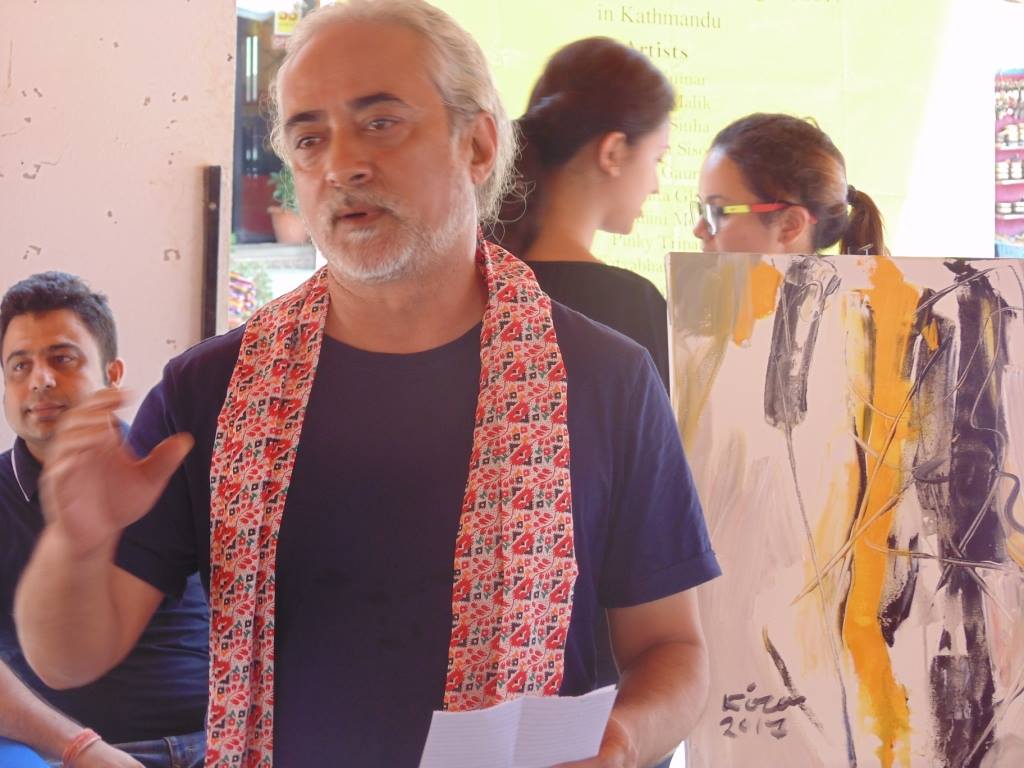
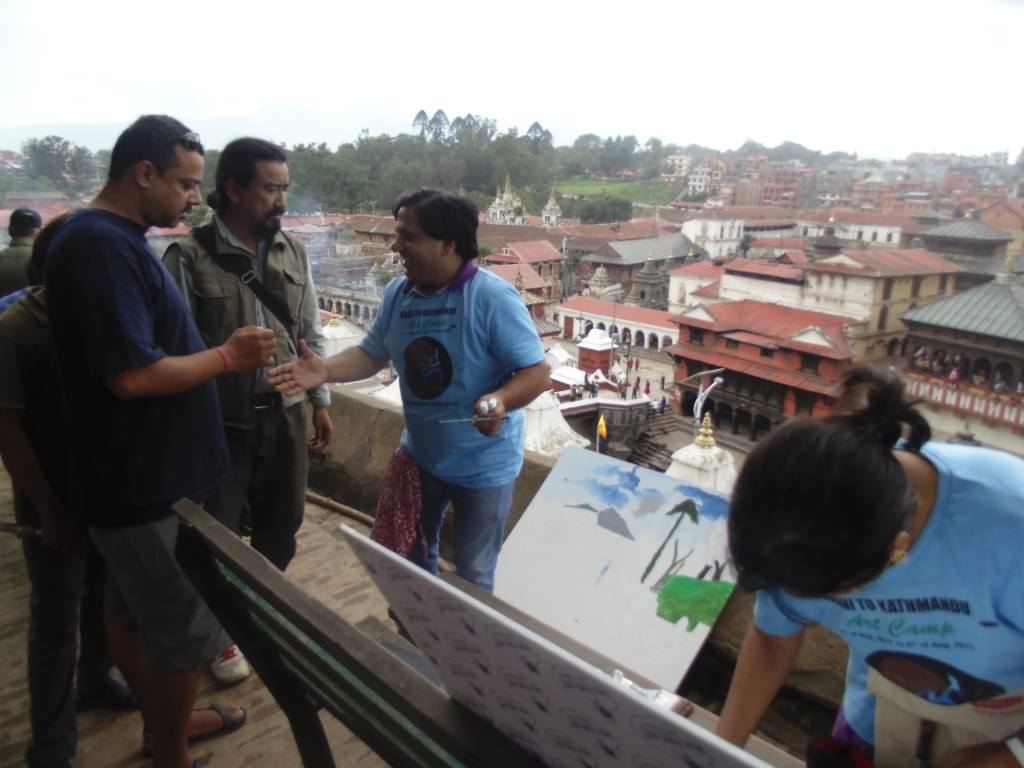
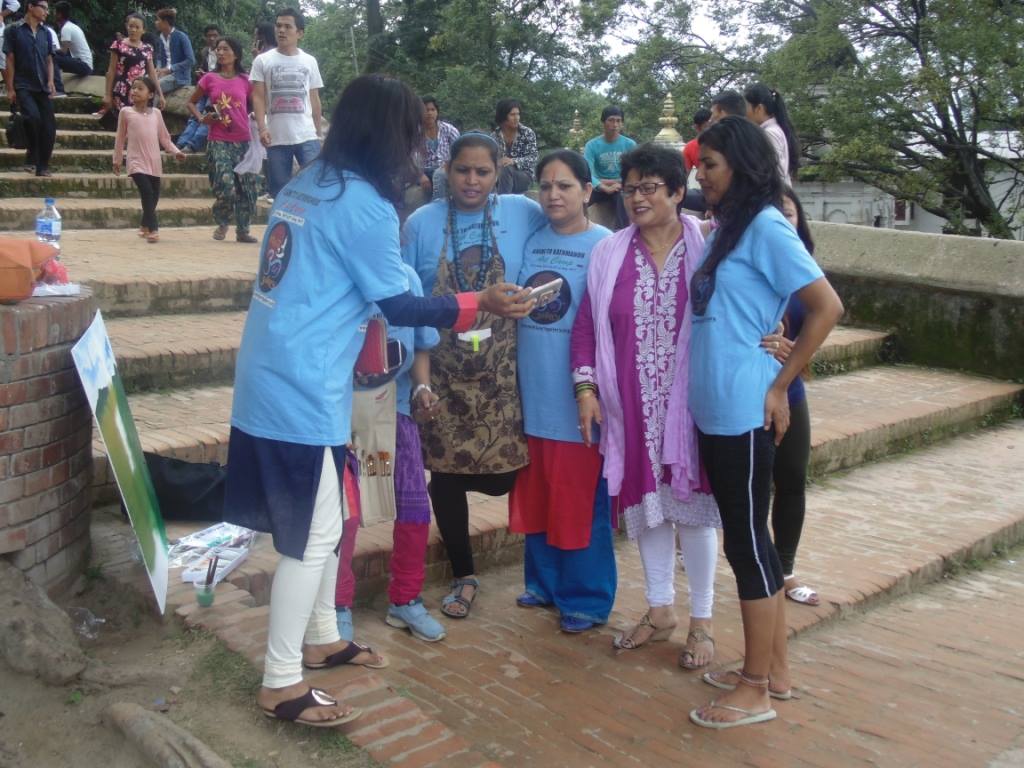
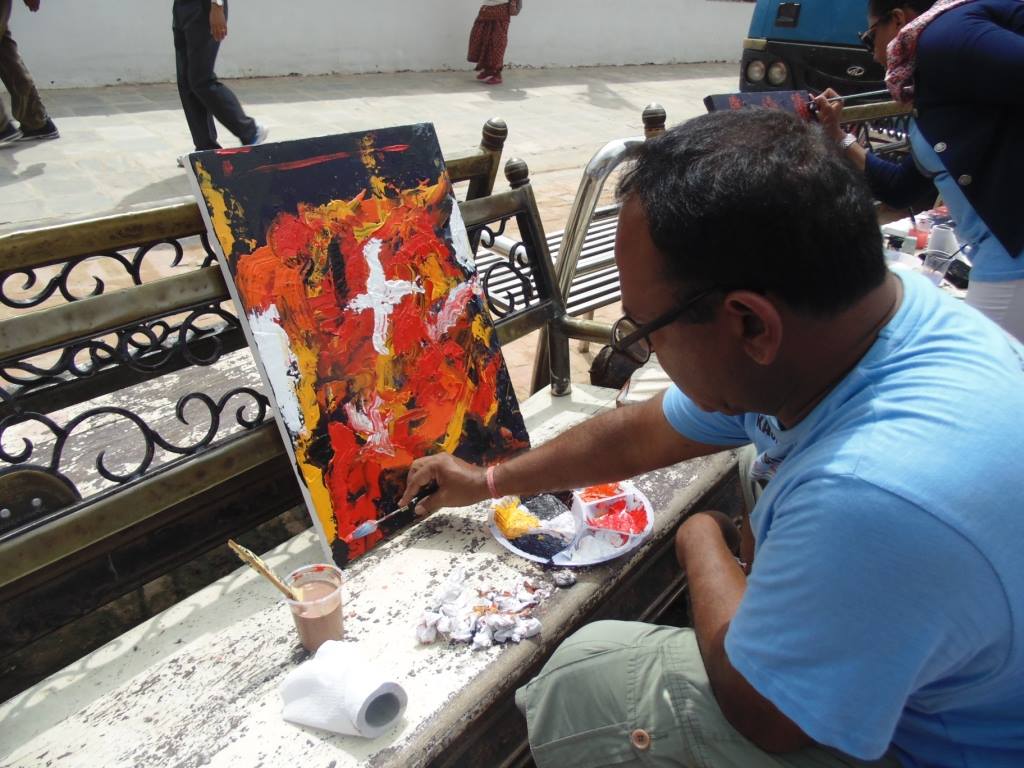
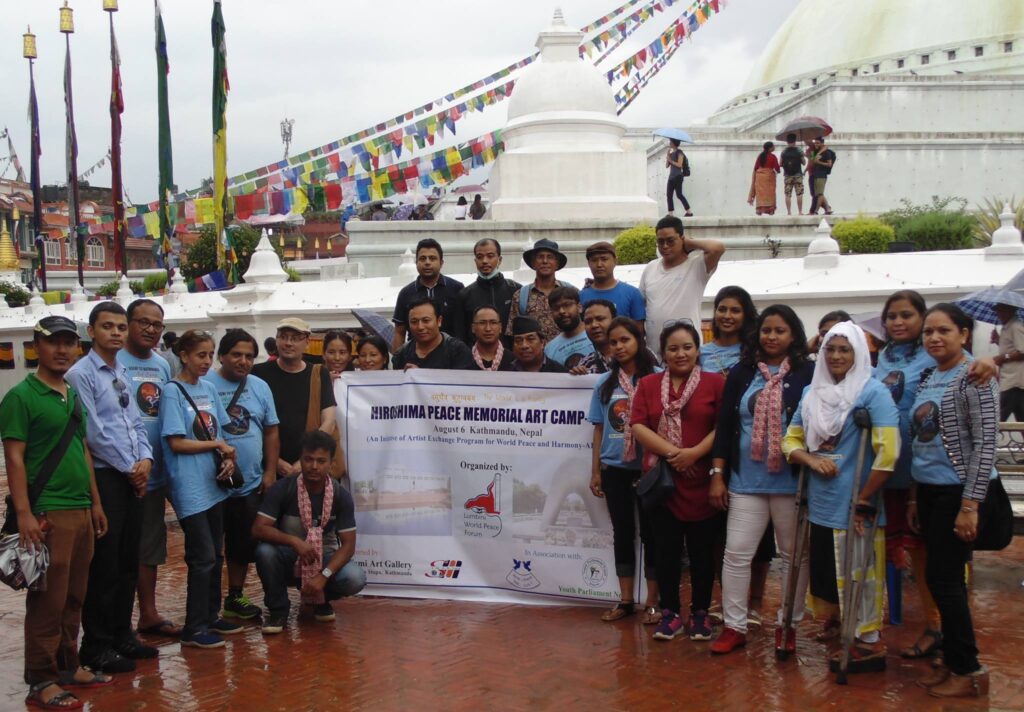

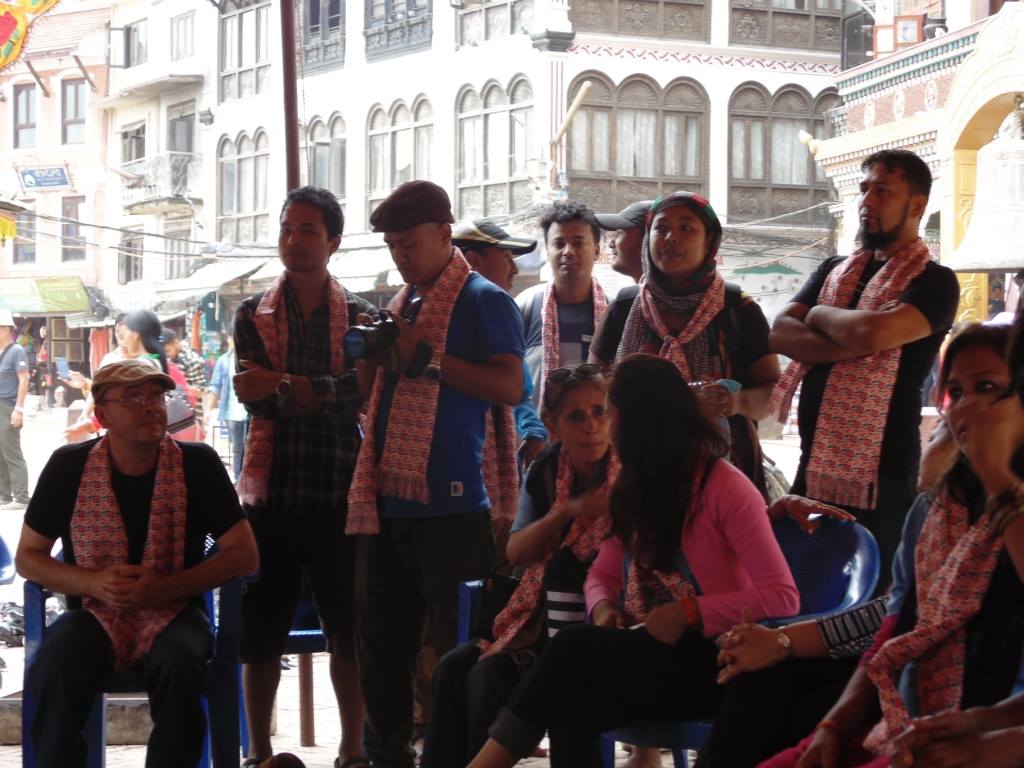
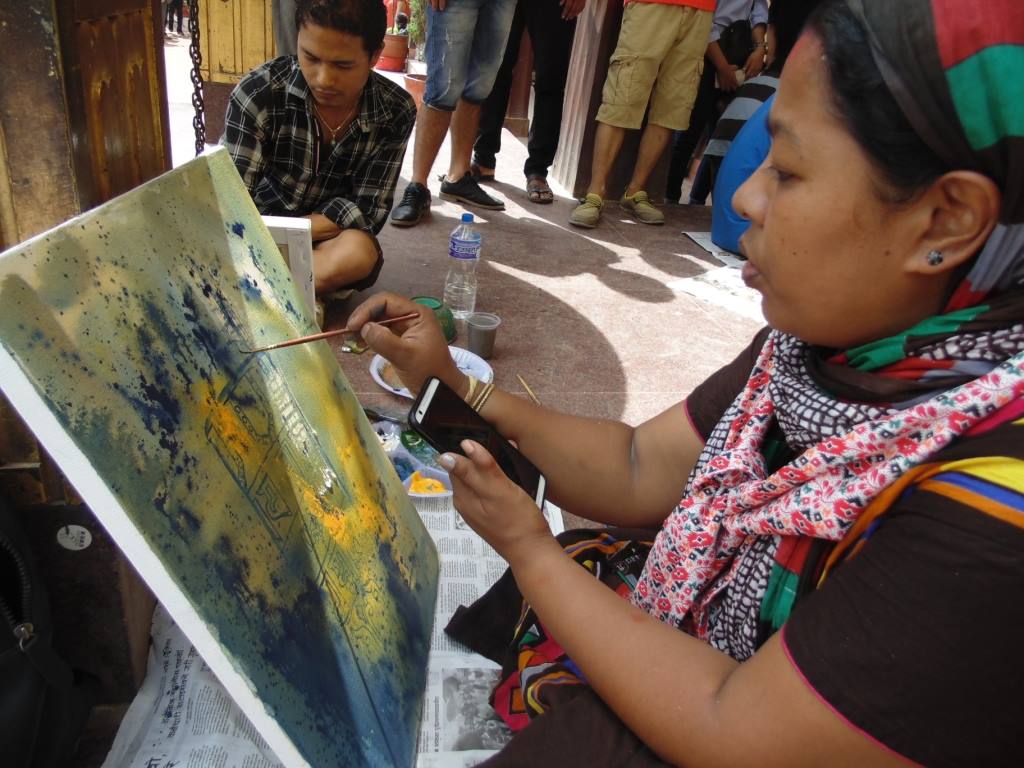
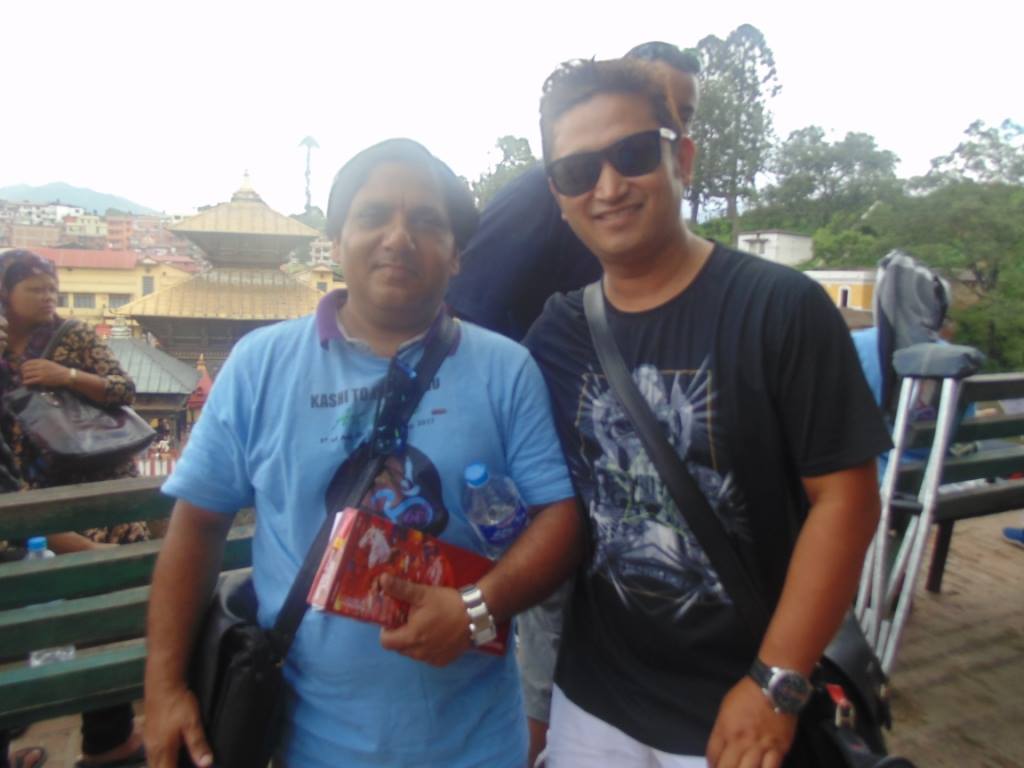
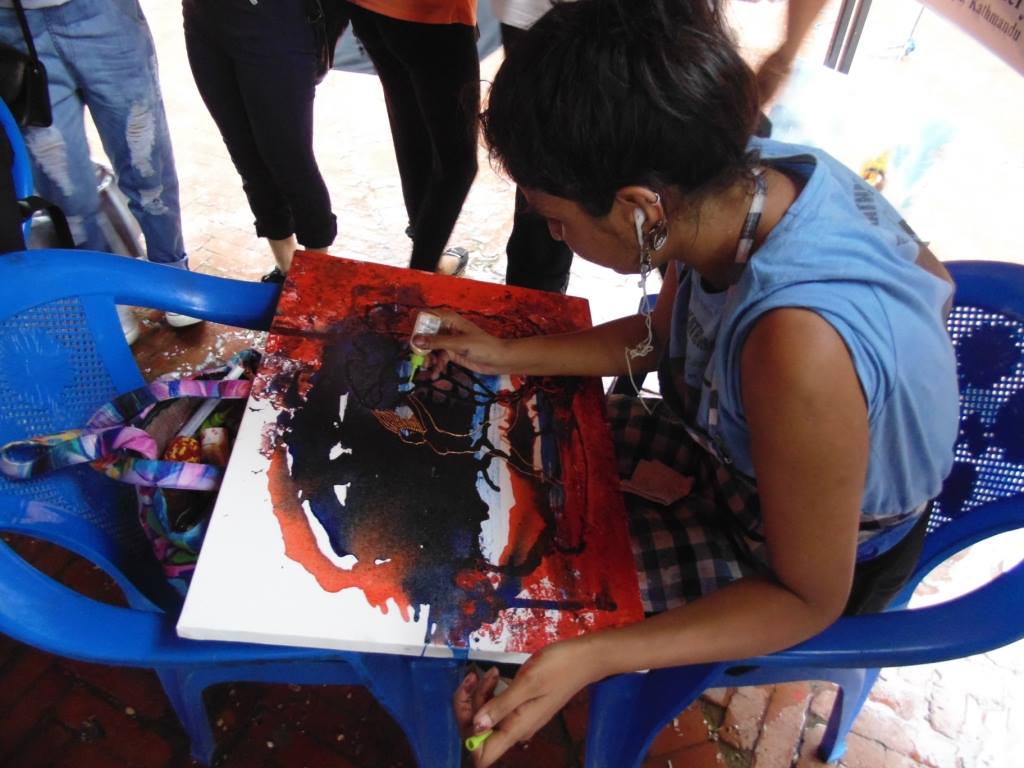
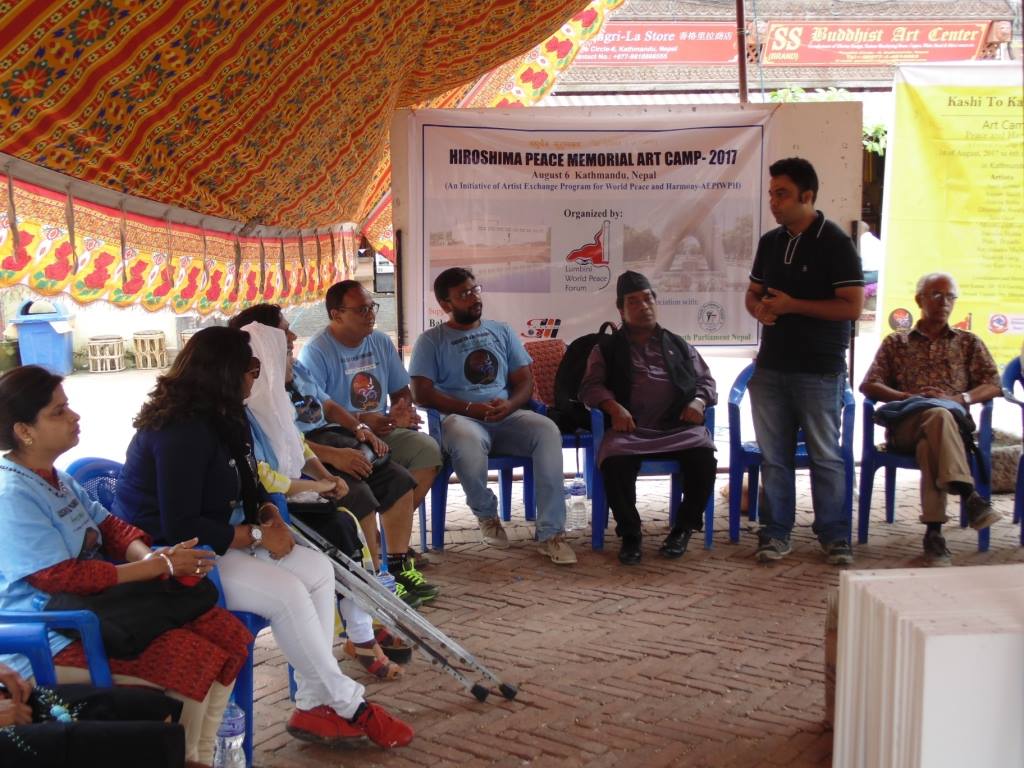
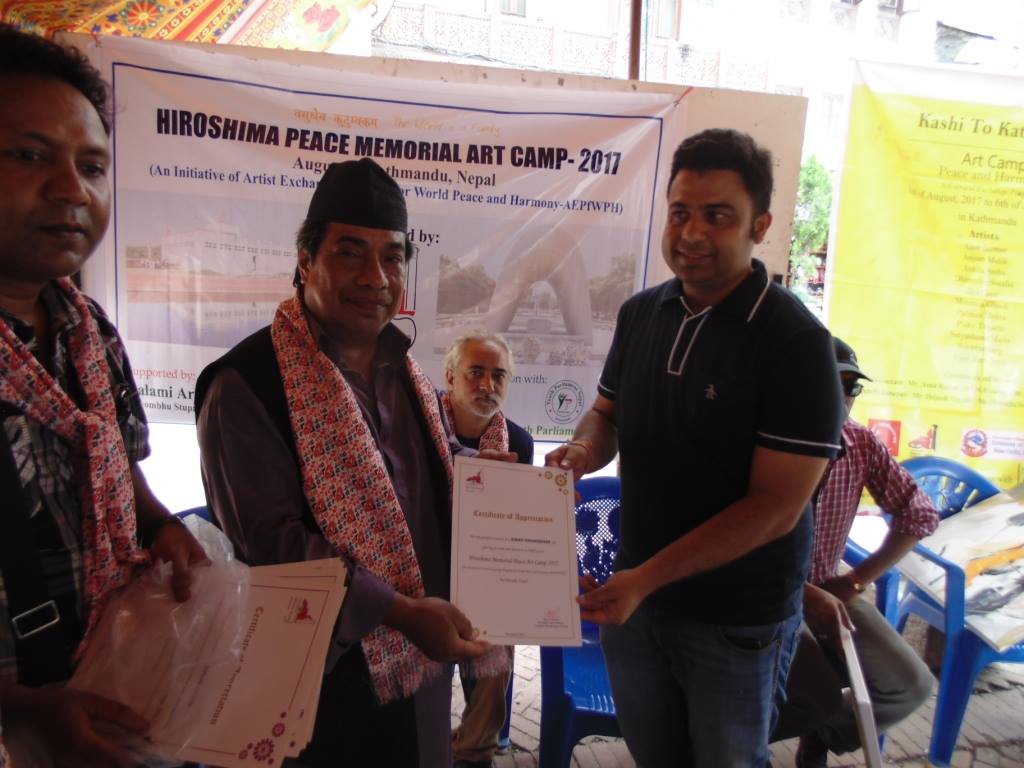
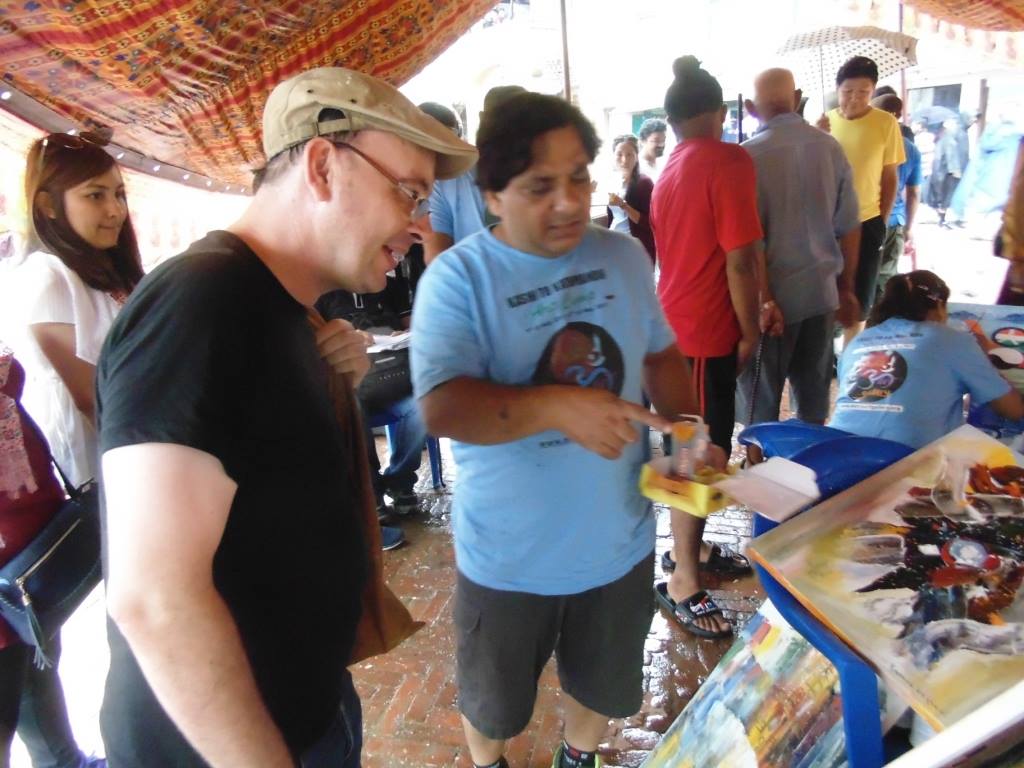
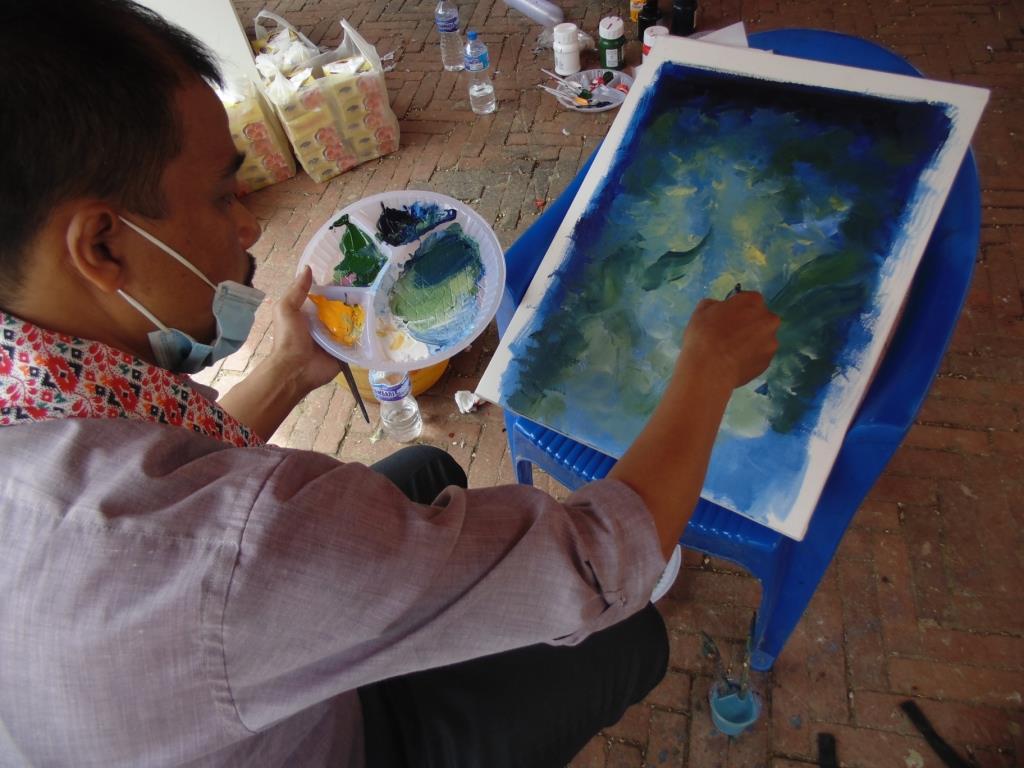
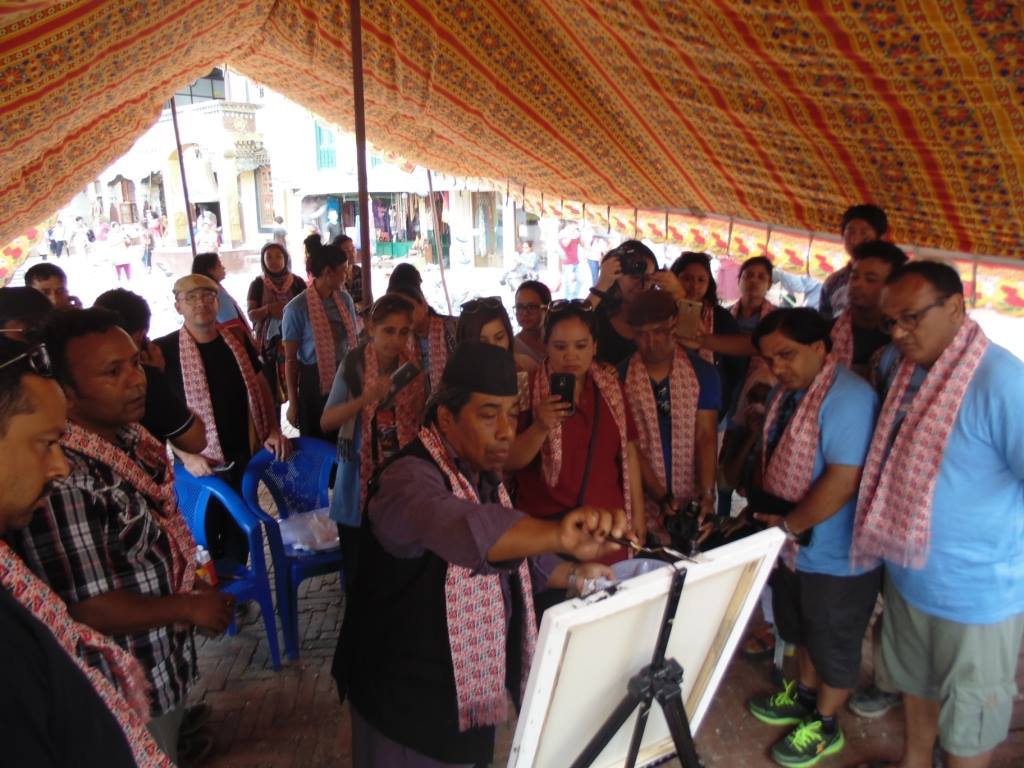
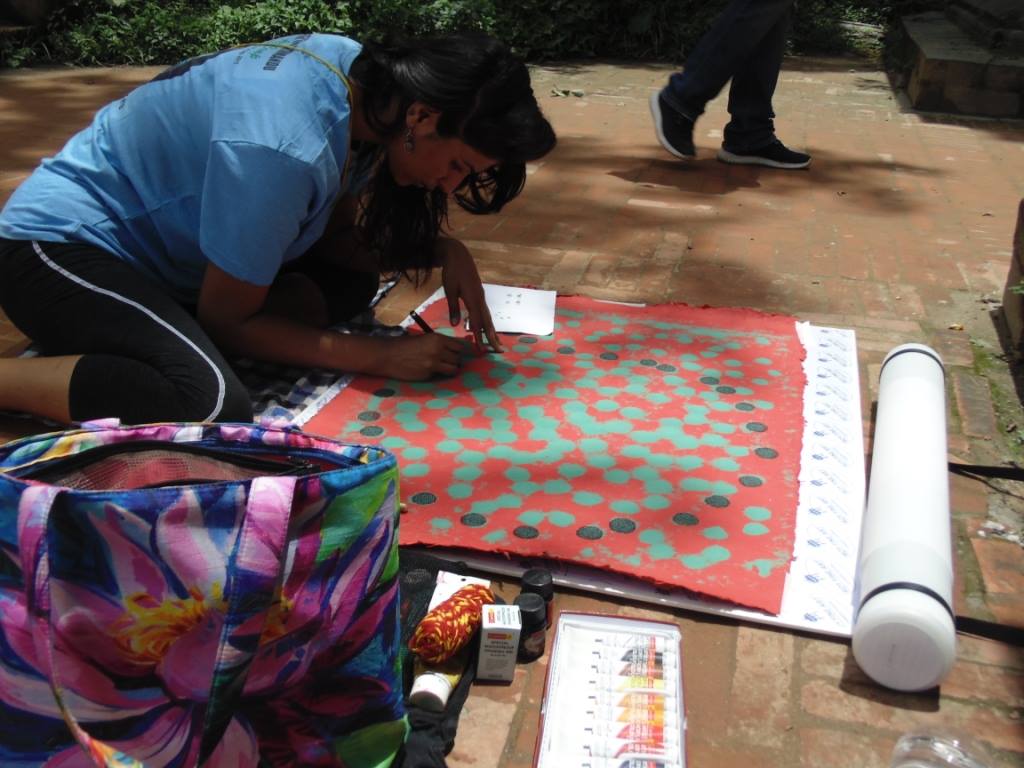
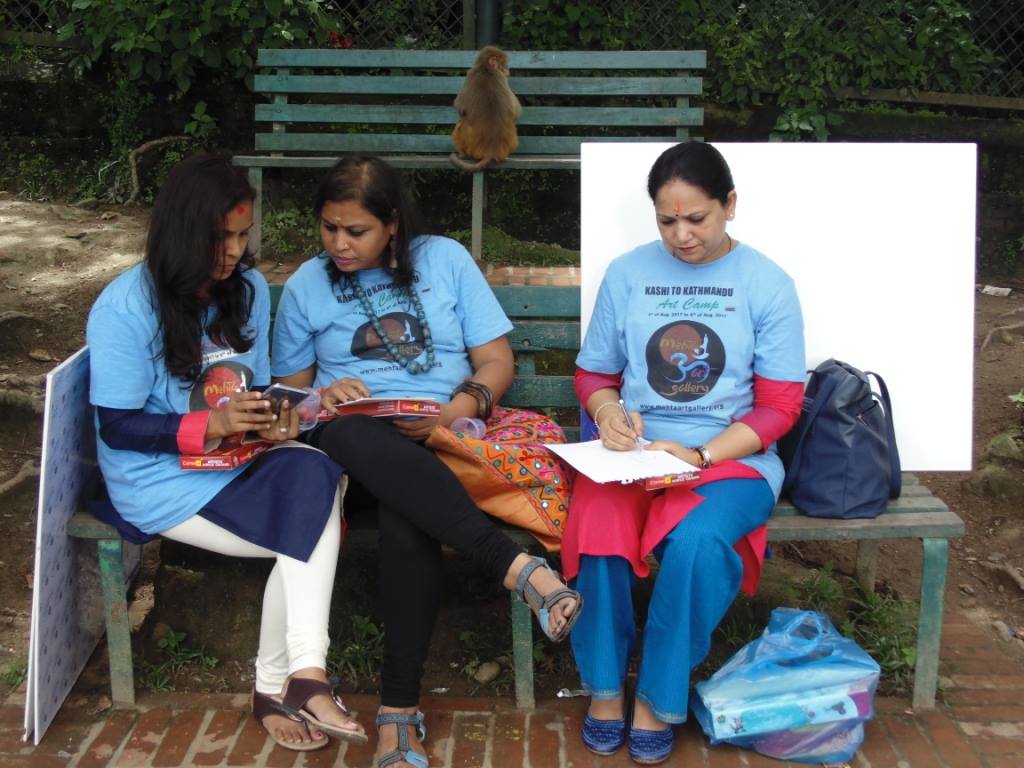
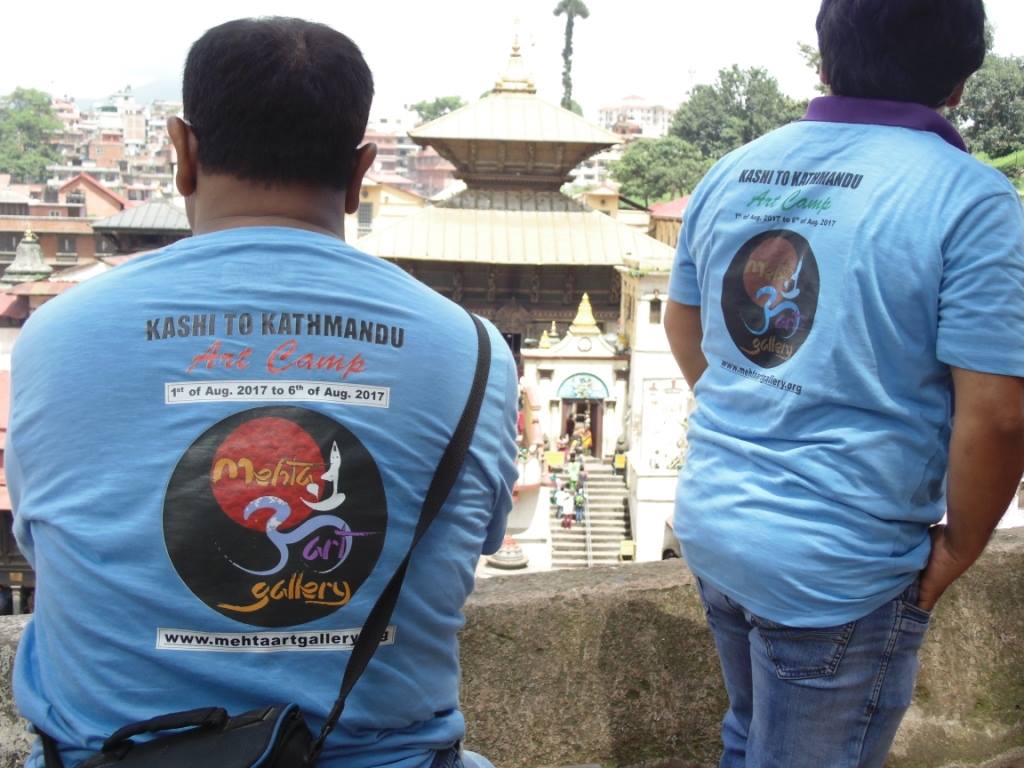
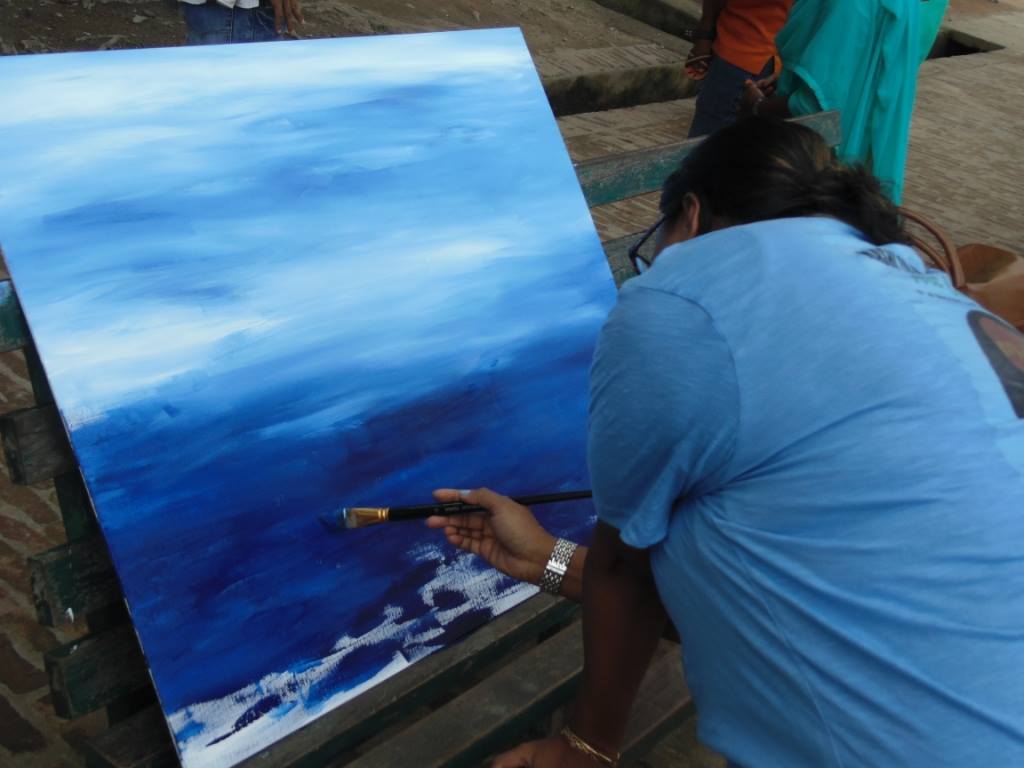
India and Nepal share open borders, interlinked histories, and intertwined traditions. Yet, beyond politics and treaties, it is the everyday cultural exchanges that sustain the relationship. Events like Kashi to Kathmandu demonstrate how artists, through their creativity, can act as cultural ambassadors, building bridges of understanding and trust.
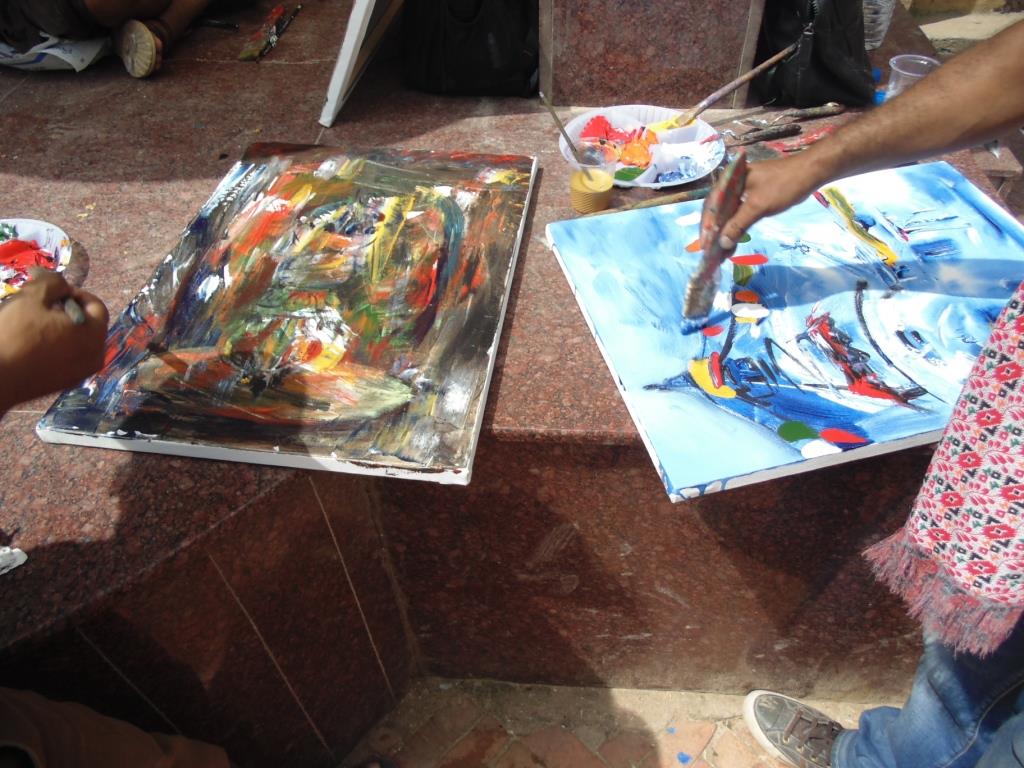
The artworks created during the camp embodied themes of peace, friendship, shared spirituality, and togetherness. They reminded everyone present that while nations may have boundaries, human emotions and cultural values flow beyond them.
Community Engagement and Impact
The success of the camp was not confined to the artists alone. Local communities embraced the program wholeheartedly. Residents of Kathmandu opened their hearts and homes, making the Indian participants feel like family. From local schools where children painted alongside visiting artists, to gallery audiences who engaged in discussions, the event became a shared festival of creativity.
For young aspiring artists in Nepal, the camp was a rare opportunity to learn directly from seasoned professionals from India. For Indian artists, it was a chance to witness the vibrancy of Nepali art traditions firsthand. The exchange of techniques, materials, and ideas sowed seeds for long-term collaborations.
The artworks produced during the camp were later displayed, leaving behind a visual archive of this cultural dialogue. Each canvas became a reminder of the camp’s spirit, inspiring future initiatives in both countries.
Kashi and Kathmandu: Eternal Connections
The title of the camp, Kashi to Kathmandu, was more than symbolic. Both cities are ancient centers of spirituality, learning, and culture. Kashi (Varanasi) is the eternal city on the banks of the Ganga, while Kathmandu is nestled in the Himalayas with temples and stupas that echo centuries of devotion.
By bringing these two spiritual centers into conversation through art, the camp reinforced the idea that India and Nepal are not just neighbors but cultural siblings. The same faith that resonates in the ghats of Varanasi finds its echoes in the courtyards of Pashupatinath. The chants at Boudhanath harmonize with the hymns sung on the steps of Kashi Vishwanath.
Artists at the camp often remarked how painting in Kathmandu felt like painting at home, even though they were across the border. This sense of familiarity was not coincidental — it was the manifestation of centuries of shared traditions, festivals, and values.
Legacy of the Camp
The 2017 Kashi to Kathmandu art camp was not just a one-time event. Its true legacy lies in the relationships it created, the artworks it produced, and the inspiration it left behind. Many of the participating artists continued collaborations beyond the camp, while Mehta Art Gallery strengthened its role as a facilitator of cultural dialogue.
For Nepal, the event highlighted the vibrancy of its contemporary art scene while honoring its heritage. For India, it was an opportunity to extend its cultural outreach and deepen people-to-people connections. Together, the camp became a milestone in the artistic and cultural journey of both nations.
A Message of Love and Togetherness
At its heart, the camp was a message of love, unity, and peace. In a world often divided by borders and politics, artists from India and Nepal showed that creativity has the power to dissolve boundaries. Their works carried the fragrance of shared values and the warmth of true friendship.
As the brushes moved and canvases filled with colors, the participants painted more than just images. They painted hope, a hope that future generations will continue to honor the bonds between India and Nepal. They painted harmony, a harmony that reminds us that art is not bound by geography but thrives in the human spirit. And they painted togetherness, a togetherness that reflects the eternal ties of Kashi and Kathmandu.
Conclusion
The Kashi to Kathmandu Art Camp 2017 stands as a shining example of how cultural exchange fosters unity, creativity, and peace. It was more than an art event; it was a movement of hearts and minds across borders. Organized with the cooperation of Lumbini World Peace Forum, the Embassy of Nepal in India, and local organizations and galleries, the camp celebrated the timeless bond of India and Nepal through the universal language of art.
The camp’s success reminds us that while nations may be divided by lines on a map, they are united by shared history, traditions, and values. And it is through art, the most human of expressions, that this unity finds its truest form.
Kashi to Kathmandu was not the end, but the beginning of a journey. A journey where every brushstroke is an act of friendship, every canvas a bridge of peace, and every artist a messenger of love and togetherness.