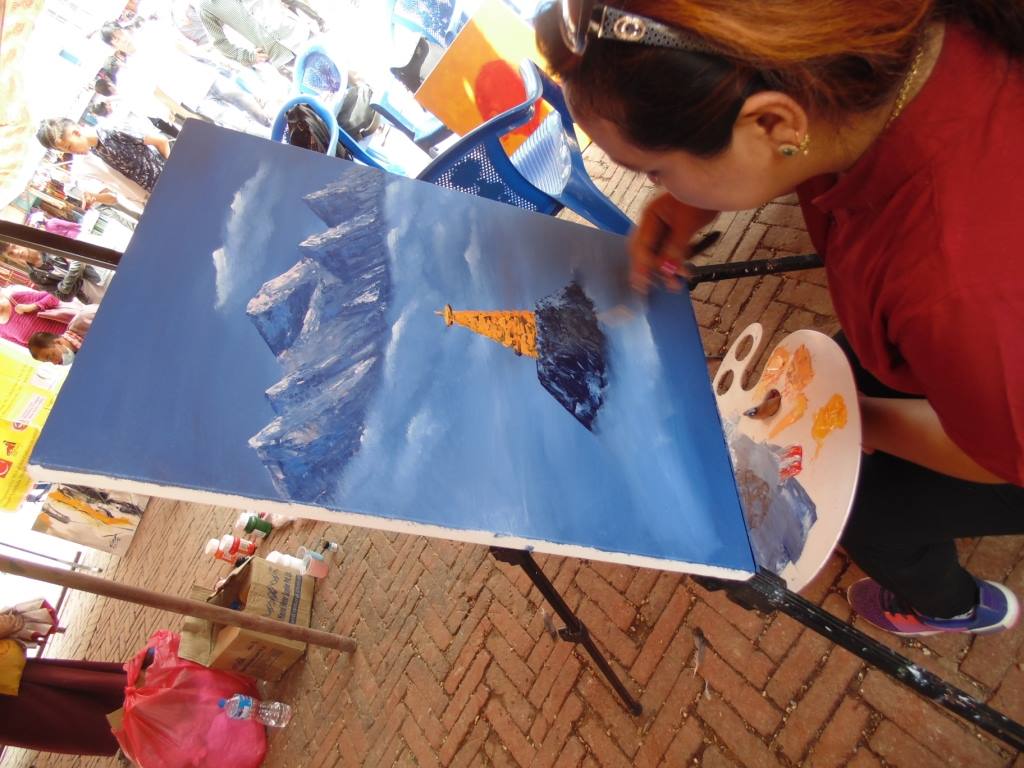
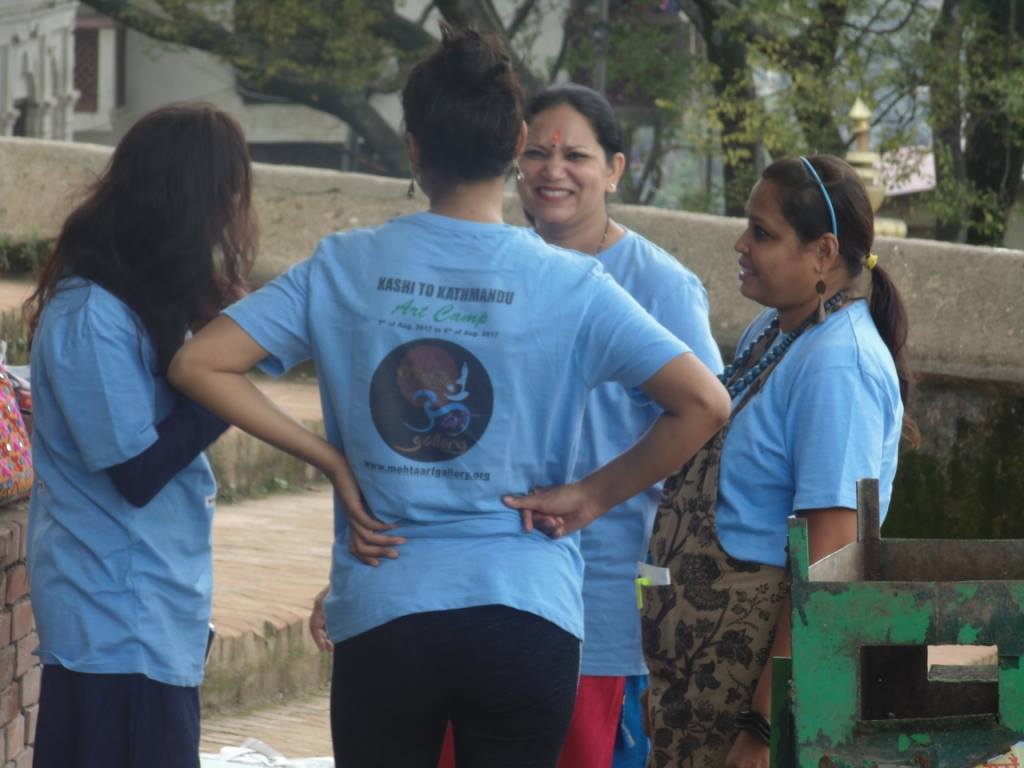
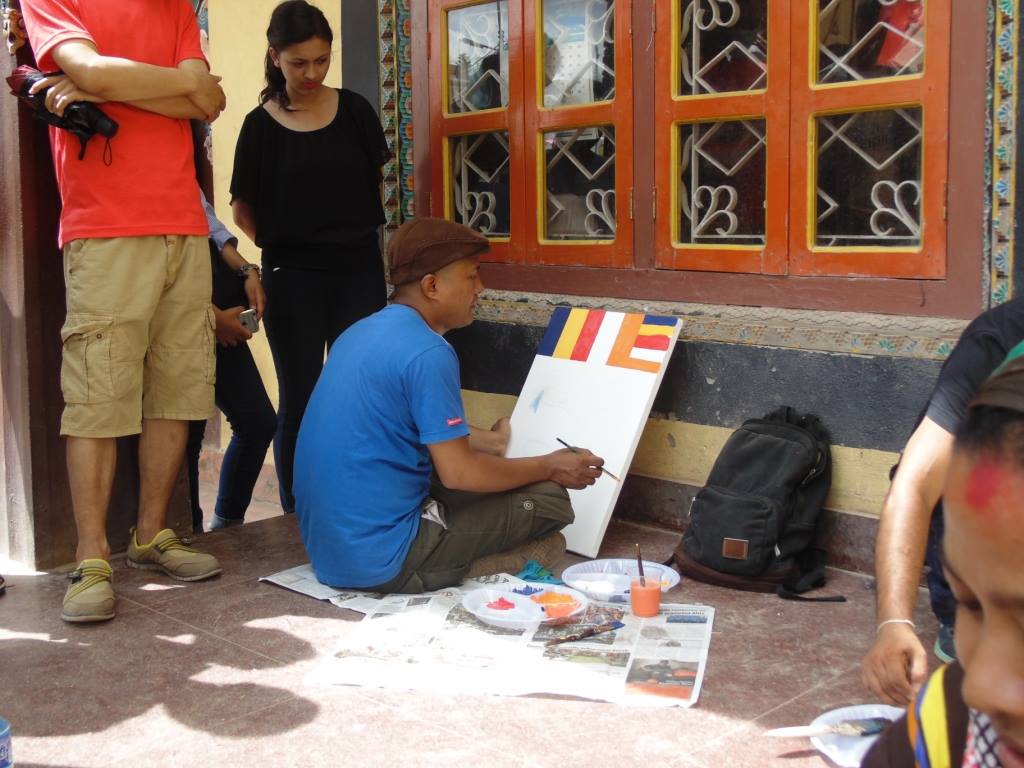
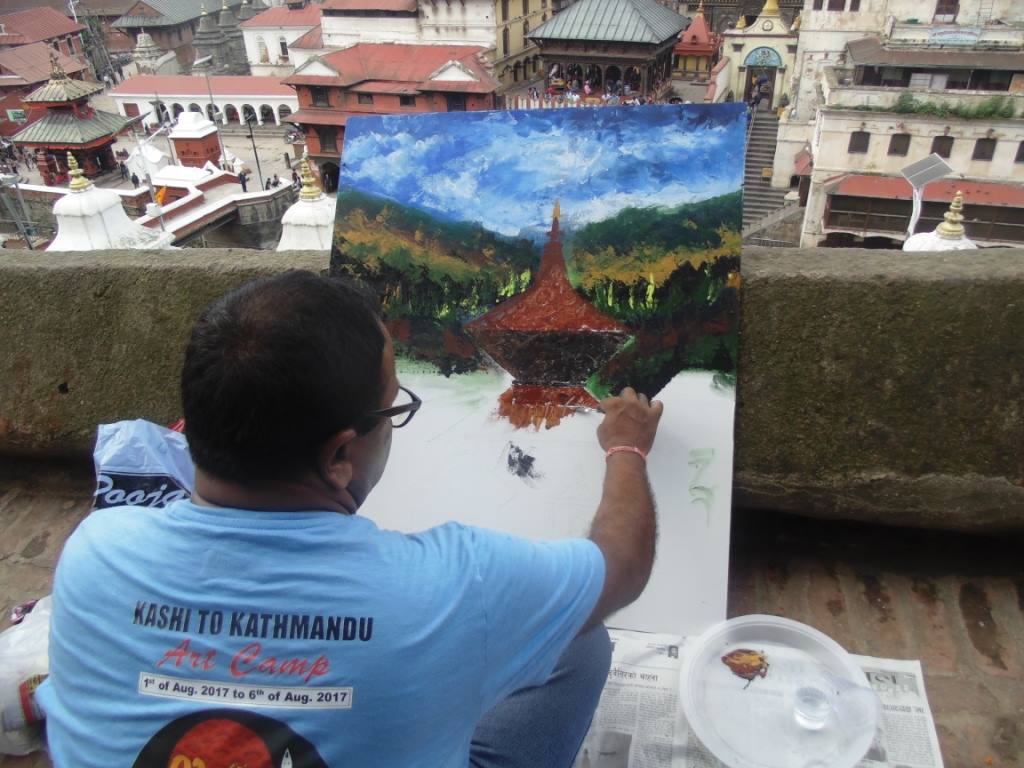
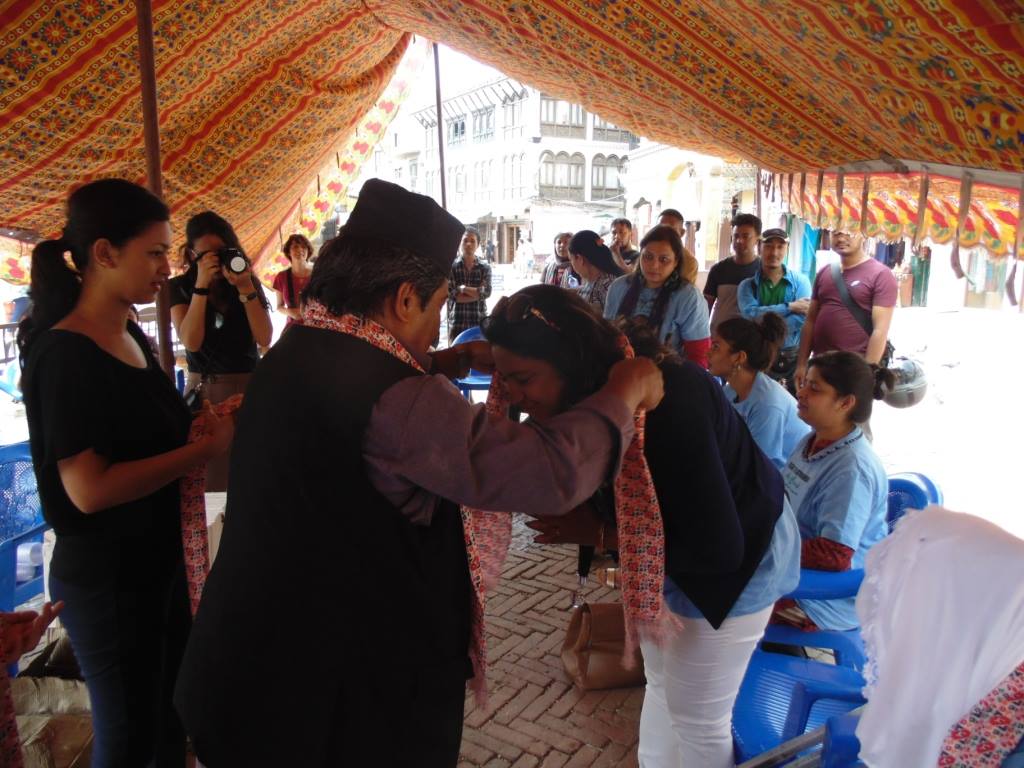
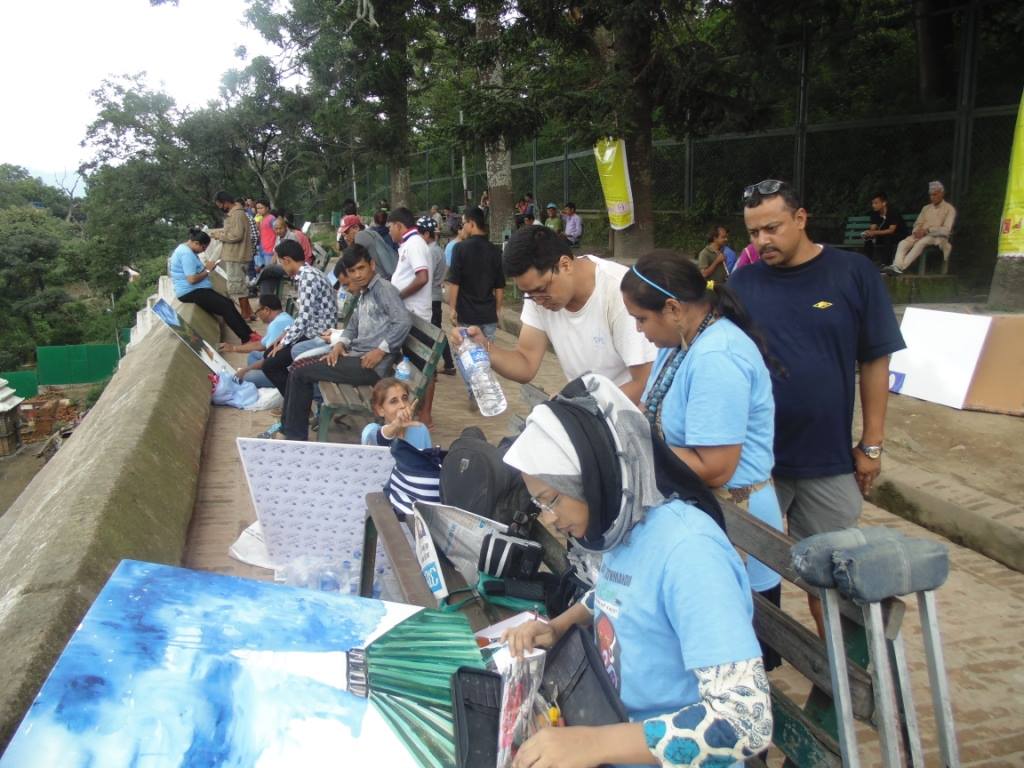
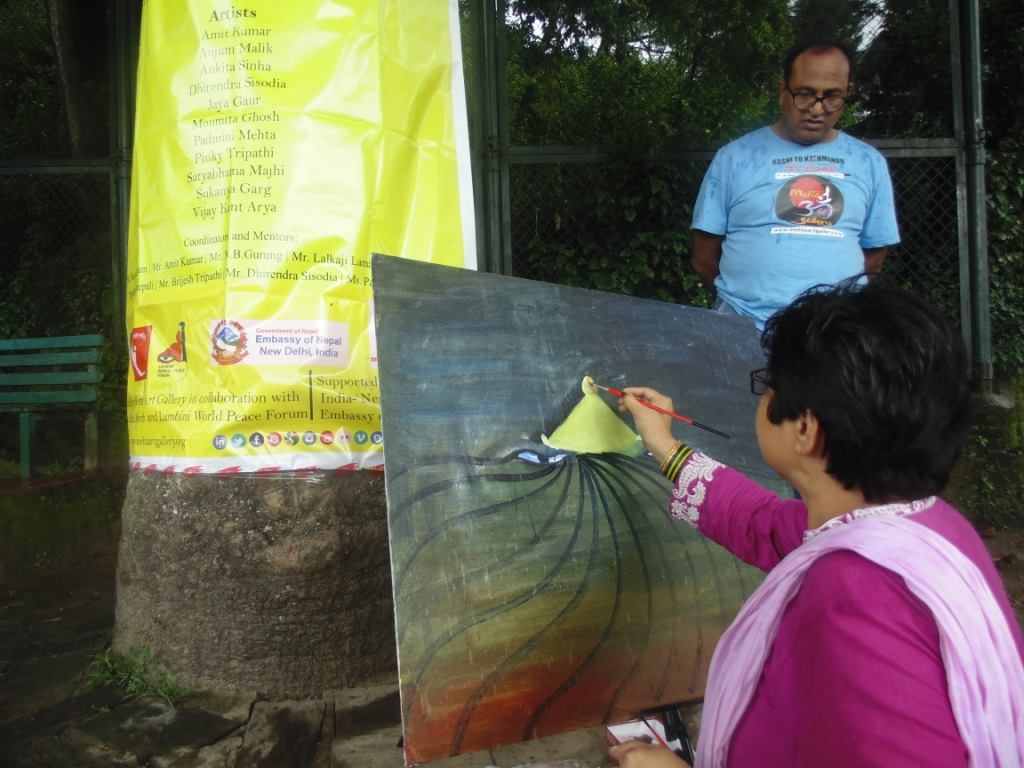
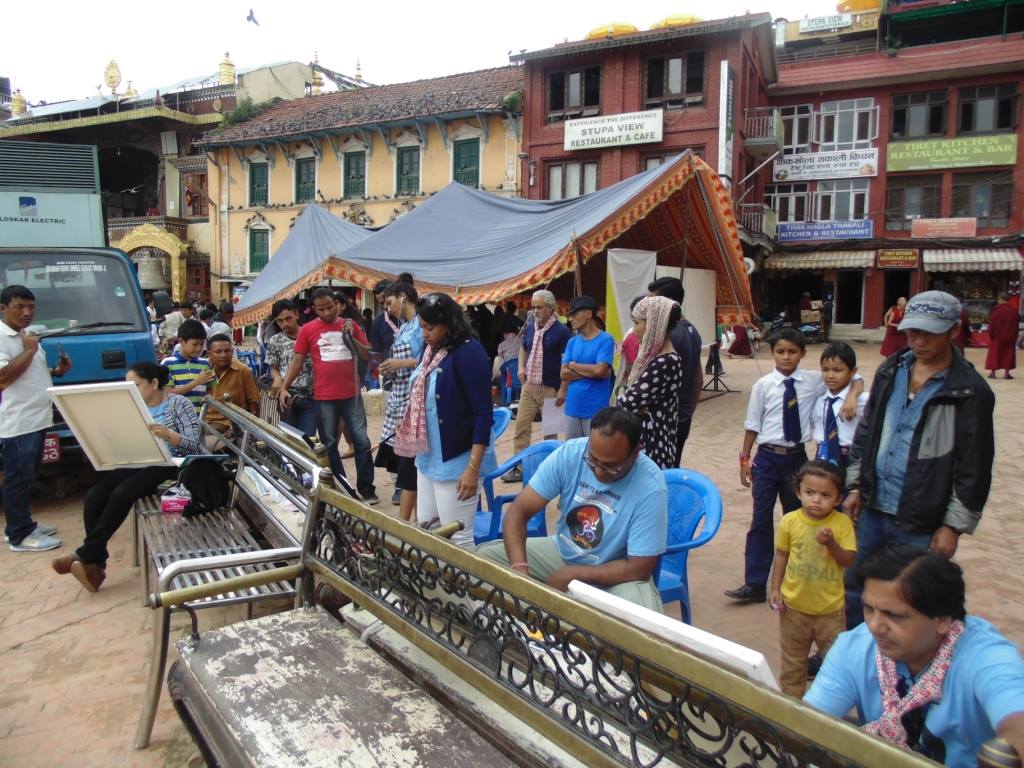
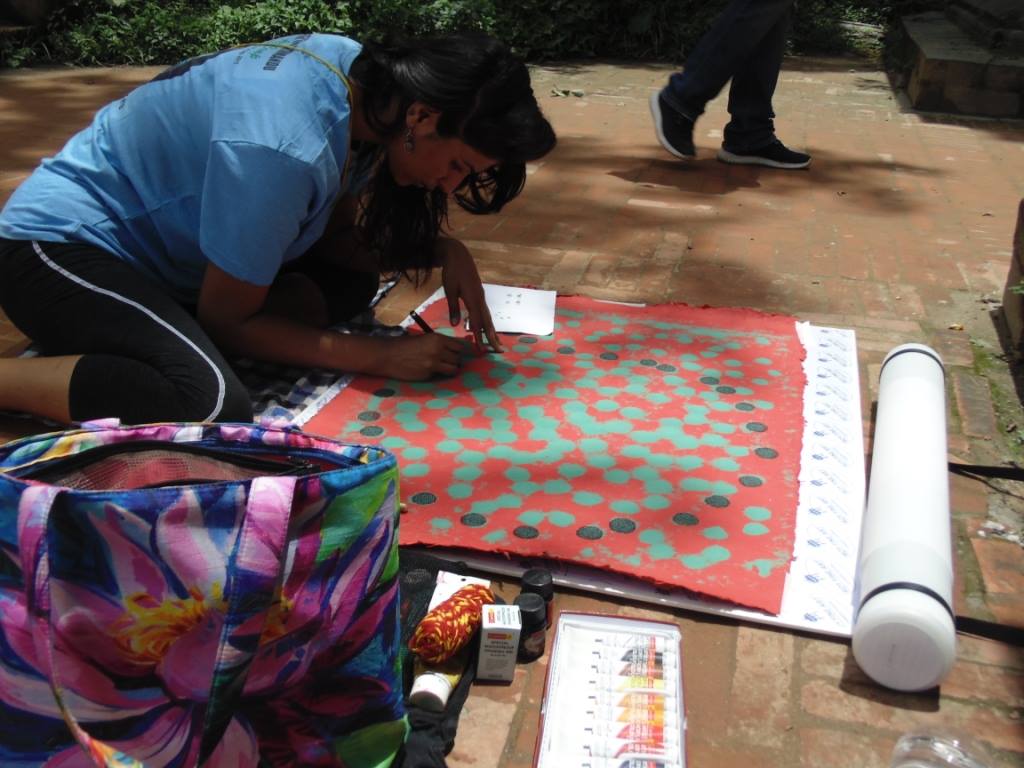
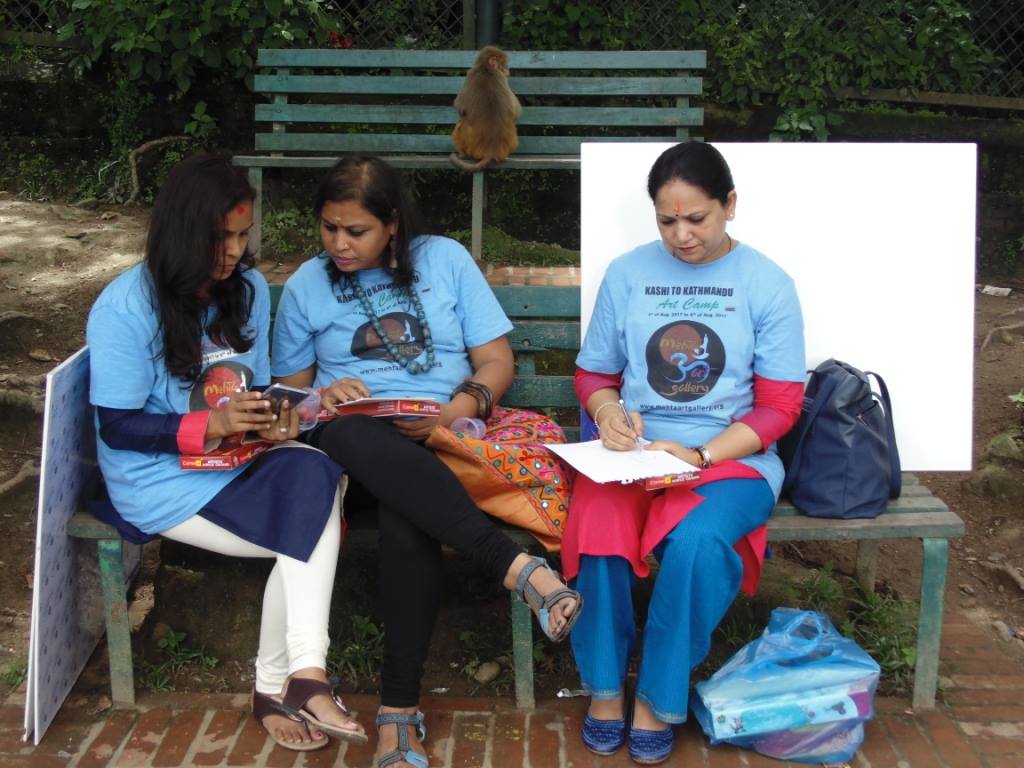
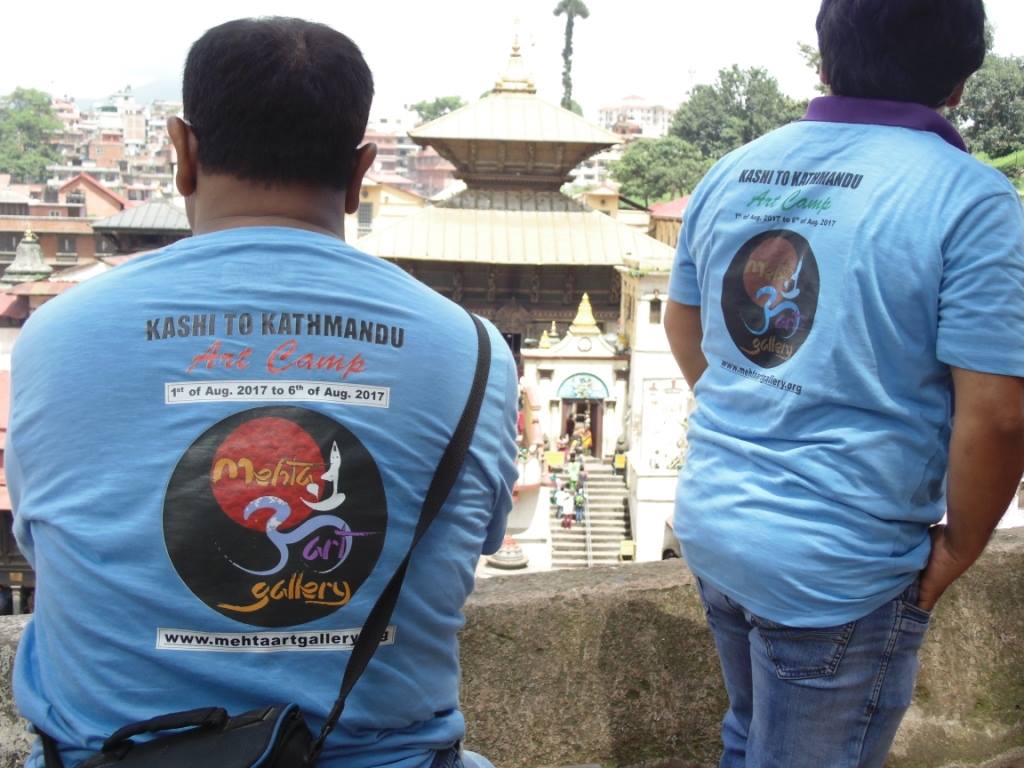
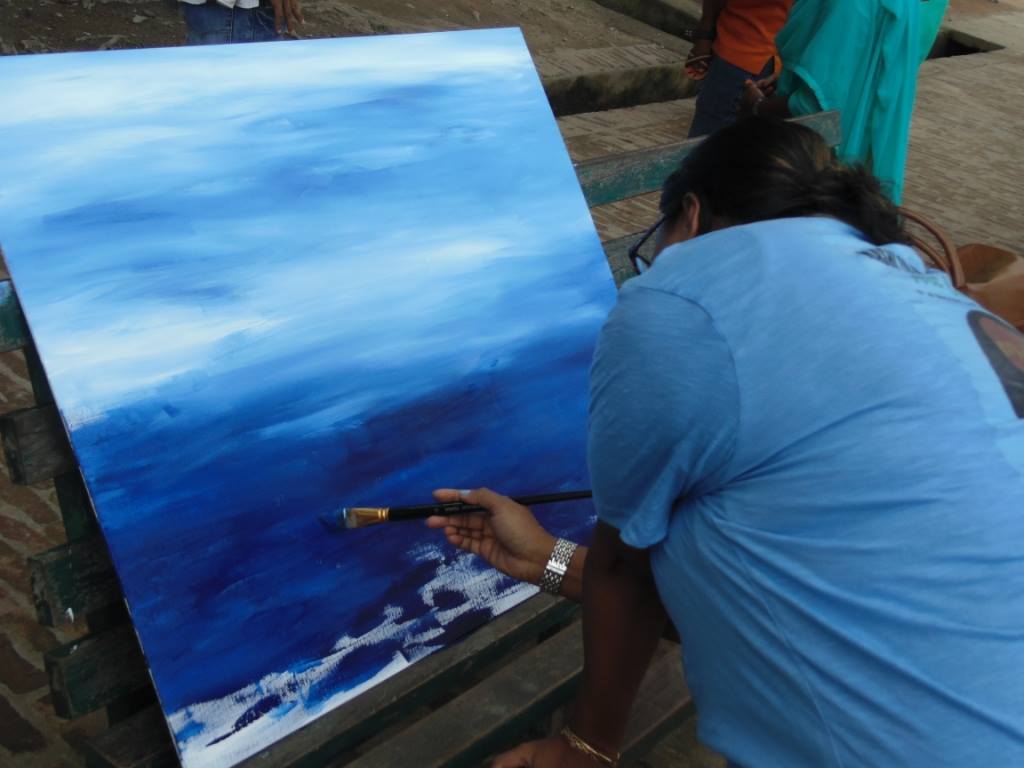
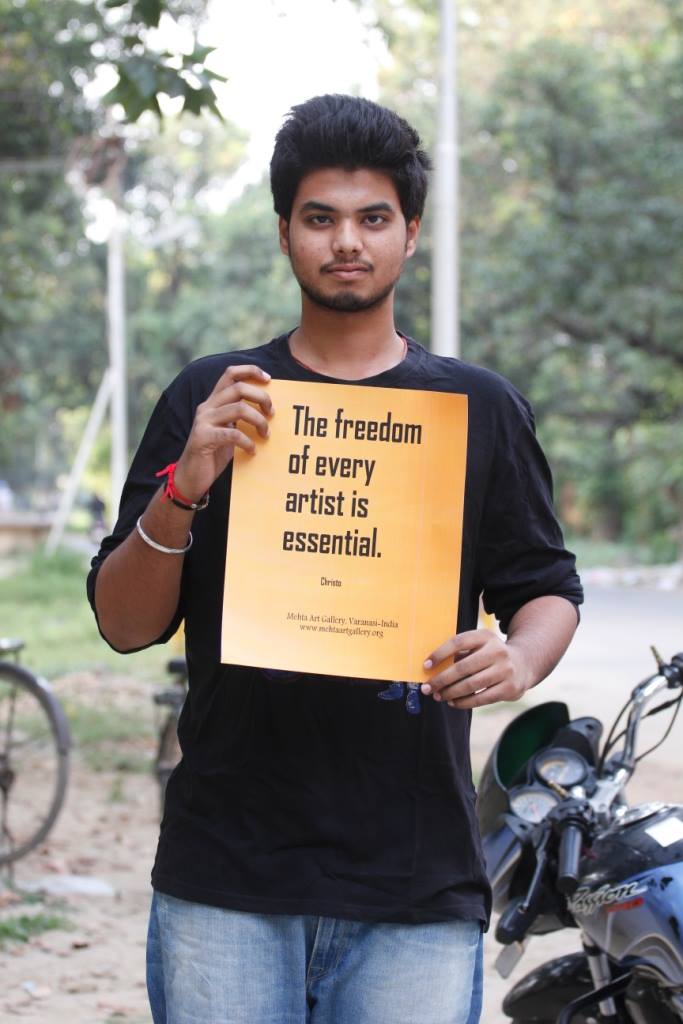
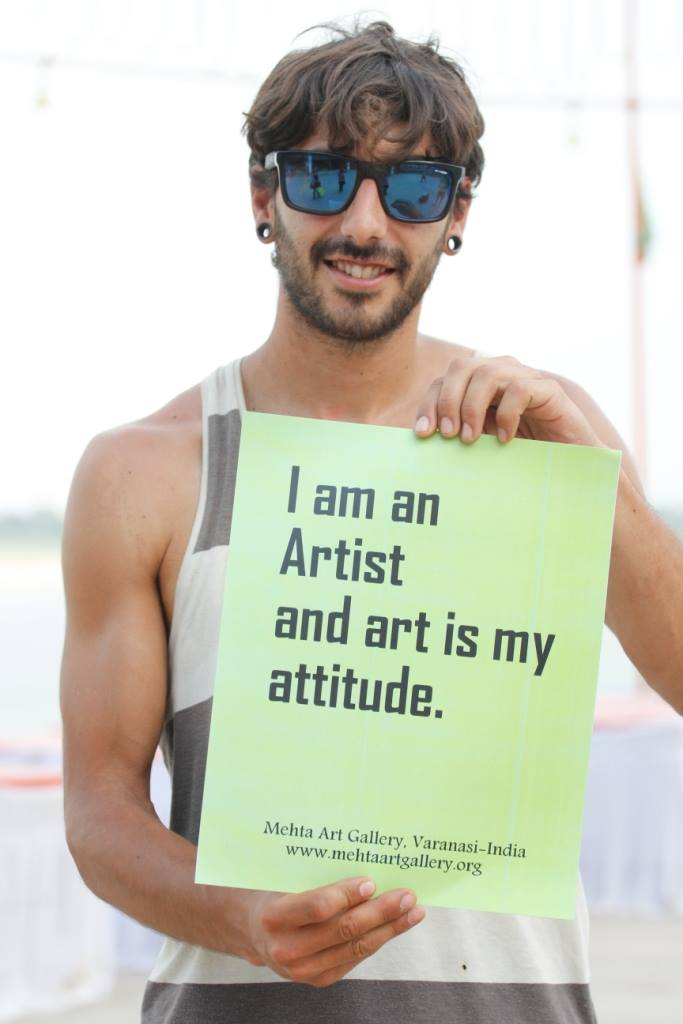
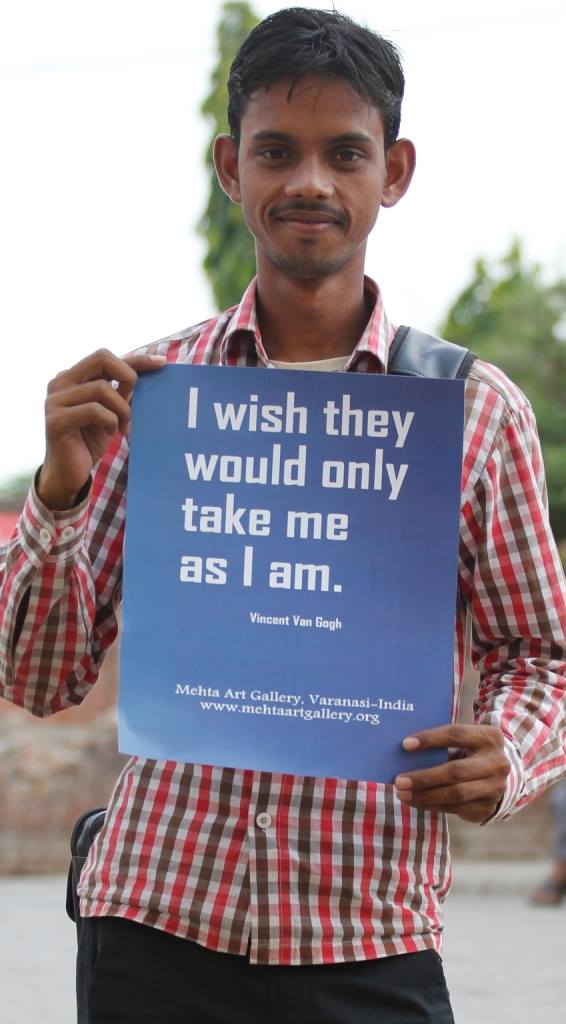
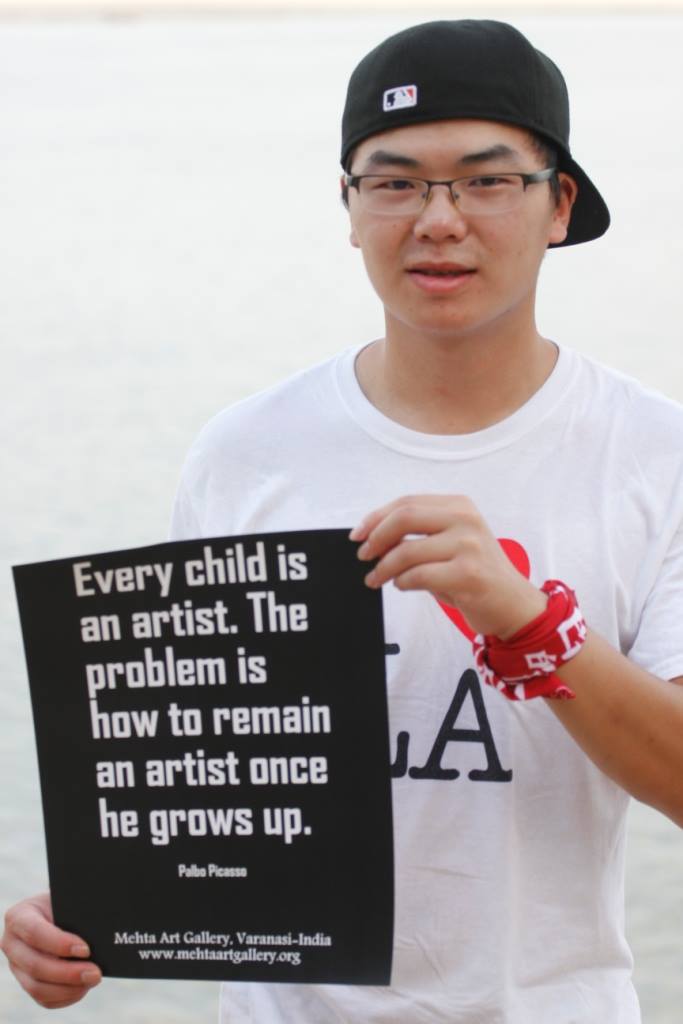
India’s art is as ancient as its civilization, and as diverse as its people. From delicate cave paintings to bold modern canvases, Indian artists have always captured the rhythm of society, culture, and the human spirit. To celebrate this rich legacy, Mehta Art Gallery launches a special campaign across social media and our website, a heartfelt tribute to the masters of Indian painting.
This campaign showcases the timeless works and stories of great artists such as Amrita Sher-Gil, Jamini Roy, K.G. Subramanyan, Kshitindranath Majumdar, Manjit Bawa, M.F. Husain, Nandalal Bose, Raja Ravi Varma, Ramkinkar Baij, Satish Gujral, Syed Haider Raza, Sunil Das, Abanindranath Tagore, and Tyeb Mehta. Through a digital homage, complete with their portraits and key masterpieces, we hope to remind society of their invaluable contributions and inspire the next generation of creators.
Amrita Sher-Gil: The Pioneer of Modern Indian Art
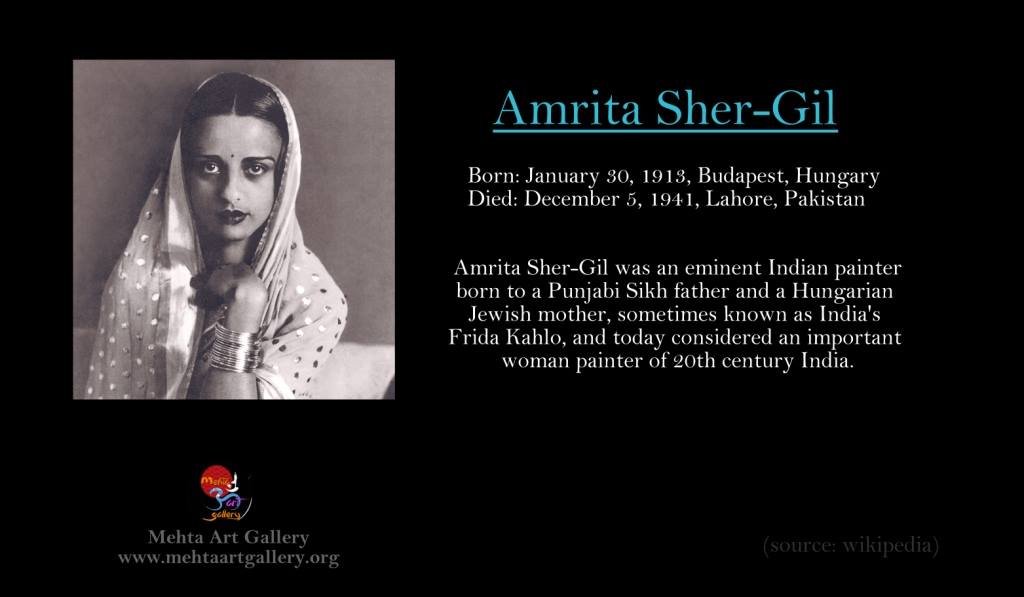
Often called the “Frida Kahlo of India,” Amrita Sher-Gil broke barriers with her bold brushwork and emotive style. Her paintings fused Western techniques with Indian themes, bringing to canvas the everyday lives of Indian women, villages, and cultural identity. Sher-Gil’s short life was filled with artistic brilliance, and her works remain a cornerstone of Indian modernism.
Jamini Roy: The Artist of the People
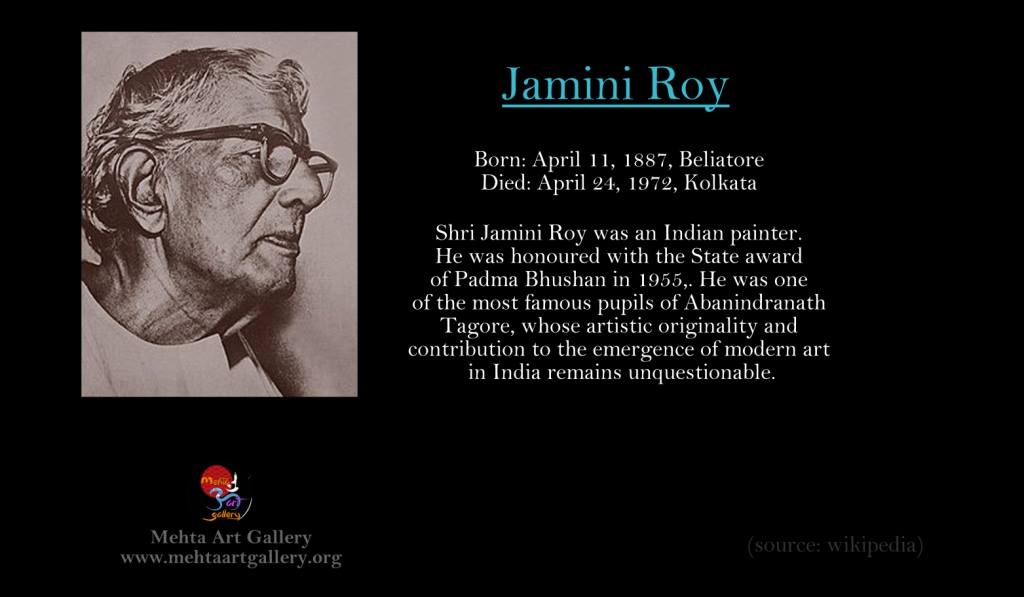
Jamini Roy sought inspiration not in European studios but in the heart of Bengal’s folk traditions. He transformed patachitra and local craft into fine art, painting bold, simplified figures of villagers, dancers, and deities. His work was democratic, affordable, accessible, and deeply Indian. Roy’s legacy reminds us that art thrives when it belongs to the people.
K.G. Subramanyan: The Storyteller of Modernism
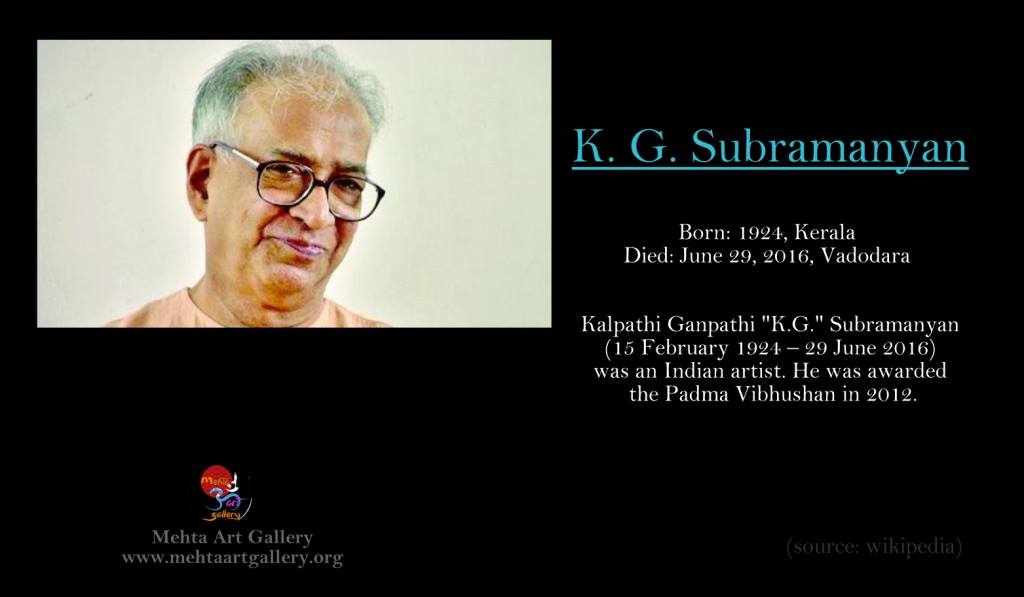
K.G. Subramanyan blended myth, folklore, and modernist styles into an artistic universe that was playful yet profound. A teacher, muralist, and painter, Subramanyan believed that art should exist in everyday life, not confined to galleries. His colorful works often carried sharp social commentary, reflecting India’s complexity with humor and depth.
Kshitindranath Majumdar: A Gentle Poet with a Brush
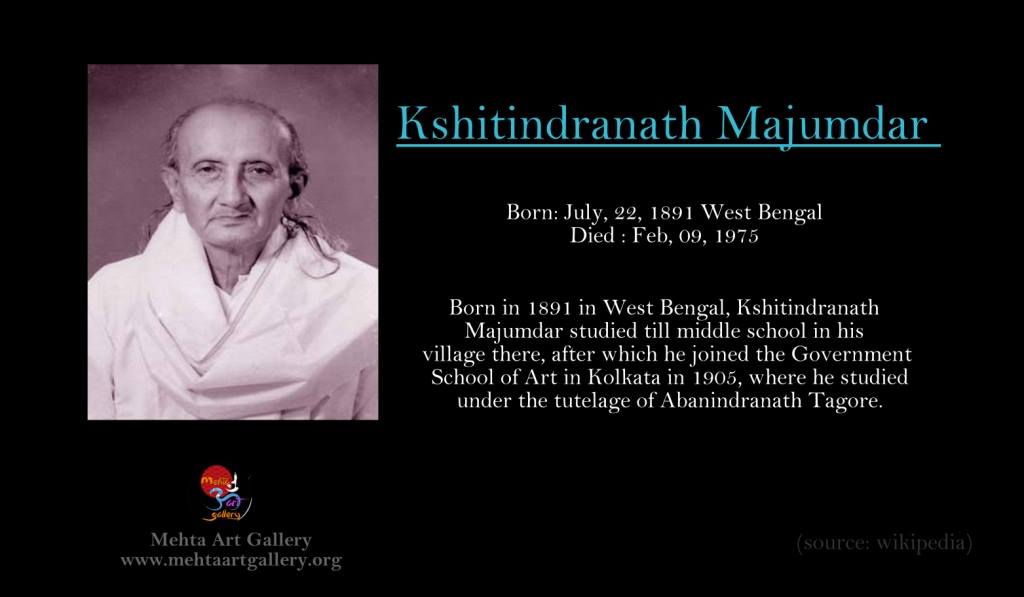
A lesser-known yet deeply influential figure, Kshitindranath Majumdar belonged to the Bengal School of Art. His works carried delicate lines, spiritual themes, and lyrical qualities. Often overshadowed by his contemporaries, Majumdar deserves recognition for keeping alive the aesthetics of classical Indian art while gently embracing modernism.
Manjit Bawa: The Painter of Myth and Silence
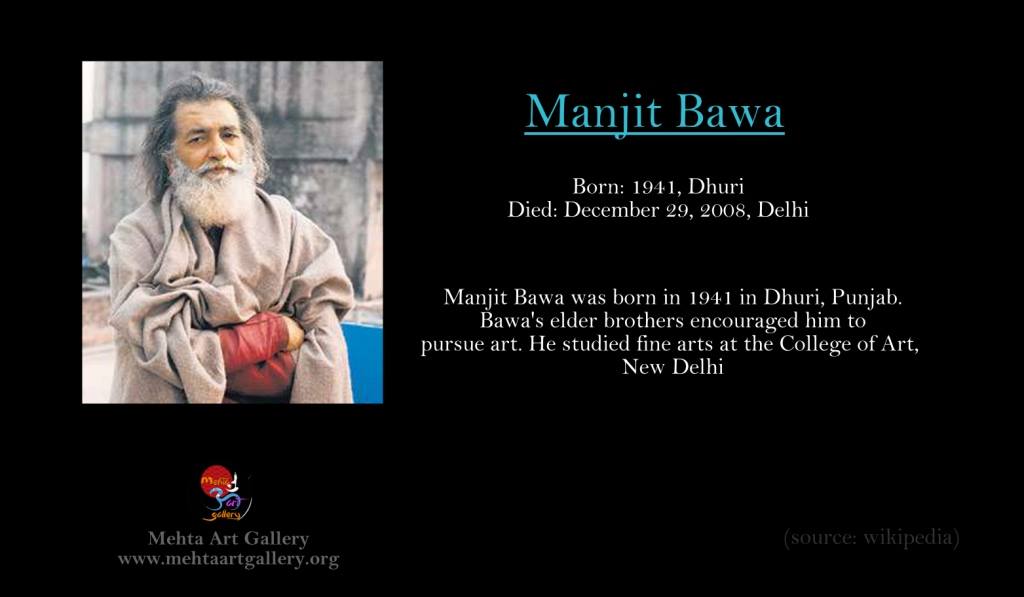
Manjit Bawa’s canvases were filled with vibrant flat colors, mythological figures, and serene stillness. Rejecting realism, he created dreamlike compositions where gods, animals, and humans coexisted in harmony. His art was both spiritual and contemporary, carrying echoes of Indian philosophy and Sufi thought.
M.F. Husain: The Picasso of India
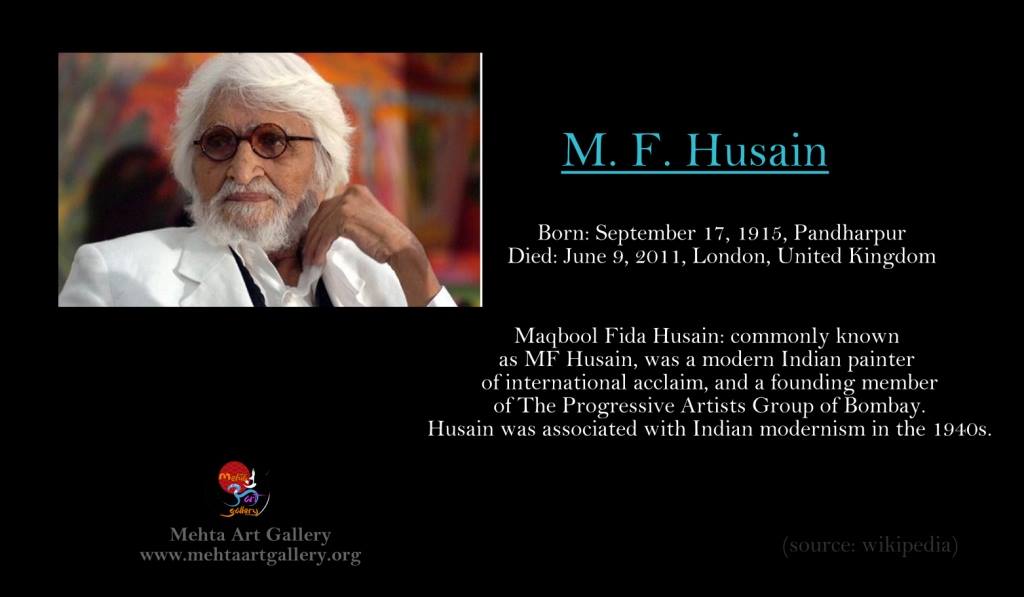
Few names shine as brightly as Maqbool Fida Husain. With his bold strokes, galloping horses, and powerful female figures, Husain redefined Indian modern art. His life was a saga, celebrated globally, yet mired in controversies. Still, his fearless creativity and boundless imagination make him one of India’s greatest cultural ambassadors.
Nandalal Bose: The Teacher of a Nation
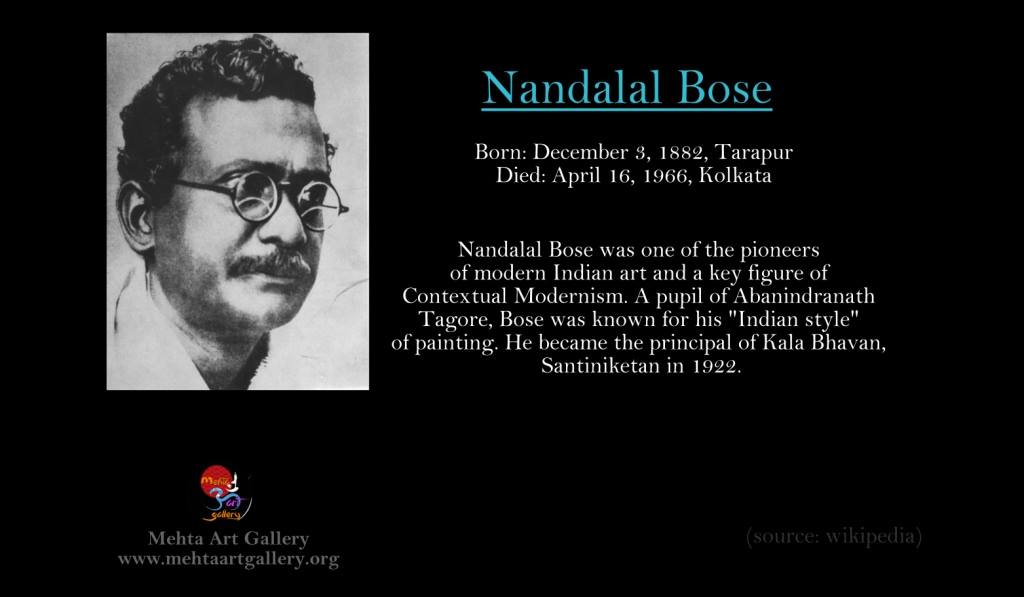
A disciple of Abanindranath Tagore, Nandalal Bose played a key role in shaping the Santiniketan art movement. He illustrated the Constitution of India, embedding art into the nation’s very foundation. His works often celebrated rural life, freedom, and heritage, reflecting Gandhi’s ideals of simplicity and truth.
Raja Ravi Varma: The First Modern Icon
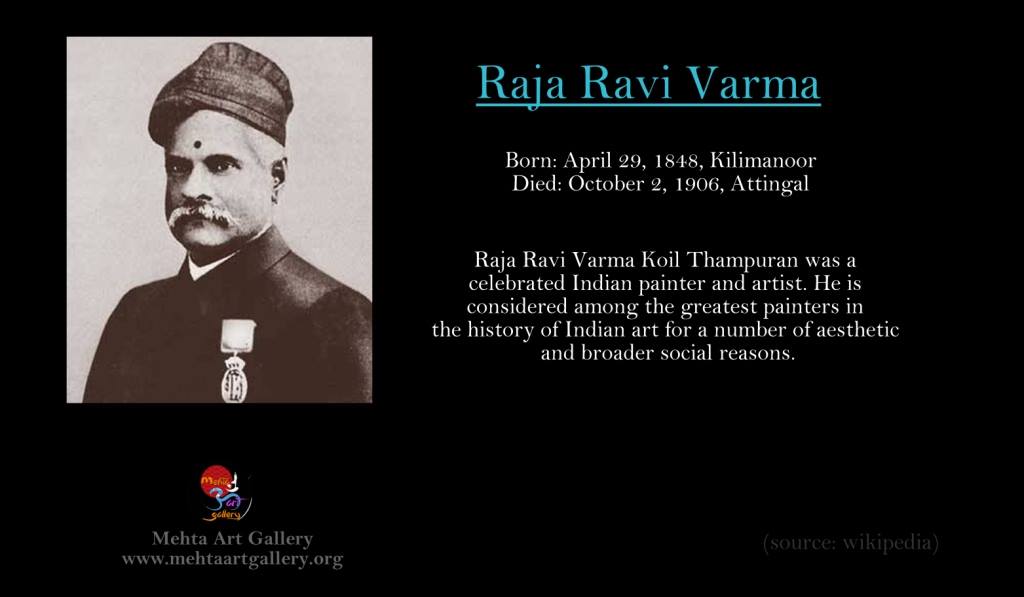
Raja Ravi Varma was perhaps India’s first celebrity painter. By blending European realism with Indian themes, he made gods and epics accessible to common people. His lithographs brought Lakshmi, Saraswati, and scenes from the Mahabharata into middle-class homes, changing how India visualized divinity forever.
Ramkinkar Baij: The Sculptor-Painter Visionary
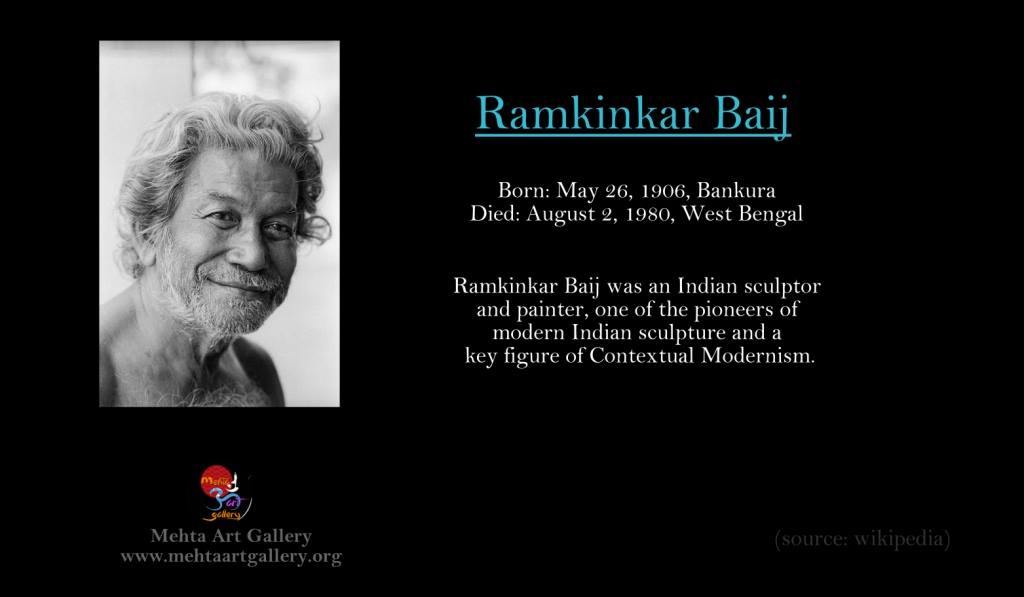
Though best remembered as a sculptor, Ramkinkar Baij was also a remarkable painter. His works carried raw energy, modernist daring, and a connection to the soil of Bengal. Baij’s dynamic forms broke academic traditions, earning him the title of one of India’s first modernists.
Satish Gujral: Art Born from Struggle
Satish Gujral’s life was shaped by resilience. Deafened by illness as a child, he turned to art to express himself. His paintings, murals, and later architectural works carried themes of pain, partition, and recovery. Gujral showed how art can be both personal therapy and national memory.
S.H. Raza: The Master of the Bindu
Syed Haider Raza, or S.H. Raza, took Indian art to international heights. His early landscapes evolved into abstract spiritual works, dominated by the bindu, a symbol of cosmic unity. Raza believed art was meditation—a way to experience existence itself. His legacy bridges India and France, tradition and modernity.
Sunil Das: The Energy of Horses and Bulls
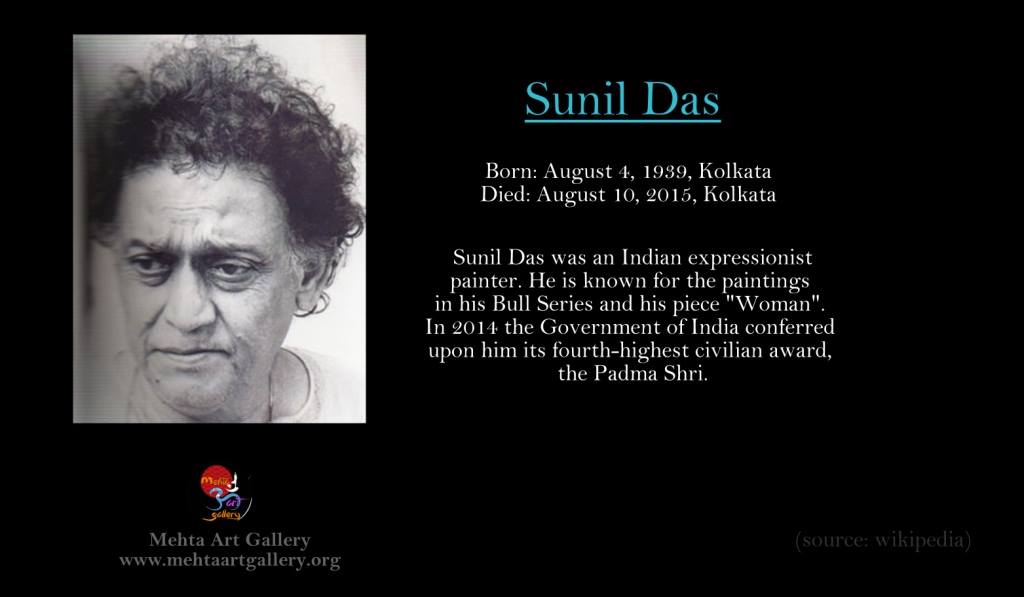
Sunil Das’s explosive lines captured motion like few others could. Famous for his series on horses and bulls, Das brought intensity and dynamism to Indian modernism. His art was restless, reflecting both power and fragility.
Abanindranath Tagore: The Father of Modern Indian Art
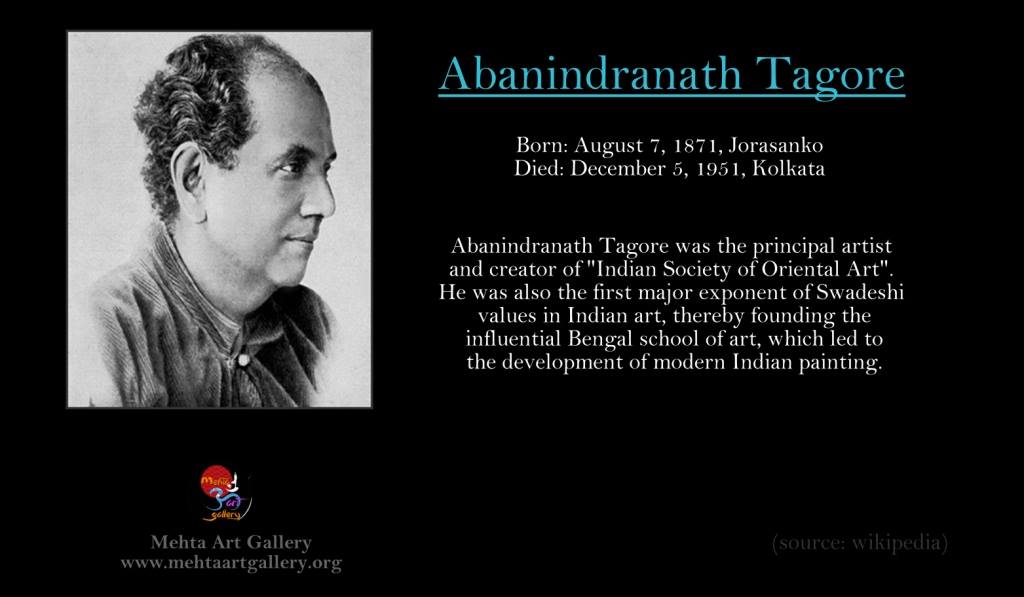
Abanindranath Tagore, nephew of Rabindranath, founded the Bengal School of Art, leading India’s cultural revival against colonial dominance. His iconic work Bharat Mata gave visual form to nationalism. By drawing from Mughal miniatures, Japanese wash techniques, and Indian spirituality, Abanindranath laid the foundation of a modern Indian identity in art.
Tyeb Mehta: The Painter of Anguish
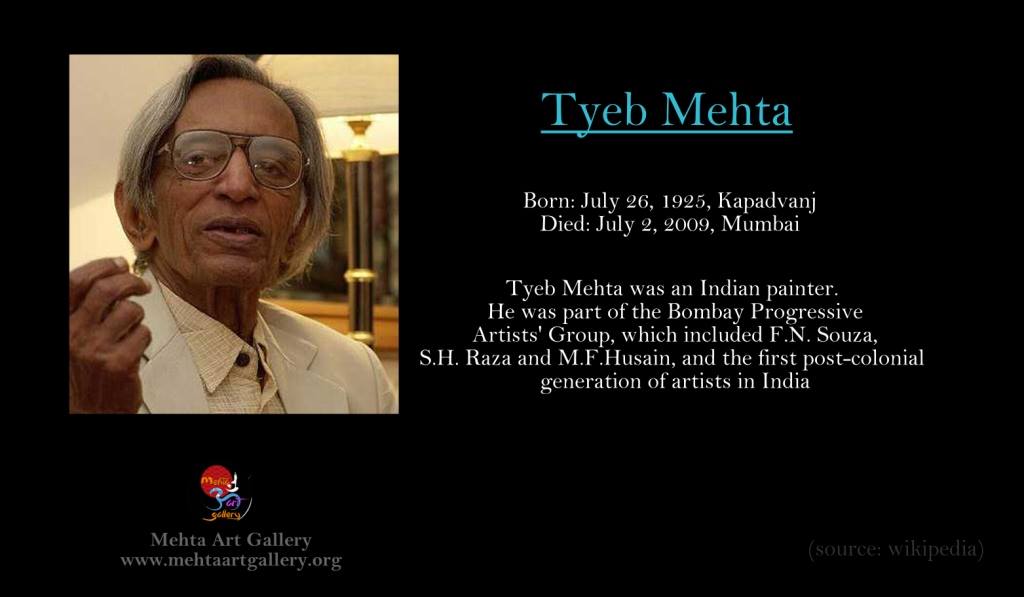
Tyeb Mehta belonged to the Progressive Artists’ Group, and his paintings often reflected the violence, migration, and struggles of 20th-century India. His angular figures, restrained palettes, and themes of conflict and suffering carried global resonance. His works later broke auction records, making him one of India’s most celebrated modern artists.
The Campaign: A Digital Homage to the Masters
Through this campaign, Mehta Art Gallery aims to:
- Celebrate: Showcase portraits and key works of these masters on social media and our website, highlighting their artistic journeys.
- Educate: Share engaging stories, anecdotes, and interpretations to make their art more accessible to younger audiences.
- Inspire: Encourage emerging artists to learn from the past while shaping the future.
- Preserve: Create a digital archive where the legacy of these painters remains alive and easily discoverable.
Each artist’s image will be shared separately with a tribute note, so viewers can connect with their unique style and philosophy. Together, these posts form a collective tribute to India’s cultural heritage.
Why This Tribute Matters
In today’s fast-moving digital era, it is easy to forget the shoulders on which contemporary art stands. These masters lived in different centuries, spoke different languages, and worked in different styles—but they all expressed the essence of India through their canvases.
By honoring them on digital platforms, we bridge time, bringing the wisdom of the past into the present. A young student scrolling through Instagram may pause at Jamini Roy’s folk figures; a researcher may rediscover the genius of Kshitindranath Majumdar through our website; a budding painter may find courage in the story of Satish Gujral’s resilience.
Conclusion: Carrying the Flame Forward
Art is not just about paintings on walls, it is about memory, imagination, and identity. By paying tribute to these legends, Mehta Art Gallery reaffirms its commitment to nurturing and preserving Indian art.
We invite you to join this campaign: share the stories, engage with the visuals, and let these masters speak to your heart. For in their strokes lies not just art, but India’s eternal soul.